
The Bennet Family's Financial Vulnerability
Pride and PrejudiceThe entail of Longbourn and the lack of a male heir create a constant pressure on the Bennet family, driving their marriage anxieties and shaping their decisions.
increasing Bearing strength in each event
 decreasing
Bearing strength in each eventdecreasingThe Entail Explained
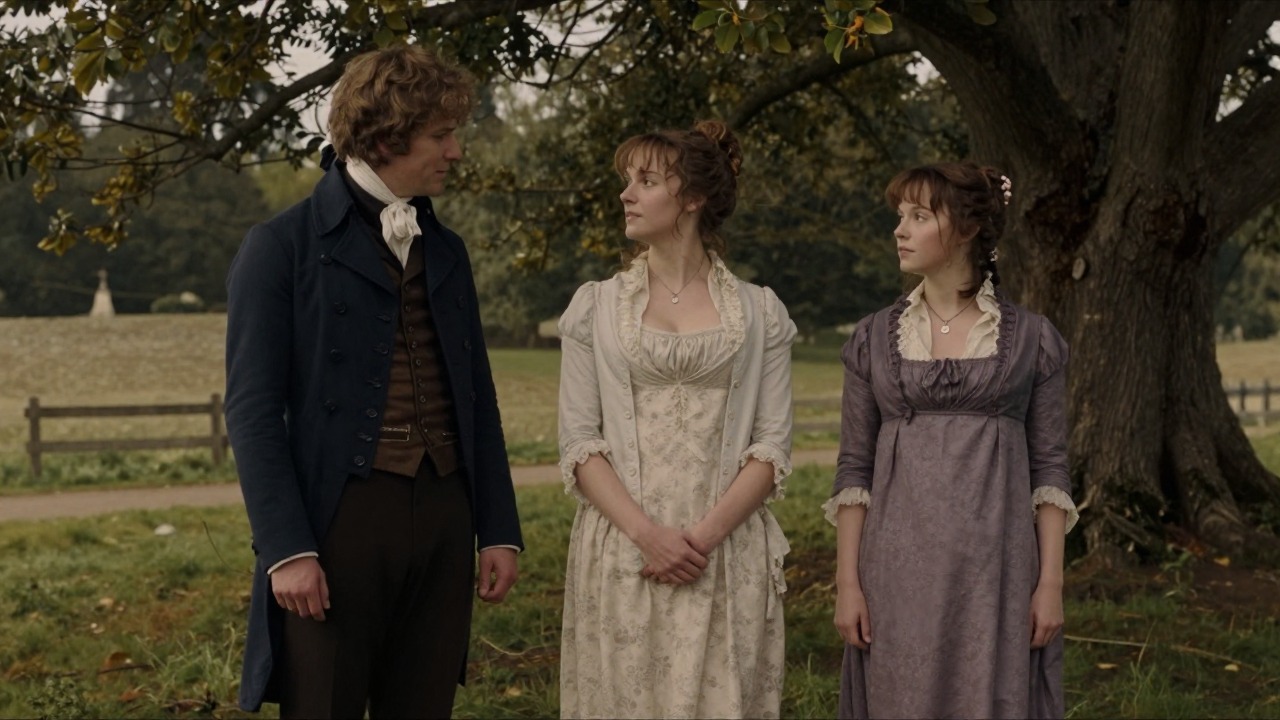
The Entail Explained
The Legal Trap
Early in the novel, the reader learns that Mr. Bennet's estate, Longbourn, is entailed to the male line. Since Mr. Bennet has no son, the estate will pass to his cousin, Mr. Collins, upon his death. This means that Mrs. Bennet and her daughters will be left with little income.
Mrs. Bennet's Anxiety
Mrs. Bennet is obsessed with marrying off her daughters to wealthy men as a form of security. The entail is the driving force behind her matchmaking. She sees every eligible bachelor as a potential savior from poverty.
The Shadow over the Family
The entail is a constant reminder of the precarious position of women in Regency society. The Bennet sisters' futures depend entirely on marriage. This financial vulnerability influences every plot event, from Mrs. Bennet's schemes to Elizabeth's own willingness to consider marriage.
Mr. Collins as Heir
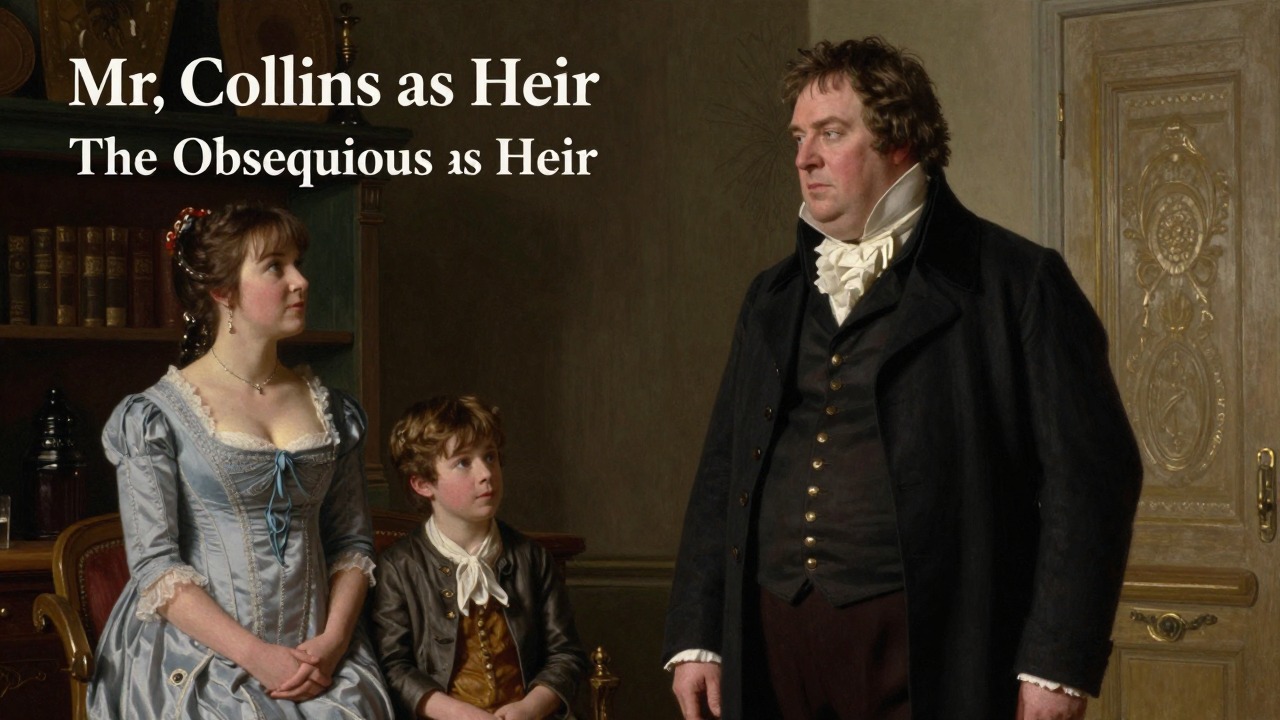
Mr. Collins as Heir
The Obsequious Cousin
Mr. Collins, the heir to Longbourn, arrives at the Bennet home. He is a pompous, sycophantic clergyman who intends to marry one of the Bennet daughters to "make amends" for inheriting the estate. His presence is a physical reminder of the family's dependency.
Mrs. Bennet's Hopes
Mrs. Bennet initially sees Collins as a good match for Elizabeth, despite his ridiculousness. She pressures Elizabeth to accept him, arguing that it will secure the family's future. The conflict between mother and daughter over this proposal highlights the tension between practical necessity and personal happiness.
The Proposal Refused
Elizabeth refuses Collins, to her mother's fury. The refusal is a bold assertion of her independence, but it also leaves the family's financial future uncertain. Collins quickly marries Charlotte Lucas instead, ensuring that the Bennets will lose the estate to a stranger.
Charlotte's Pragmatic Decision
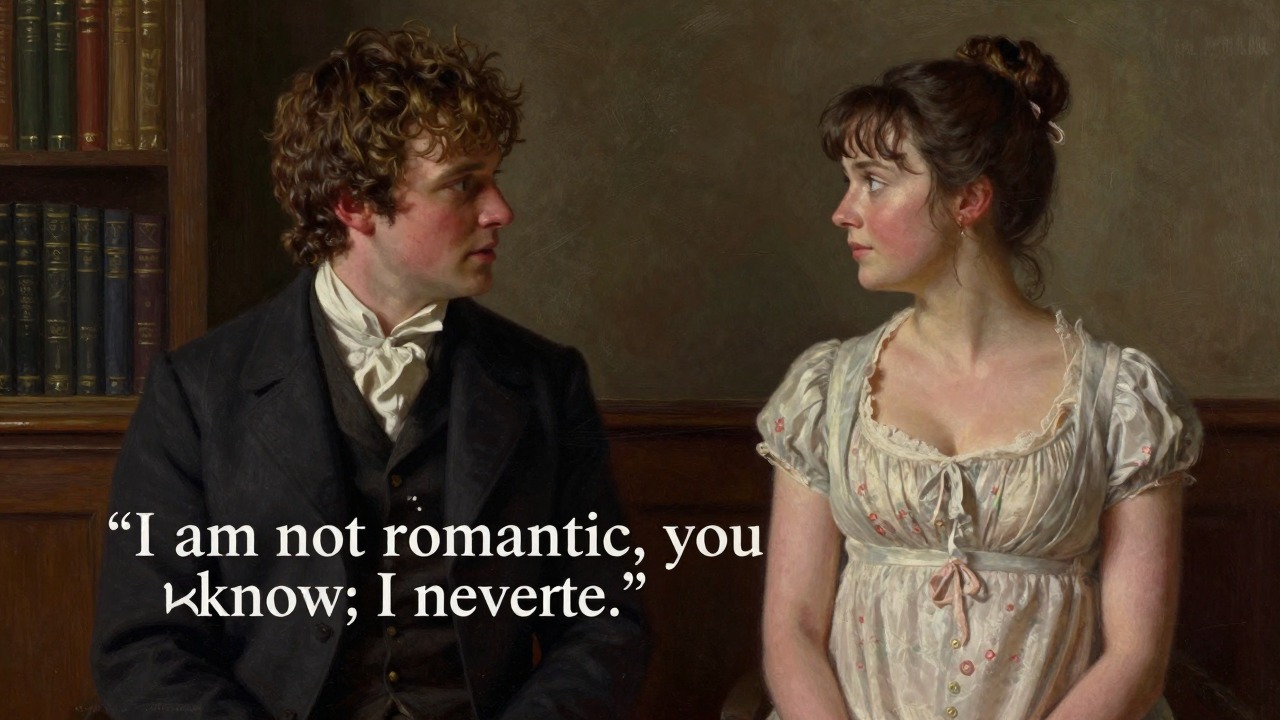
Charlotte's Pragmatic Decision
A Sensible Choice
Charlotte Lucas, Elizabeth's friend, accepts Mr. Collins's proposal. She is twenty-seven, not wealthy, and sees marriage as a practical necessity. She tells Elizabeth, "I am not romantic, you know; I never was." Her decision shocks Elizabeth, who believes in marrying for love.
The Consequences
Charlotte's marriage secures her future at the cost of personal happiness. She must endure Collins's foolishness and Lady Catherine's condescension. Elizabeth visits her and sees the reality of the compromise: a comfortable home but a tedious life.
A Mirror for the Bennets
Charlotte's choice underscores the limited options for women of the time. It also serves as a contrast to Elizabeth's own romantic ideals. The Bennet sisters, unless they marry well, face a similar fate of dependency or poverty. The entail makes their situation even more urgent.
Lydia's Elopement Endangers the Family
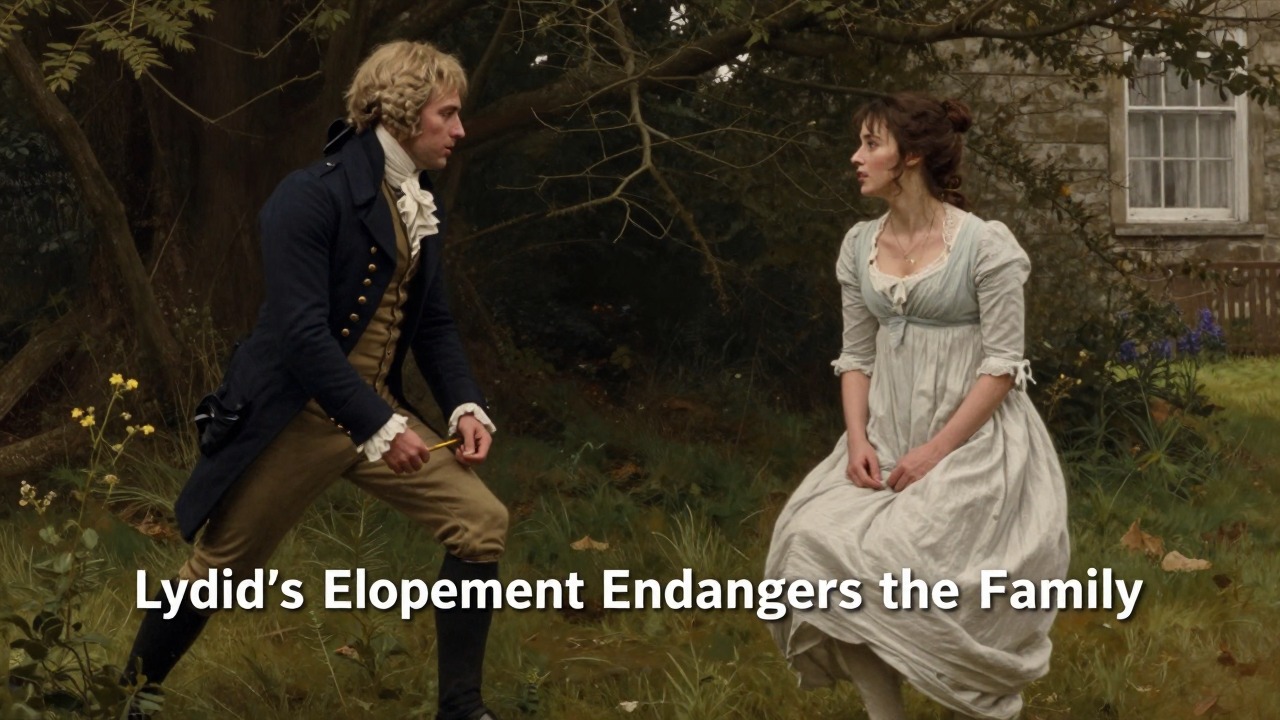
Lydia's Elopement Endangers the Family
The Ultimate Disaster
Lydia's elopement with Wickham is the worst possible outcome for the Bennet family. Not only does it threaten her own reputation, but it also jeopardizes the marriage prospects of her sisters. No respectable man would want to be connected to a family with such a scandal.
Mr. Bennet's Regret
Mr. Bennet, who has been complacent about his daughters' futures, is forced to confront his neglect. He goes to London to search for Lydia, but he is ineffective. The crisis reveals the fragility of the family's position.
The Cost of Rescue
Darcy's intervention saves the family from disgrace, but it is a costly rescue. The entail remains, and the family's financial situation is unchanged. However, the marriages of Jane and Elizabeth to wealthy men finally provide security. The crisis is averted, but the vulnerability that the entail represents is never fully resolved.
Early in the novel, during discussions of Mr. Collins
When Mr. Collins first visits Longbourn
After Collins proposes to Charlotte
When Lydia elopes with Wickham
