Mrs. Younge
Pride and PrejudiceMrs. Younge appears only briefly in the narrative, yet her actions set in motion two of the novel's most consequential crises: the near-ruin of Georgiana Darcy and the eventual scandal of Lydia Bennet's elopement. As a woman entrusted with the care of a young lady of fortune, she proves utterly corrupt, selling her charge for personal gain and later, when cornered, selling information for the same motive. She embodies the danger of misplaced trust in a world where reputation and guardianship are everything, and her role as a mercenary intermediary between Wickham and his victims makes her an indispensable, if shadowy, agent of the plot.
Identity and Background
Mrs. Younge was formerly the governess to Georgiana Darcy, employed to superintend the young lady's education and conduct in London. Darcy himself describes her as a woman "in whose character we were most unhappily deceived." She was dismissed from her post for some unspecified cause of disapprobation, though Darcy does not disclose the exact reason. After her dismissal, she established herself in a large house on Edward Street in London, where she maintained herself by letting lodgings. Crucially, she had a prior acquaintance with George Wickham, a connection that predates the events of the novel and that she kept hidden from the Darcy family.
Role in the Attempted Elopement of Georgiana Darcy
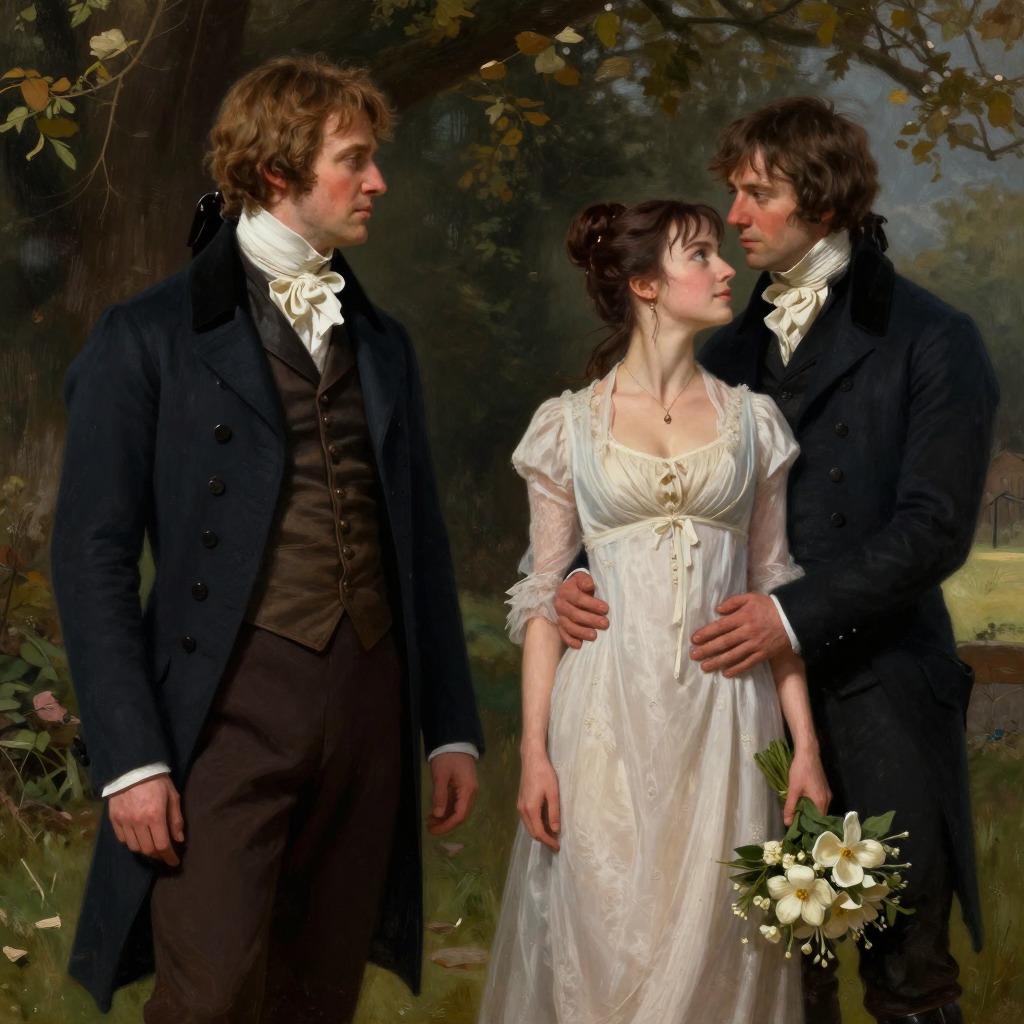
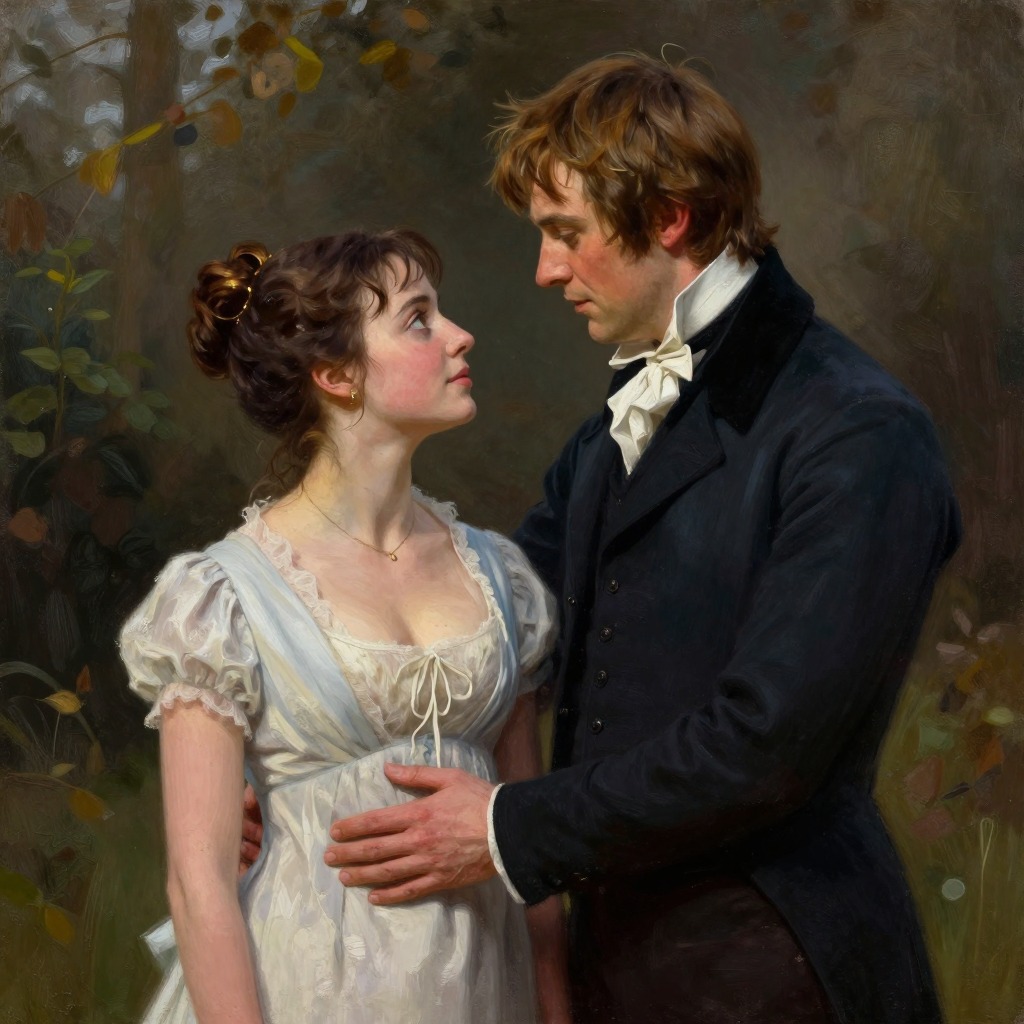
Mrs. Younge's most damaging act occurs during the summer before the novel's main action. When Georgiana Darcy, then only fifteen, went to Ramsgate under Mrs. Younge's supervision, Wickham followed them there "undoubtedly by design." With Mrs. Younge's "connivance and aid," Wickham was able to recommend himself so thoroughly to the impressionable Georgiana—whose affectionate heart still retained a strong attachment to him from childhood—that she was persuaded to believe herself in love and to consent to an elopement. Darcy discovered the plot only when he joined them unexpectedly a day or two before the intended elopement, and Georgiana, unable to bear the thought of grieving him, confessed the whole scheme. Darcy immediately wrote to Wickham, who left Ramsgate, and Mrs. Younge was "of course removed from her charge." The episode was kept secret to protect Georgiana's credit and feelings, but it established Wickham's predatory nature and Mrs. Younge's complicity in betraying her trust for what Darcy later surmised was the hope of sharing in Georgiana's thirty-thousand-pound fortune.
Role in the Search for Lydia Bennet and Wickham
A year later, when Lydia Bennet elopes with Wickham, Mrs. Younge again becomes the crucial link. Darcy, having left Derbyshire immediately after learning of the elopement, goes to London with the resolution of hunting for the fugitives. He knows that Mrs. Younge is "intimately acquainted with Wickham" and goes directly to her for intelligence. However, she proves reluctant to betray her friend: it takes Darcy two or three days to extract the information he needs, and Mrs. Gardiner's letter to Elizabeth later implies that "bribery and corruption" were necessary to overcome her loyalty. Once paid, Mrs. Younge reveals that Wickham and Lydia are lodging in a house on —— Street. Darcy then confronts Wickham, insists on seeing Lydia, and ultimately negotiates the marriage settlement that saves the Bennet family from disgrace. Mrs. Younge's willingness to sell her knowledge for money mirrors her earlier willingness to sell her guardianship for the same motive, making her a consistent figure of mercenary betrayal.
Character and Significance
Mrs. Younge is never directly characterized through dialogue or interiority; she is known only through the actions attributed to her and the judgments of others. Darcy calls her a woman in whom they were "most unhappily deceived," and the narrative treats her as a figure of pure calculation. She has no scruples about exploiting a fifteen-year-old girl's affection for Wickham, and no hesitation in sheltering the same man a year later when he repeats his pattern of seduction. Her house on Edward Street becomes a way station for Wickham's schemes, first as a potential refuge for the eloping couple and later as the site where Darcy finally tracks them down. In a novel where most characters are given complex motives and the opportunity to explain themselves, Mrs. Younge remains opaque—a functionary of vice whose only discernible principle is self-interest. She serves as a dark mirror to the novel's more sympathetic figures: where Mrs. Gardiner offers wise counsel and genuine affection, Mrs. Younge offers only complicity for cash; where the Bennet parents fail their daughters through neglect, Mrs. Younge fails hers through active betrayal. Her presence underscores the vulnerability of young women in a system where their guardians may be corrupt, and the lengths to which a determined man like Darcy must go to undo the damage caused by such corruption.