
Class and Social Standing
RebeccaExamines the role of class and social expectations in the novel, particularly the narrator's struggle to fit into the upper-class world of Manderley.
increasing Bearing strength in each event
 decreasing
Bearing strength in each eventdecreasingThe Class Divide
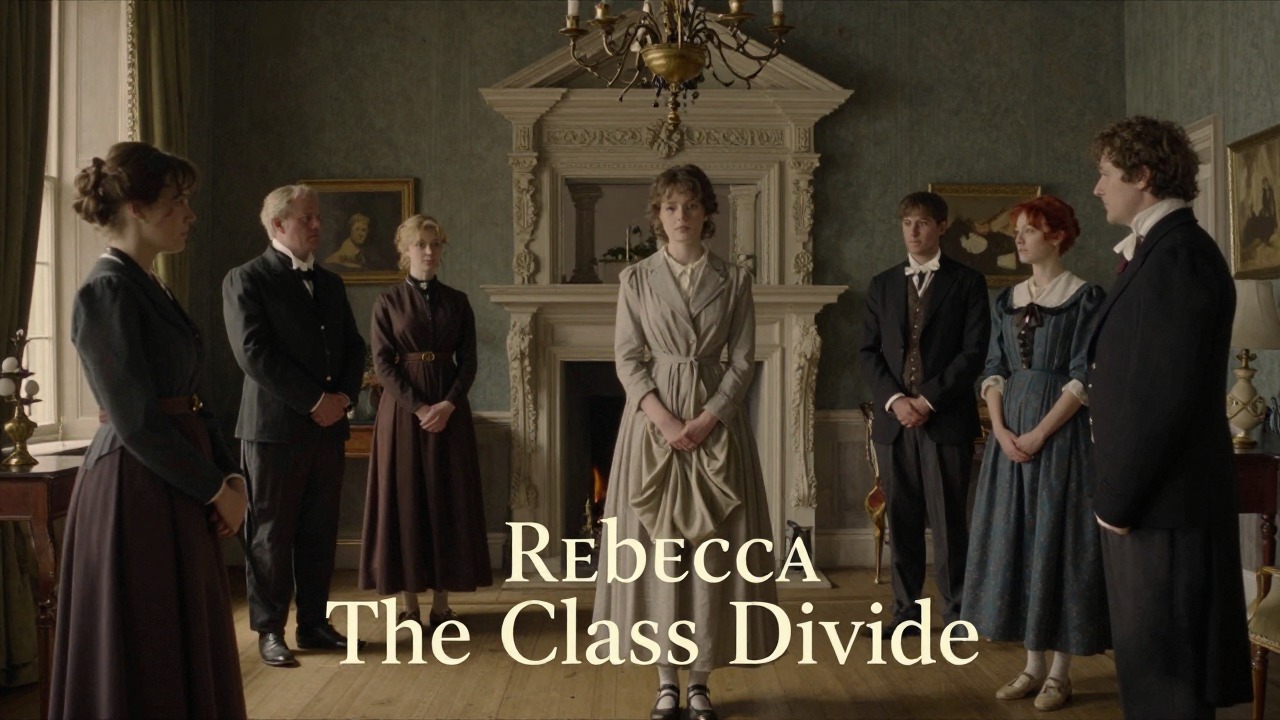
The Outsider
The Background
The narrator was a poor companion, not a lady. She felt out of place in the grand world of Manderley.
The Servants' Judgment
The servants, especially Alice, looked down on her. They noticed her cheap underclothes. She was not one of them.
The Insecurity
She was acutely aware of her lower status. She felt she did not belong.
The Social Calls
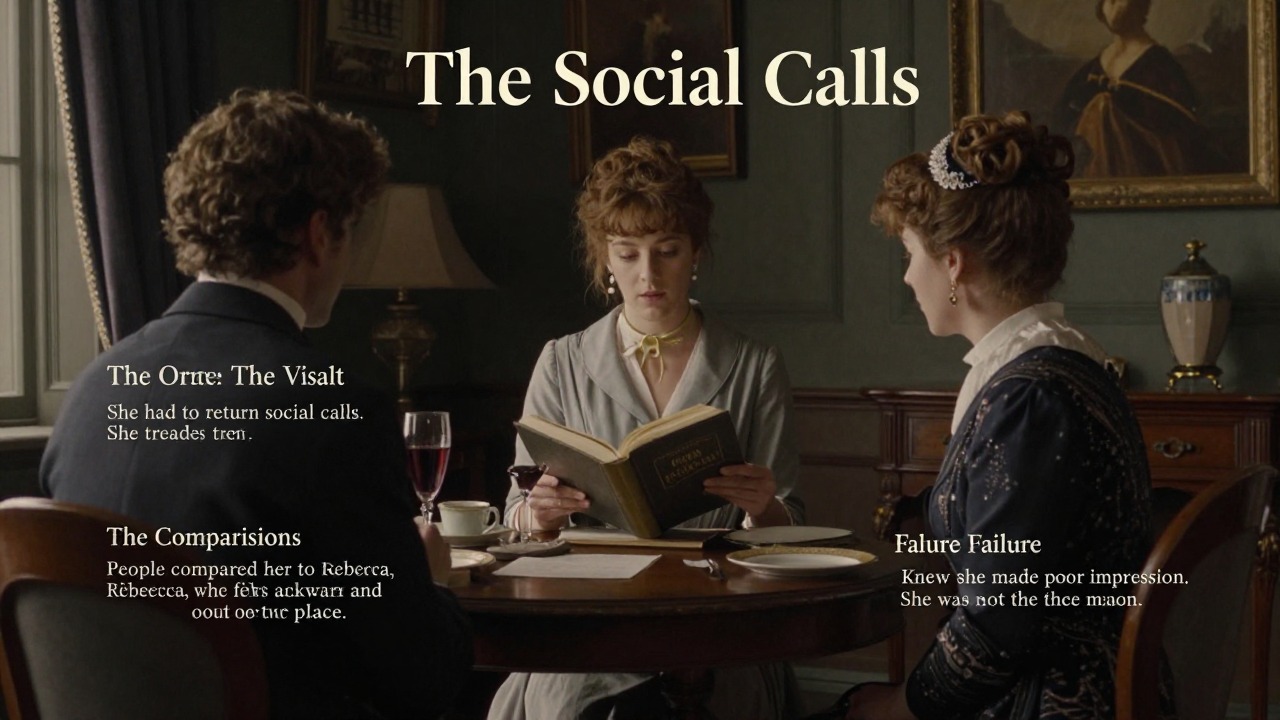
The Ordeal
The Visits
She had to return social calls. She dreaded them. She felt awkward and out of place.
The Comparisons
People compared her to Rebecca, who was born to the role. The narrator felt inadequate.
The Failure
She knew she made a poor impression. She was not the lady of the manor they expected.
The Transformation
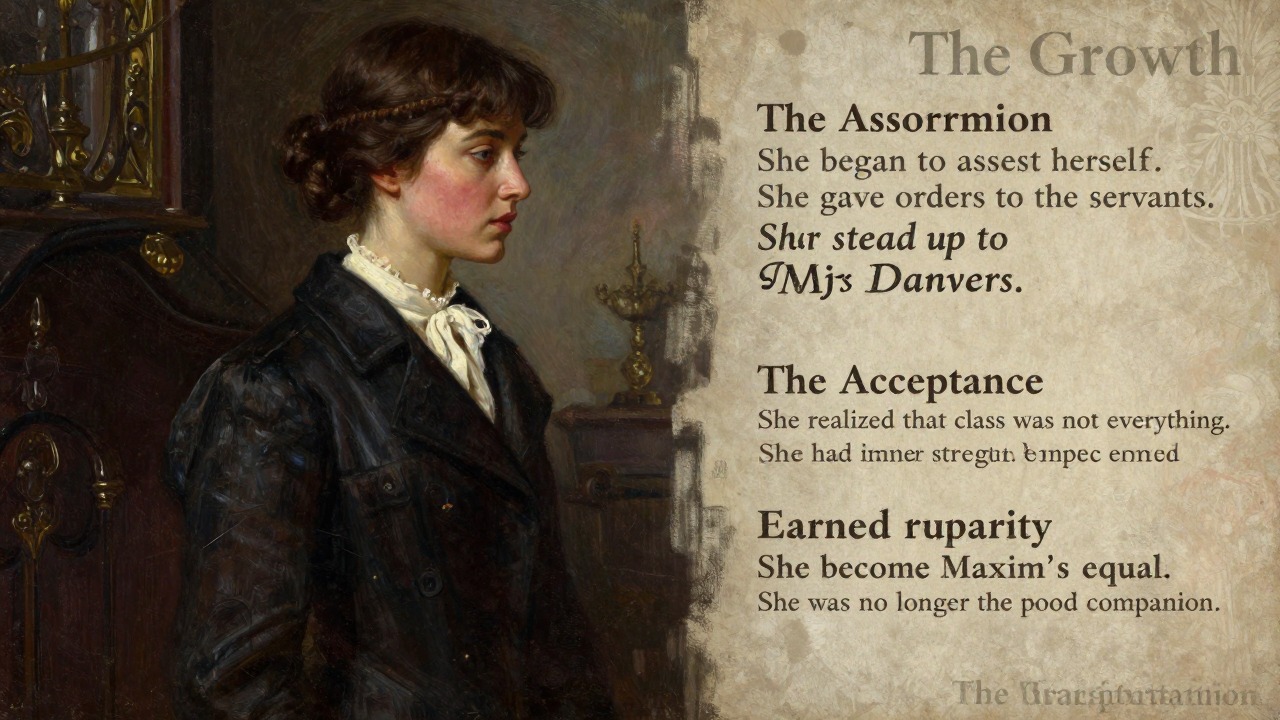
The Growth
The Assertion
She began to assert herself. She gave orders to the servants. She stood up to Mrs Danvers.
The Acceptance
She realized that class was not everything. She had inner strength. She earned respect.
The Equality
She became Maxim's equal. She was no longer the poor companion. She was his wife and partner.
The Liberation
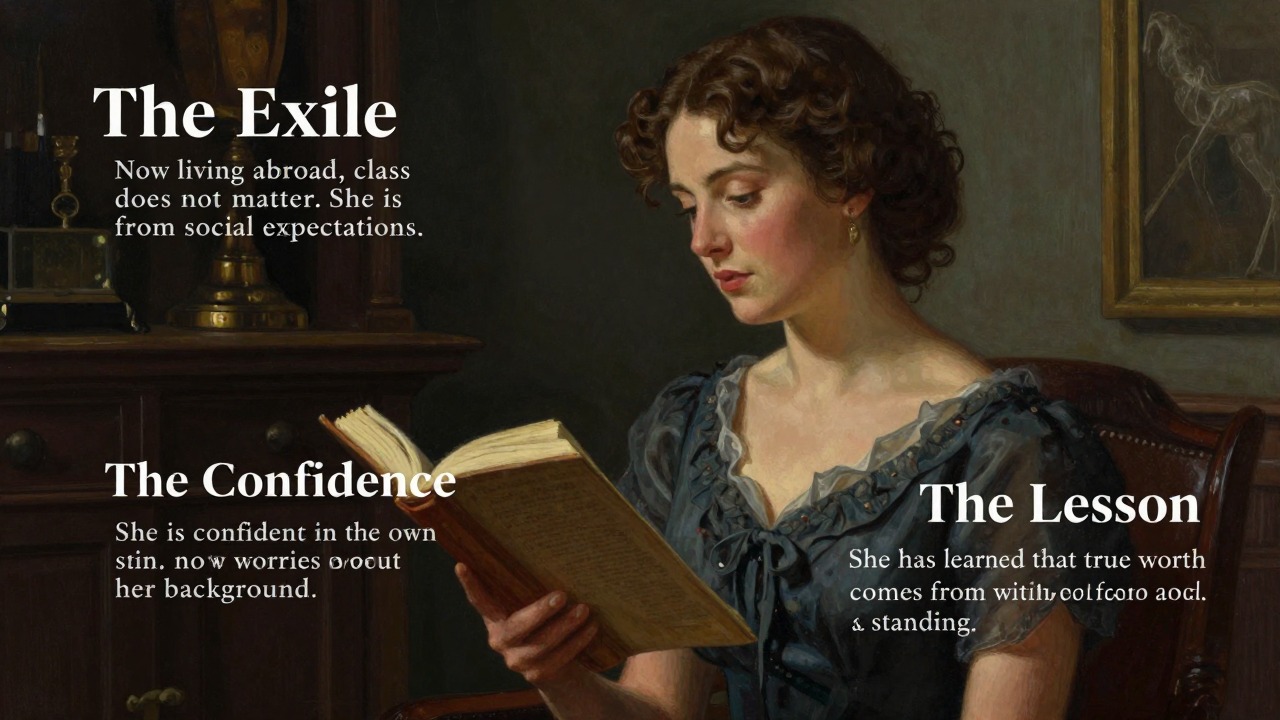
The Freedom
The Exile
Now living abroad, class does not matter. She is free from social expectations.
The Confidence
She is confident in her own skin. She no longer worries about her background.
The Lesson
She has learned that true worth comes from within, not from social standing.
First days at Manderley
First weeks at Manderley
During the crisis
In exile
