
The Injustice of Land Ownership
ResurrectionExplores the moral and economic arguments against private property in land, as seen through Nekhludoff's attempts to give his land to the peasants.
increasing Bearing strength in each event
 decreasing
Bearing strength in each eventdecreasingThe Influence of Henry George
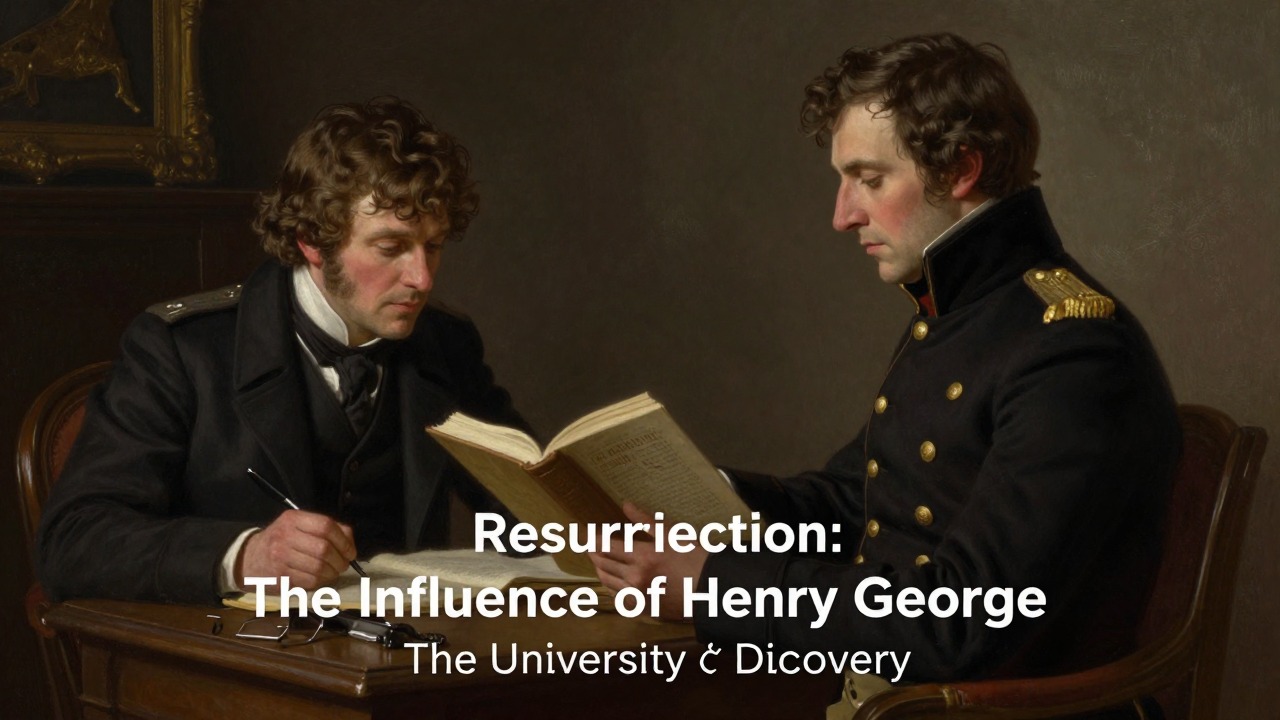
The Influence of Henry George
The University Discovery
As a student, Nekhludoff read Spencer and Henry George and became convinced that land cannot be owned. He gave away his father's small estate to the peasants.
The Abandonment of Ideals
Later, in the army, he forgot his principles. He lived a life of luxury, ignoring the source of his wealth. The memory of his youthful ideals only returned after the trial.
The Revival of Conviction
Now, facing his own hypocrisy, Nekhludoff decides to act on his beliefs. He resolves to give up his mother's estates, even though it means a drastic reduction in his income.
The Failed Land Reform
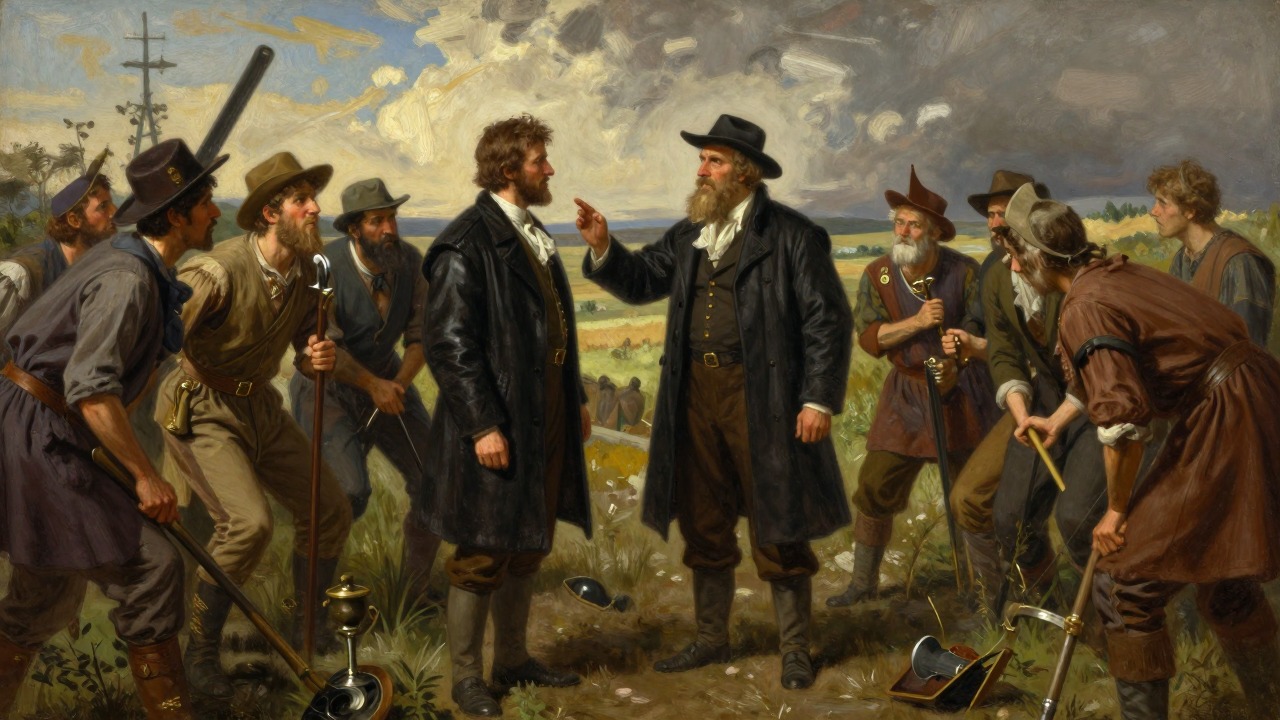
The Failed Land Reform
The Proposal to the Peasants
Nekhludoff offers to let the land to the peasants at a low rent, the money to be used for communal purposes. The peasants are suspicious and refuse.
The Reasons for Failure
The peasants cannot understand why a landlord would give up his property. They suspect a trick. The centuries of oppression have made them distrustful. Nekhludoff's gesture is too little, too late.
The Lesson
Nekhludoff learns that individual acts of charity are not enough. The system must be changed. But he also realizes that he must act according to his conscience, regardless of the outcome.
The Debate with Rogozhinsky
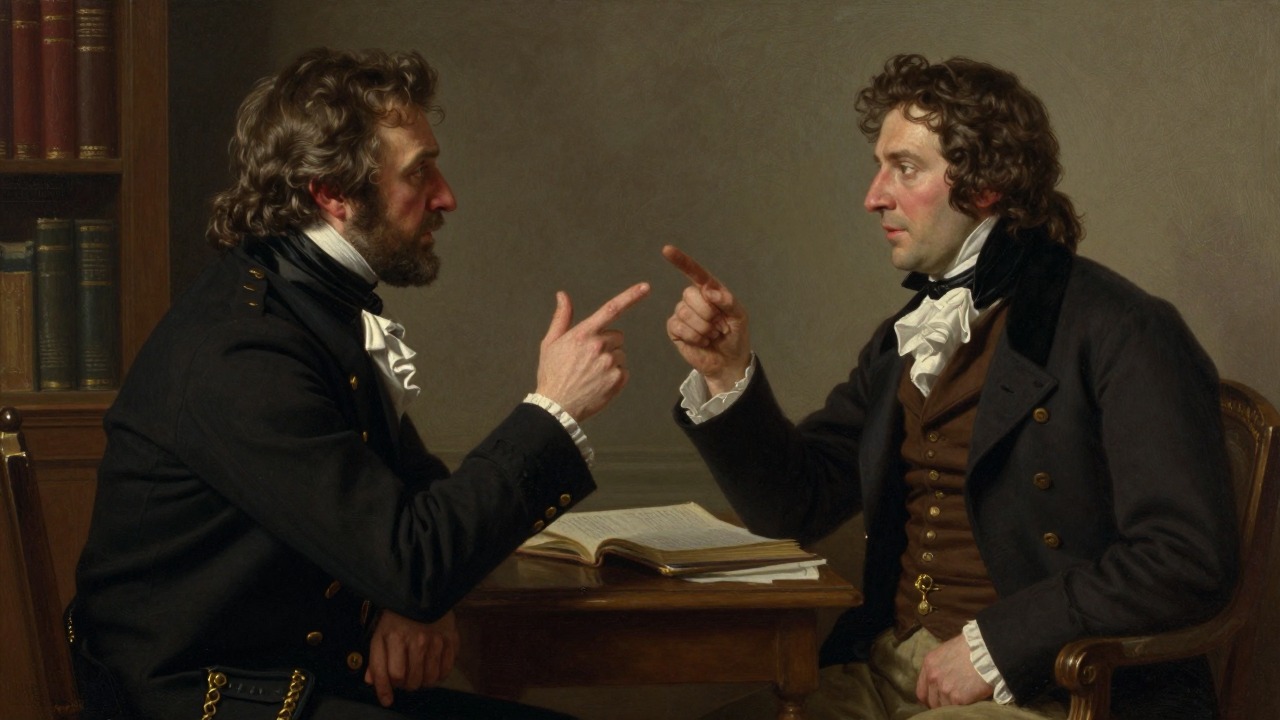
The Debate with Rogozhinsky
The Clash of Ideologies
Rogozhinsky argues that land ownership is natural and necessary. Nekhludoff counters that it is theft. The debate reflects the larger social conflict between the landed gentry and the reformers.
The Personal Stakes
Rogozhinsky's own fortune is tied to land, so he is defending his interests. Nekhludoff, by giving up his land, is acting against his own class. The conflict is both ideological and personal.
The Unresolved Question
The debate ends without resolution, but Nekhludoff's position is clear. The novel suggests that land reform is essential for social justice, but it will require a fundamental change in human consciousness.
Nekhludoff's youth
Summer 188-
In Moscow, before the journey
