
The Hypocrisy of Religion
ResurrectionCritiques the established church's complicity with the state, contrasting empty ritual with the true teachings of Christ.
increasing Bearing strength in each event
 decreasing
Bearing strength in each eventdecreasingThe Prison Mass
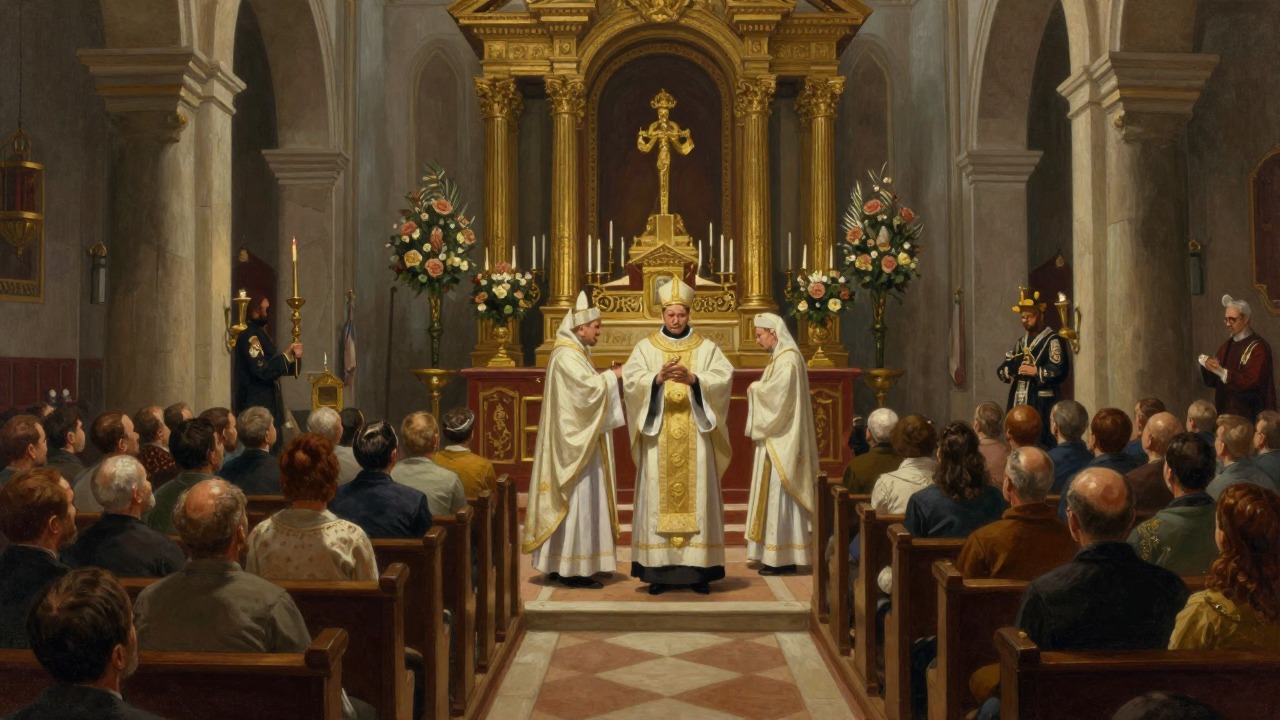
The Prison Mass
The Elaborate Service
The prison church is lavishly decorated, and the service is conducted with great pomp. The priest and deacon perform the rituals mechanically, focusing on the Emperor and the state.
The Empty Rituals
The congregation of prisoners is forced to attend. They bow and cross themselves, but most are indifferent or bored. The ceremony has no connection to their real lives.
The Mockery of Christ
Nekhludoff observes that the service is a blasphemy. Christ preached forgiveness and love, but the prison is a place of punishment and hatred. The church is an instrument of the state, not of God.
The Kiesewetter Sermon
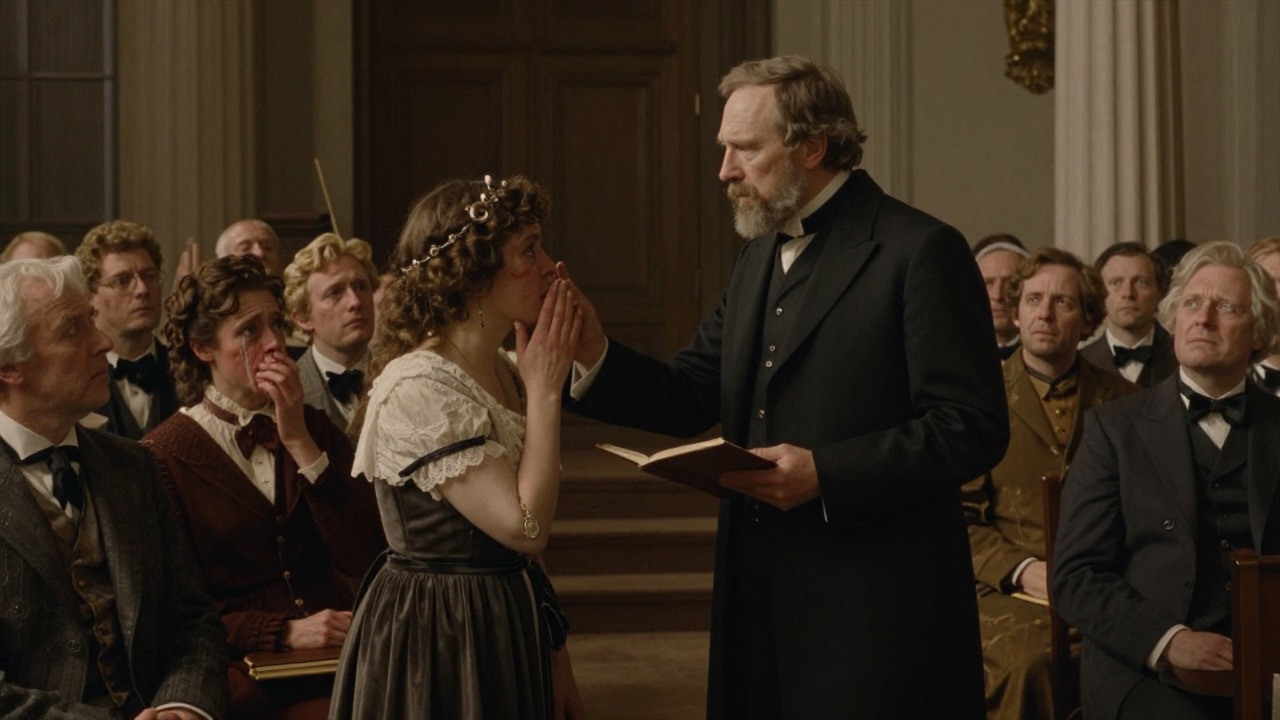
The Kiesewetter Sermon
The Evangelical Meeting
Countess Tcharsky hosts a sermon by the foreign preacher Kiesewetter. He speaks of sin and redemption, but his message is sentimental and theatrical.
The Emotional Manipulation
The audience is moved to tears, but Nekhludoff is disgusted. He sees the sermon as a form of emotional indulgence that does not lead to real change.
The Disconnect
The wealthy listeners weep over their sins but do nothing to help the poor and suffering. Their religion is a comfortable illusion. Nekhludoff leaves the meeting, feeling that he has nothing in common with these people.
The Old Man's Defiance
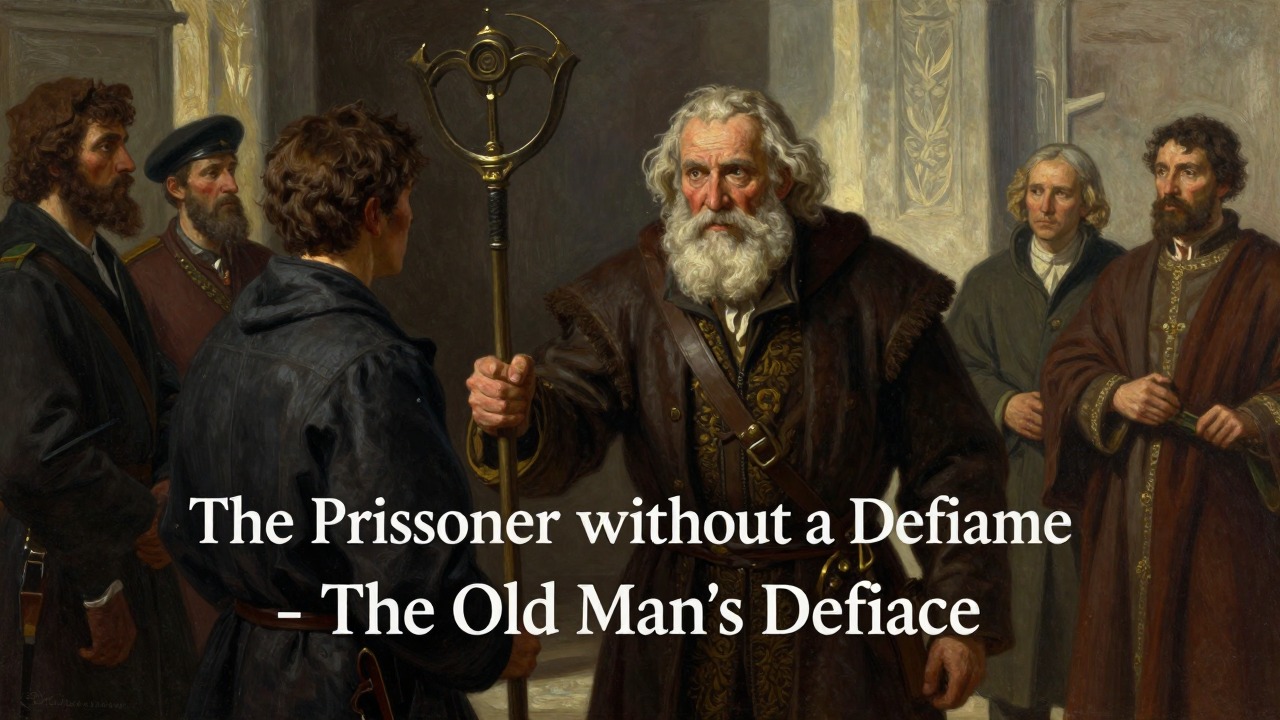
The Old Man's Defiance
The Prisoner Without a Name
An old tramp, who calls himself a man with no name, refuses to obey the authorities. He proclaims that he recognizes no Tsar but God. He is considered mad.
The True Christianity
The old man's faith is a direct challenge to the state church. He rejects all institutions and follows only the inner voice. His simplicity and courage impress Nekhludoff.
The Contrast
Unlike the official church, which blesses the government's violence, the old man represents a pure, anarchic Christianity. His presence in the novel underscores the theme that true religion is a matter of the heart, not of ritual.
Sunday morning in prison
Evening in Petersburg
In the Siberian prison
