
The Prison System and Its Victims
ResurrectionExplores the brutal conditions of the Russian prison system and the suffering of inmates, both criminal and political.
increasing Bearing strength in each event
 decreasing
Bearing strength in each eventdecreasingInside the Women's Cell
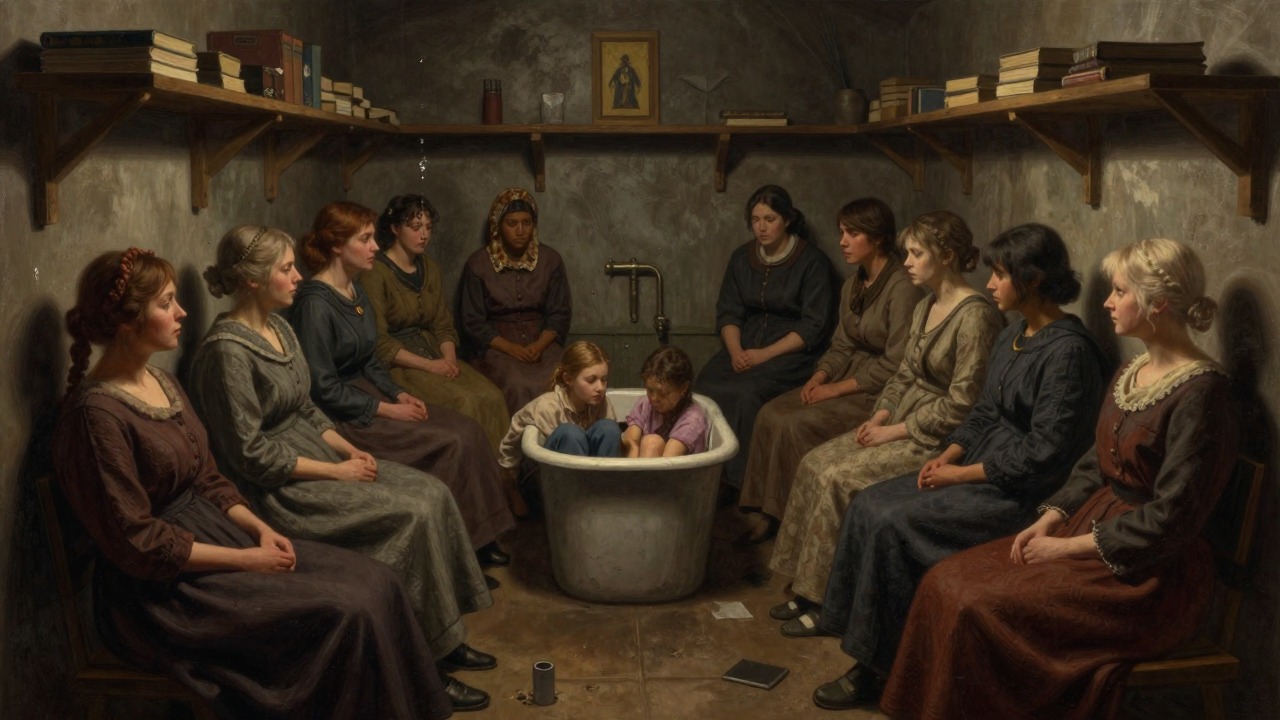
Inside the Women's Cell
The Overcrowded Room
The women's cell is a cramped, foul-smelling space with 15 prisoners, including children. The description of the cell—with its stinking tub, icon, and crowded shelves—sets the tone for the dehumanizing conditions. The inmates are a cross-section of society's outcasts: thieves, murderers, and the innocent.
The Hierarchy of Prisoners
Within the cell, there is a social order. Korableva, the 'aristocrat' of the cell, sells vodka and wields influence. The watchman's wife, the deacon's daughter, and others each have their stories. Maslova, as a newcomer, is both pitied and resented.
The Fight and the Lullaby
A violent quarrel erupts between the red-haired woman and Korableva, revealing the raw tensions of prison life. Later, the red-haired woman cries like a child, and Maslova feels pity despite her own pain. The cell is a microcosm of the brutality and strange solidarity of the penal world.
The Flogging of Vasiliev
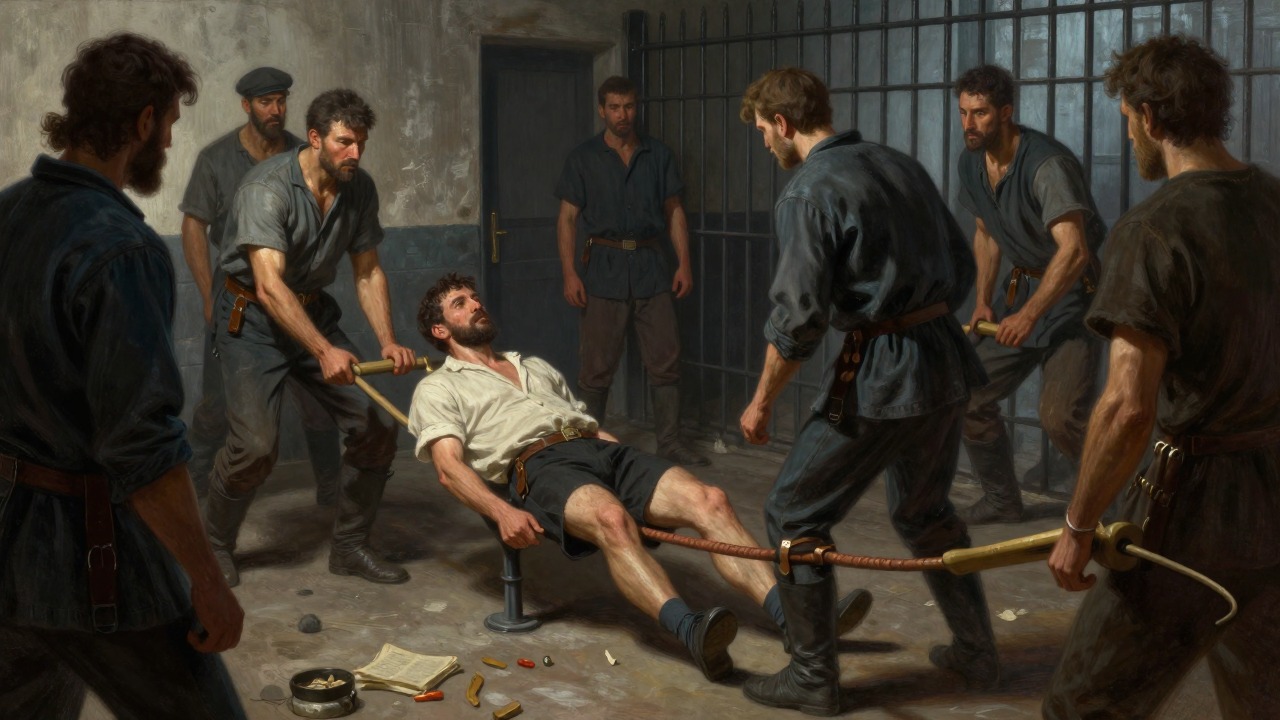
The Flogging of Vasiliev
The Cause of Rebellion
Vasiliev, a prisoner with some education, protests against a jailer's brutality. He is put in solitary confinement and then sentenced to be flogged. The story spreads through the prison, stirring anger and fear. The prisoners understand that the flogging is a tool of control, not justice.
The Execution of Punishment
The flogging takes place in the women's visiting room. The reader learns of it through the conversations of the prisoners, who describe the sound of the birch rods and the stoicism of the victim. The brutality is normalized by the authorities, but it leaves a mark on everyone who witnesses it.
The Aftermath
After the flogging, the prison is tense. The inspector, looking pale and shaken, admits to Nekhludoff that his duties are heavy. The incident highlights the cruelty inherent in the system and the impossibility of reform within it.
The Death of a Convict on the March
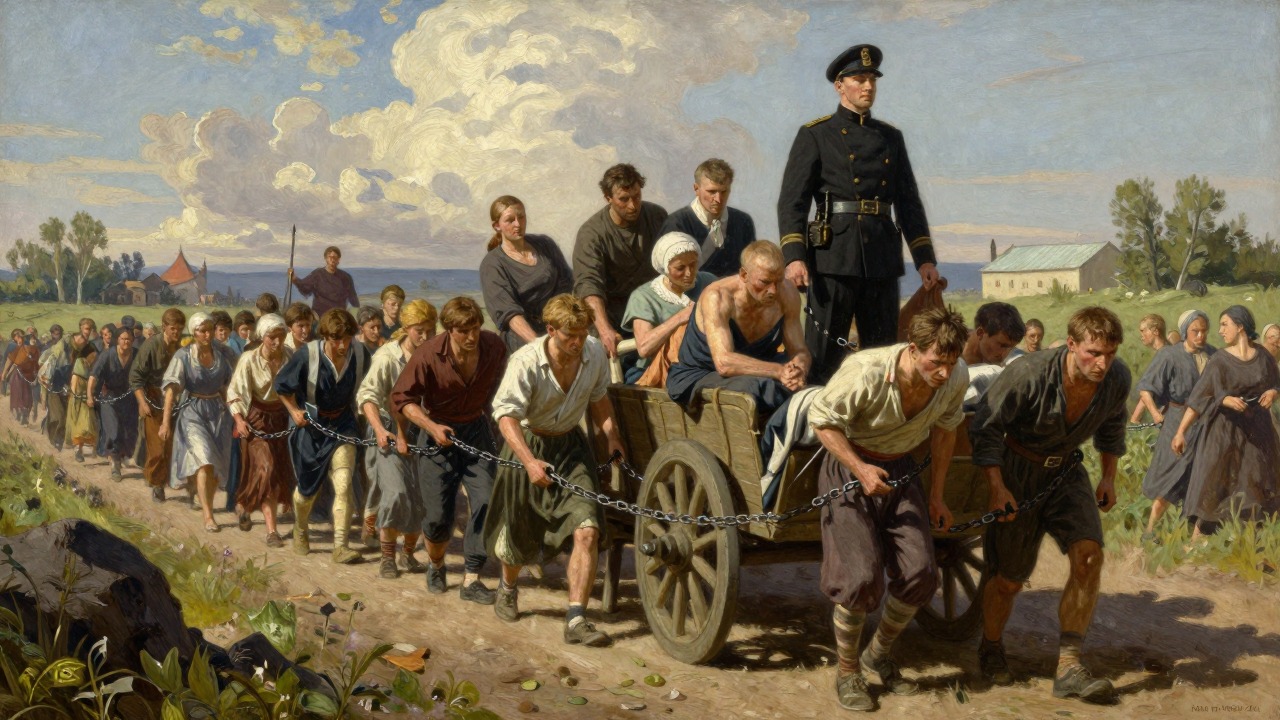
The Death of a Convict on the March
The March Begins
A gang of 623 men and 64 women sets out from Moscow in the blistering heat. The prisoners are counted, chained, and forced to march. The weak and sick are piled onto carts. The convoy officer is indifferent to their suffering, focused only on the numbers.
The First Victim
Nekhludoff, following the gang, witnesses a convict collapse and die of sunstroke. The body is left by the roadside, and the authorities are more concerned with paperwork than with the lost life. Another convict dies soon after, and then another. The casual cruelty of the system is laid bare.
The Inhumanity of Bureaucracy
No one is held responsible for these deaths. The officials blame the heat, the prisoners blame the officials. Nekhludoff realizes that the system dehumanizes both the keepers and the kept. The dead are forgotten, and the march continues, a river of suffering flowing toward Siberia.
The Political Prisoners' Quarters
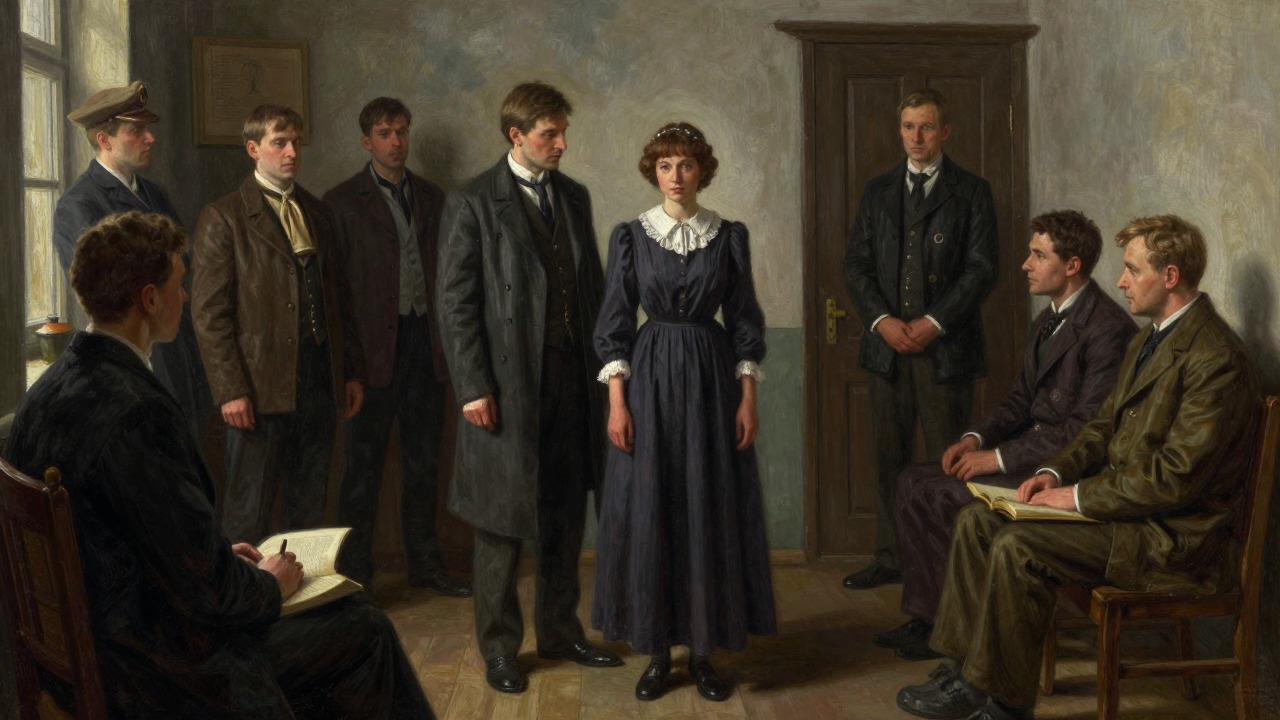
The Political Prisoners' Quarters
A Different World
Maslova is transferred to the group of political prisoners, where conditions are better and the inmates are more educated. Here she meets Mary Pavlovna, Simonson, Kryltzoff, and others. The contrast with the criminal prisoners is stark: the politicals maintain their dignity, read books, and discuss ideas.
The Revolutionary Spirit
The political prisoners are a diverse group: some are idealists, some are terrorists, some are ordinary people caught up in the movement. Their conversations reveal the deep divisions within the revolutionary movement—between those who advocate violence and those who believe in peaceful propaganda.
The Island of Hope
For Maslova, this group offers a refuge from the sexual harassment she suffered among the criminals. She finds in Mary Pavlovna a model of selfless service, and in Simonson a man who loves her without demanding anything. The political prisoners become her new family, giving her a sense of purpose and belonging.
First night after the trial
Several days after the trial
Hot summer day, July 188-
During the journey, autumn
