
The Land Reform and the Peasants
ResurrectionFollows Nekhludoff's attempt to give his land to the peasants, encountering suspicion, poverty, and the deep-rooted injustices of the rural economy.
increasing Bearing strength in each event
 decreasing
Bearing strength in each eventdecreasingAt Kousminski Estate
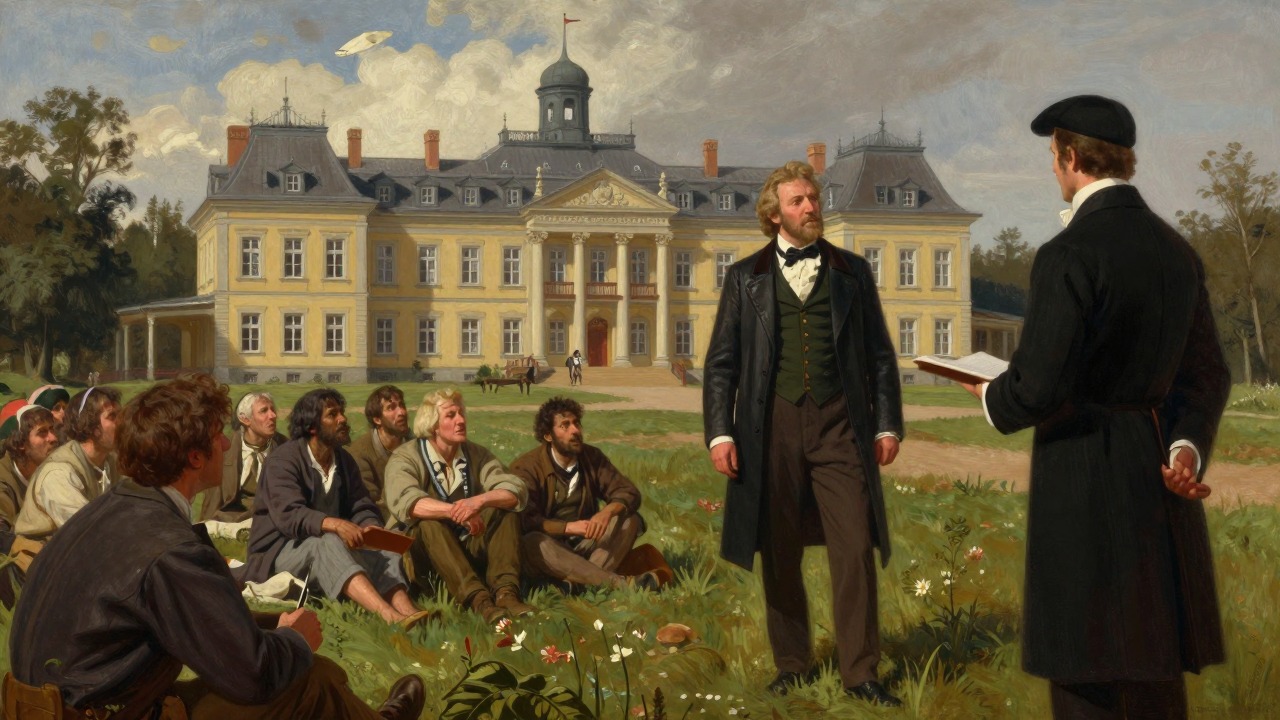
At Kousminski Estate
The Decision to Give Up Land
Nekhludoff arrives at his largest estate, Kousminski, with the intention of giving the land to the peasants. He is influenced by the ideas of Henry George and his own moral awakening. The steward, a German, tries to dissuade him, arguing that the peasants will waste the land.
The Meeting with the Peasants
Nekhludoff calls a meeting of the peasants and proposes to let the land to them at a low rent, the money to be used for communal purposes. The peasants are suspicious and uncomprehending. They have been exploited for so long that they cannot believe the landlord's intentions are honest.
The Bargaining
The peasants haggle over the price, and the meeting is marked by mutual distrust. Nekhludoff feels frustrated and ashamed. He realizes that his gesture, though well-meaning, cannot undo centuries of oppression. The system is too deeply entrenched.
At Panovo Estate
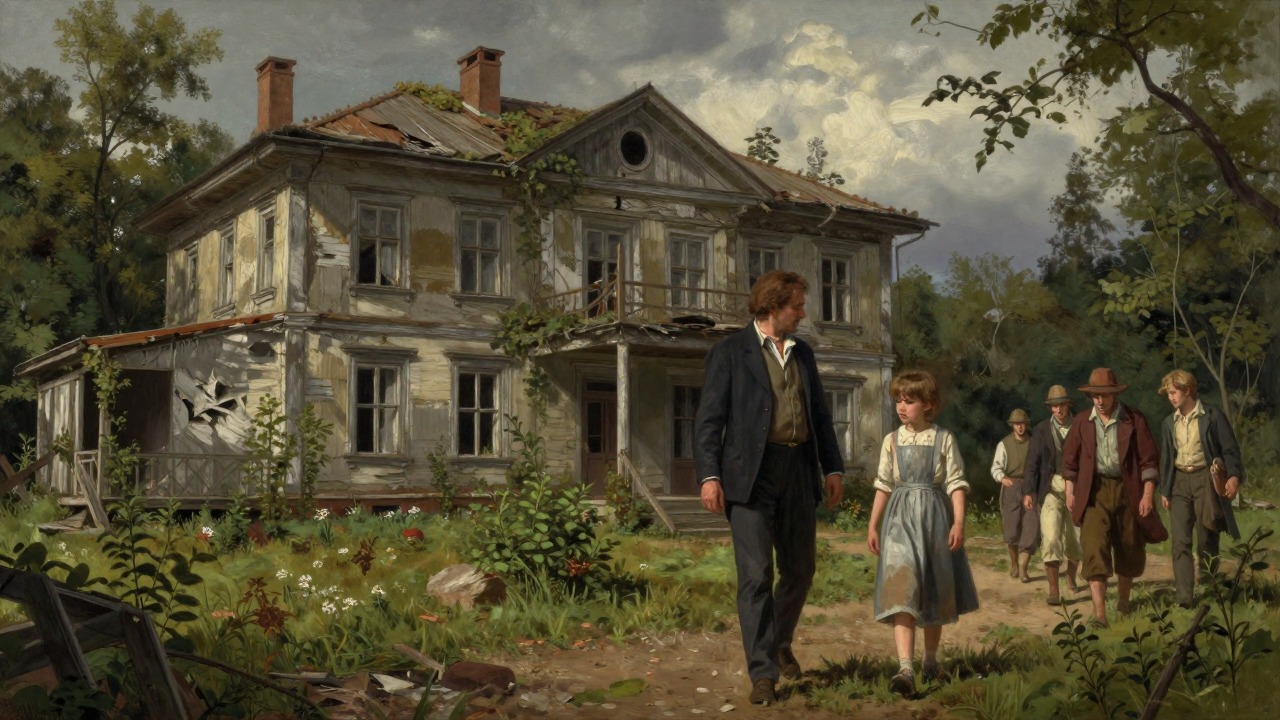
At Panovo Estate
The Decay of the Old House
Nekhludoff visits Panovo, the estate where he first met Katusha. The house is dilapidated, the garden overgrown. The memories of his innocent youth contrast painfully with the present. He feels a deep melancholy.
The Poverty of the Peasants
He walks through the village and sees the extreme poverty of the peasants. He meets a woman whose husband is in prison for cutting down trees on his (Nekhludoff's) own forest. He sees starving children, overworked women, and the general hopelessness of rural life.
The Failure of the Land Offer
Nekhludoff again proposes to give the land to the peasants, but they are even more suspicious than those at Kousminski. They refuse his offer, fearing a trick. The old men argue that the landlord is trying to avoid taxes. Nekhludoff is disheartened but does not give up. He decides to proceed anyway, trusting that time will prove his sincerity.
The Discussion with the Foreman
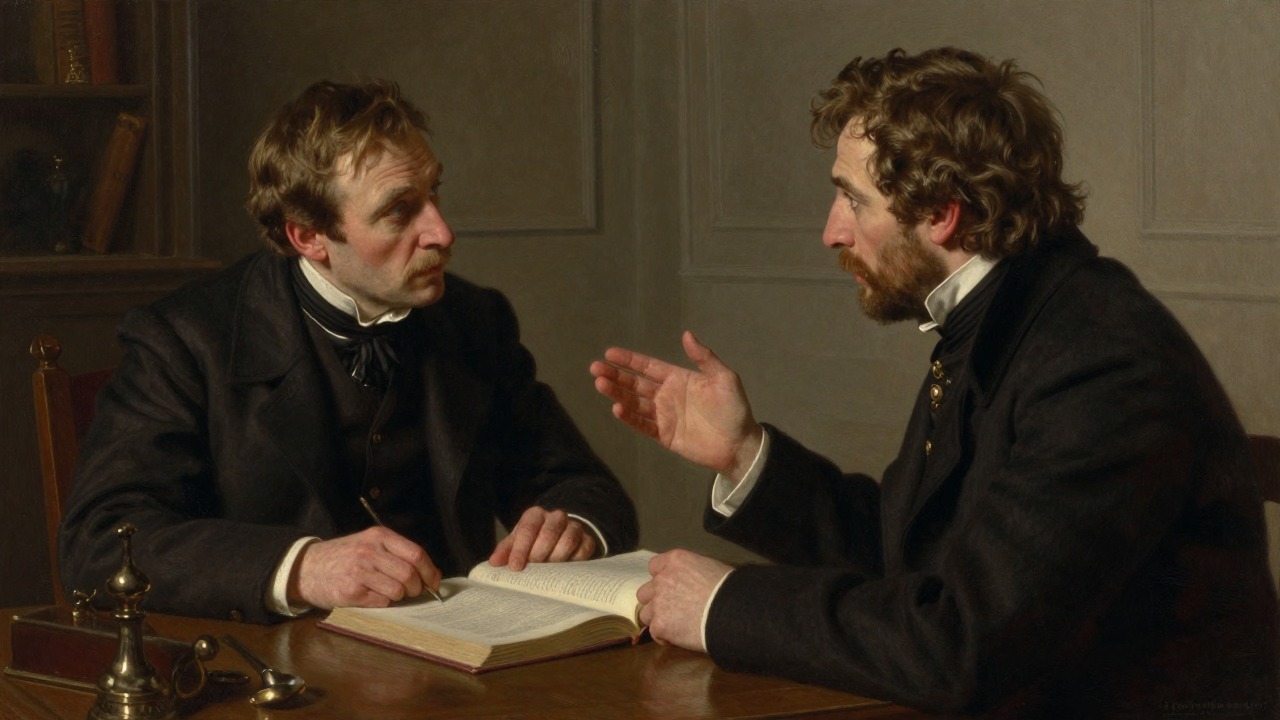
The Discussion with the Foreman
The Foreman's Worldview
The foreman, a former seminarian, cannot understand Nekhludoff's motives. He believes that everyone looks out for his own interest. When Nekhludoff explains that he wants to give up the land, the foreman thinks he is mad. He tries to find a way to profit from the scheme, but cannot.
The Conflict of Worldviews
Nekhludoff tries to explain the principles of Henry George, but the foreman only sees a loss of income. The conversation reveals the chasm between the idealistic landlord and the practical, self-interested peasant. Nekhludoff realizes that true change requires a transformation of consciousness, not just a transfer of property.
The Sunset and the Mosquitoes
After the fruitless discussion, Nekhludoff sits alone in the garden, watching the sunset. The beauty of the night contrasts with the ugliness of human greed. He feels a sense of peace, knowing that he is acting according to his conscience, regardless of the outcome.
Early summer, after the trial
Shortly after Kousminski
Same day at Panovo
