
Kichijiro's Cycle of Betrayal and Confession
Silence (Library Edition)The repeated pattern of Kichijiro's betrayal of Christians and his subsequent seeking of confession and absolution.
increasing Bearing strength in each event
 decreasing
Bearing strength in each eventdecreasingFirst Betrayal in Macao
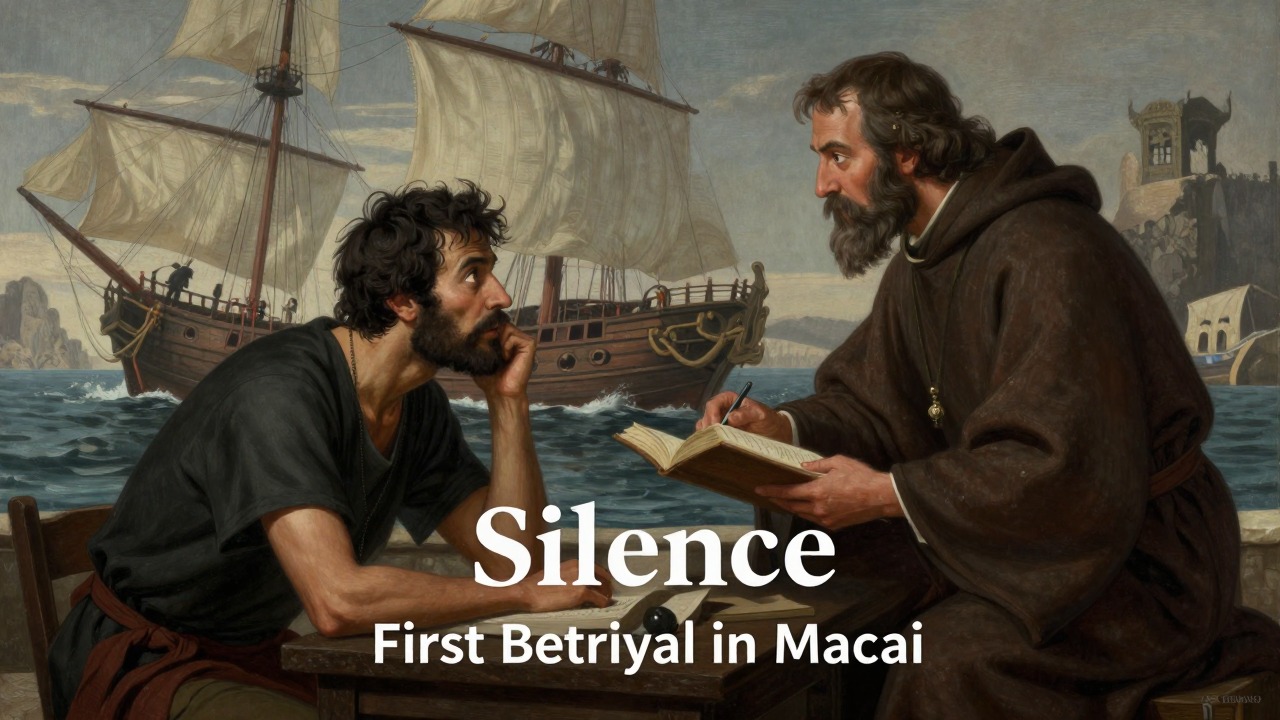
First Betrayal in Macao
Background
Kichijiro was a fisherman from Hizen who had been picked up by a Portuguese ship. He was a Christian but had apostatized years ago when his family was martyred. He was a drunkard and coward.
Meeting the Priests
Rodrigues and Garrpe met him in Macao and hired him as a guide. He was servile and cunning. They suspected he had betrayed his family.
Significance
Kichijiro's first appearance establishes his character as the weakling who betrays. He becomes a foil to the strong martyrs.
Betrayal of Mokichi and Ichizo
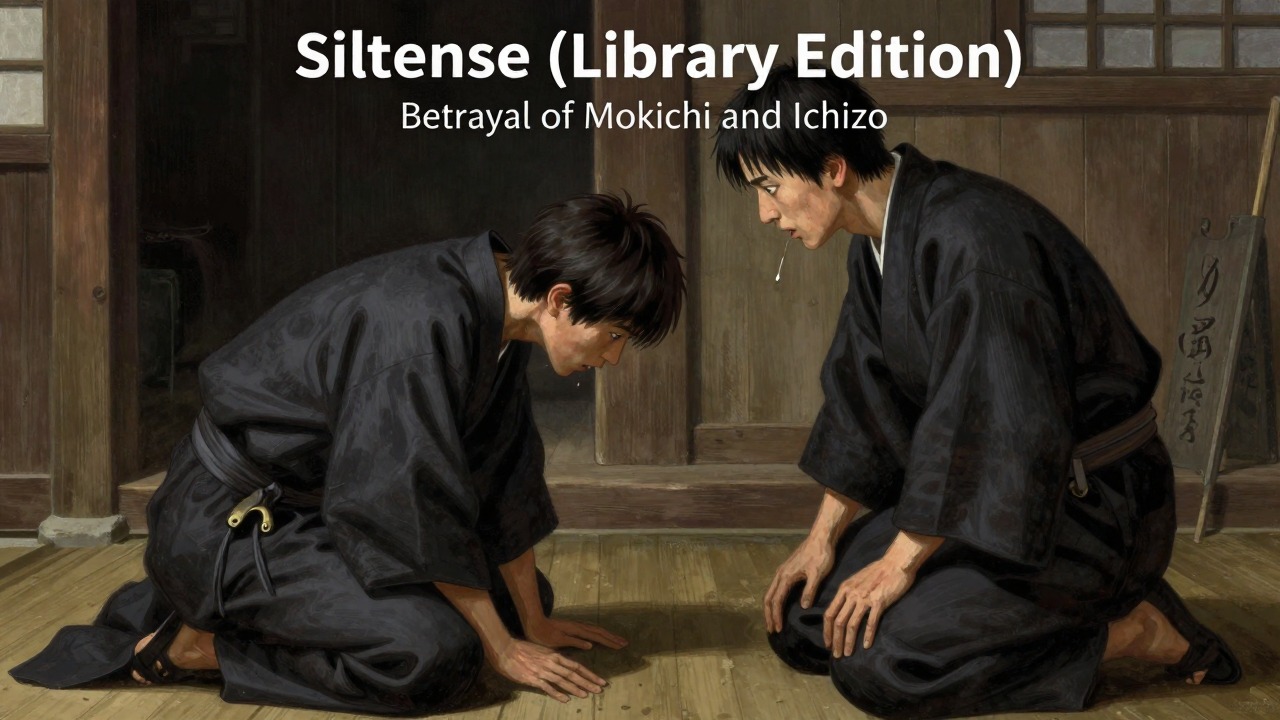
Betrayal of Mokichi and Ichizo
The Fumie Test
Kichijiro was sent to Nagasaki as a hostage. At the interrogation, he was the first to trample on the fumie and spit on the Virgin. Mokichi and Ichizo refused and were imprisoned.
Aftermath
Kichijiro was released and disappeared. He felt shame but continued to drink. He later returned to Tomogi but was shunned.
Significance
This betrayal directly led to the water punishment of the two men. Kichijiro's weakness contrasts with their strength. It deepens his guilt.
Betrayal of Rodrigues
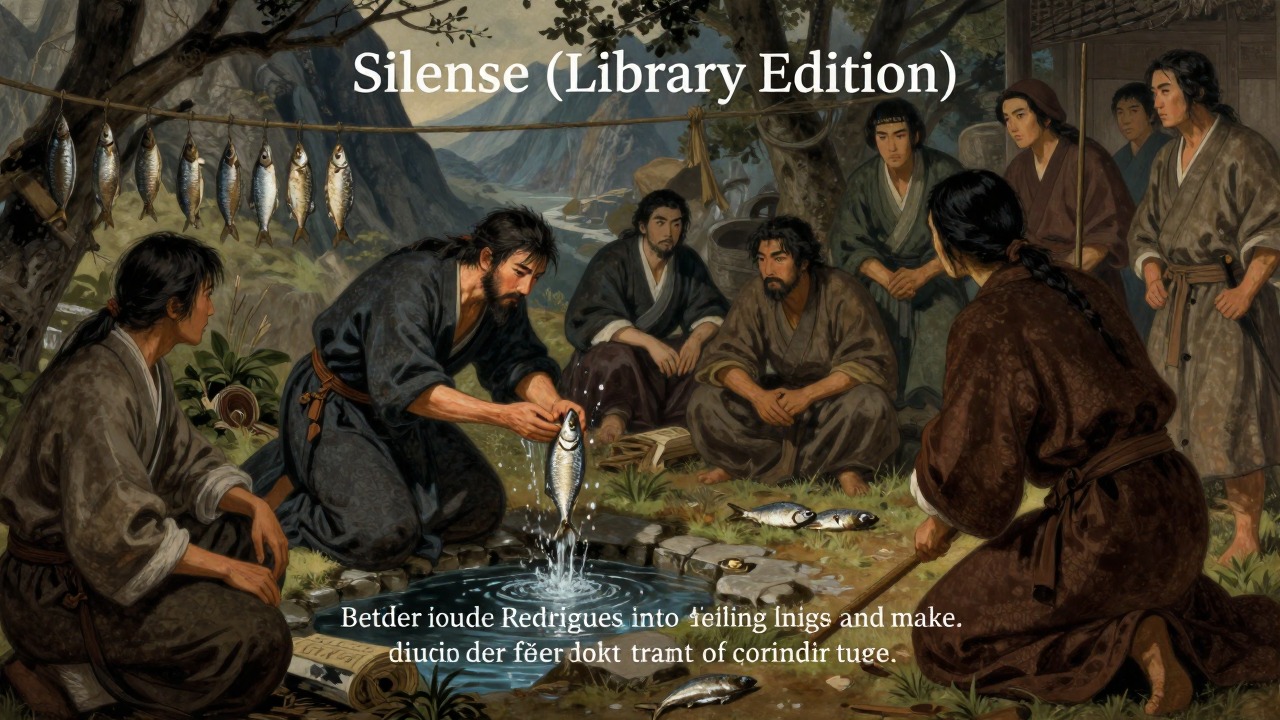
Betrayal of Rodrigues
Leading Rodrigues into a Trap
Kichijiro guided Rodrigues through the mountains, giving him dried fish to make him thirsty. He then went to fetch water but returned with the officials. He betrayed Rodrigues for three hundred pieces of silver.
Remorse and Confession
Later, Kichijiro followed Rodrigues to prison, begging for confession. He wept and said he was weak. Rodrigues absolved him but felt disgust.
Significance
Final Confession and Arrest

Final Confession and Arrest
Seeking Absolution
Kichijiro followed Rodrigues to Edo and served as his attendant. He was caught with a Christian image and arrested. He continued to confess his sins to Rodrigues.
Imprisonment and Death
Kichijiro was tortured and eventually died. His faith remained weak, but he kept seeking reconciliation.
Significance
Kichijiro's story is one of persistent weakness and persistent grace. He represents the many who are not heroes but still cling to faith.
Before leaving Macao, 1638
During the interrogation at Nagasaki, June 1638
After the Goto journey, 1638
Years later, in Edo, 1670s
