
Jekyll's Transformation Experiments
Strange Case of Dr Jekyll and Mr HydeThe scientific journey of Henry Jekyll as he discovers and refines the drug that separates his dual nature, leading to catastrophic consequences.
increasing Bearing strength in each event
 decreasing
Bearing strength in each eventdecreasingThe Birth of an Idea
The Birth of an Idea
A Dual Nature Observed
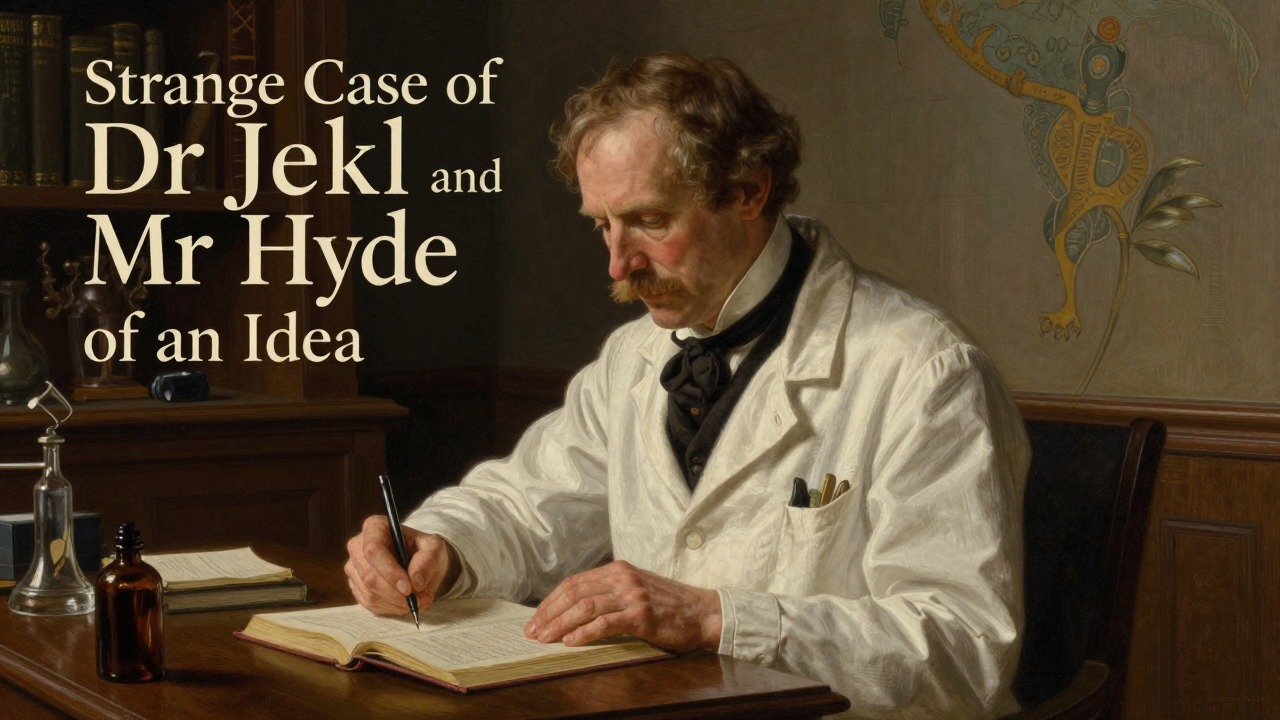
Henry Jekyll, a wealthy and respected doctor, has long been aware of a profound duplicity within himself. He conceals his pleasures and maintains a grave public face, but feels the constant war between his good and evil impulses. His scientific studies, focused on the mystical and transcendental, shed light on this internal conflict.
The Theory of Separation
Jekyll becomes convinced that man is not truly one but two. He dreams of separating these elements, allowing the unjust to go his way without remorse, and the just to walk securely. This beloved daydream drives his research.
The First Steps
He begins to perceive the immateriality of the body, believing that certain agents can shake the fleshly vestment. He compounds a drug, but hesitates to test it, knowing the risk of death. The temptation of a profound discovery overcomes his fear.
The First Transformation
The First Transformation
The Draught Is Swallowed
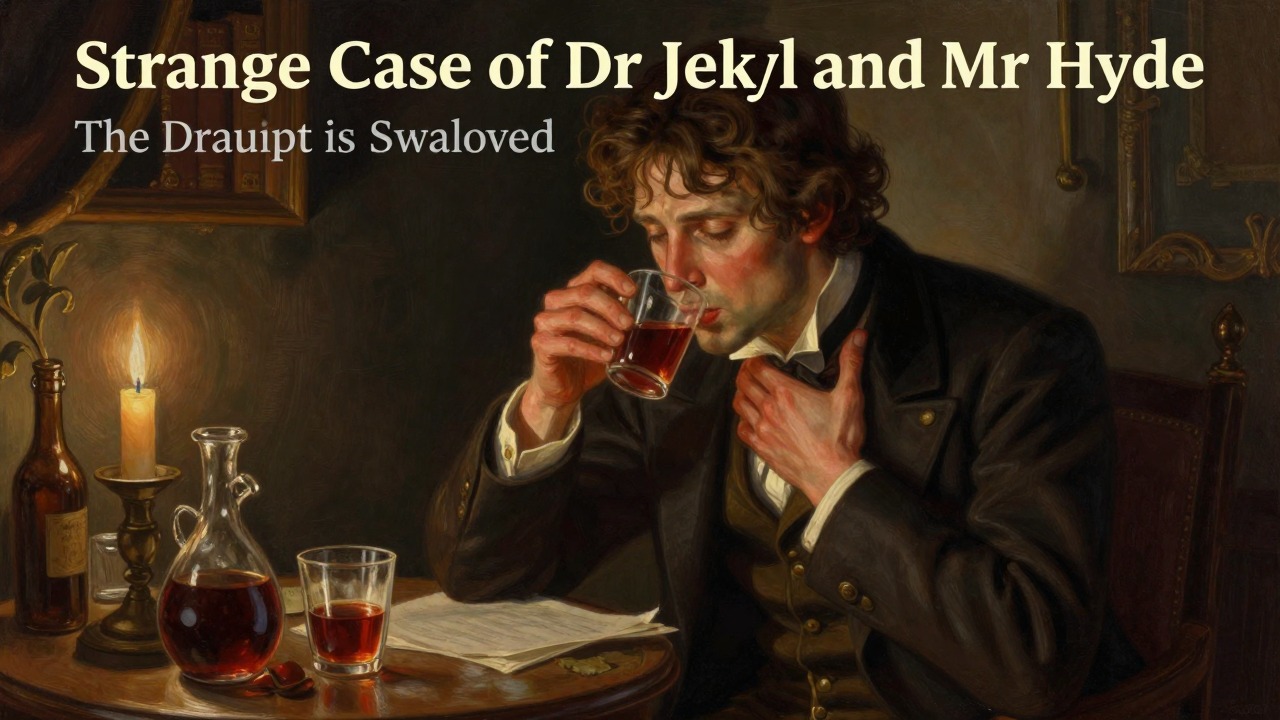
Late one accursed night, Jekyll finally compounds the elements and drinks the potion. He experiences racking pains, a grinding in the bones, and deadly nausea, followed by a sense of indescribable sweetness. He feels younger, lighter, and more wicked.
The Birth of Hyde
Looking at his hands, he sees they have become smaller, leaner, and hairy. He rushes to a mirror and beholds the face of Edward Hyde—smaller, slighter, and younger than himself. This is his evil side, now given a separate form.
A Leap of Welcome
Despite the ugliness, Jekyll feels a leap of welcome. This is also himself, more express and single than his divided countenance. He realizes that Hyde is pure evil, and feels a sense of freedom and power.
The Slippery Slope
The Slippery Slope
A Life of Debauchery
Jekyll begins to use the transformation regularly, enjoying the pleasures of Hyde's life in Soho. He furnishes a house, hires a unscrupulous housekeeper, and draws up a will that leaves everything to Hyde. He takes pleasure in the safety of his dual existence.
The Growing Monstrosity
Hyde's acts become increasingly monstrous. Jekyll is sometimes aghast but rationalizes that Hyde alone is guilty. He even tries to undo the evil done by Hyde, but his conscience slumbers. The drug's power seems to be shifting.
The First Warning Sign
One morning, Jekyll wakes up in his own bed but finds that his hand has become Hyde's. He is terrified, realizing that the transformation is becoming involuntary. He must now choose between his two natures.
The Desperate Struggle
The Desperate Struggle
A Resolve to Reform
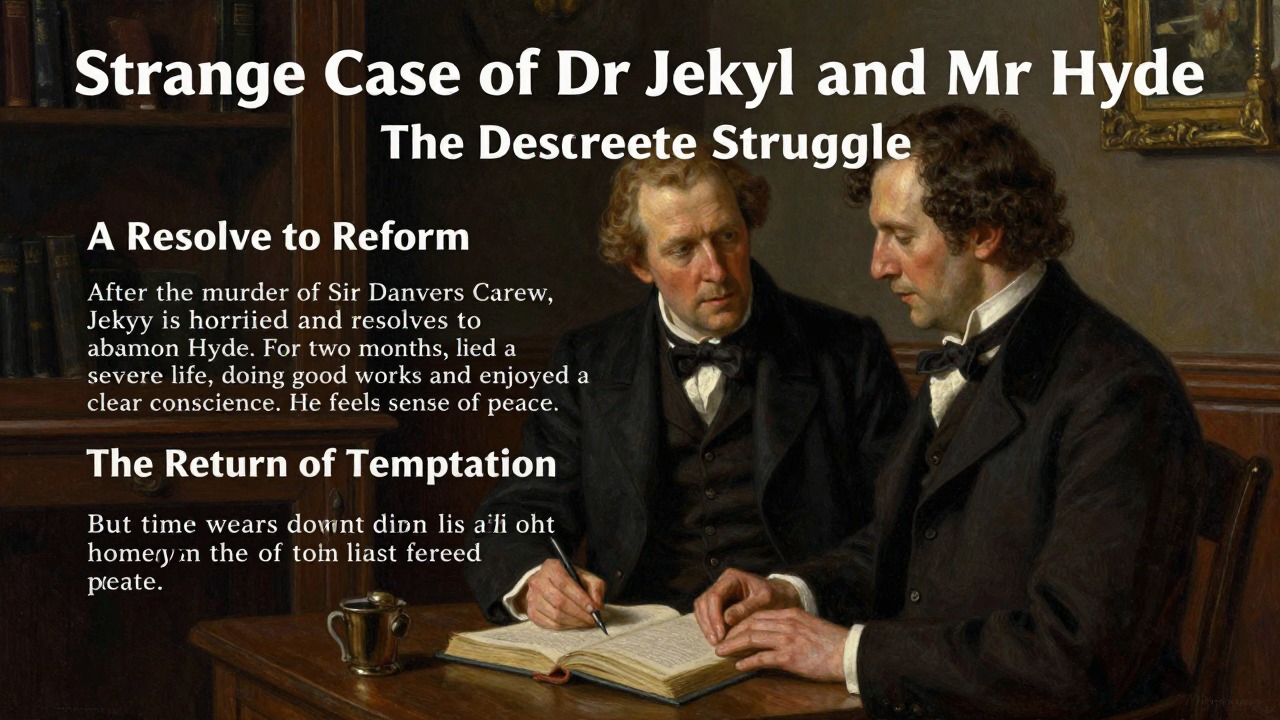
After the murder of Sir Danvers Carew, Jekyll is horrified and resolves to abandon Hyde. For two months, he leads a severe life, doing good works and enjoying a clear conscience. He feels a sense of peace.
The Return of Temptation
But time wears down his alarm. The praises of conscience become routine, and he begins to feel the longings of Hyde struggling for freedom. In an hour of moral weakness, he compounds and swallows the draught again.
The Unshackled Devil
This time, Hyde emerges with more fury. Jekyll realizes that his devil has been long caged and comes out roaring. He commits the murder of Carew with a sick child's unreason, and then experiences a torrent of remorse. He locks the door to Hyde's identity, but the damage is done.
The Final Loss of Control
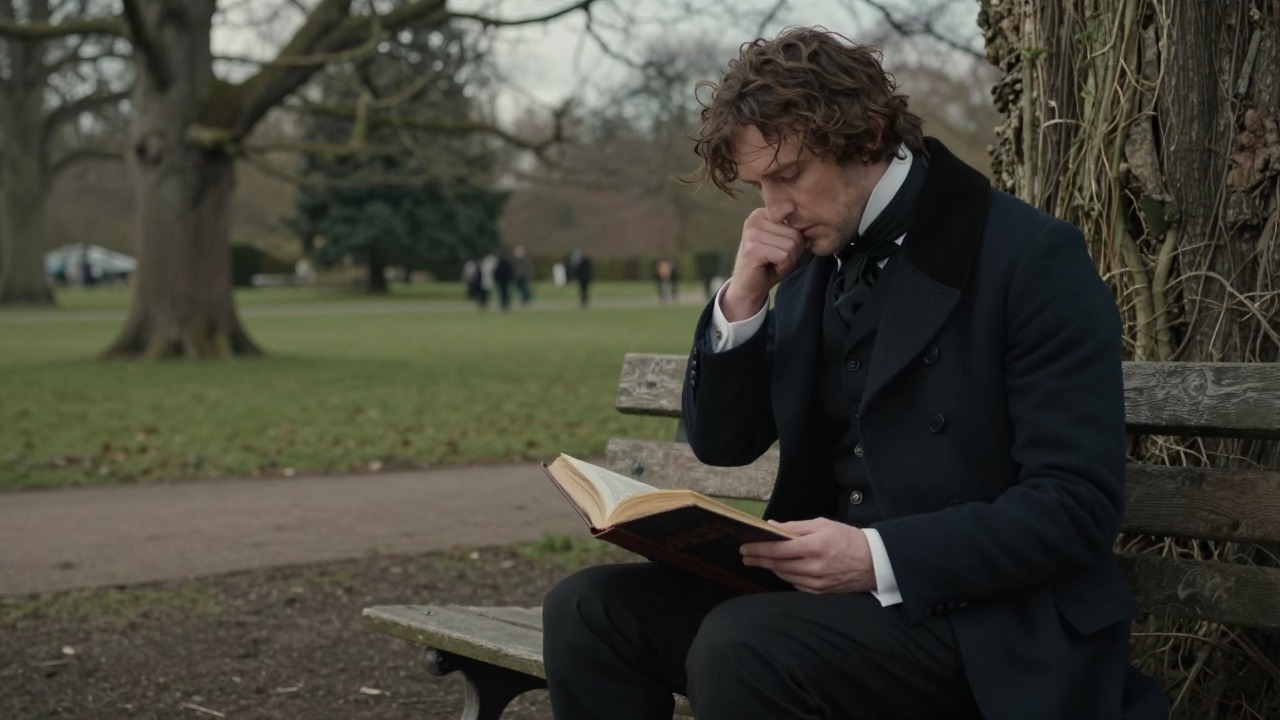
The Final Loss of Control
An Involuntary Transformation in the Park
Sitting in Regent's Park on a fine January day, Jekyll is suddenly seized with a qualm and a deadly shuddering. He feels a change in his thoughts—a boldness, a contempt of danger. He looks down to see his clothes hanging on shrunken limbs; he is once more Edward Hyde.
The Race to Reclaim His Form
Hyde, now in control, must reach the drugs in Jekyll's cabinet. He writes letters to Lanyon and Poole, and manages to execute his plan. But the transformation back to Jekyll is temporary; soon the pangs return, and he must take the drug again and again.
The Inevitable End
Jekyll becomes a creature eaten up by fever, his body and mind weakened. The powers of Hyde grow with Jekyll's sickliness. He realizes that the balance is permanently overthrown. The last of the pure salt runs out, and he knows that his next transformation will be the final one.
The Confession Written
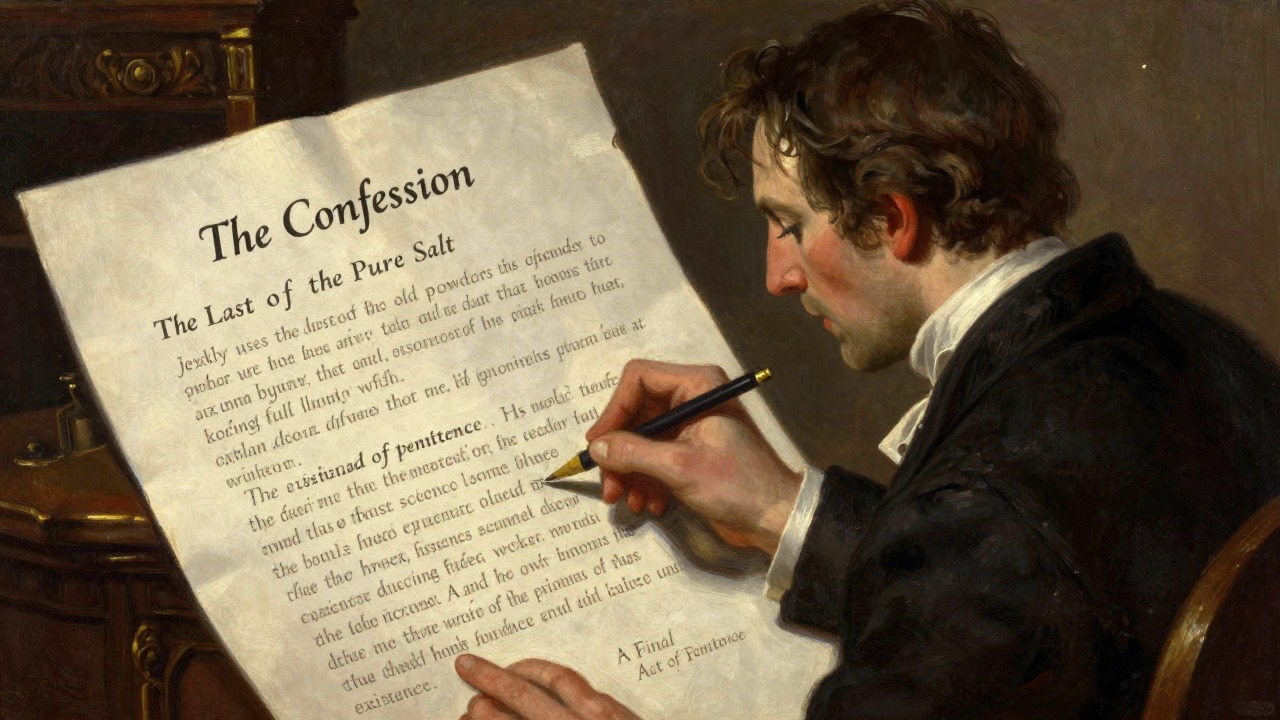
The Confession Written
The Last of the Pure Salt
Jekyll uses the last of the old powders to write his full statement. He knows that after this, he will become Hyde permanently. He describes the science, the experiments, the moral decay, and the horror of his dual existence.
A Final Act of Penitence
He writes with clarity and remorse, hoping that his narrative will explain everything to Utterson. He acknowledges that his punishment is just, and that he has brought this doom upon himself. He ends with a farewell to his own face and nature.
The End of Henry Jekyll
As he lays down the pen, he knows that Hyde will soon tear the pages if he is caught in the act, but he trusts that Hyde's selfishness will preserve the confession. The final hour is upon him, and he brings the life of unhappy Henry Jekyll to an end.
years before the main events, in Jekyll's mid-life
late one night, months before the story begins
months after the first transformation, during Jekyll's double life
after the Carew murder, during the two-month period of abstinence
January, after the two-month period
the last week of Jekyll's life, before the final transformation
