sheep
The AlchemistThe sheep are Santiago's first flock, the initial embodiment of his simple shepherd's life, and the currency he sacrifices to begin his quest for the treasure. They represent the comfortable, predictable existence he must leave behind, and their sale marks the decisive crossing of the threshold into his journey. The sheep also serve as a recurring symbol of the ordinary life that is abandoned for a Personal Legend, and their fate is ultimately mirrored in the final discovery of the treasure.
Identity and Role
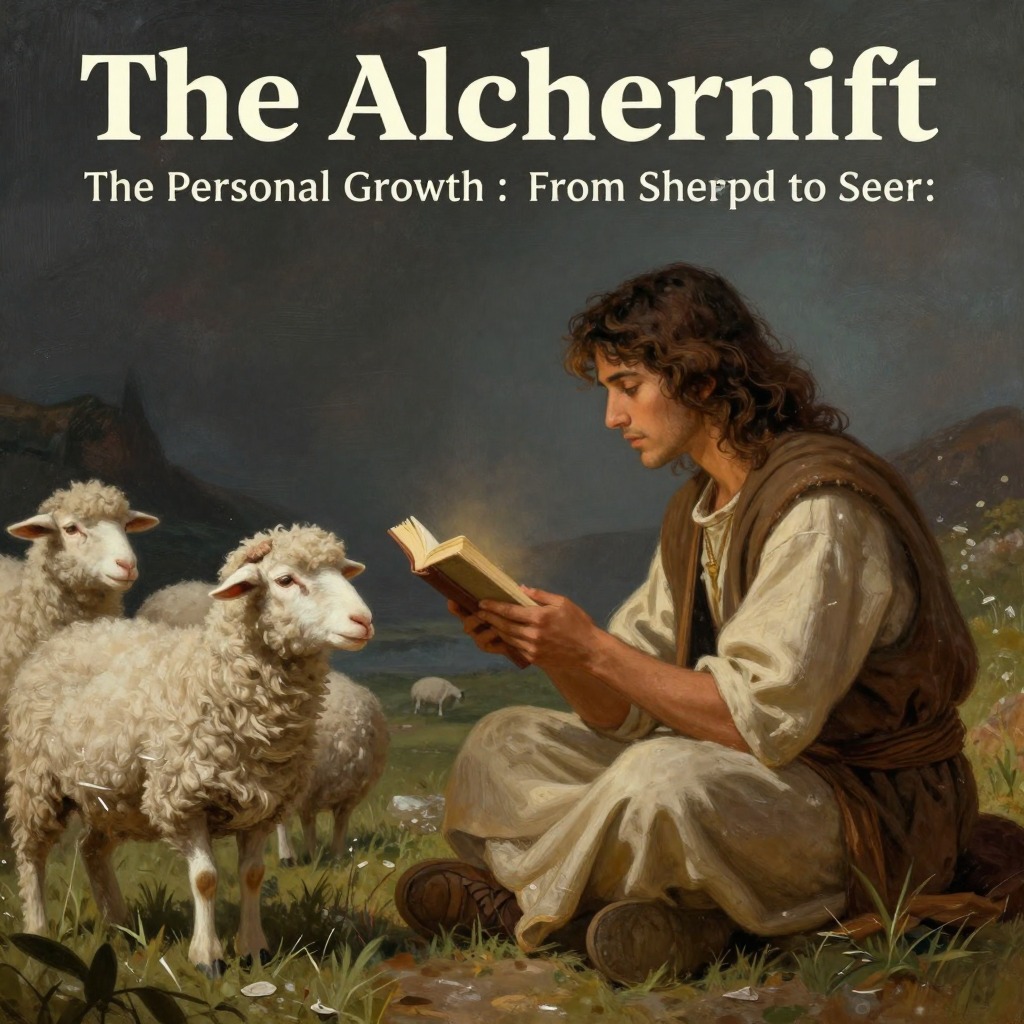
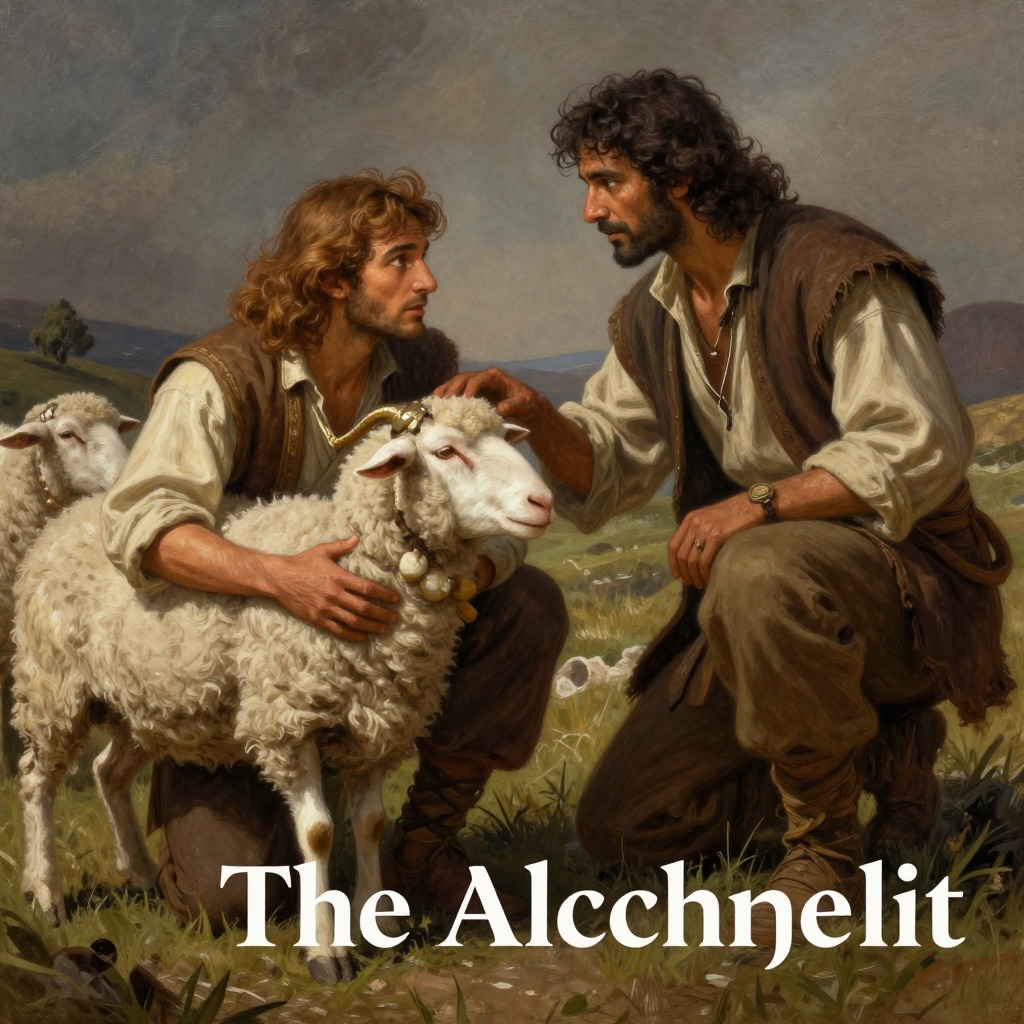
Santiago's sheep are not merely livestock; they are his companions, his teachers, and the foundation of his identity. He has spent two years with them, leading them through the countryside in search of food and water, and he knows each one by name. He believes they understand him, and he reads to them from his books, tells them of his loneliness, and confides in them about the merchant's daughter. The sheep are so attuned to his schedule that he wonders if it is he who has become accustomed to theirs. They are content with just food and water, and in exchange, they give their wool, their company, and occasionally their meat. This relationship defines Santiago's life as a shepherd, a life he chose over the seminary in order to travel.
The Sacrifice for the Quest
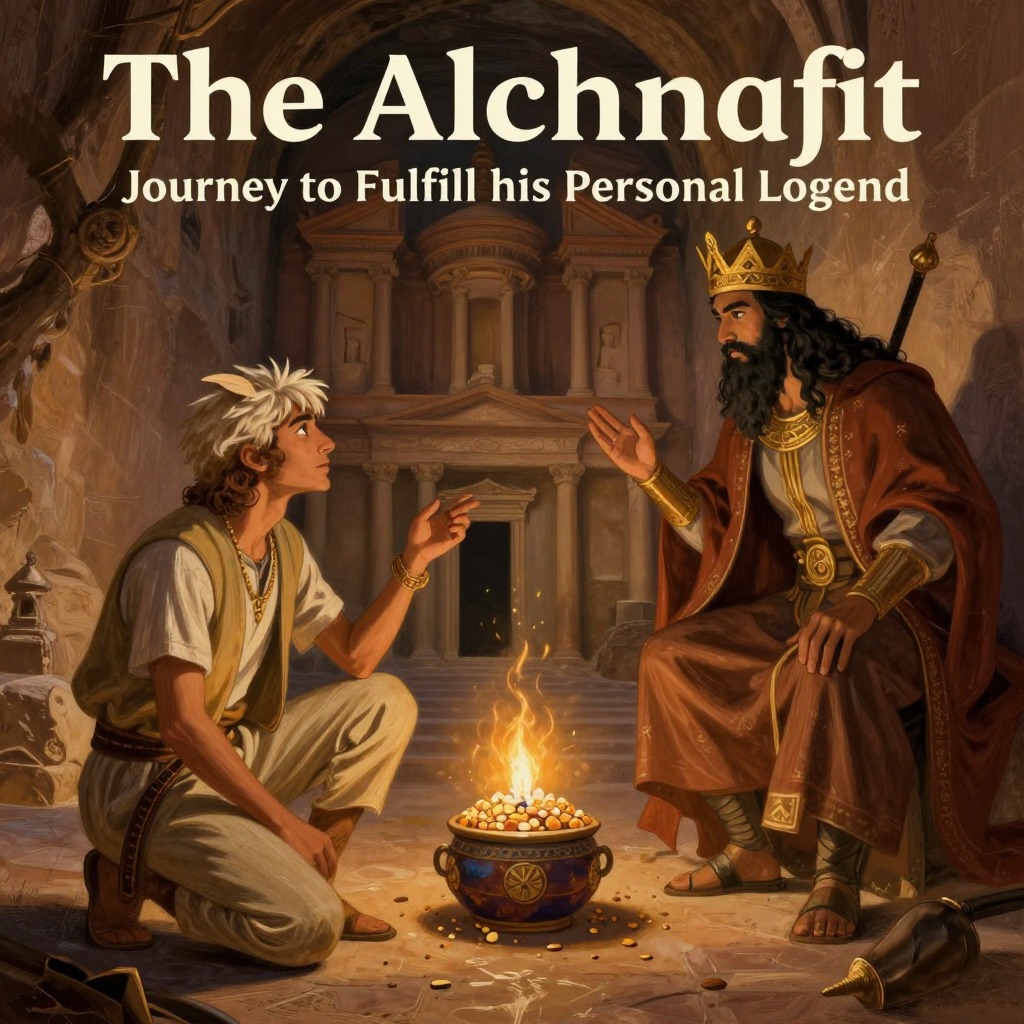
The sheep are the primary currency Santiago uses to pursue his Personal Legend. After meeting Melchizedek, the king of Salem, who tells him that "when you want something, all the universe conspires in helping you to achieve it," Santiago agrees to give the king one-tenth of his flock in exchange for the secret of the treasure. The next day, he brings six sheep to Melchizedek, who accepts them. This transaction is the material cost of Santiago's spiritual journey. The sale of the remaining sheep provides him with the money to cross the strait to Africa, a step that immediately leads to his robbery in Tangier and the beginning of his trials.
Symbol of the Ordinary Life
Throughout the novel, the sheep represent the life Santiago has left behind—a life of predictable routine, where the only concerns are food and water. The alchemist later explains that before a dream is realized, the Soul of the World tests everything learned along the way, and that most people give up at the point when they "die of thirst just when the palm trees have appeared on the horizon." The sheep are the embodiment of that comfortable, unambitious existence. When Santiago considers returning to his flock after his year of work at the crystal shop, he is tempted by the ease of a life he already understands. The sheep are a constant reminder of the path not taken, the safe choice that would have prevented him from ever seeing the Pyramids.
The Return and the Revelation
The sheep are ultimately the key to the treasure's location. After Santiago is beaten by refugees at the Pyramids, the leader of the group tells him that he, too, had a recurrent dream—of a treasure hidden at the roots of a sycamore tree growing out of the ruins of a sacristy in a church in Spain, where shepherds and their sheep slept. The leader mocks Santiago for crossing a desert for a dream, but this revelation is the final omen. Santiago realizes that the treasure was never in Egypt; it was back at the abandoned church where he began his journey, the very place where he had slept with his sheep. The sheep, therefore, are not only the price of the quest but also the signpost that leads to its completion. The treasure chest he digs up contains Spanish gold coins, precious stones, and gold masks, the spoils of a forgotten conquest, but the sheep had been the true compass all along.