
Teddy's Loyalty to His Father
The BodyTeddy's unwavering, almost pathological loyalty to his abusive father, Norman Duchamp, and how it shapes his identity.
increasing Bearing strength in each event
 decreasing
Bearing strength in each eventdecreasingThe Hero Worship
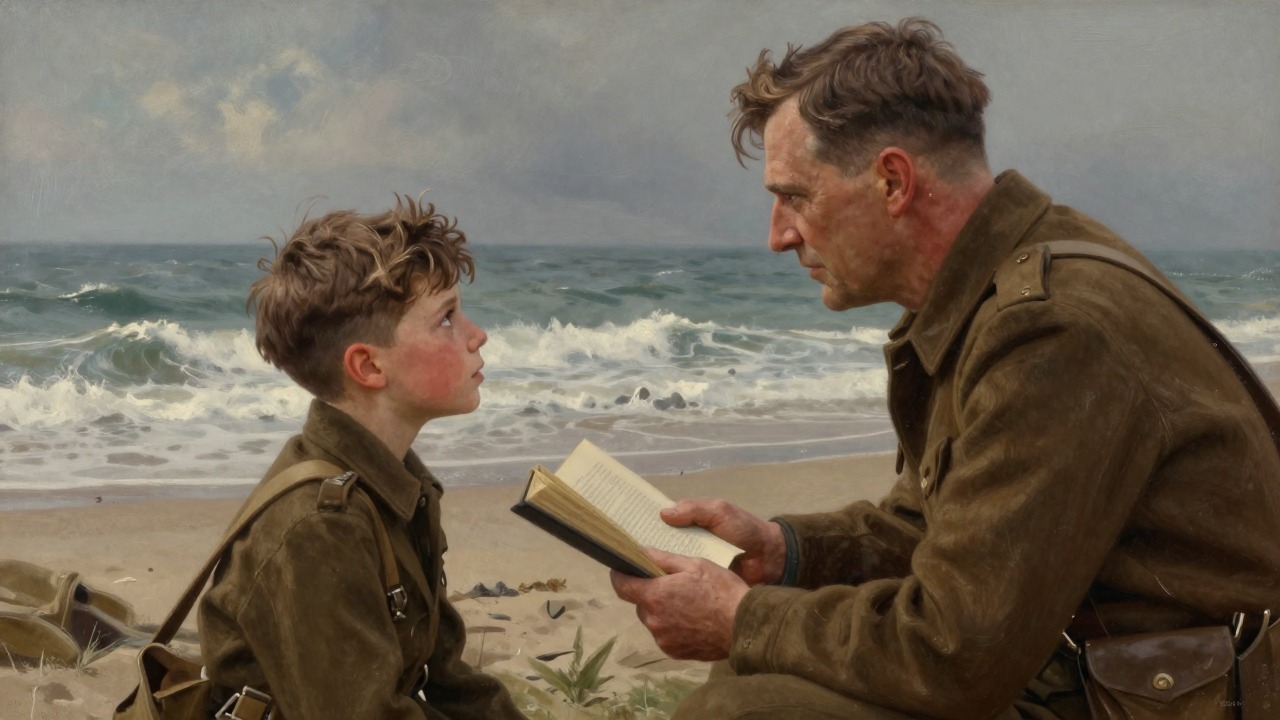
The Hero Worship
The Normandy Veteran
Teddy constantly boasts that his father 'stormed the beach at Normandy.' He sees his father as a war hero, despite the fact that Norman burned his ears and is now in a VA hospital. The image is central to Teddy's identity.
The Weekly Visits
Teddy visits his father at Togus every week with his mother. He clings to the idea that his father is a good man who was broken by war. The visits are a ritual of loyalty.
The Denial
Teddy refuses to acknowledge the abuse. When others call his father a 'loony,' he becomes violently angry. His loyalty is a defense mechanism, a way to cope with the pain of rejection.
The Defense of His Father's Honor
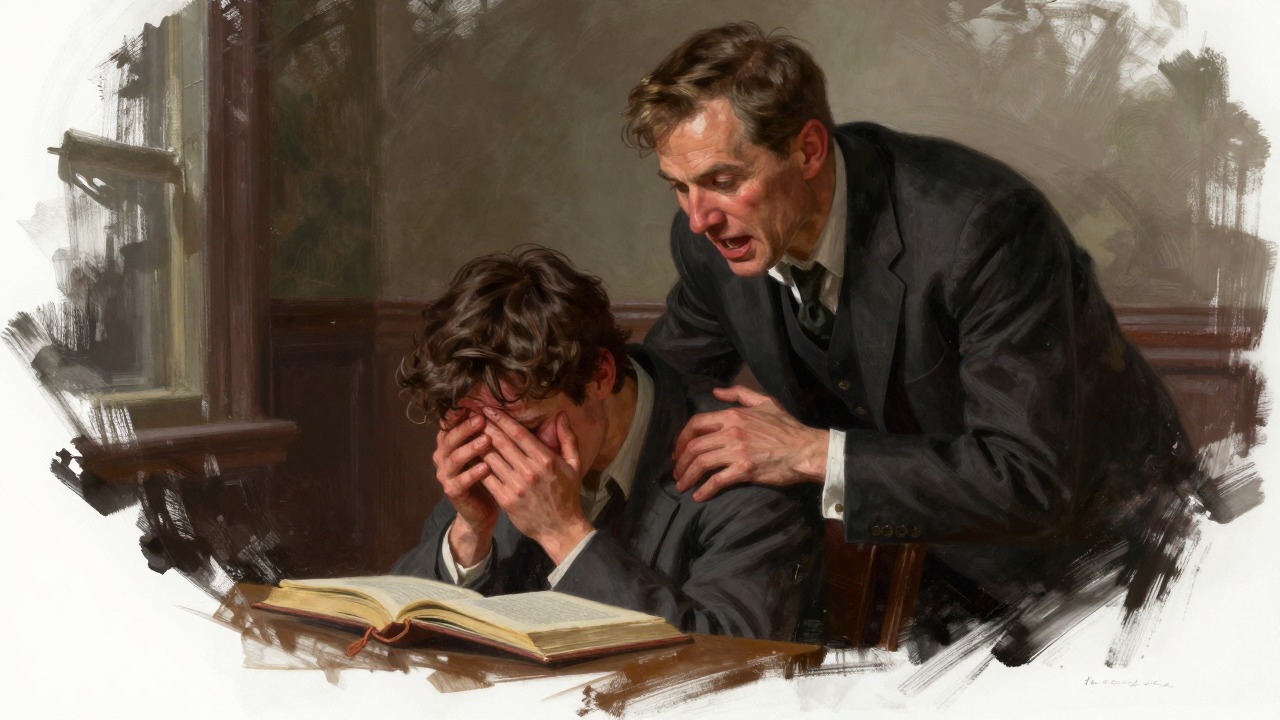
The Defense of His Father's Honor
The Insult
Milo Pressman calls Teddy's father a 'loony.' Teddy explodes, screaming and threatening to kill Milo. The insult is a direct attack on the foundation of Teddy's self-worth.
The Breakdown
After the confrontation, Teddy breaks down crying. Chris comforts him, reminding him that his father was at Normandy. The comfort works, but the wound remains.
The Cost
Teddy's loyalty to his father prevents him from moving on. He is trapped in a cycle of denial and hero worship. His father's legacy ultimately leads to his rejection from the military and his downward spiral.
Throughout childhood
Friday afternoon, at the dump
