Togus
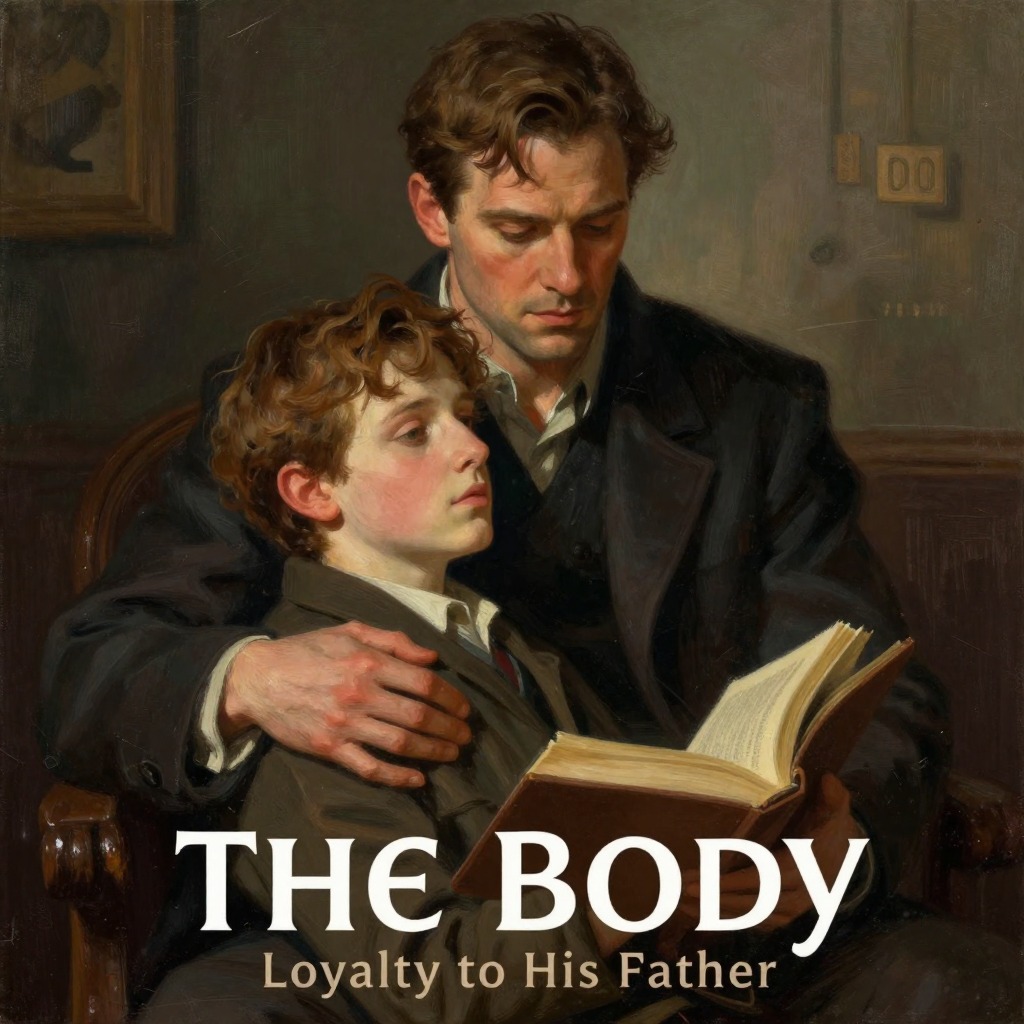
The BodyTogus is the Veterans Administration hospital in Maine where Teddy Duchamp's father, Norman Duchamp, was sent after a brutal act of domestic violence. The institution functions in the story as both a concrete place and a symbolic marker of the damage that war and family can inflict on a child. For Teddy, Togus represents the irreconcilable conflict between his fierce loyalty to his father and the horrifying reality of what his father did to him.
Identity and Background
Togus is a VA hospital, the facility where veterans deemed mentally unfit—those classified as 'section eight'—are sent. Teddy Duchamp's father, Norman Duchamp, was committed there after a series of escalating disturbances. For over a year before the incident that landed him in Togus, Norman had been doing odd things like shooting cats and lighting fires in mailboxes. The final atrocity occurred when Teddy was eight years old: his father, angry at Teddy for breaking a plate, shoved the side of Teddy's head down against a cast-iron burner plate on the kitchen woodstove, holding it there for about ten seconds before doing the same to the other side. After calling for an ambulance, Norman retrieved his .410 shotgun and sat down to watch television. When a neighbor came to check on Teddy, Norman pointed the shotgun at her. The state police eventually arrived and 'relieved Norman Duchamp of duty,' and a quick hearing sent him to Togus.
Teddy's Relationship to Togus
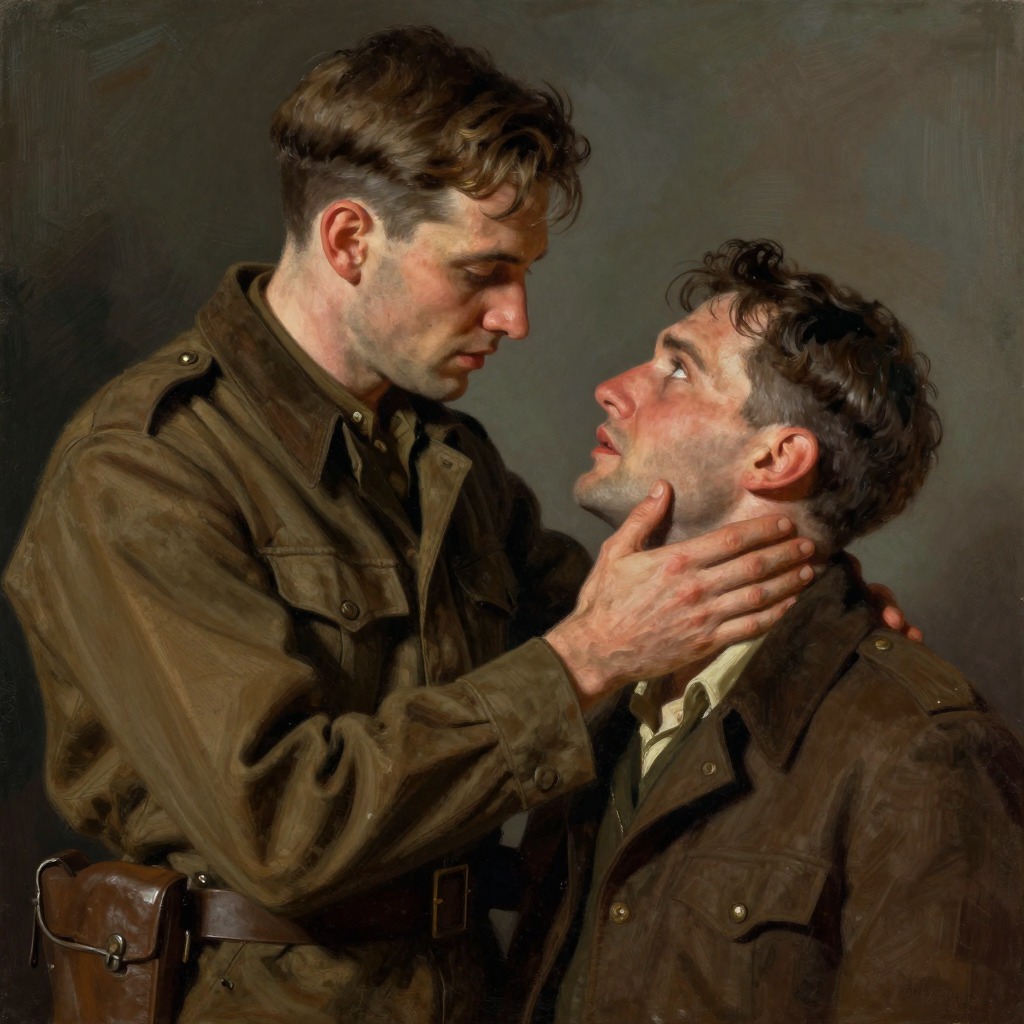
Despite what his father did to him, Teddy remains fiercely proud of Norman. He always describes his father's war service in the same words: 'stormed the beach at Normandy.' Teddy visits his father at Togus every week with his mother, and he never wavers in his insistence that his father is a hero, not a lunatic. This loyalty is so central to Teddy's identity that any attack on his father's honor provokes an explosive, almost uncontrollable rage. When Milo Pressman, the dump-keeper, taunts Teddy by calling his father a 'loony up in Togus' and 'crazier'n a shithouse rat,' Teddy screams back, 'YOUR MOTHER BLOWS DEAD RATS! AND IF YOU CALL MY DAD A LOONY AGAIN, I'LL FUCKING KILL YOU, YOU COCKSUCKER!' He throws himself at the fence separating them, ready to fight a man many times his size. The word 'Togus' itself is the trigger: it reduces Teddy's carefully constructed narrative of his father's heroism to the clinical, dismissive label of mental illness.
Narrative and Thematic Significance
Togus embodies the story's larger concern with how children process trauma and defend the people who have hurt them. Teddy's weekly visits to the hospital are a ritual of loyalty, but they also keep him in contact with the source of his deepest wound. The institution is a place where the official verdict—'loony'—contradicts Teddy's private truth. When Chris Chambers later comforts Teddy after the confrontation with Milo, he tells him, 'He don't know nothin about your old man. He don't know nothin but stuff he heard from those rumdums down at The Mellow Tiger.' Chris's words acknowledge that the town's gossip about Togus is a cheap, ignorant version of a much more complicated story. Togus, then, is not just a hospital; it is the place where the town's judgment and Teddy's love collide, and where the damage done by a parent becomes a permanent, unspoken part of a child's life.