
The Land Surveyor Claim
The CastleK. tries to make the castle acknowledge his profession and his right to stay.
increasing Bearing strength in each event
 decreasing
Bearing strength in each eventdecreasingNight Arrival and Claim
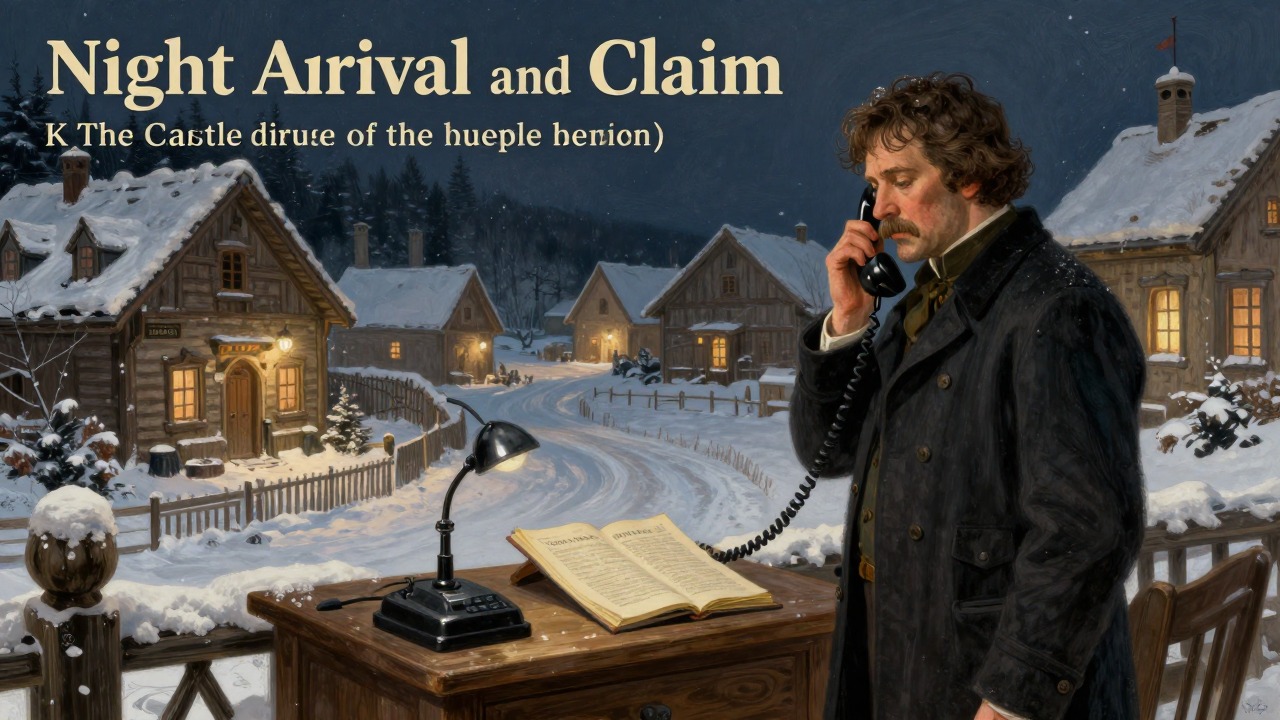
Night Arrival and Claim
K. arrives late in a snowed-in village and sleeps at the Bridge Inn. Schwarzer wakes him and demands a permit for anyone staying on castle territory.
What happens
K. names himself land surveyor and says the count sent for him. A telephone call to Central Office first denies that any surveyor is expected, then recognizes him as the land surveyor.
Why it matters
The permit rule introduces the premise that the village belongs to the castle. K.'s stubborn claim turns his arrival into a formal contest with the authorities.
First Letter from Klamm
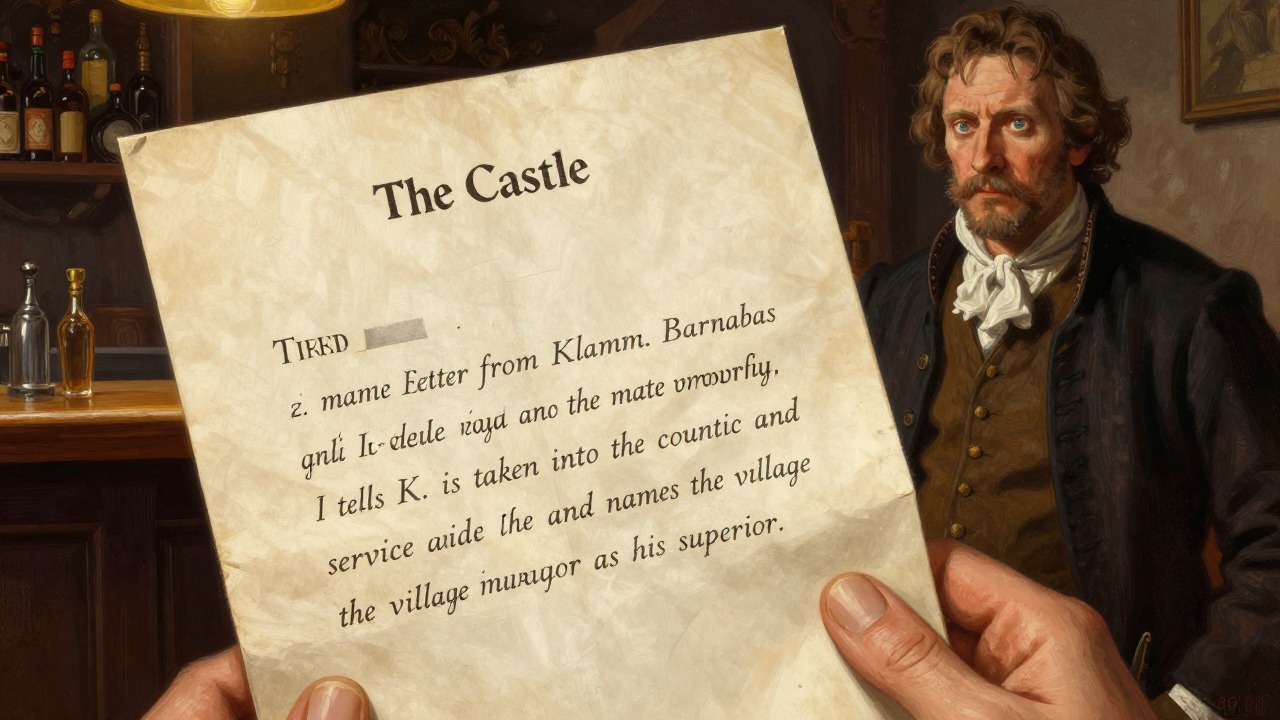
First Letter from Klamm
Barnabas delivers a letter from Klamm while K. is in the inn's bar. It tells K. he is taken into the count's service and names the village mayor as his superior.
What happens
K. reads contradictory tones in the letter, which treats him both as a free agent and as a labourer. He hangs the letter on the wall of his attic room and decides to become a village worker.
Why it matters
The letter offers K. a fragile official status. It also shows him that the castle's recognition is ambiguous, leaving him to interpret and fight for meaning in every contact.
Mayor's Blanket Rejection
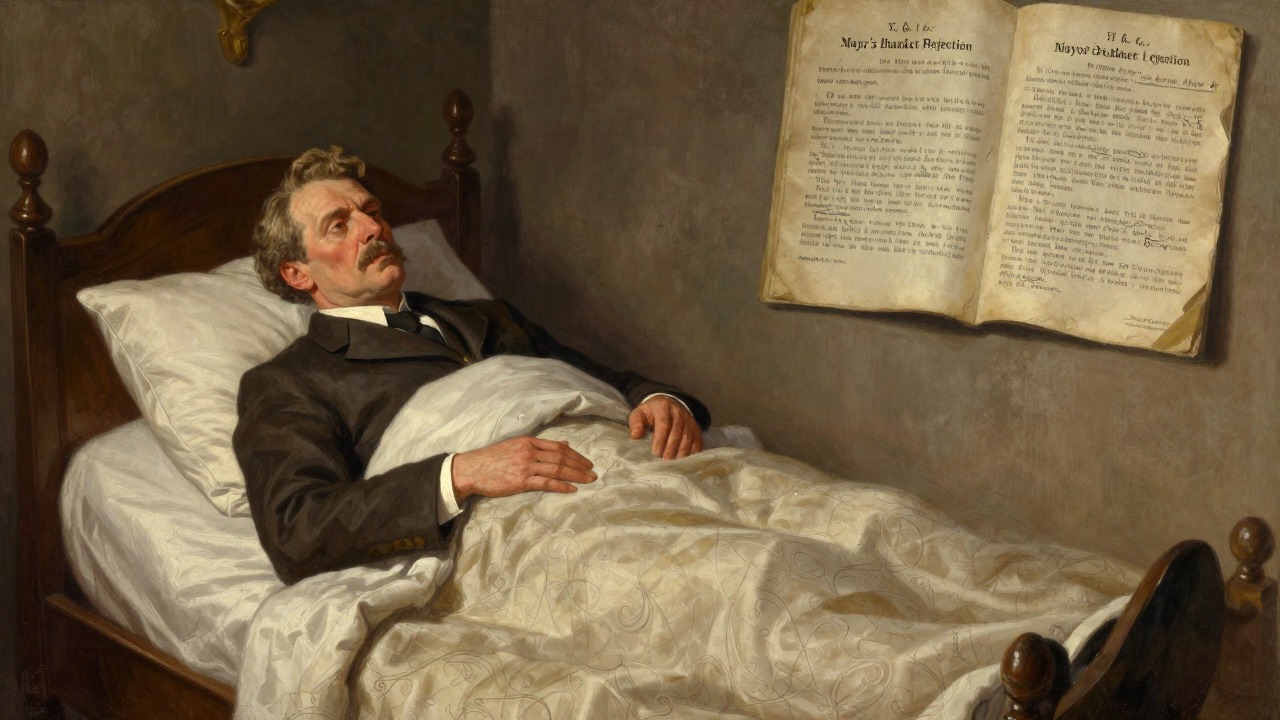
Mayor's Blanket Rejection
The village mayor receives K. in bed and tells him no land surveyor is needed. The boundary records are complete and the parish has no work for him.
What happens
The mayor explains the old lost decree and the tangled correspondence between Department A and Department B. Neither his wife nor the assistants can find the original file.
Why it matters
K. learns that his appointment may be a bureaucratic accident rather than a real commission. The conversation shifts his struggle from practical work to a fight for recognition against the whole official maze.
Praise for Work Not Done
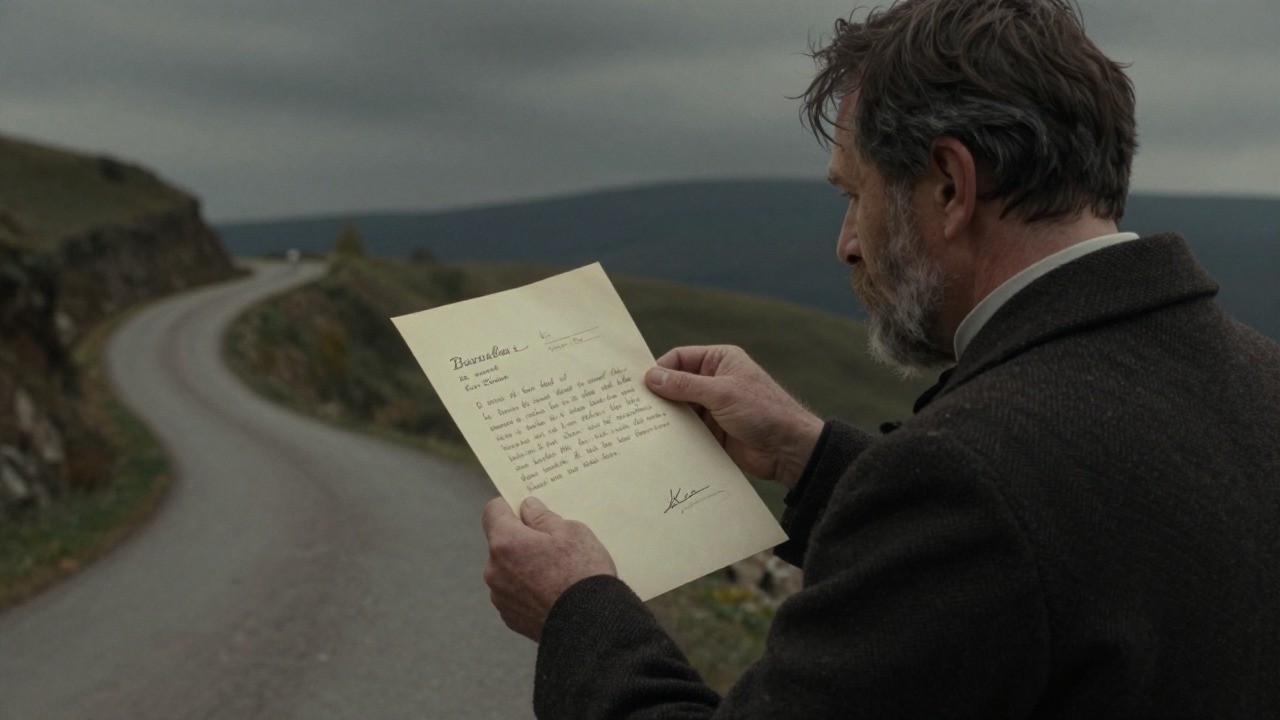
Praise for Work Not Done
Barnabas brings K. a second letter from Klamm. The letter praises K.'s surveys and the diligence of his assistants, although no surveying has been done.
What happens
K. reads the letter on the windy road and calls it a misunderstanding. He asks Barnabas to tell Klamm that he has carried out no surveys at all.
Why it matters
The letter deepens K.'s sense that the castle is mocking him. It also pushes him to demand a personal interview with Klamm as the only way to cut through the false reports.
Request for a Personal Hearing
Request for a Personal Hearing
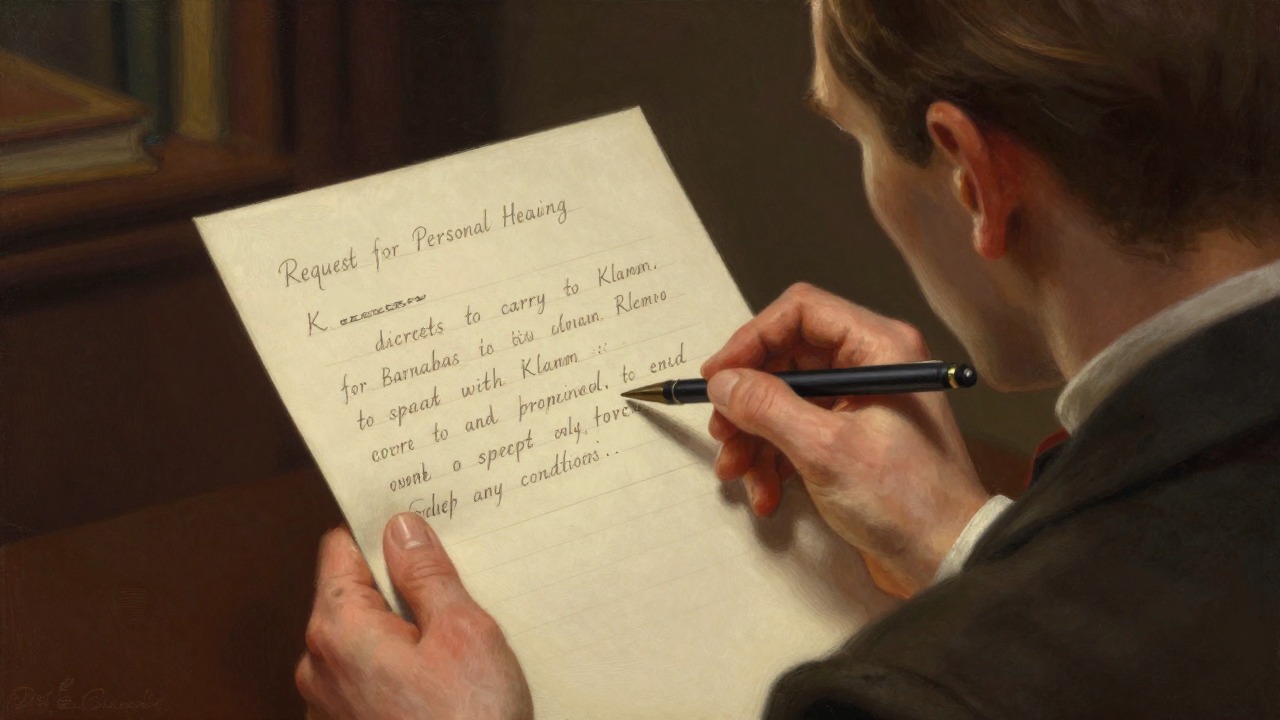
K. dictates a message for Barnabas to carry to Klamm. He asks to speak with Klamm in person and promises to accept any conditions.
What happens
K. says he will agree to any restriction, even to speaking only ten words. Barnabas memorizes the message perfectly and promises to try to reach Klamm directly.
Why it matters
The request marks K.'s most direct challenge to the official hierarchy. It also exposes his dependence on Barnabas, a messenger whose access to Klamm is uncertain.
the first night in the village
the second day in the village
during K.'s visit to the village mayor
the night after the Momus hearing
the same night on the road
