
Frederick's Internal Conflict
The CollectorExplores Frederick's inner turmoil between his obsessive desires and his conscience, leading to moral collapse.
increasing Bearing strength in each event
 decreasing
Bearing strength in each eventdecreasingDesire vs. Conscience

The Moral Struggle
Temptation
Frederick fantasizes about Miranda but knows it is wrong. He struggles with his desire.
Resolution
He convinces himself that the ends justify the means. He suppresses his conscience.
Guilt After the Act

Post-Crime Anxiety
Feelings
Frederick feels guilt and fear. He knows he has done something terrible.
Suppression
He pushes these feelings down. He focuses on providing for Miranda. He tells himself it is love.
Rationalization

Self-Deception
Arguments
Frederick tells himself that Miranda is better off with him. He believes he can make her happy.
Denial
He ignores her suffering. He reinterprets her fear as initial resistance. His internal conflict is resolved by lying to himself.
Anger at Rejection

Hurt Pride
Reaction
When Miranda rejects him, Frederick feels a mix of hurt and anger. He questions his own worth.
Internal Conflict
He wants to be loved, but he cannot accept that his methods are wrong. He blames her for not understanding.
The Diary's Impact
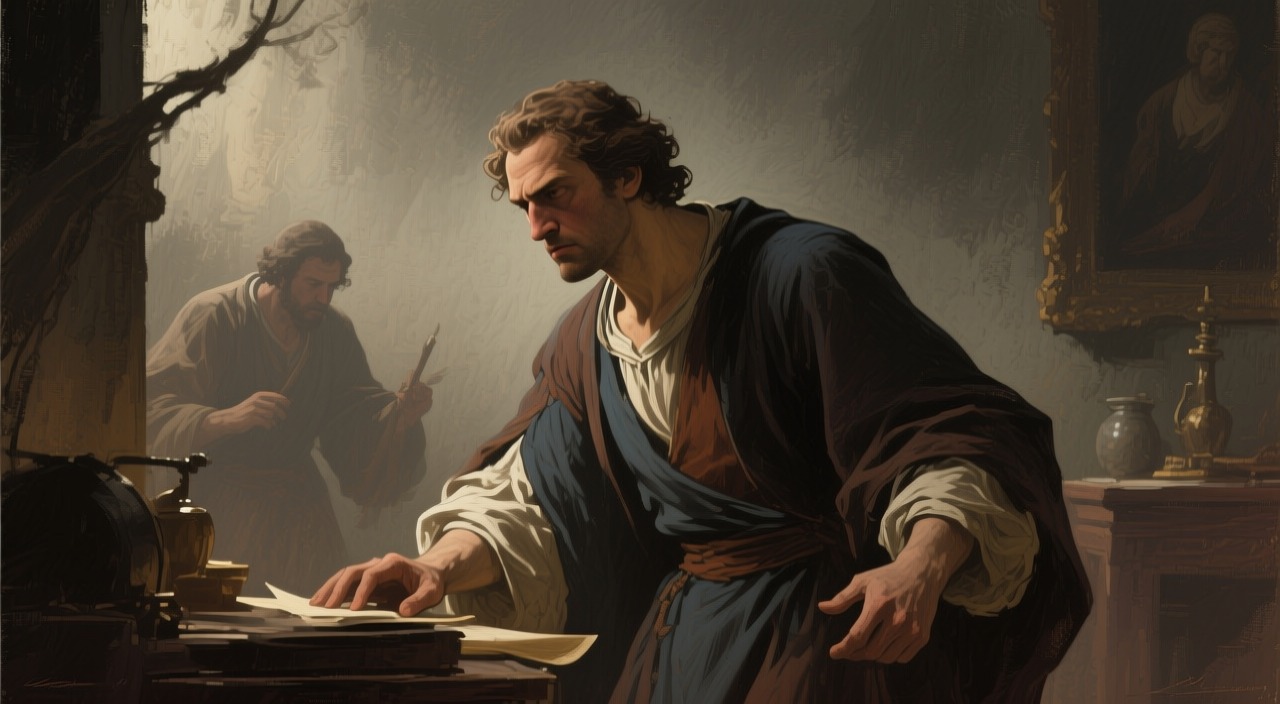
Confronting Truth
Painful Reading
Frederick reads Miranda's true thoughts. She calls him ugly and pathetic. He is devastated.
Crisis
He briefly questions his actions. He sees himself through her eyes. But he cannot change. The conflict is suppressed again.
Acceptance of Self

Moral Collapse
Loss of Guilt
Frederick eventually stops feeling guilty. He accepts what he has done. He plans to do it again.
Resolution of Conflict
His conscience is silenced. He becomes a monster. The internal conflict ends with the triumph of obsession.
before the abduction
after the abduction
during captivity
mid-captivity
after reading the diary
after Miranda's death
