StoryFlow

Frederick's Plan and Abduction
Traces Frederick Clegg's meticulous planning, execution, and immediate aftermath of kidnapping Miranda Grey.
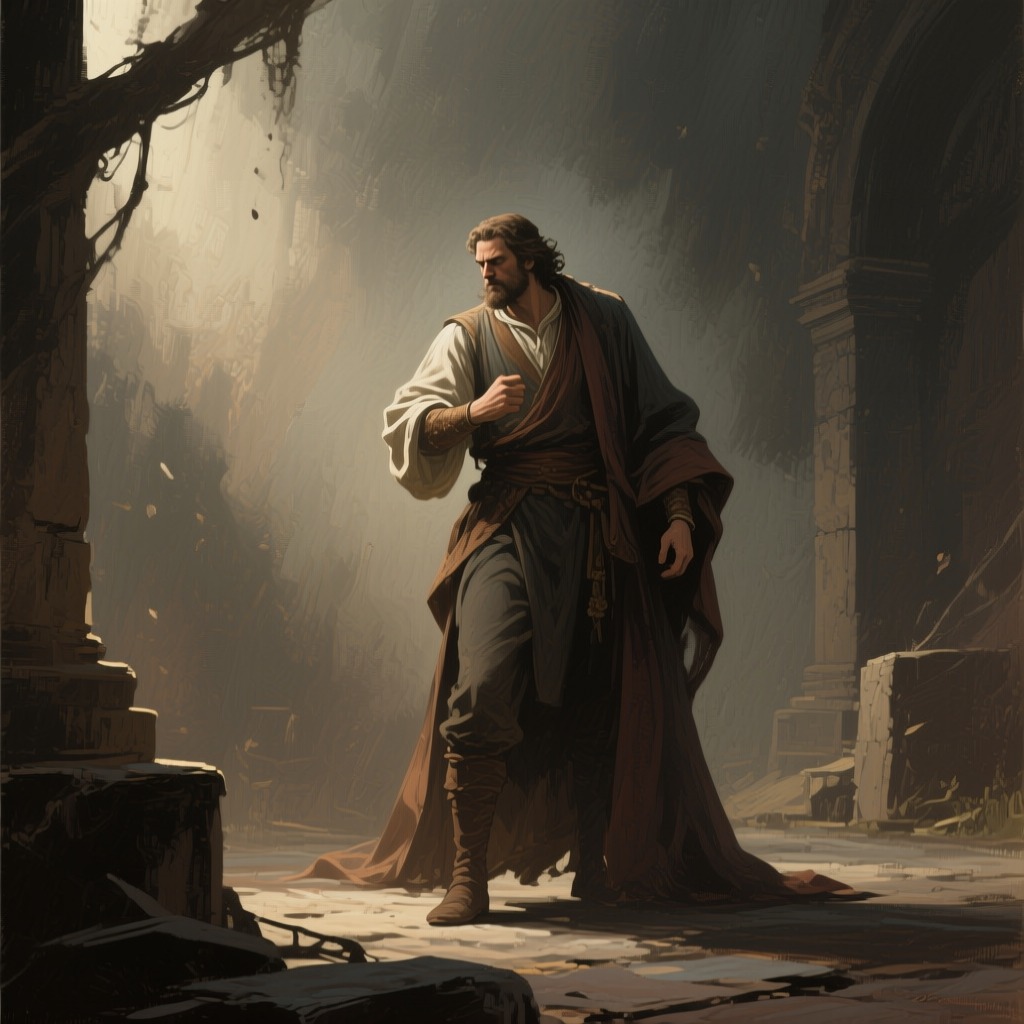
Miranda's Imprisonment and Daily Life
Follows Miranda Grey's experience of captivity, her attempts to maintain sanity, and her gradual deterioration.

Frederick's Courtship Attempts
Chronicles Frederick Clegg's misguided efforts to win Miranda's love through gifts, conversation, and proposals.

Miranda's Resistance and Escape Attempts
Details Miranda's active and passive resistance, including escape plans, psychological manipulation, and final defiance.

The Tragic End and Aftermath
Follows Miranda's death, Frederick's emotional response, and his attempt to continue his life as if nothing happened.
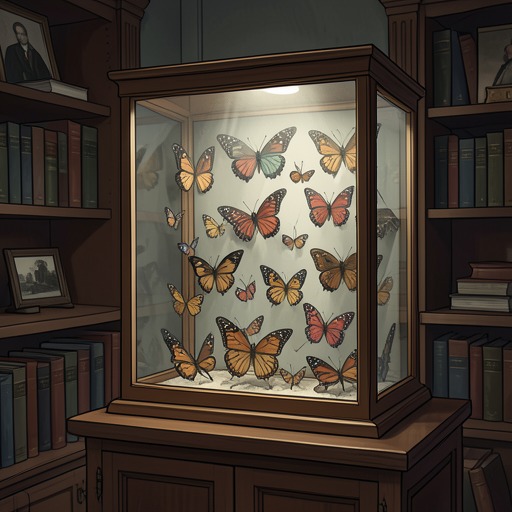
Frederick's Butterfly Collection
Traces Frederick's hobby, its symbolic meaning, and its parallels to his treatment of Miranda.
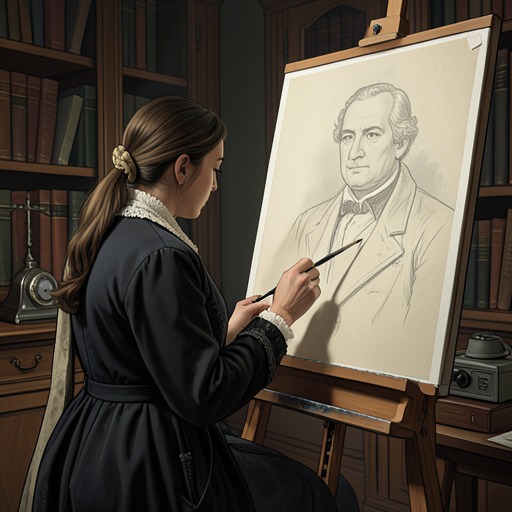
Miranda's Artistic Aspirations
Follows Miranda's identity as an artist, her memories of George Paston, and her use of art as a means of resistance.
The Diary as a Window
Explores the role of Miranda's diary in revealing her inner life and Frederick's obsessive reading of it.
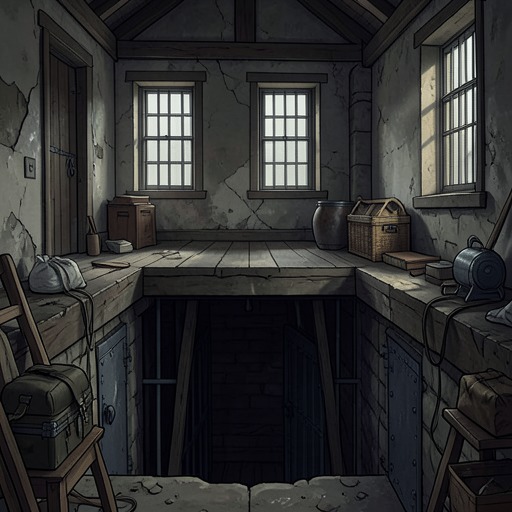
The House and Cellar as Prison
Examines the physical setting of the house and cellar, their transformation into a prison, and their symbolic meaning.
The Police and Society's Indifference
Highlights the absence of a meaningful investigation and the societal blind spots that allow Frederick's crime to go unnoticed.
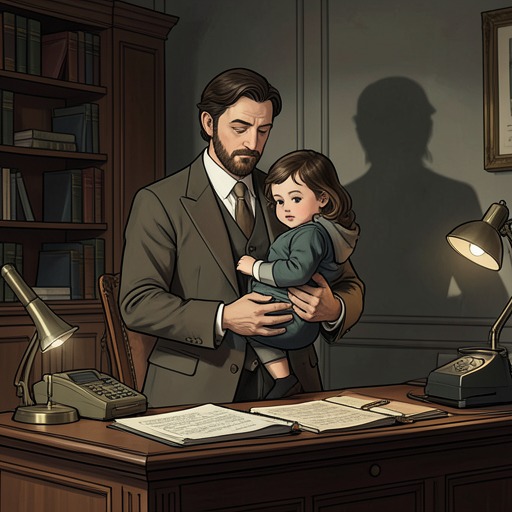
Frederick's Transformation from Clerk to Captor
Traces Frederick Clegg's psychological journey from a lonely, passive collector to a violent captor, and his eventual identity as a murderer.

Miranda's Tragic Fate
Chronicles Miranda's journey from a promising young artist to a victim of obsession, ending in her premature death.
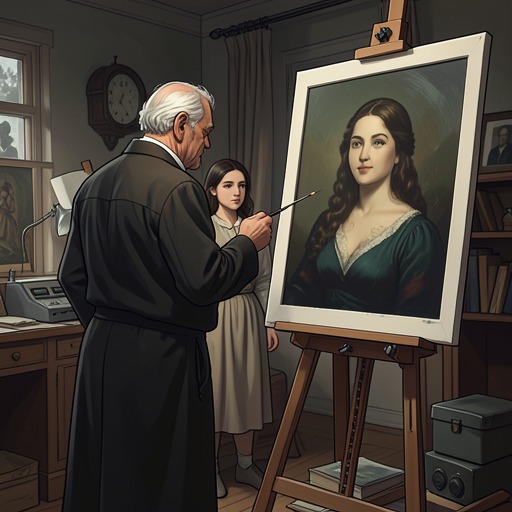
George Paston's Influence
Explores the role of the artist George Paston in Miranda's life and how his memory shapes her captivity.

Mabel's Role in Frederick's Life
Examines Frederick's aunt Mabel, her influence on him, and the domestic environment that shaped his isolation.

The Butterfly as Symbol of Miranda's Fate
Traces the recurring motif of the butterfly, representing Miranda's beauty, fragility, and ultimate destruction.
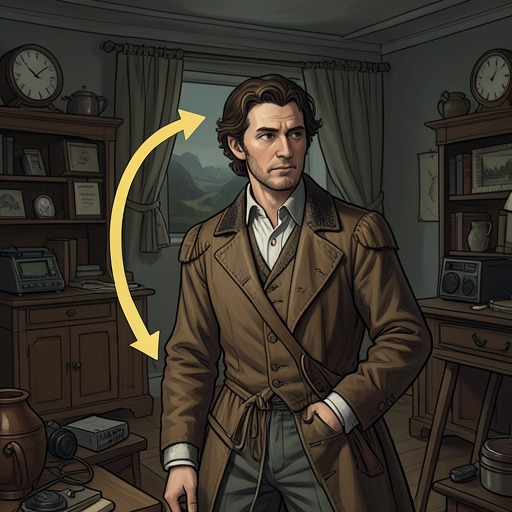
Power Struggle Between Captor and Captive
Charts the shifting power dynamics between Frederick and Miranda, from initial imbalance to final resistance.
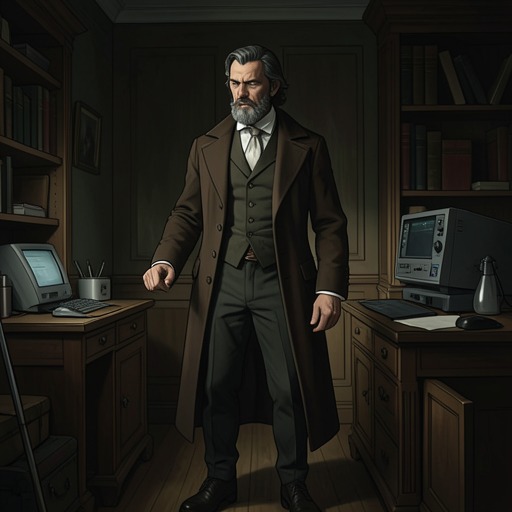
Frederick's Internal Conflict
Explores Frederick's inner turmoil between his obsessive desires and his conscience, leading to moral collapse.
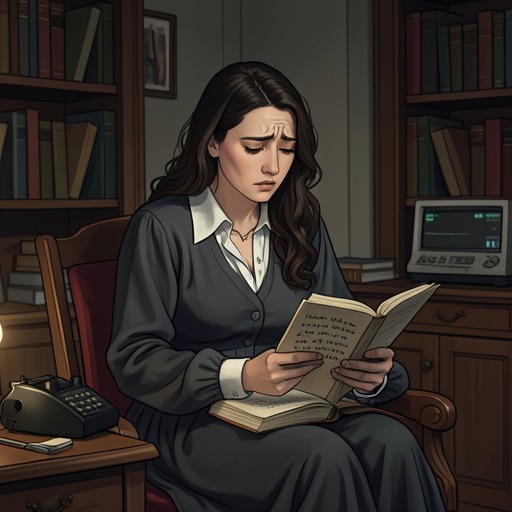
Miranda's Internal Conflict
Follows Miranda's psychological battle between hope and despair, trust and suspicion, as she fights to survive.
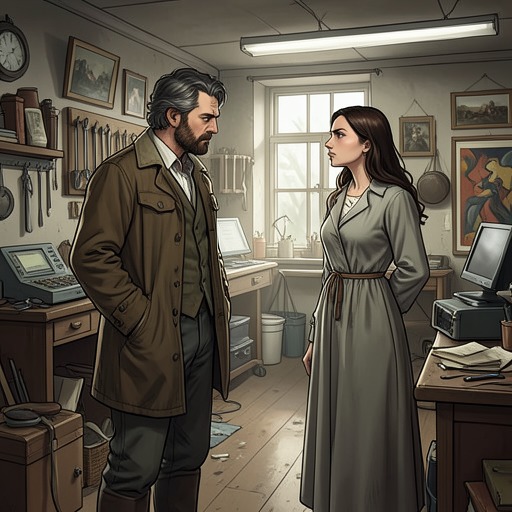
Class Conflict Between Frederick and Miranda
Examines the social and class differences that underpin the conflict between the working-class captor and the upper-class captive.

Gender Conflict: Male Dominance vs. Female Resistance
Explores the gender dynamics of the novel, where Frederick's male power is challenged by Miranda's female agency.
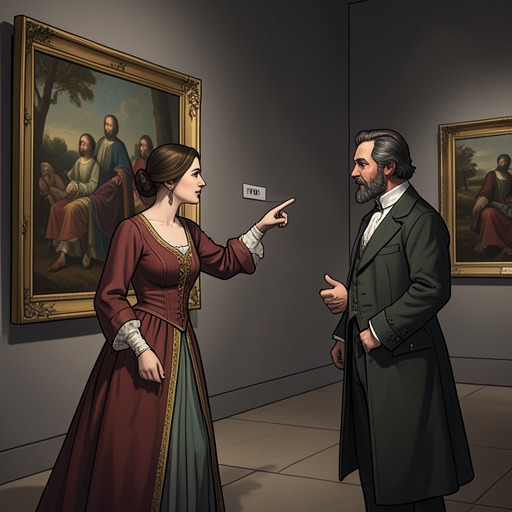
The Conflict Between Art and Commerce
Explores the tension between Miranda's idealistic view of art and Frederick's utilitarian, materialistic perspective.
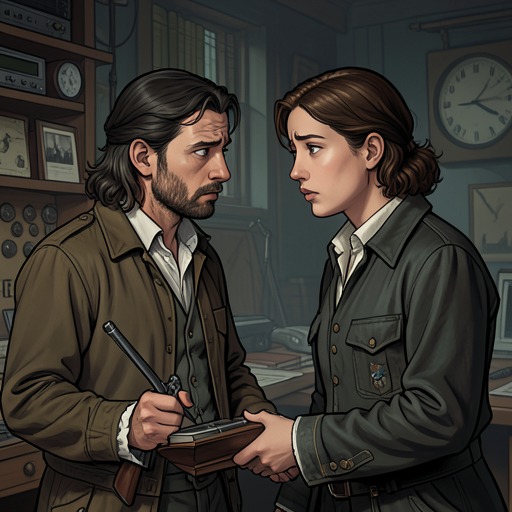
Frederick's Obsessive Love for Miranda
Traces the development of Frederick's fixation from distant admiration to pathological possession.
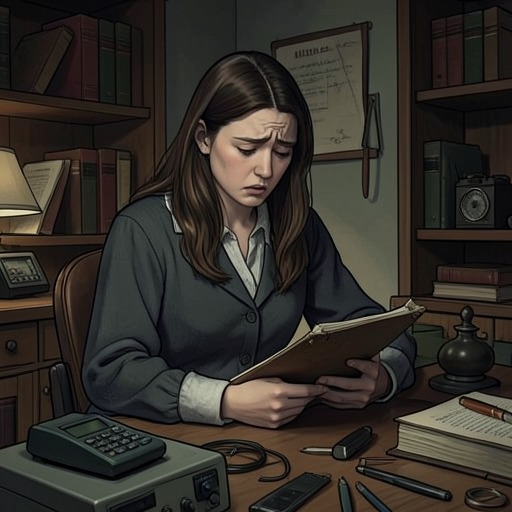
Miranda's Complex Feelings Toward Frederick
Explores the mixture of fear, pity, hatred, and occasional understanding that Miranda feels for her captor.

The Bond Between Miranda and Her Art
Examines Miranda's deep connection to her artistic practice, which sustains her through captivity.

Frederick's Bond with His Butterflies
Explores Frederick's emotional connection to his butterfly collection, as a substitute for human relationships.
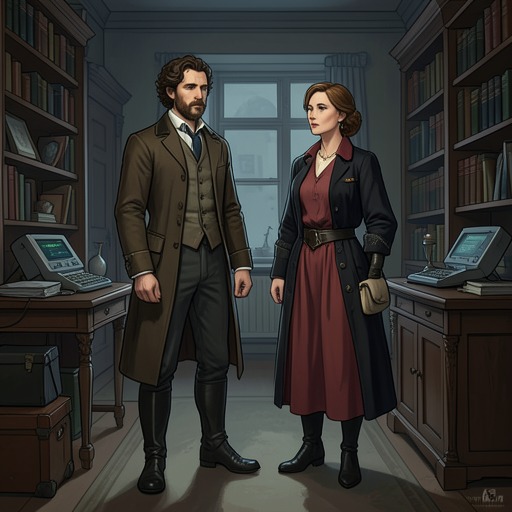
The Absence of Genuine Emotional Connection
Highlights the failure of both Frederick and Miranda to form a true emotional bond, leading to isolation and tragedy.

The Collector Mentality and Its Consequences
Explores the theme of collecting as a pathological mindset applied to people, with devastating results.
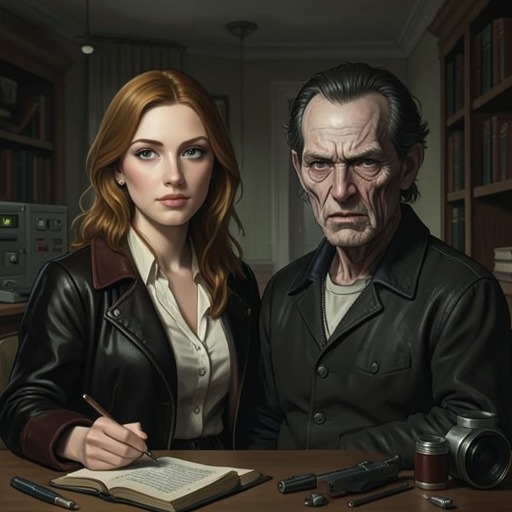
The Nature of Beauty and Ugliness
Examines the novel's exploration of aesthetic and moral beauty, and the ugliness that lies beneath the surface.

The Theme of Freedom and Captivity
Explores the physical and psychological dimensions of captivity and the yearning for freedom.

Class and Culture Critique
Examines the novel's critique of class divisions, cultural capital, and the power dynamics they create.
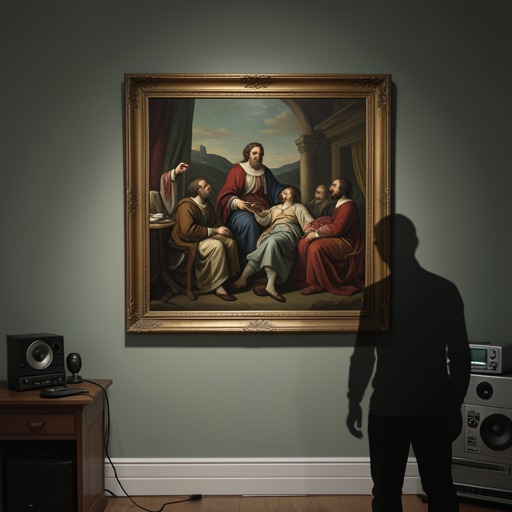
The Role of Art in Life and Death
Explores how art reflects life, serves as a means of transcendence, and endures beyond death.