
Gender Conflict: Male Dominance vs. Female Resistance
The CollectorExplores the gender dynamics of the novel, where Frederick's male power is challenged by Miranda's female agency.
increasing Bearing strength in each event
 decreasing
Bearing strength in each eventdecreasingPatriarchal Captivity
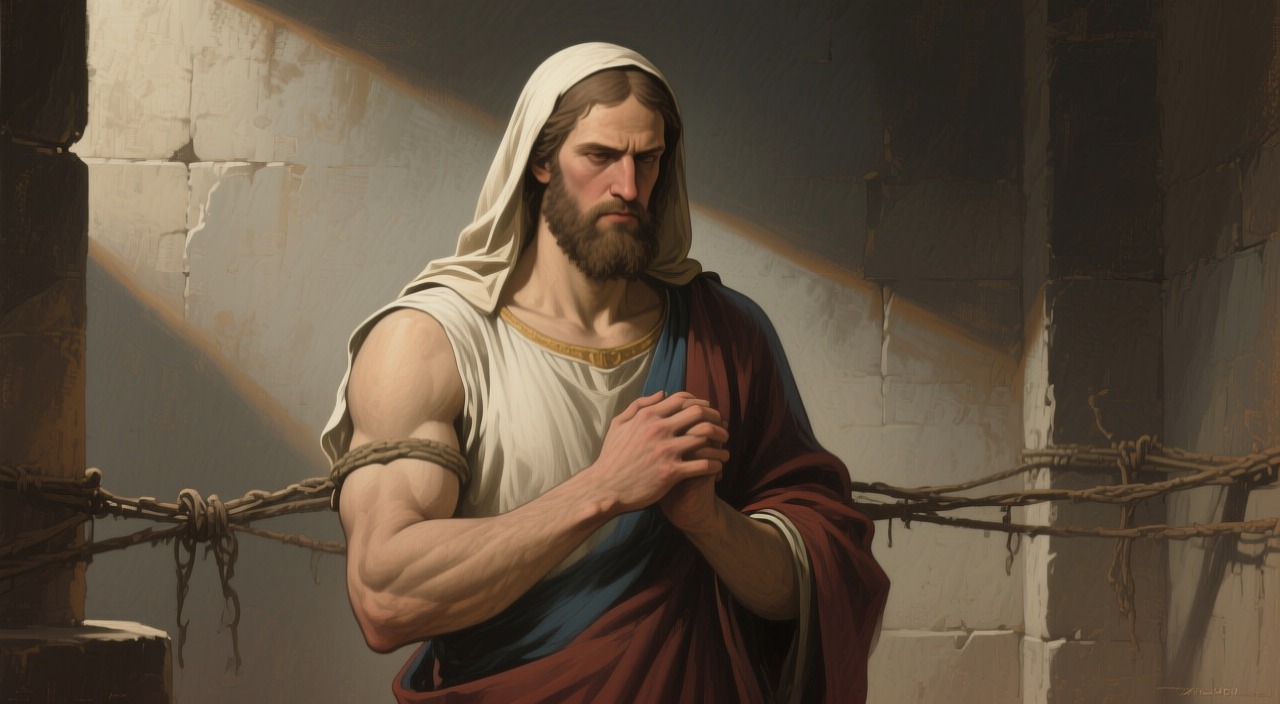
A Man's World
Frederick's Power
As a man, Frederick has physical strength and social freedom. He uses them to control a woman.
Miranda's Vulnerability
She is a young woman alone. She is a victim of male violence. The novel highlights gender inequality.
Miranda's Feminine Tactics

Using Stereotypes
Manipulation
Miranda uses her femininity to manipulate Frederick. She feigns weakness, uses charm.
Effectiveness
These tactics work to some extent. She gains small advantages. She plays the role he expects, but on her own terms.
Frederick's Misogyny
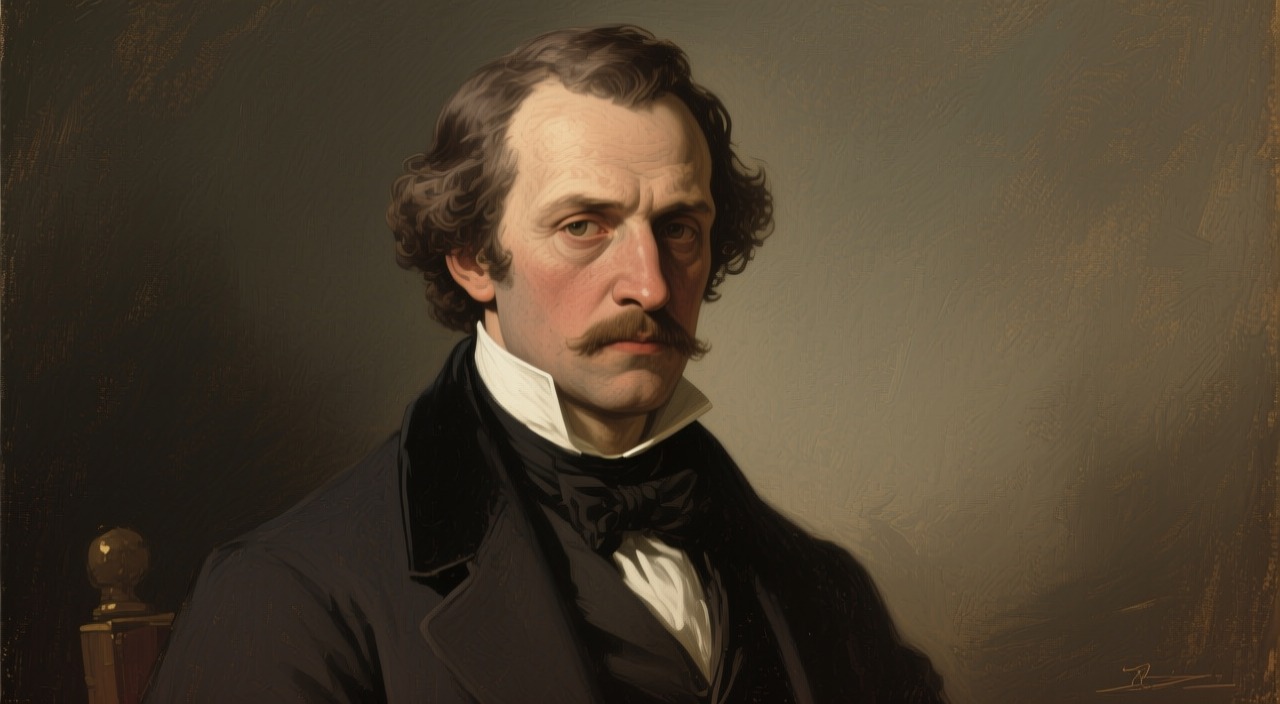
Views of Women
Attitudes
Frederick sees women as objects to be possessed. He has no respect for Miranda's autonomy.
Behavior
He dismisses her opinions, talks down to her. His misogyny is part of his justification for the kidnapping.
Miranda's Assertion of Self
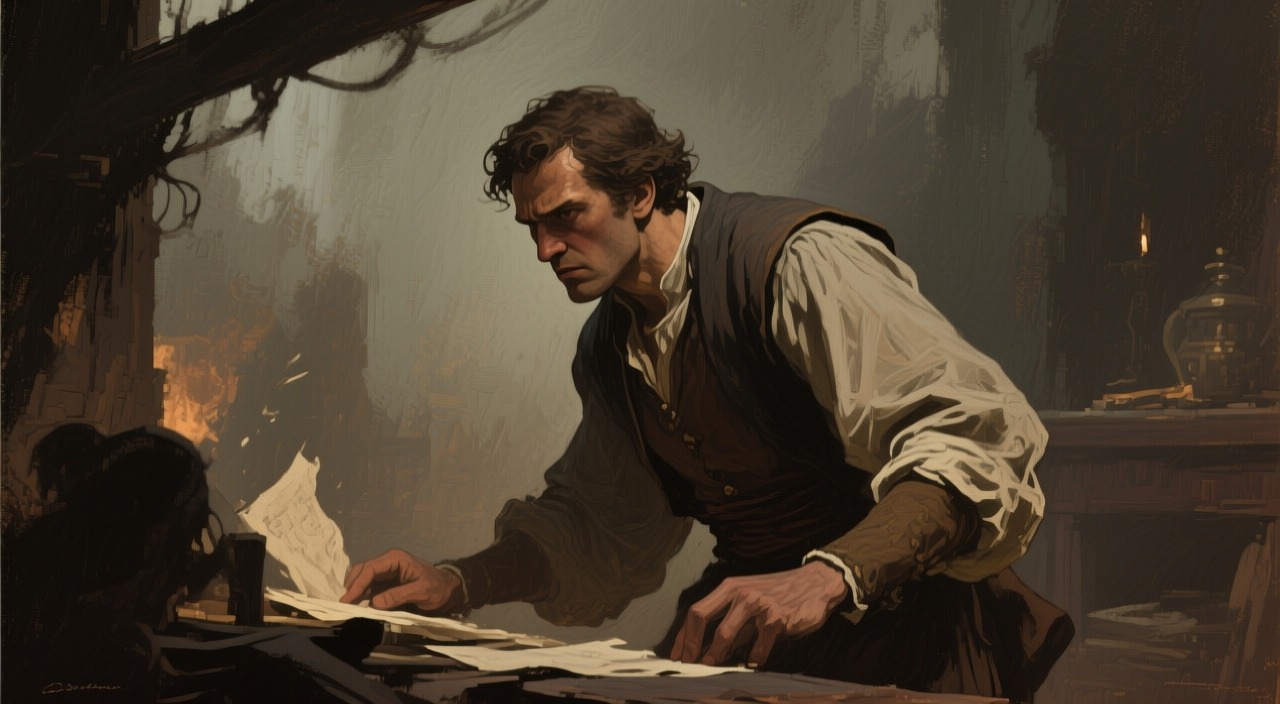
Refusing to Be an Object
Defiance
Miranda asserts her own identity. She tells Frederick she is not his property.
Power of Words
She uses language to resist. She refuses to be submissive. The conflict is gendered.
The Physical Struggle

Body as Battleground
Physical Resistance
Miranda uses her body to fight. She attacks, she runs. But she is weaker.
Outcome
Frederick's physical strength prevails. The gender conflict is apparent in the physical struggle.
Victory in Death
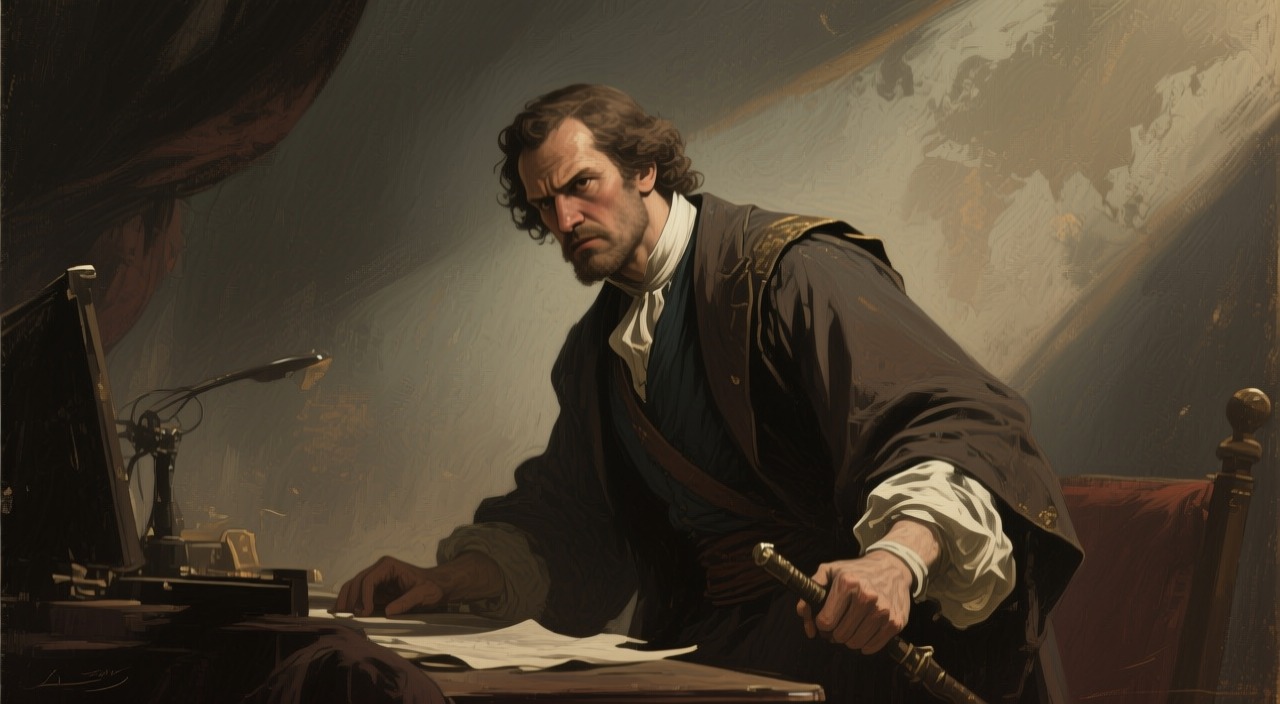
A Woman's Last Stand
Refusal to Submit
Miranda dies without giving Frederick what he wants. She retains her dignity.
Symbolic Victory
Her death is a defeat for his male dominance. She escapes his control permanently. The gender conflict ends with her moral triumph.
the abduction
during captivity
throughout
mid-captivity
escape attempts
final
