
The Theme of Freedom and Captivity
The CollectorExplores the physical and psychological dimensions of captivity and the yearning for freedom.
increasing Bearing strength in each event
 decreasing
Bearing strength in each eventdecreasingPhysical Captivity
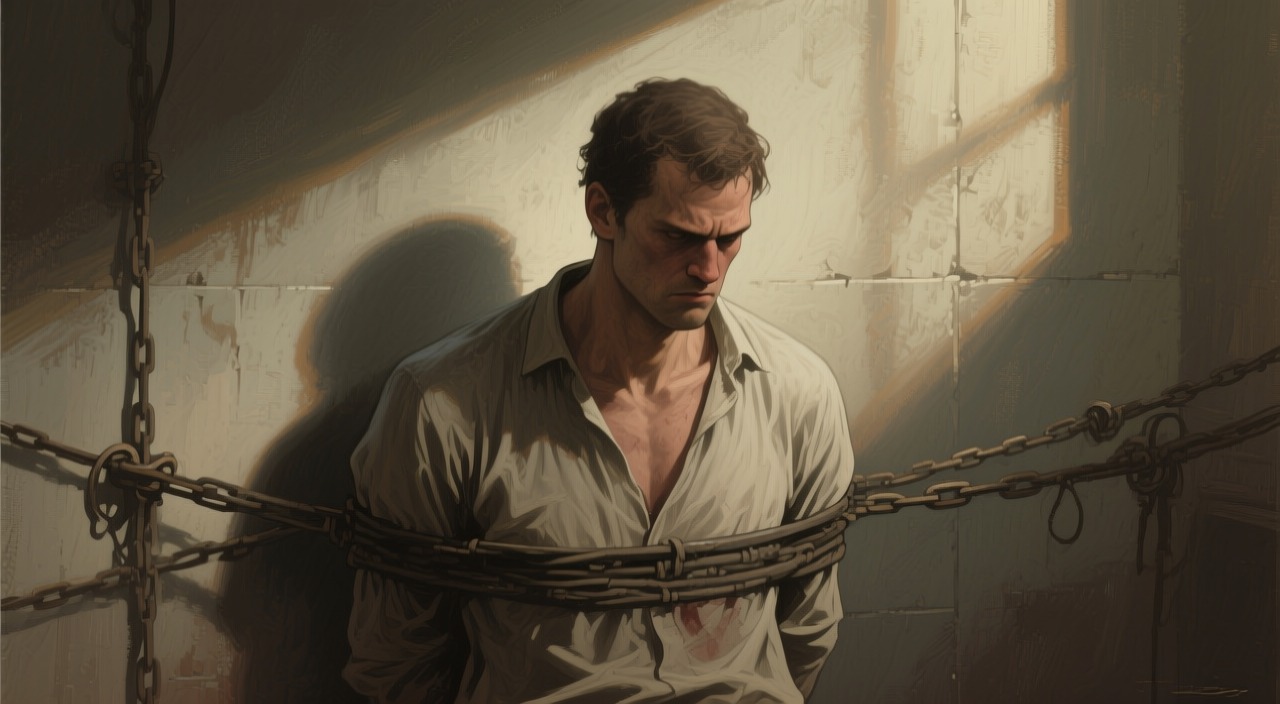
The Cellar Prison
Imprisonment
Miranda is physically locked in a cellar. She cannot leave.
Symbol
It is a literal cage. The novel uses physical captivity to explore deeper issues.
Psychological Captivity
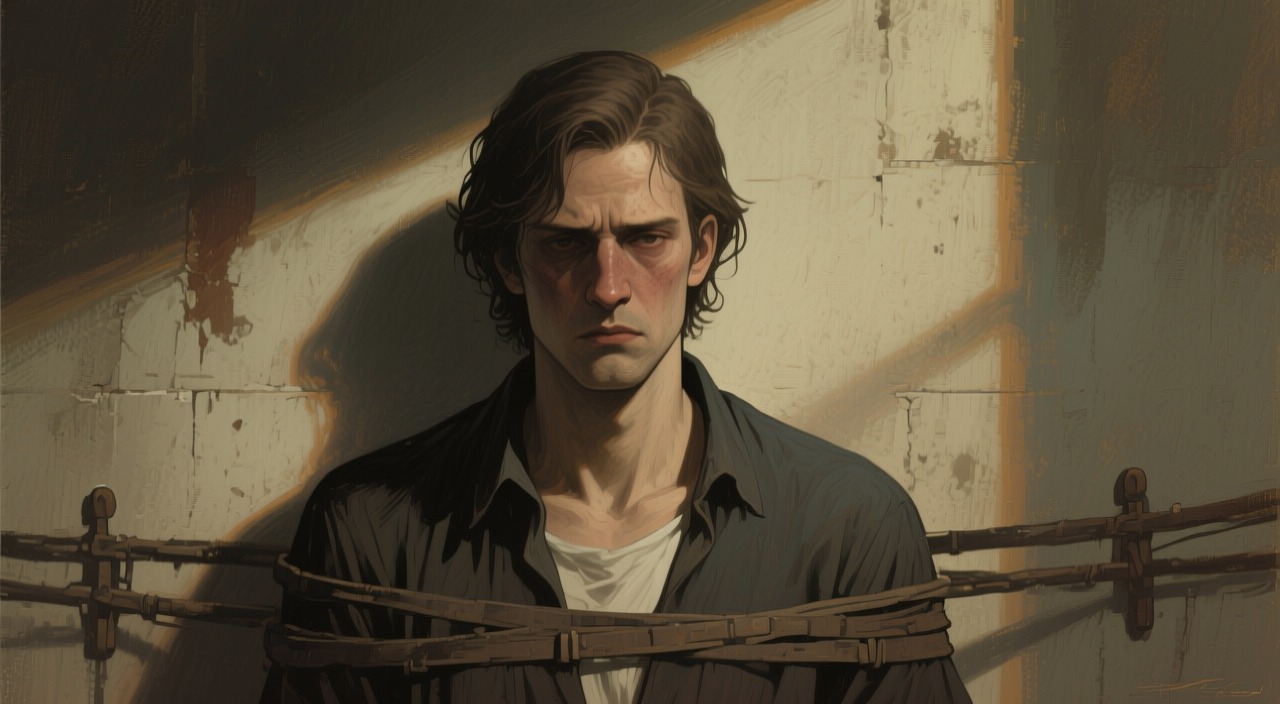
The Mind in Chains
Mental Prison
Miranda is also trapped psychologically. She is controlled by fear and hope.
Frederick's Mind
He is also a captive of his own obsession. He cannot free himself from his need to possess.
The Desire for Freedom
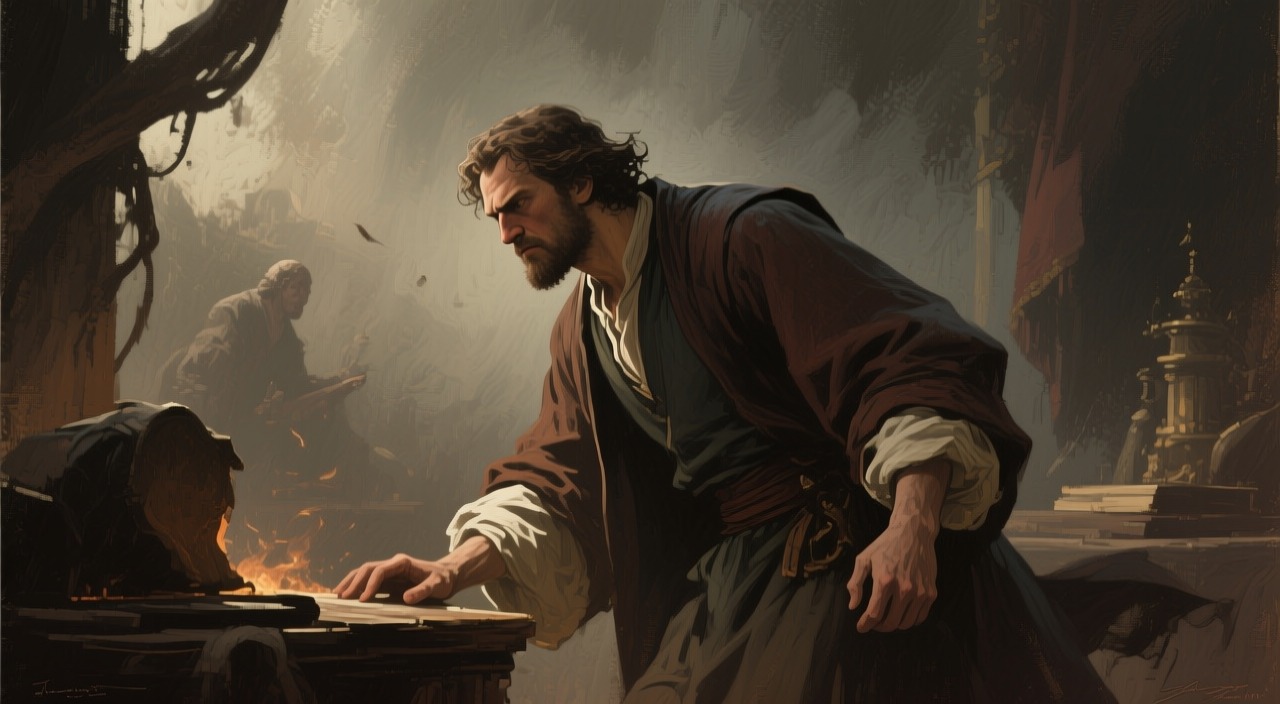
Yearning for Liberation
Miranda's Drive
Her primary motivation is to be free. She thinks of escape constantly.
Frederick's Yearning
He wants freedom from his loneliness. But he seeks it through control, which is a paradox.
Freedom Through Art
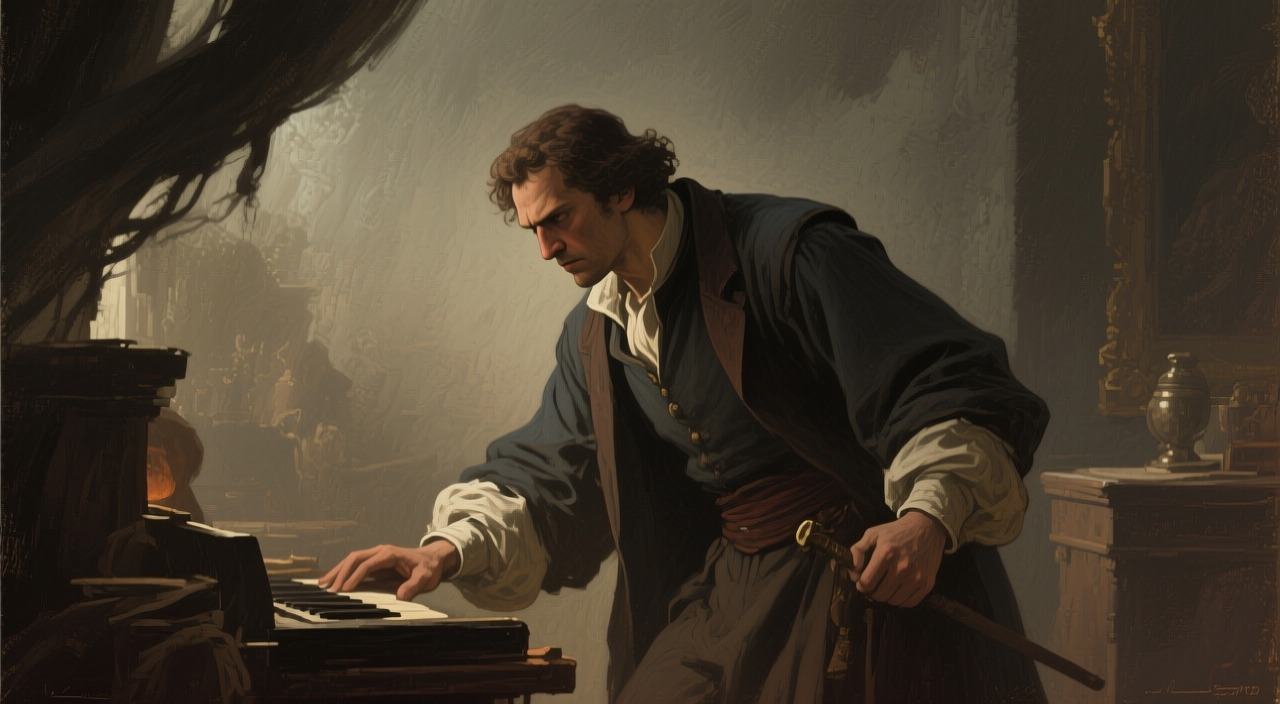
A Mental Escape
Creative Freedom
Art gives Miranda a sense of freedom, even in captivity.
Limitations
But it is not enough. She needs real freedom. The novel suggests that art can only go so far.
The Ultimate Freedom: Death
Death as Release
Miranda's Death
She dies, and in death, she is finally free from Frederick.
Frederick's Continued Captivity
He remains trapped in his obsession. The theme of freedom is resolved ironically.
The Cycle of Captivity
No End to Captivity
Frederick's Future
He plans to kidnap again. He will create new prisons.
Broader Meaning
The novel suggests that the desire to control others is a form of captivity for all involved. Freedom is elusive.
the abduction
during captivity
throughout
Miranda's art
the end
after the novel
