
Class and Culture Critique
The CollectorExamines the novel's critique of class divisions, cultural capital, and the power dynamics they create.
increasing Bearing strength in each event
 decreasing
Bearing strength in each eventdecreasingClass Divide
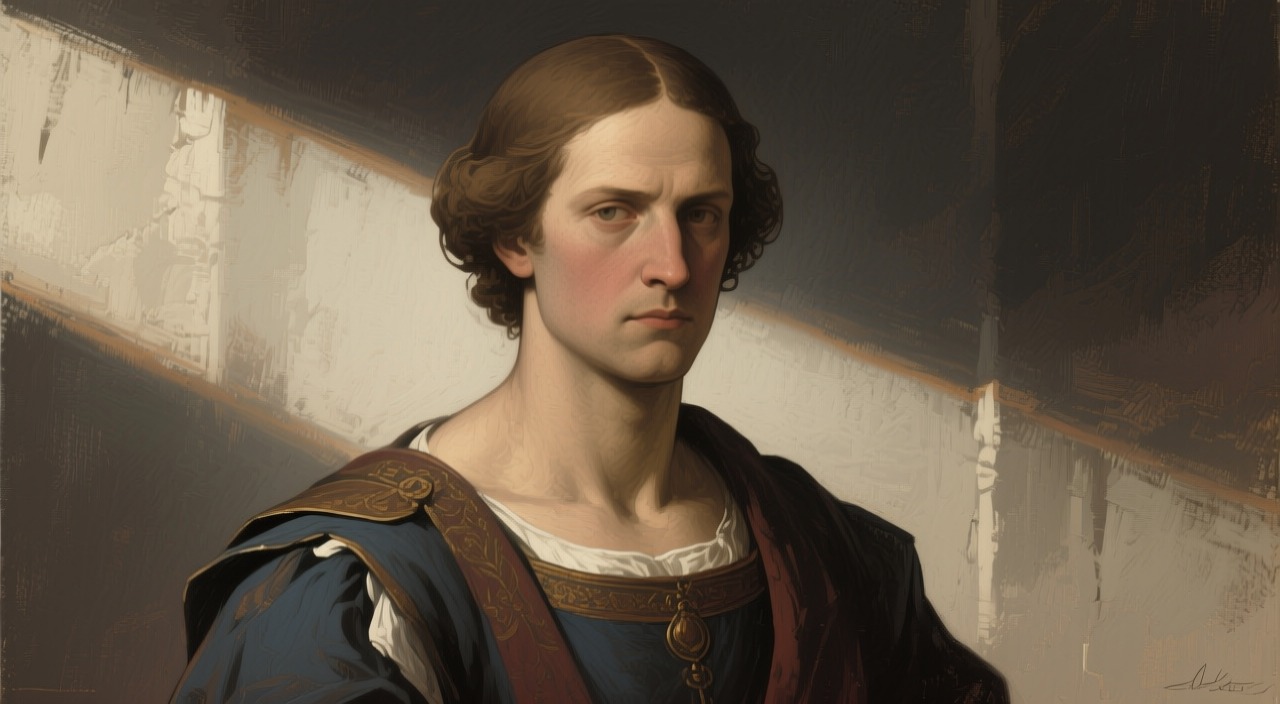
Two Different Worlds
Frederick's Working Class
He is a clerk with little education. His world is limited.
Miranda's Middle Class
She is an art student with cultural access. The divide is stark.
Cultural Capital
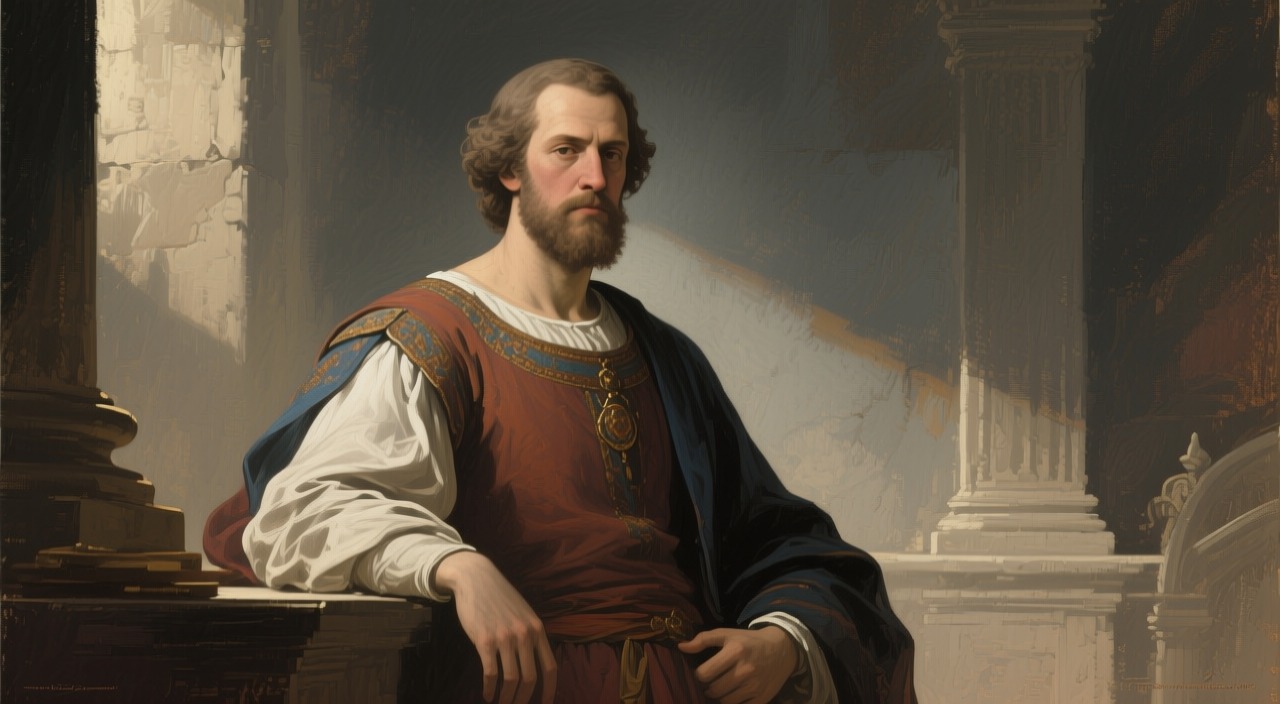
Power of Knowledge
Miranda's Advantage
She uses her education and taste to assert superiority.
Frederick's Insecurity
He feels inferior. He tries to compensate through control. The novel shows how culture can be a weapon.
The Failure of Communication
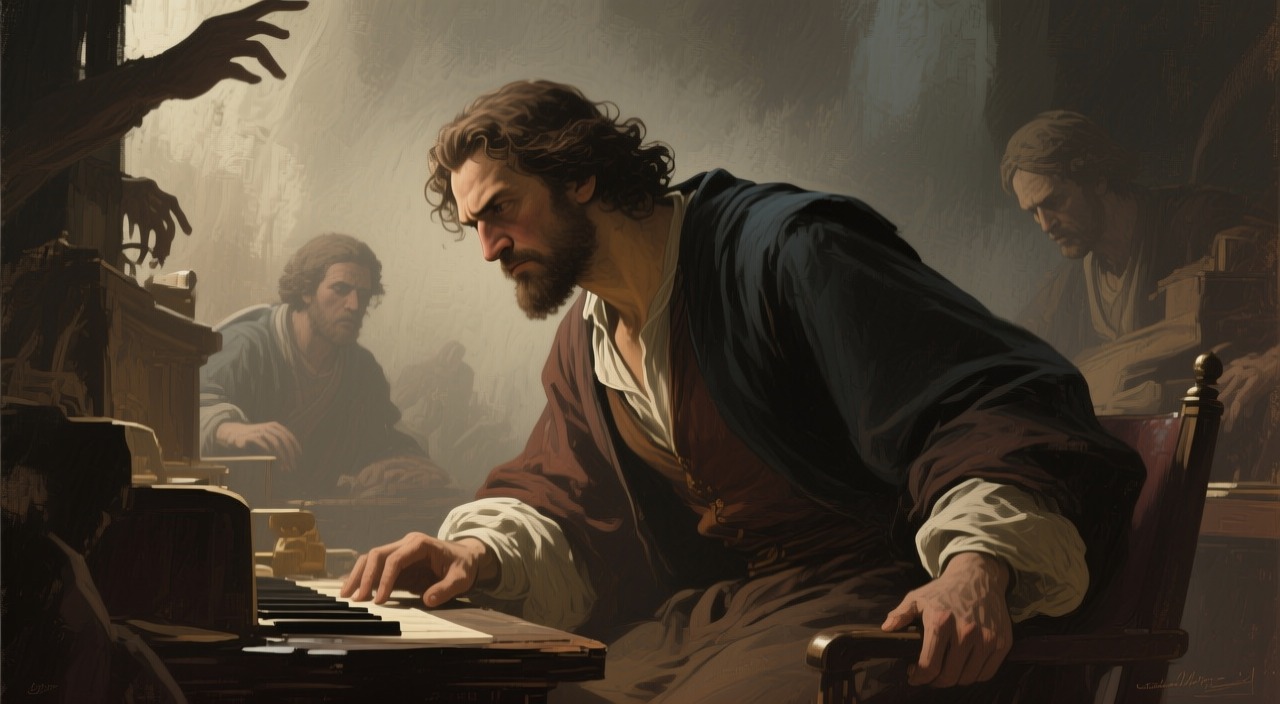
Speaking Different Languages
Class Markers
Language, taste, and values divide them. They cannot understand each other.
Result
The class gap contributes to the tragedy. The novel critiques a society that separates people by class.
Frederick's Resentment
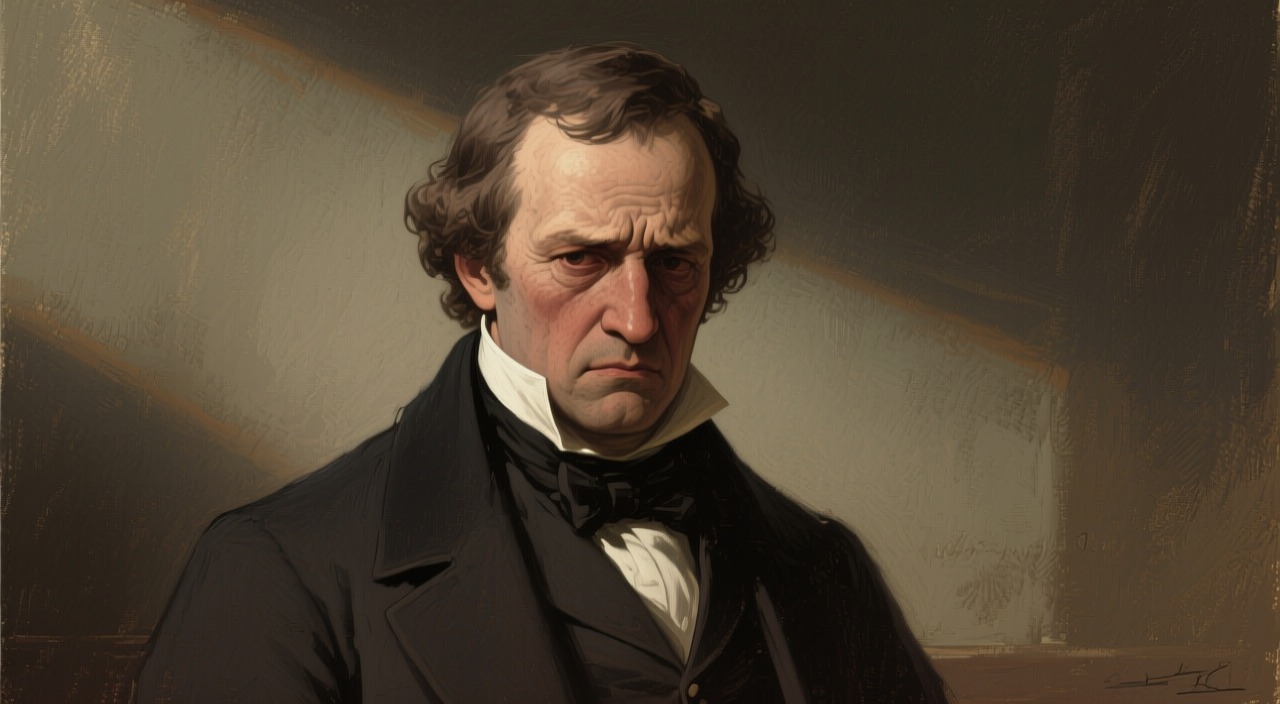
Class Hatred
Anger
Frederick resents Miranda's class. He wants to possess what he cannot have.
Motivation
His crime is partly an act of class revenge. The novel explores the dark side of class envy.
The Impotence of the Upper Class
Privilege Cannot Save
Miranda's Helplessness
Despite her cultural capital, she cannot escape. Her class does not protect her.
Critique
The novel suggests that class is not a shield against violence. The system fails her.
The Novel's Social Commentary
A Critique of 1960s Britain
Class Rigidity
The novel is set in 1963, a time of social change. It critiques the rigid class structure.
Relevance
The story is a warning about the consequences of class division. The theme is timeless.
the characters' backgrounds
during captivity
throughout
his motivation
Miranda's situation
overall
