
The Role of Art in Life and Death
The CollectorExplores how art reflects life, serves as a means of transcendence, and endures beyond death.
increasing Bearing strength in each event
 decreasing
Bearing strength in each eventdecreasingArt as Life
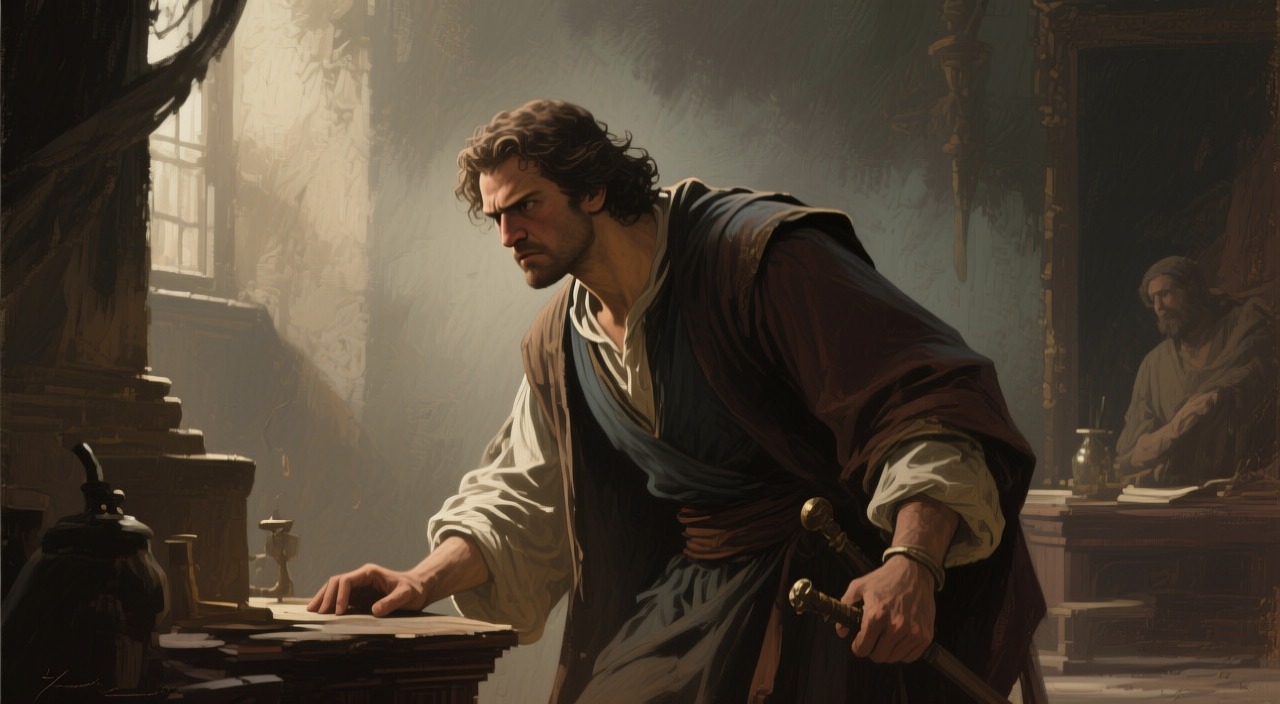
Creativity as Vitality
Miranda's Passion
Her art is her life. It defines her.
Expression
Through painting, she expresses her soul. The novel shows art as an essential part of being human.
Art in Captivity
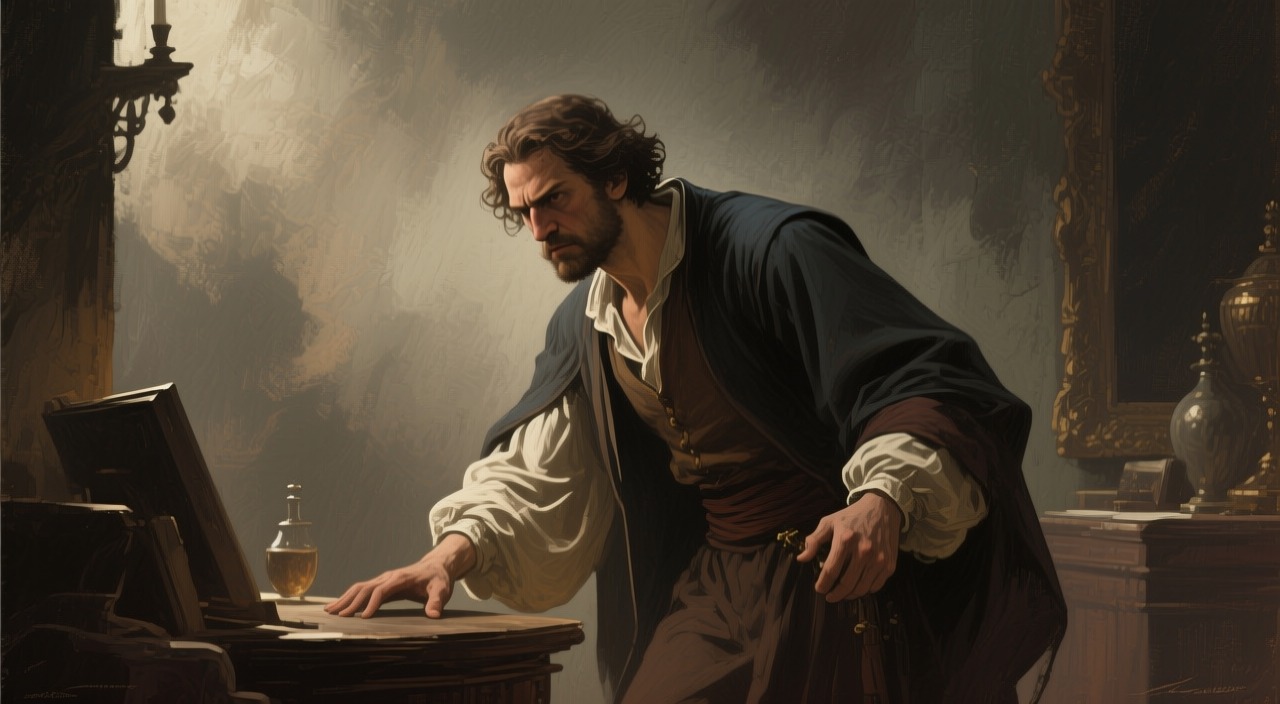
Art as Survival
Coping Mechanism
Miranda uses art to endure her captivity. It keeps her sane.
Limitation
But it cannot replace freedom. Art is a support, not a solution.
Art as Resistance
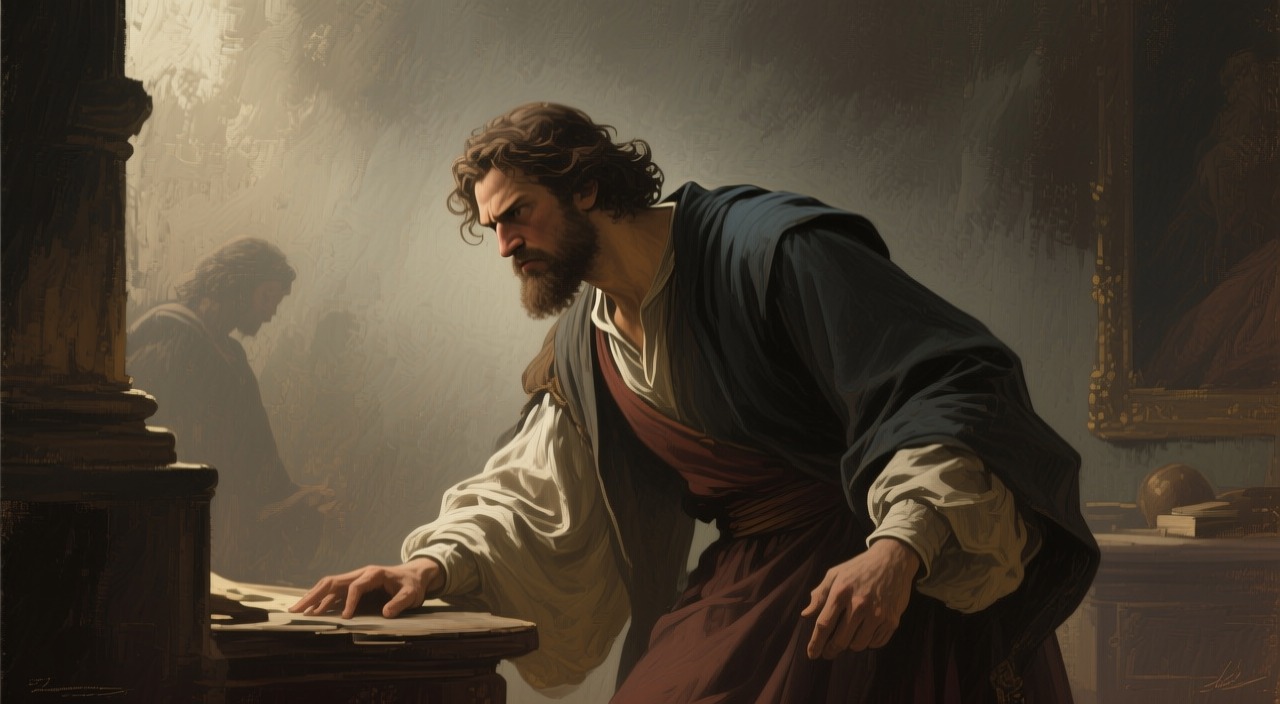
A Weapon of the Weak
Portraits of Frederick
She paints him as he is, ugly. It is an act of defiance.
Power of Art
Art gives her a voice. It allows her to fight back without physical strength.
Art as Witness
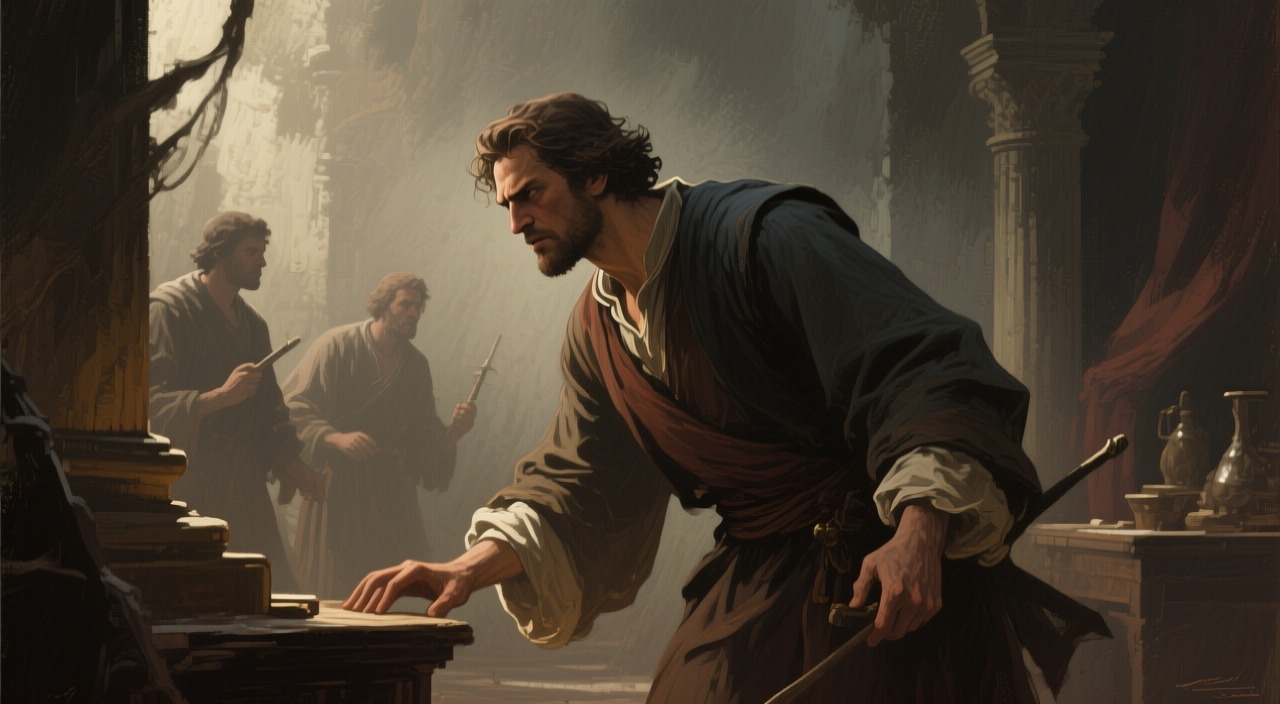
Recording the Truth
Evidence
Her art and diary are evidence of her experience. They tell the story.
Importance
They ensure her voice is heard. Art becomes a testament to her life.
Art After Death
Legacy
Surviving Art
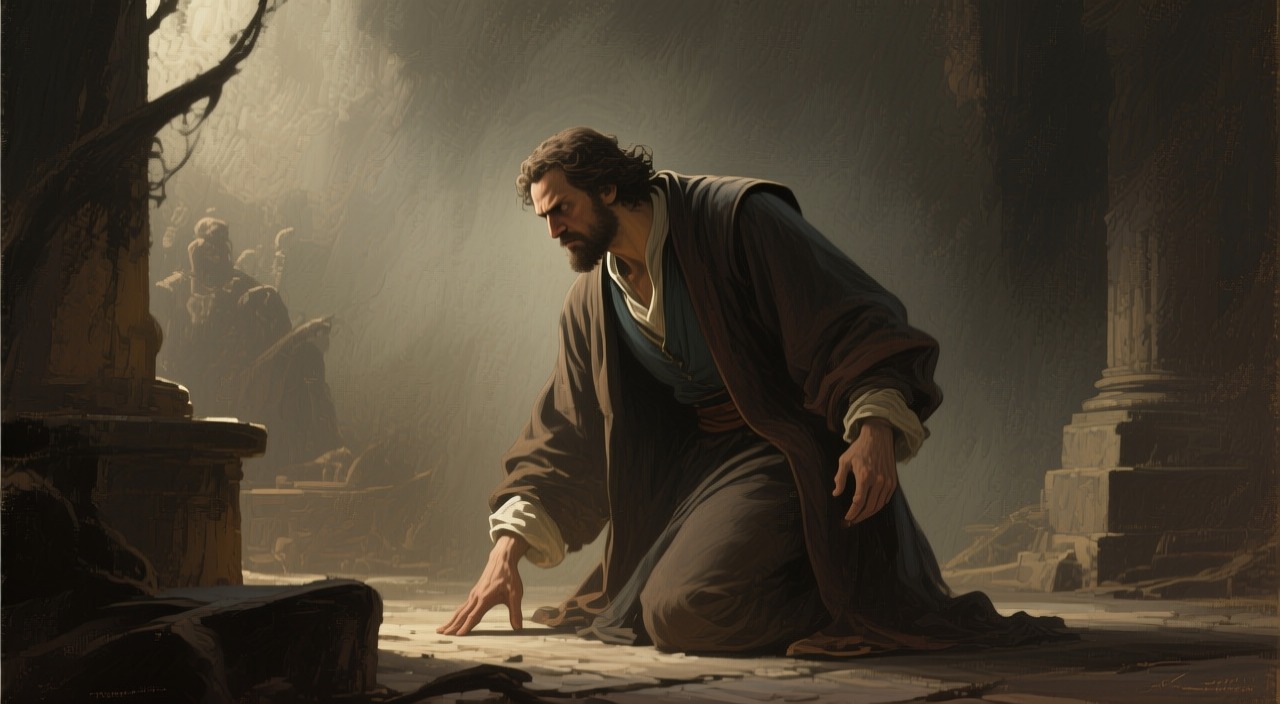
Miranda's paintings and diary outlive her. They are all that remains.
Meaning
Art transcends death. The novel suggests that art is a form of immortality.
The Collector's Misunderstanding
Art as Object
Frederick's Perspective
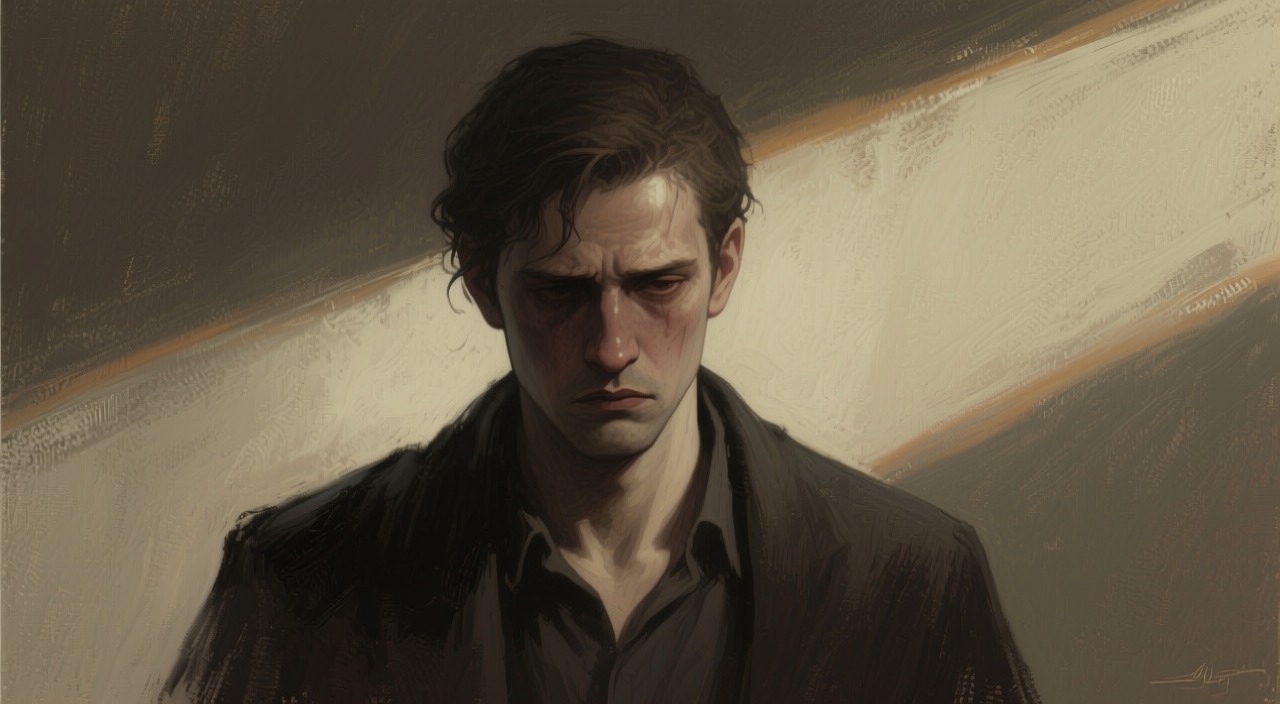
He sees art as a commodity, not as a living thing.
Irony
He keeps her art, but does not understand it. The novel contrasts the collector's view of art with the artist's view.
Miranda's life
during imprisonment
mid-captivity
Miranda's diary and paintings
posthumously
Frederick's view
