
The Pursuit of the Keystone through Paris
The Da Vinci CodeLangdon and Sophie follow clues left by Saunière, leading them to a bank vault, the Templar church, and ultimately to the identity of the keystone.
increasing Bearing strength in each event
 decreasing
Bearing strength in each eventdecreasingDecoding the Anagram
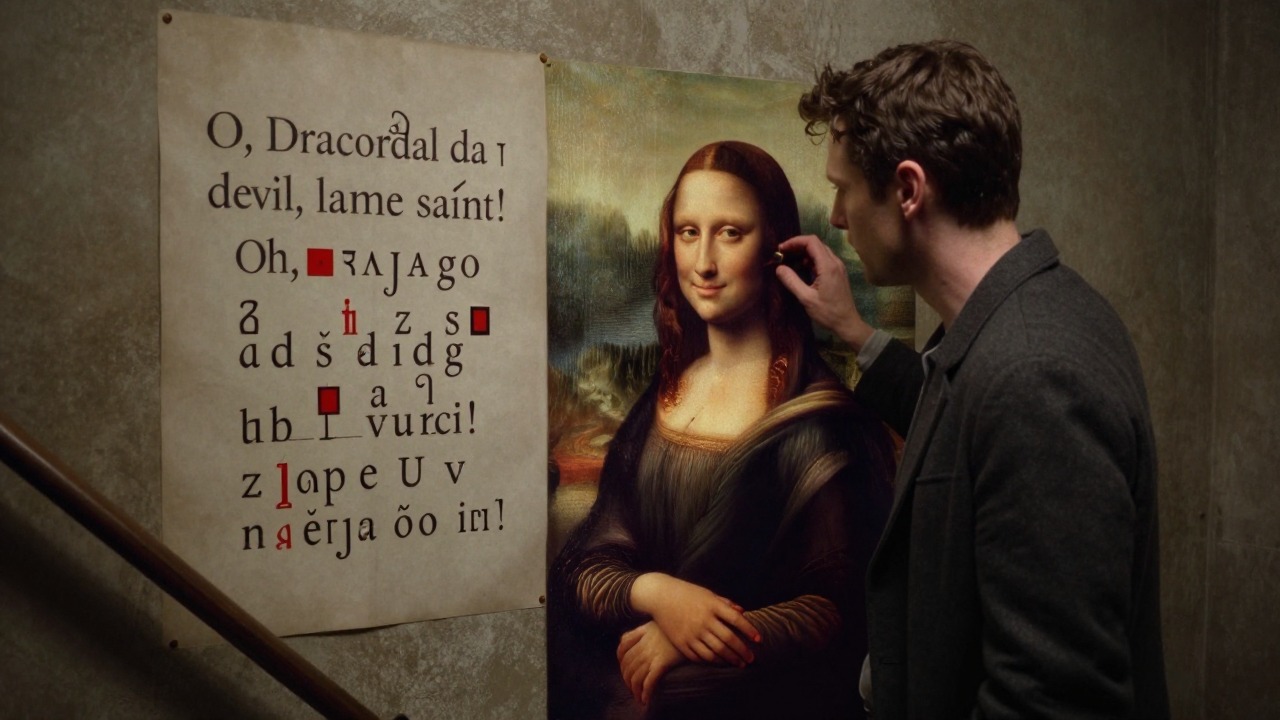
The Anagram Revealed
Recognizing the Code
In the emergency stairwell, Langdon realizes that the scrambled Fibonacci numbers are a clue to the anagram in the text. "O, Draconian devil! Oh, lame saint!" is an anagram for "Leonardo da Vinci! The Mona Lisa!" This leads them to believe Saunière left a message at the Mona Lisa.
The Decision to Return
Sophie decides to go back to the Mona Lisa to investigate, while Langdon is urged to escape. She gives him her car keys and tells him to go to the U.S. Embassy. However, Langdon, after further reflection, follows her back into the Salle des Etats.
Finding the Key Behind Madonna of the Rocks
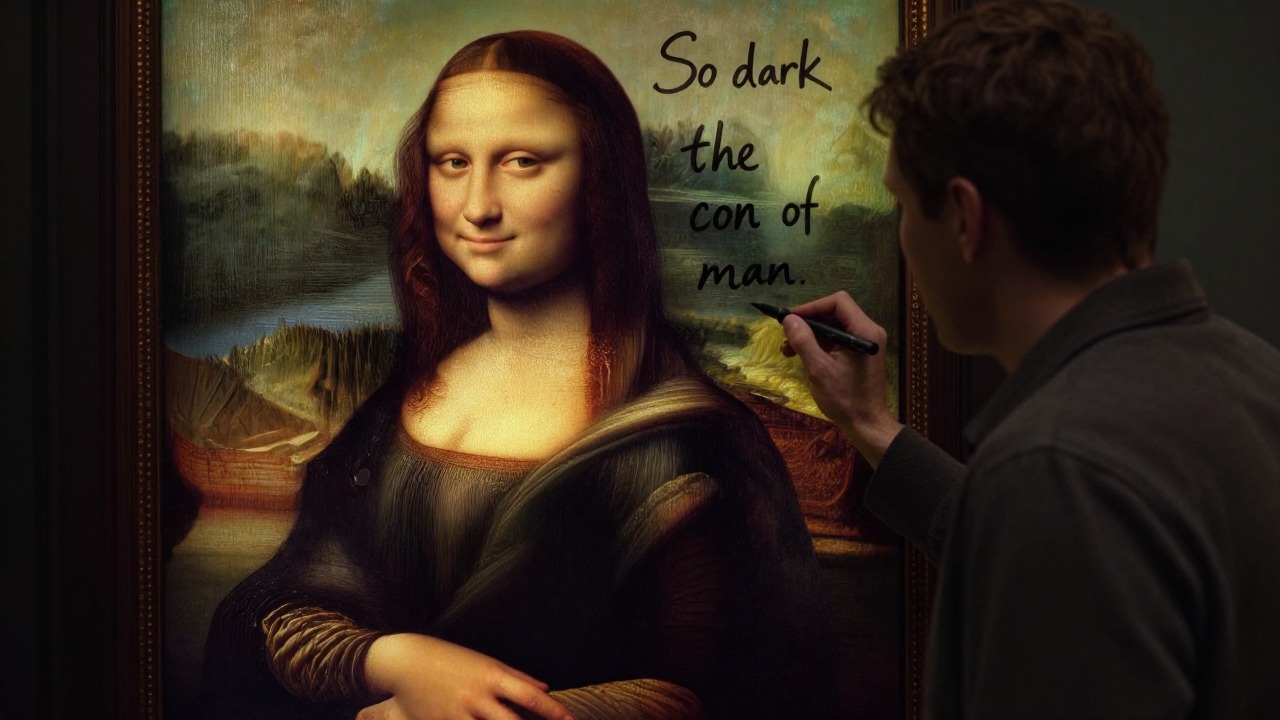
The Second Da Vinci Painting
The Message on the Mona Lisa Glass
Using a black light, Sophie and Langdon find a message scrawled on the protective glass of the Mona Lisa: "So dark the con of man." This is a Priory maxim about the Church's suppression of the sacred feminine. While searching for more, Sophie notices a glint behind the nearby painting, Madonna of the Rocks.
The Gold Key
Sophie retrieves a gold key with a cruciform head and a fleur-de-lis seal, bearing the initials P.S. This is the key her grandfather had promised her years ago. She realizes the entire treasure hunt was designed to lead her to this key, which opens a safe-deposit box at the Depository Bank of Zurich.
The Bank Vault and the Cryptex
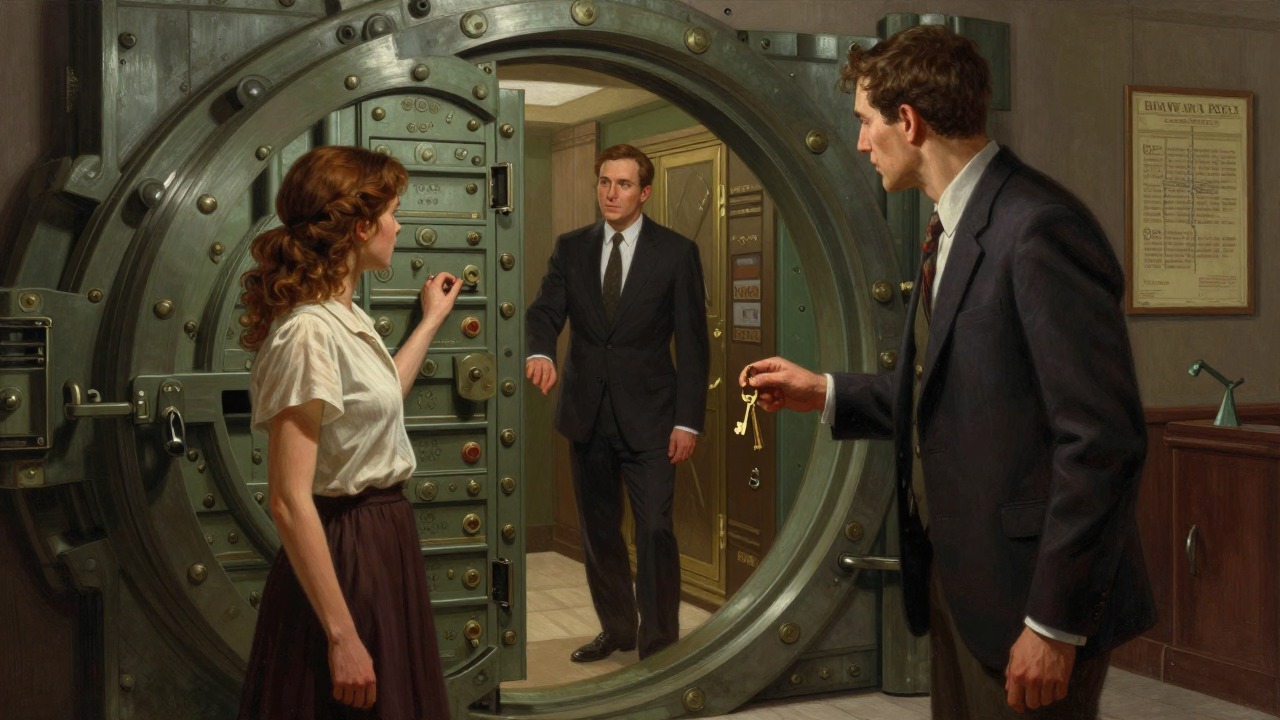
Accessing the Safe-Deposit Box
Entering the Bank
Sophie and Langdon drive to the Depository Bank of Zurich. Using the gold key, they gain access to the bank's underground vault. The manager, André Vernet, is initially suspicious but helps them when he learns of Saunière's death. Sophie and Langdon enter the account number (the Fibonacci sequence: 1123581321) and retrieve a large plastic crate.
The Rosewood Box
Inside the crate is a rosewood box with an inlaid rose. Opening it, they find a marble cylinder with lettered dials—a cryptex. The cryptex contains a vinegar vial that would destroy the papyrus scroll inside if forced open. The password is unknown. Meanwhile, Vernet, after learning of the manhunt, turns on them and demands the box back, but they escape in an armored truck.
Seeking Help at Château Villette
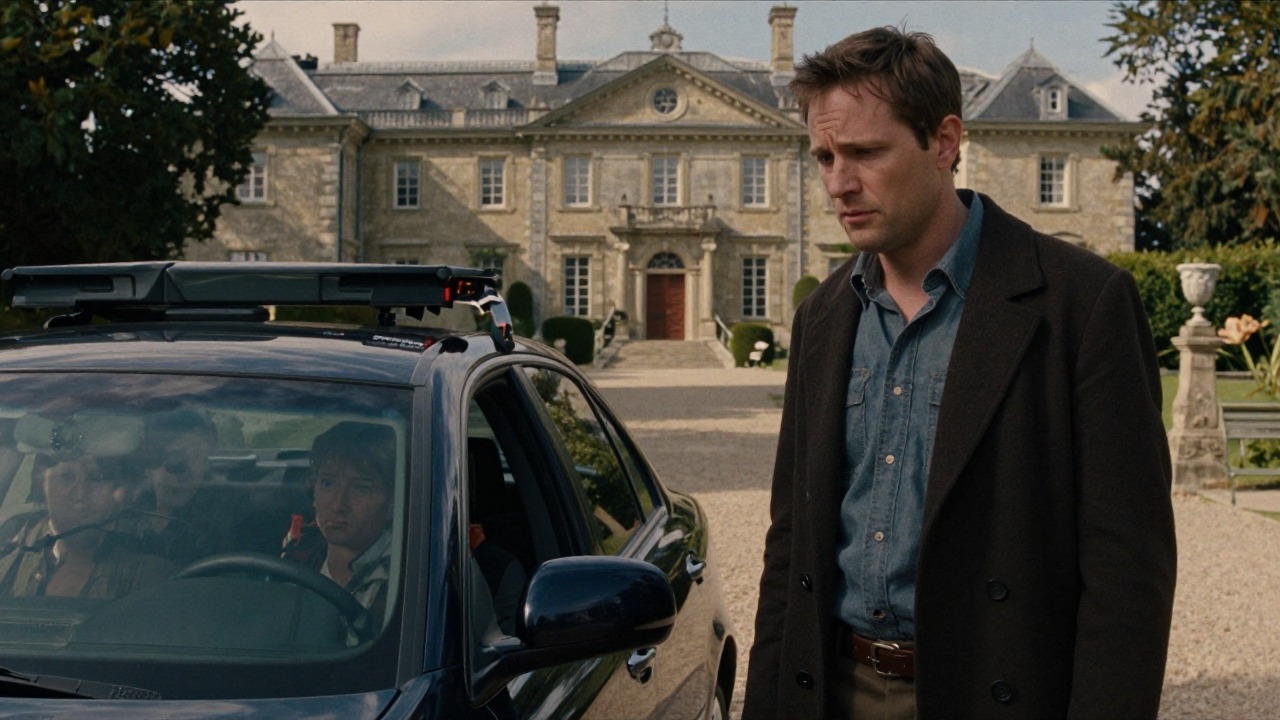
Arrival at Teabing's Estate
The Decision to Consult Teabing
With the police closing in, Langdon suggests they seek help from Sir Leigh Teabing, a Grail historian. They drive to Château Villette, Teabing's estate. Teabing is initially upset to learn they are fugitives, but when Sophie mentions the keystone, his interest is piqued.
The History of the Grail
Teabing explains the true nature of the Holy Grail: it is not a cup but Mary Magdalene, who carried Jesus' bloodline. He shows them Da Vinci's The Last Supper, pointing out Mary Magdalene seated beside Jesus. The cryptex, he believes, is the keystone—a map to the Grail's hiding place.
Decoding the Poem and Opening the Cryptex
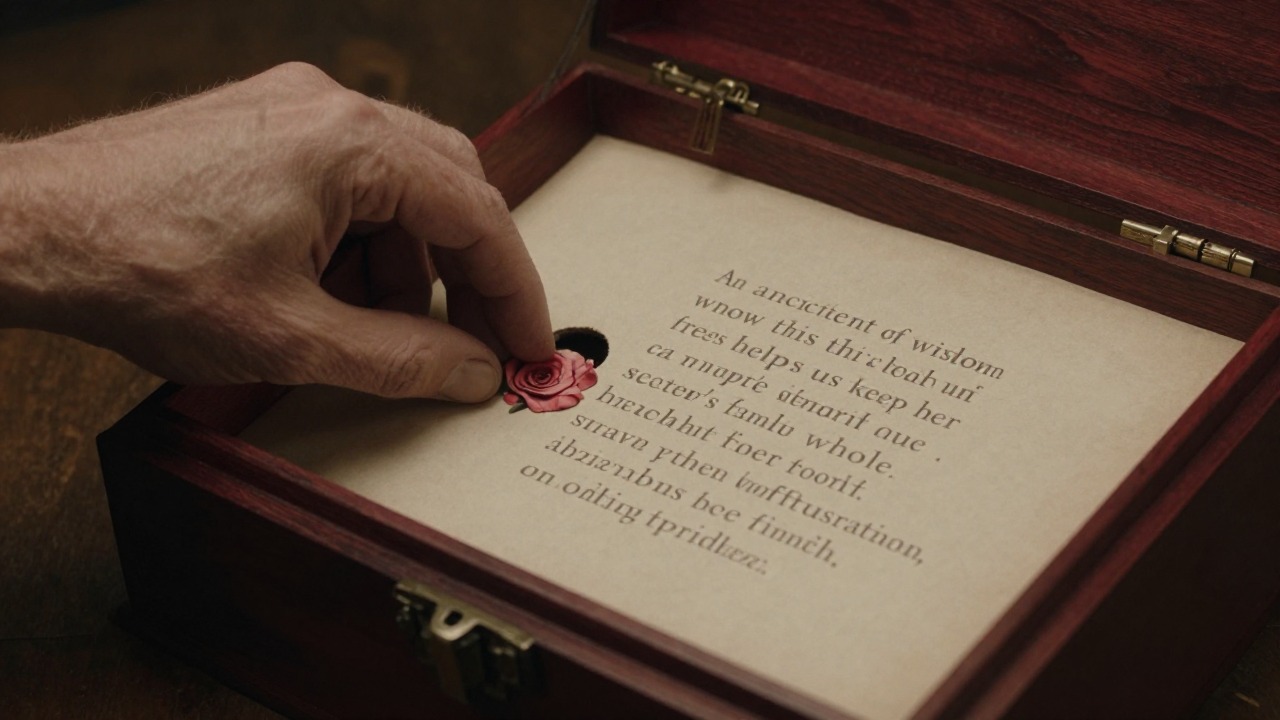
The Poem on the Box Lid
Removing the Inlay
Langdon discovers a small hole in the lid of the rosewood box. He removes the inlaid rose, revealing a poem in reverse text. Sophie reads it: "An ancient word of wisdom frees this scroll... and helps us keep her scatter'd family whole... a headstone praised by templars is the key... and atbash will reveal the truth to thee."
Applying the Atbash Cipher
Teabing and Langdon deduce that the "headstone praised by Templars" is Baphomet. Using the Atbash Cipher on the Hebrew spelling of Baphomet, they derive the word "Sophia" (Greek for wisdom). The password is SOFIA. Sophie opens the cryptex, but inside is a smaller black cryptex with another poem. The new poem points to a knight's tomb in London.
The Temple Church and Newton's Tomb
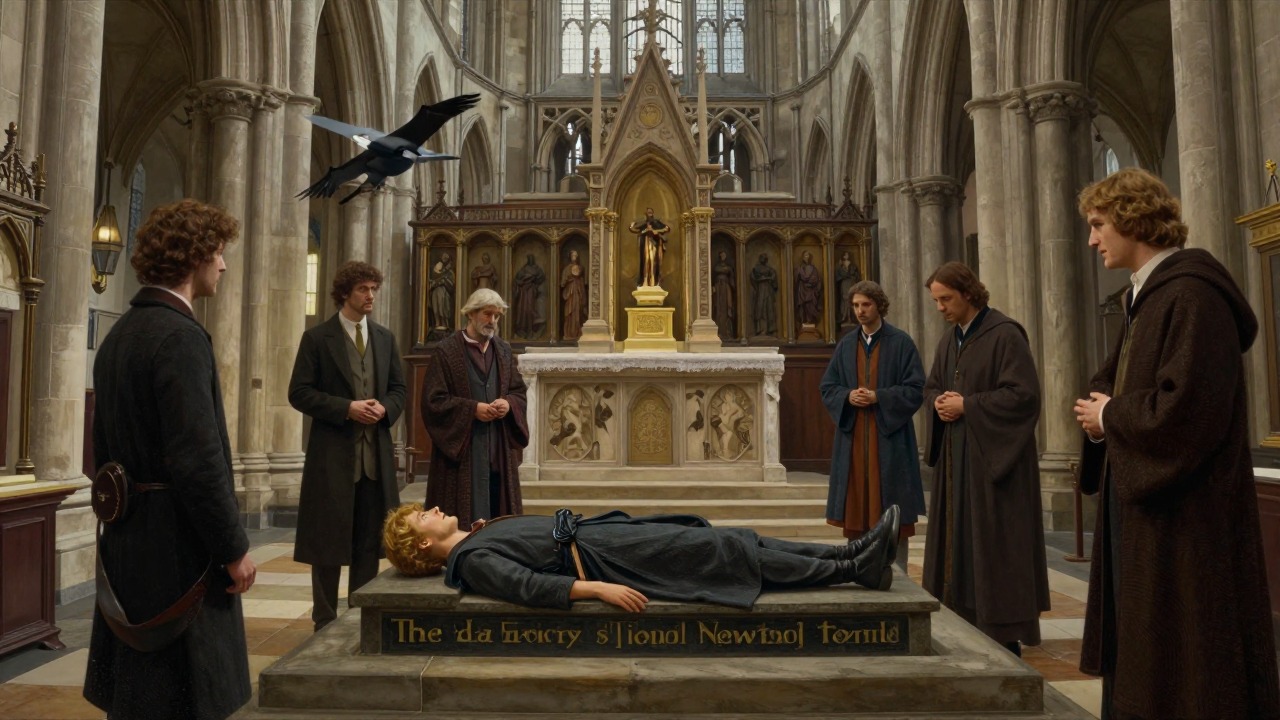
Searching for the Knight's Tomb
The Temple Church
After flying to London, the group visits the Temple Church, but the tombs there are effigies, not actual burials. The altar boy reveals that no bodies are beneath the effigies, so the poem must refer to a different tomb. They then realize the "knight a Pope interred" is Sir Isaac Newton, buried in Westminster Abbey, with Alexander Pope presiding.
Newton's Tomb
At Westminster Abbey, they find Newton's tomb, which displays an orb with constellations. The poem's missing orb is the apple of Newton's inspiration. The password is APPLE. Langdon opens the second cryptex, revealing a papyrus map that points to Rosslyn Chapel.
The Final Revelation at Rosslyn and the Louvre
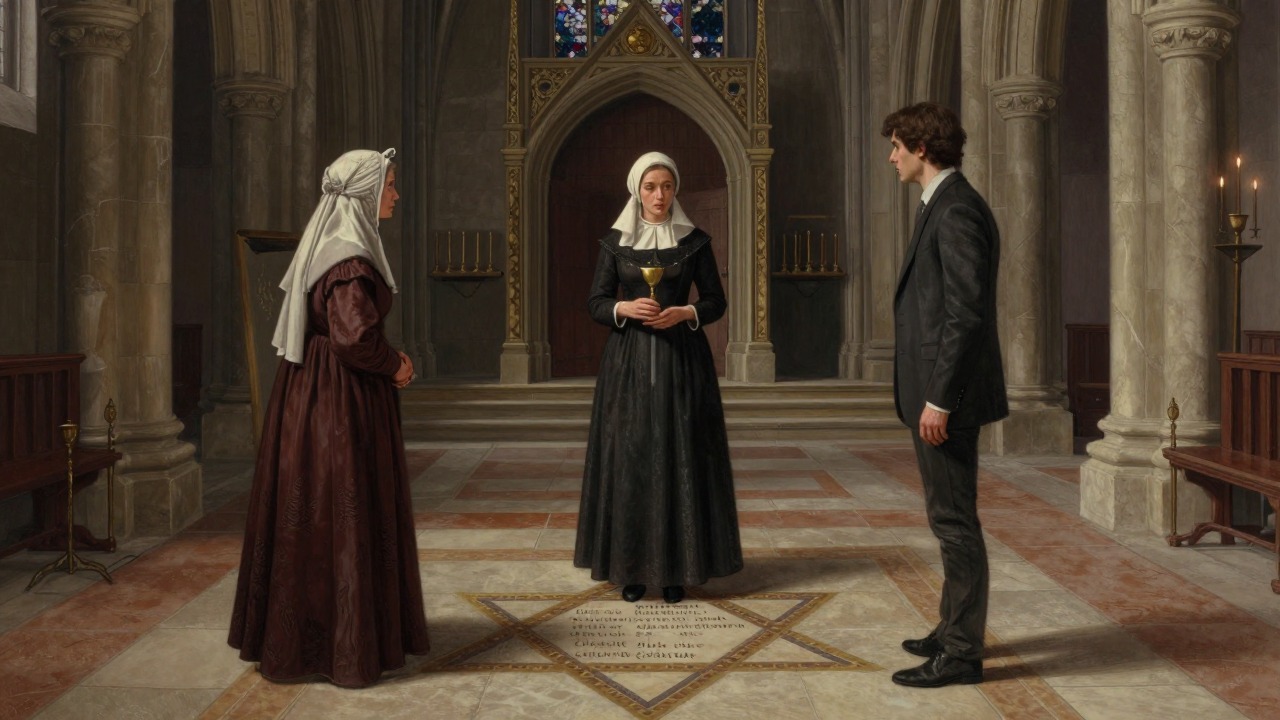
Rosslyn Chapel
The Family Reunion
At Rosslyn, Sophie meets her grandmother, Marie Chauvel, and learns she has a brother. The poem's reference to the blade and chalice is the Star of David on the chapel floor. However, Marie reveals that the Grail is no longer there; it was moved to France.
The True Location
Langdon later realizes the final resting place is beneath the Louvre's inverted pyramid, along the ancient Rose Line. The blade and chalice are represented by the glass pyramid and the inverted pyramid. He kneels in reverence, understanding that the Holy Grail—Mary Magdalene's tomb—lies beneath the Louvre.
Shortly after escaping the Louvre
Later that night, in the Salle des Etats
Later that night, at the bank
After the bank escape, early morning
Later that night, at Château Villette
The next morning, in London
Later that day, at Rosslyn and then at the Louvre
