
Count Ugolino's Starvation
The Divine ComedyThe harrowing tale of Count Ugolino, who was imprisoned with his sons and starved to death by Archbishop Ruggieri.
increasing Bearing strength in each event
 decreasing
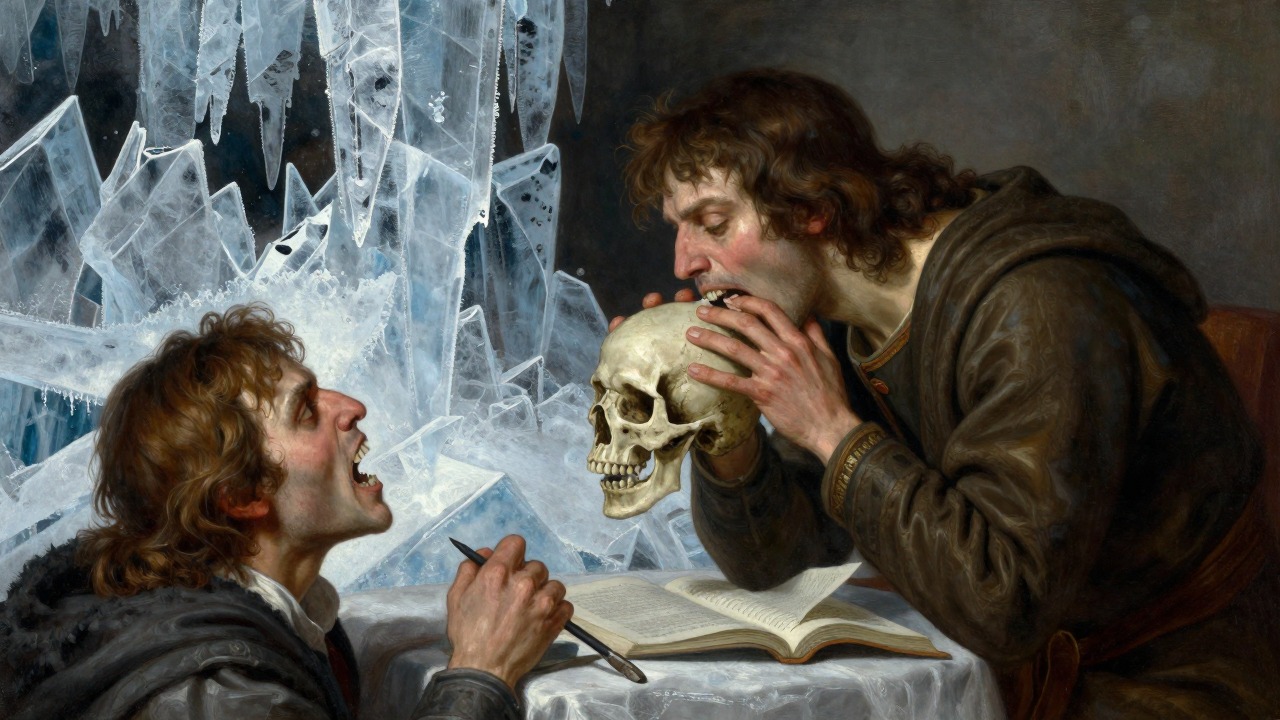
Bearing strength in each eventdecreasingUgolino Gnawing Ruggieri's Skull
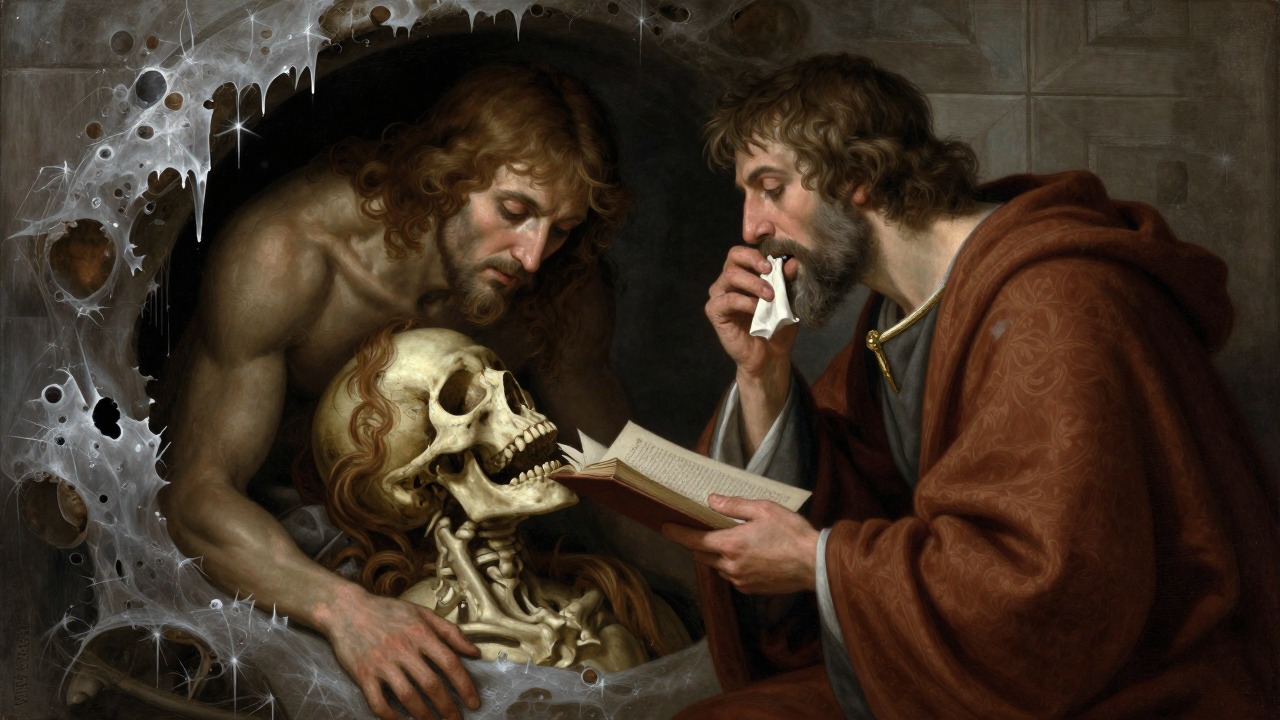
The Grisly Sight
The Frozen Pair
Dante sees two souls frozen in one hole, one gnawing the other's skull. The upper one is Count Ugolino, the lower Archbishop Ruggieri.
The Request
Ugolino pauses to speak, wiping his mouth on his victim's hair. He offers to tell his story if Dante will spread the infamy of Ruggieri.
The Dream of the Hunt
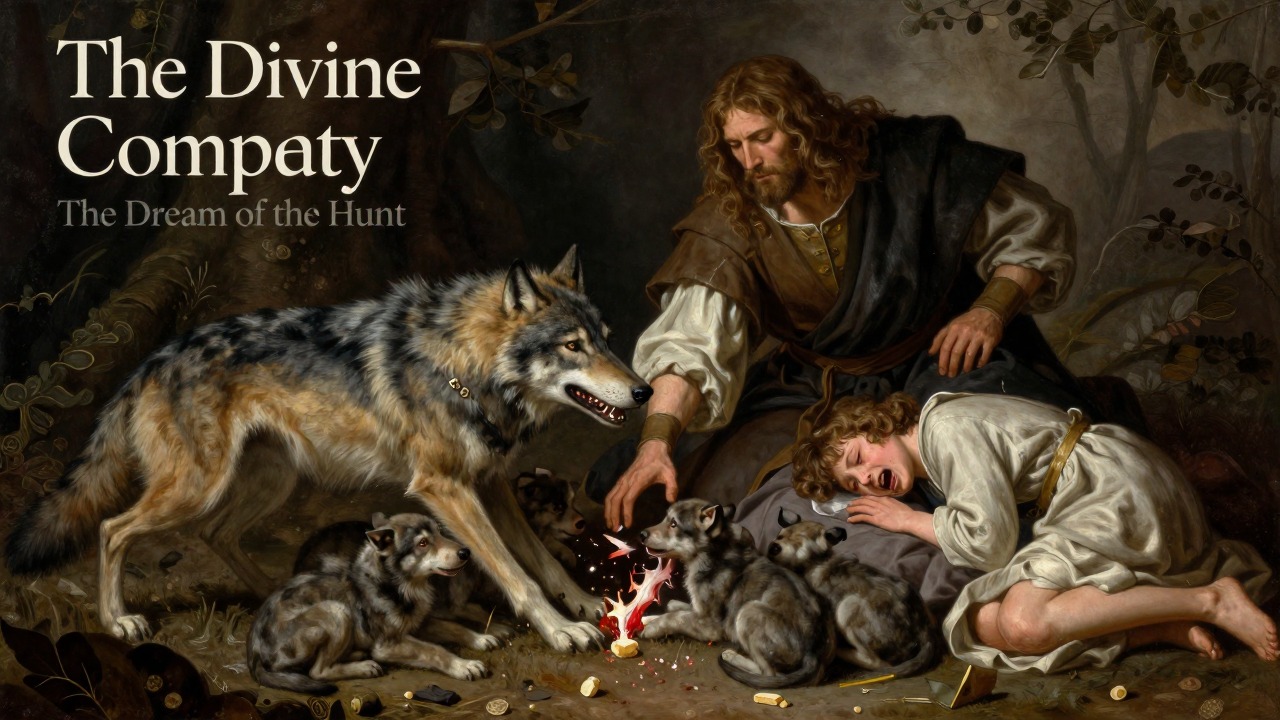
The Prophetic Dream
The Wolf and the Whelps
Ugolino dreamed that Ruggieri, as a lord, hunted a wolf and its cubs (Ugolino and his sons) with hounds. The father and sons were torn apart.
The Awakening
Ugolino awoke to hear his sons crying in their sleep, asking for bread. The dream foreshadowed their fate.
The Imprisonment and Starvation
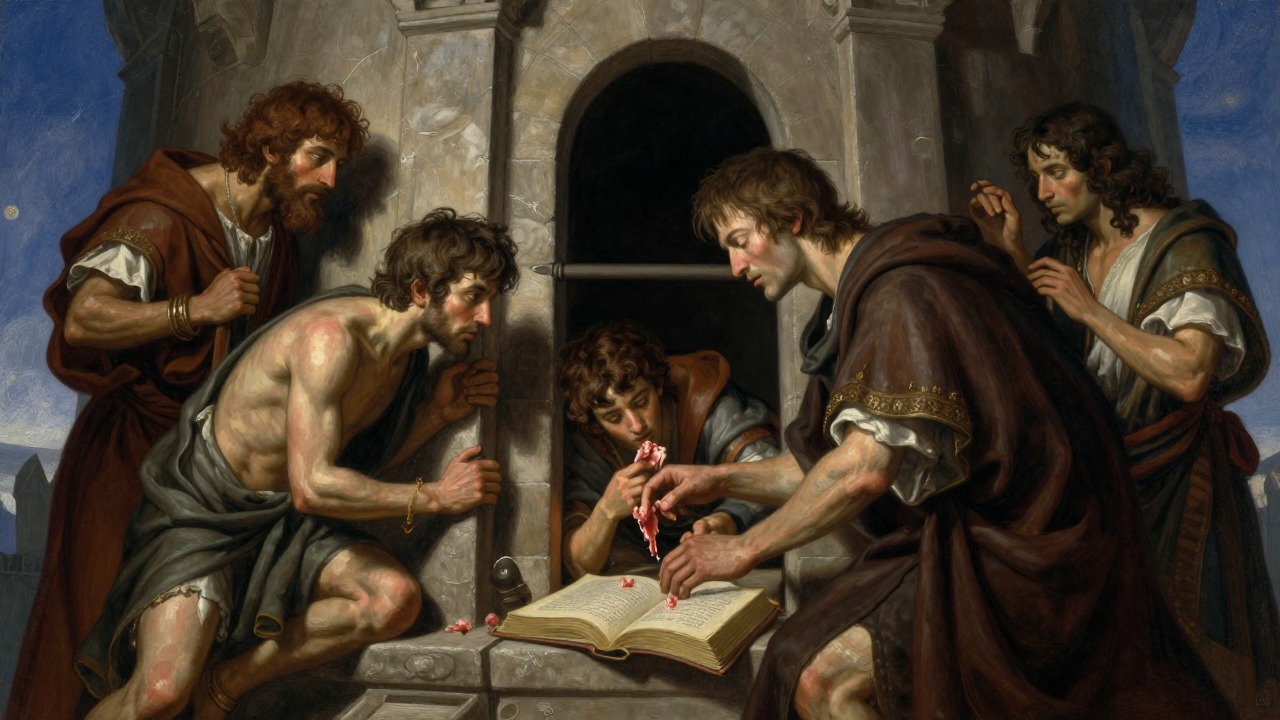
The Horrible Death
The Locked Tower
Ugolino and his sons were locked in the tower and fed nothing. Day by day, they wasted away. His sons offered their own flesh to him, but he refused.
The Deaths
One by one, his sons died: Gaddo on the fourth day, then the others. Ugolino, already blind, groped over their bodies and called their names for three days. Finally, hunger overcame his grief, and he died.
Dante's Curse on Pisa
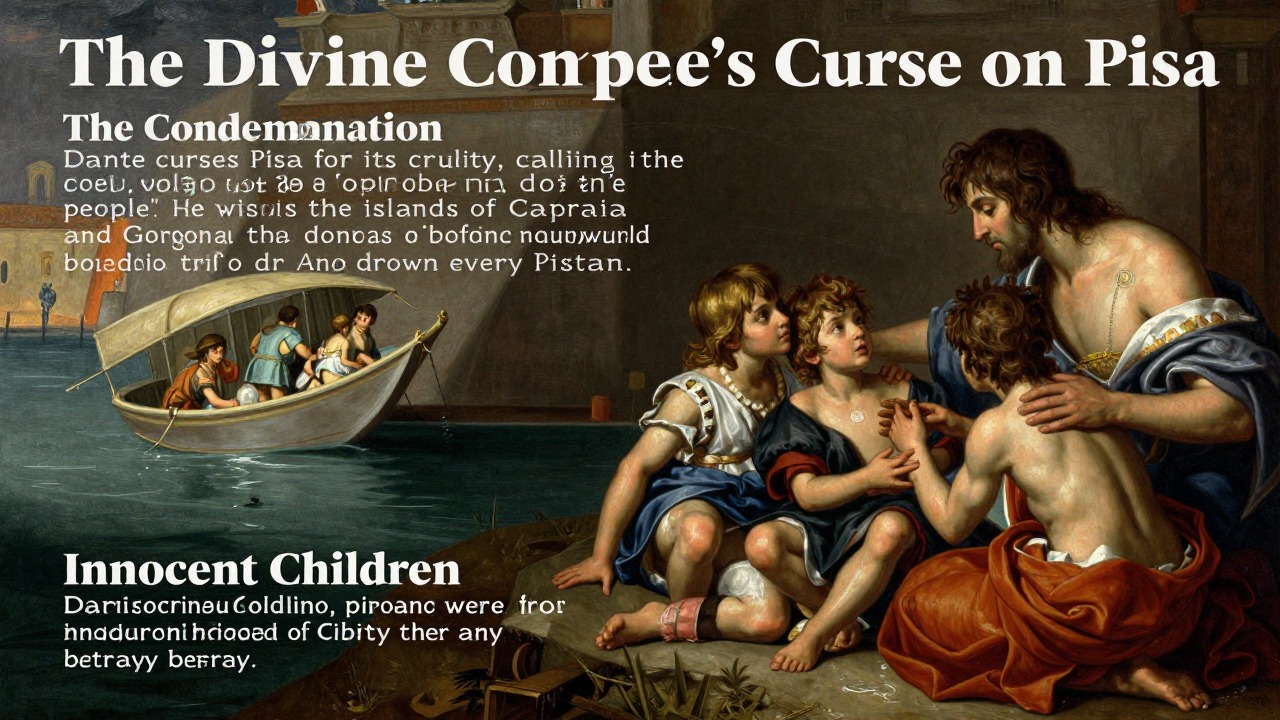
The Invective
The Condemnation
Dante curses Pisa for its cruelty, calling it the 'opprobrium of the people.' He wishes the islands of Capraia and Gorgona would block the Arno and drown every Pisan.
The Innocent Children
Dante emphasizes that Ugolino's sons were innocent of any betrayal. Their youth made their deaths even more tragic.
The Contrapasso of Treachery
The Frozen Punishment
The Ice of Cocytus
Traitors are frozen in ice, symbolizing the coldness of their hearts. Ugolino's eternal punishment is to gnaw Ruggieri, mirroring his earthly hunger and rage.
The Eternal Meal
Ugolino's act of eating Ruggieri's skull is a grotesque contrapasso for the betrayal that led to his starvation. It also reflects the cannibalistic desperation of his final days.
In the ninth circle, Antenora, among traitors to country
Before the imprisonment, in Ugolino's dream
After the dream, in the Tower of Famine
After Ugolino's story, in the ninth circle
In the ninth circle, context of the ice
