
The Punishment of the Falsifiers
The Divine ComedyThe grotesque torments of those who committed fraud through alchemy, impersonation, counterfeiting, and perjury.
increasing Bearing strength in each event
 decreasing
Bearing strength in each eventdecreasingThe Alchemists' Disease
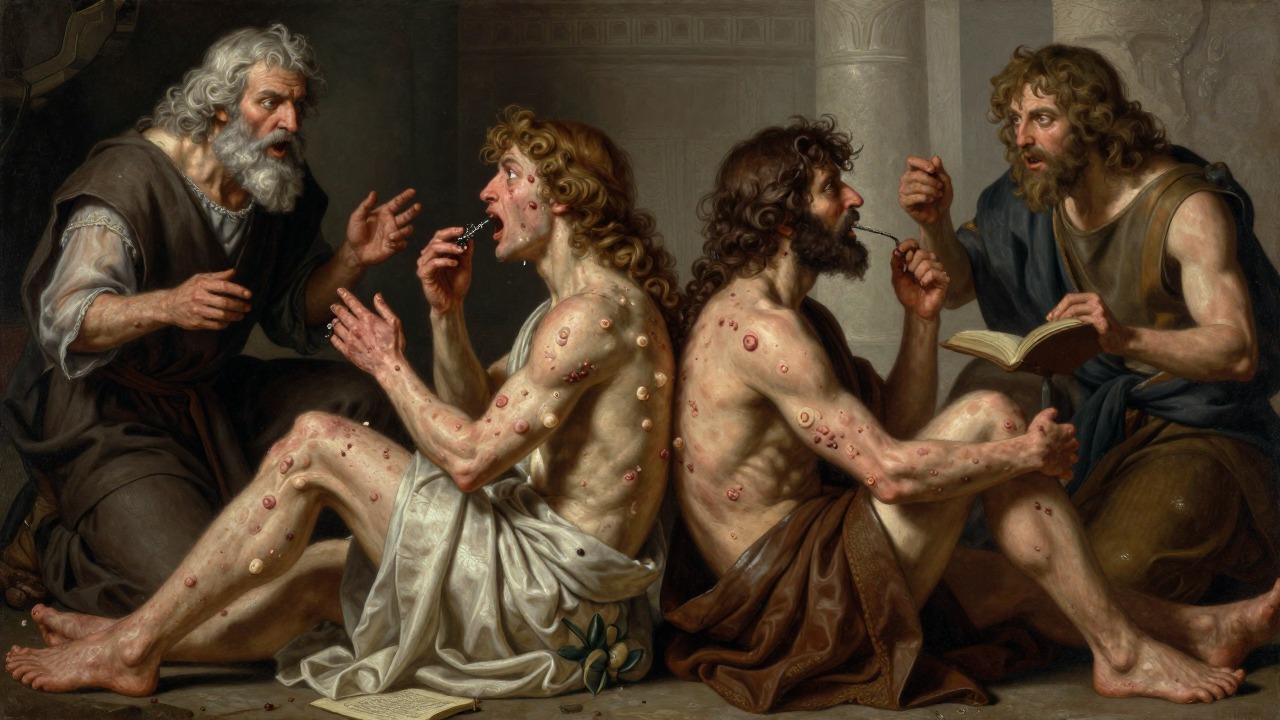
The Sick Souls
The Scabs
Dante sees souls covered with scabs, scratching themselves furiously. Two sit back to back, scraping off the crust. They are alchemists who falsified metals.
Capocchio and Griffolino
Capocchio, an alchemist from Siena, speaks. He was burned for his art. Griffolino d'Arezzo, who pretended to fly, was also burned. Their punishment is disease.
Gianni Schicchi and Myrrha
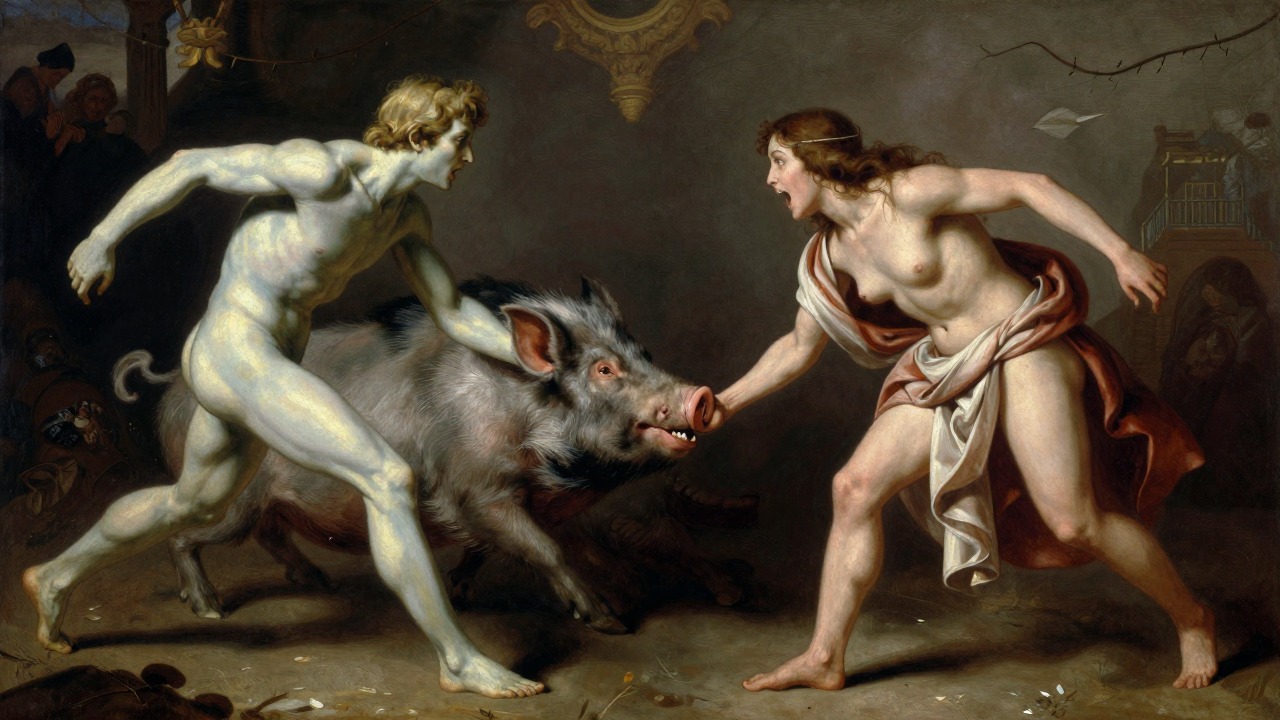
The Mad Runners
The Biting Spirits
Two naked, pale souls run through the bolgia, biting others like boars. One is Gianni Schicchi, who impersonated Buoso Donati to make a will. The other is Myrrha, who committed incest with her father.
The Contrapasso
Their madness reflects their fraudulent identities. They are driven to bite, just as they 'bit' others through deception.
Master Adam and the Counterfeit Coin
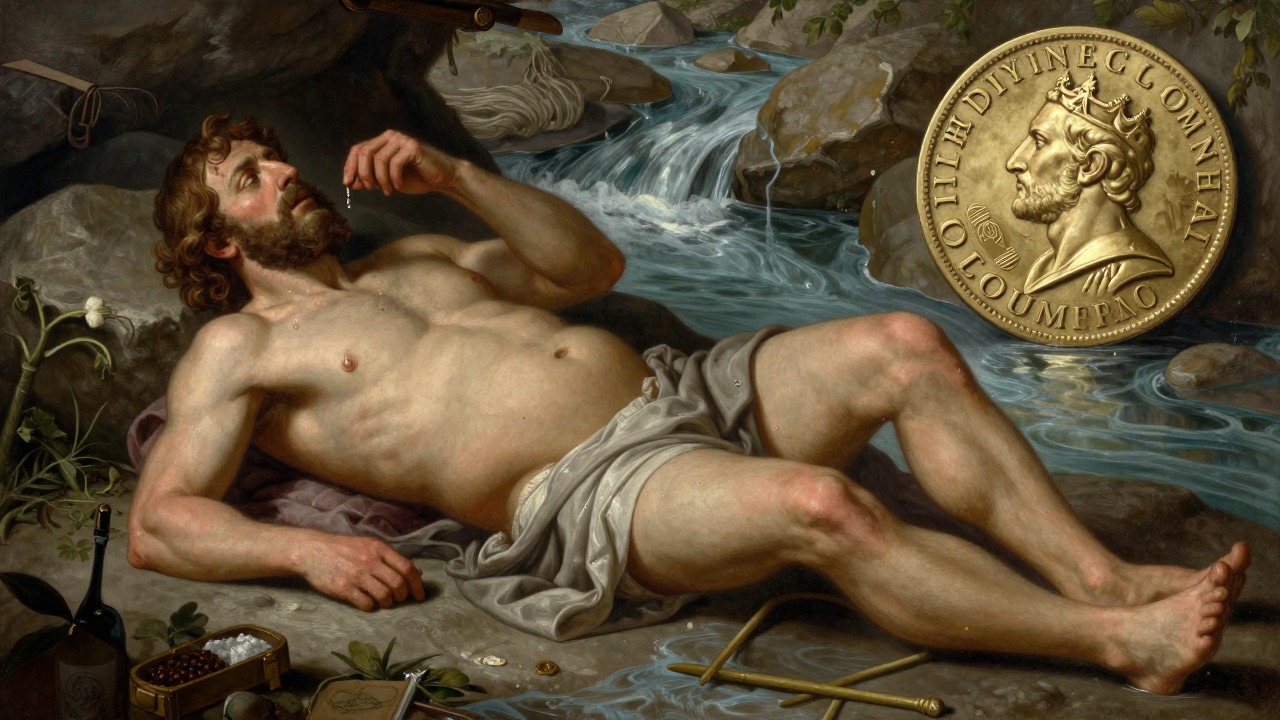
The Dropsical Man
The Distorted Body
Master Adam, a counterfeiter, lies with a swollen belly and distorted limbs. He suffers from dropsy and thirst, longing for a drop of water.
The Memory of Romena
He recalls the streams of Casentino, which only increase his torment. He was burned for coining florins with three carats of alloy.
Sinon of Troy and the Quarrel
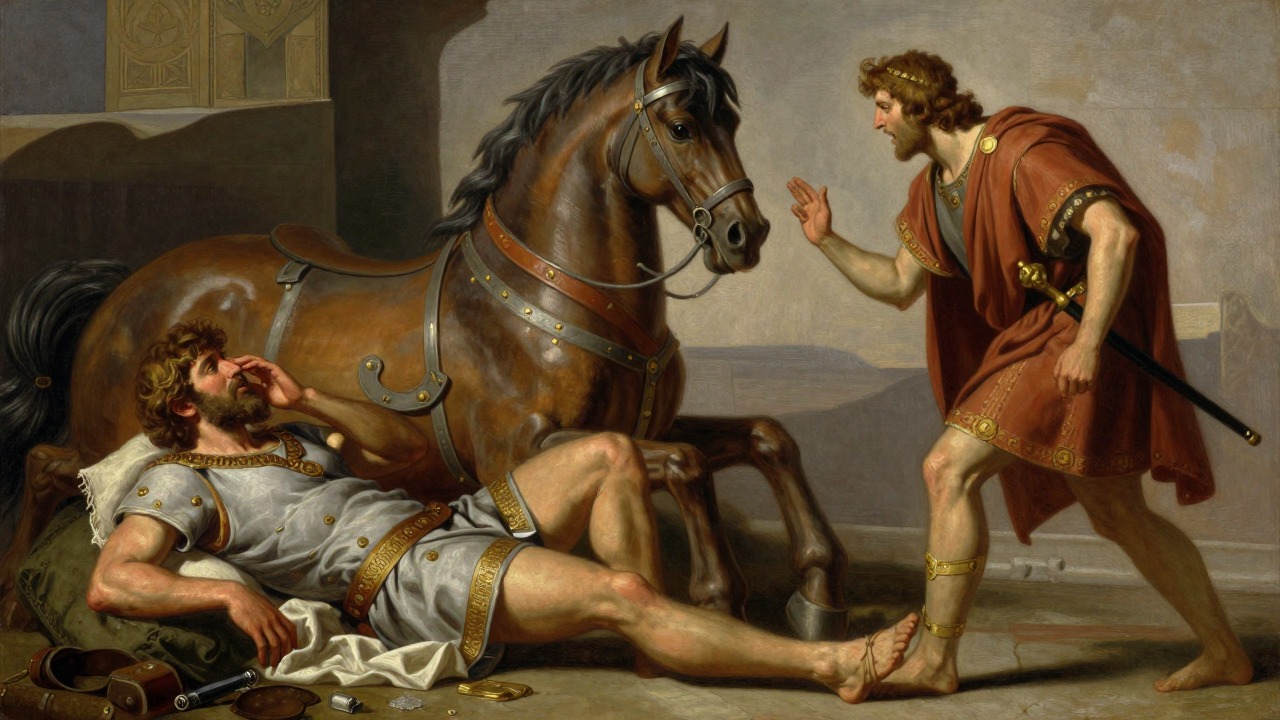
The Bitter Argument
The Perjurer
Sinon of Troy, who lied about the Trojan Horse, lies nearby with a fever. He and Master Adam trade insults, each accusing the other of worse crimes.
Virgil's Rebuke
Dante is fascinated by their quarrel, but Virgil scolds him for listening to such base disputes. Dante feels shame and learns to avoid such distractions.
The Variety of Falsifiers
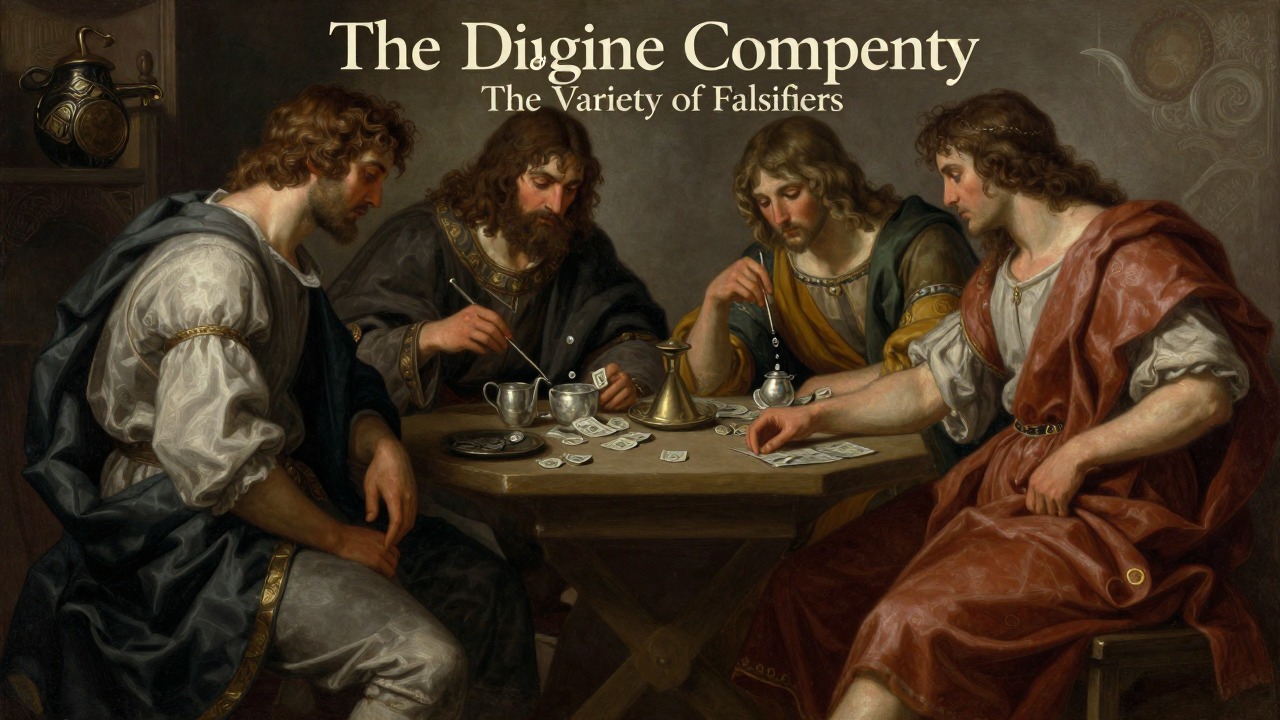
The Four Types
The Categories
The tenth bolgia punishes four kinds of falsifiers: alchemists (falsifiers of metals), impersonators (falsifiers of persons), counterfeiters (falsifiers of money), and perjurers (falsifiers of words).
The Unity of Fraud
All these sins involve a corruption of truth, whether in matter, identity, currency, or speech. Their punishments reflect the specific nature of their fraud.
In the tenth bolgia of Malebolge, among the falsifiers
After the alchemists, in the tenth bolgia
After the runners, in the tenth bolgia
After Master Adam, in the tenth bolgia
Throughout the tenth bolgia
