
Clamence's Fall from Grace
The FallTraces Jean-Baptiste Clamence's descent from a self-satisfied Parisian lawyer to a guilt-ridden exile in Amsterdam, triggered by a mysterious laugh and a woman's suicide.
increasing Bearing strength in each event
 decreasing
Bearing strength in each eventdecreasingThe Successful Lawyer
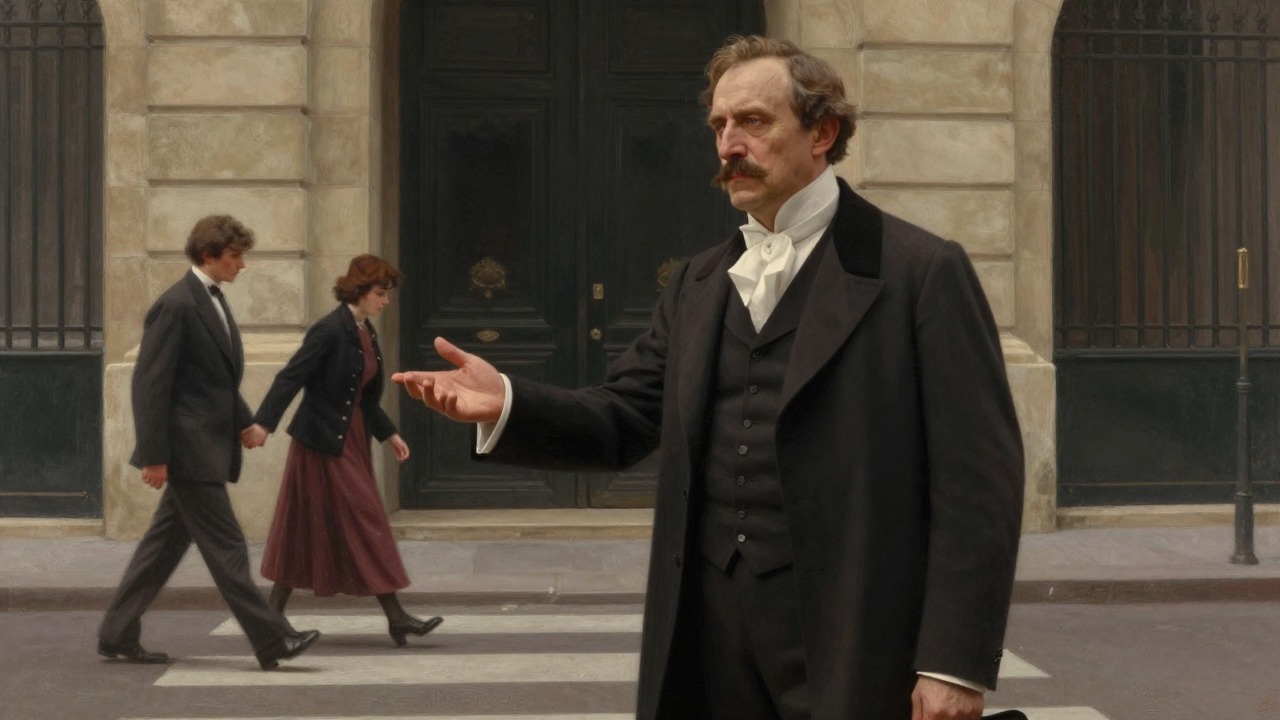
The pinnacle of virtue
A life of public service
Jean-Baptiste Clamence was a celebrated lawyer in Paris, specializing in noble cases for widows and orphans. He prided himself on his generosity, courtesy, and impeccable moral standing. He helped blind people cross streets, gave alms, and refused bribes. His life was a harmonious success, and he felt like a superman, bathed in the light of Eden.
The illusion of innocence
Clamence's self-esteem was immense. He believed he was marked out for happiness, without any religion. He soared above others, living in a state of perpetual satisfaction. He was in harmony with life, enjoying both intellectual and physical pleasures. This period was the zenith of his self-love, where he felt no guilt and no judgment.
The Laugh on the Pont des Arts
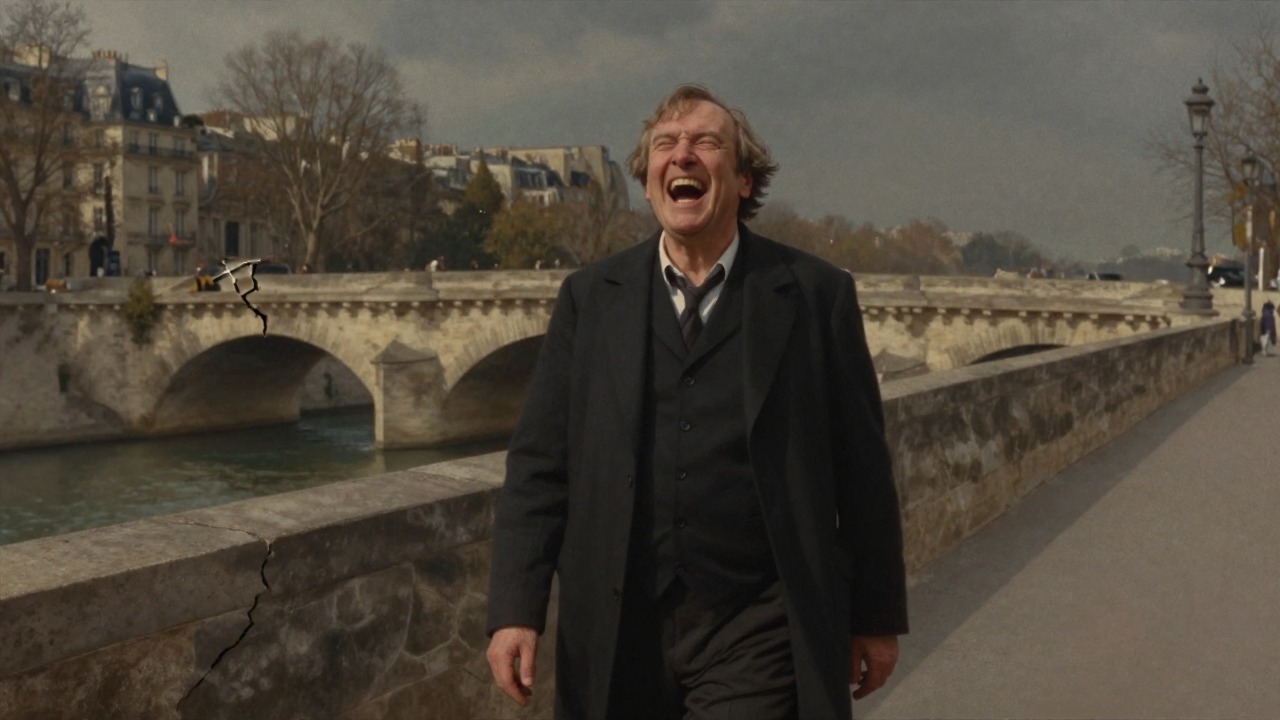
The crack in the edifice
A laugh out of nowhere
Walking on the Pont des Arts, Clamence felt a vast sense of power and completion. Then, a laugh burst out behind him, seemingly from nowhere. He spun around but saw no one. The laugh was friendly yet unsettling, and it followed him, echoing in his mind. This moment marked the beginning of his fall.
The beginning of doubt
That laugh shattered his perfect self-image. He began to hear it again, though he tried to forget. He stopped walking along the Paris quays. His health declined, and he felt a dejection he couldn't shake. The laugh represented the judgment of others, and his own conscience, that he could no longer ignore.
The Drowned Woman
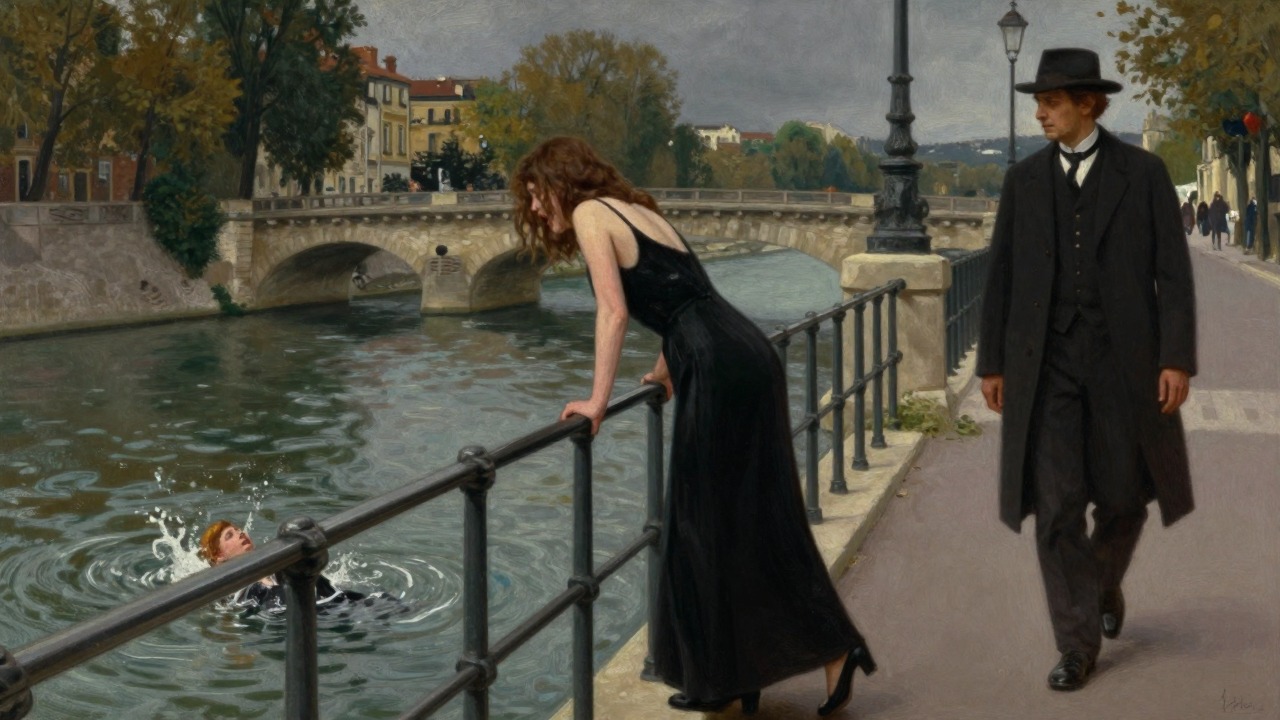
The fatal inaction
A woman in the river
Clamence was walking across the Pont Royal after visiting a mistress. He saw a slim young woman in black leaning over the railing. He passed her, then heard a body strike the water and a cry that ceased. He did nothing. He stood motionless, then walked away, informing no one. This was the secret he had buried.
The guilt that surfaces
Years later, the memory of this night returned with full force. He realized that his failure to act was the original sin that underlay his entire life. The cry of the drowning woman became the background noise of his existence, waiting for him on every sea and river. It was the baptism of his guilt.
The Unraveling of a Life
The collapse of pretense
Discovering duplicity
Clamence began to see the hypocrisy in his own virtues. He realized that his modesty helped him shine, his humility to conquer, and his virtue to oppress. He had been a liar, and his life was a performance. The praise of others became unbearable, and he felt the need to confess all his lies.
The attempt to escape
He tried to provoke judgment by acting out: he wrote an ode to the police, advocated for the guillotine, and used forbidden religious expressions in free-thinking circles. But these efforts only disconcerted opinion without disarming his own guilt. He felt cornered, and the laughter continued.
Exile in Amsterdam
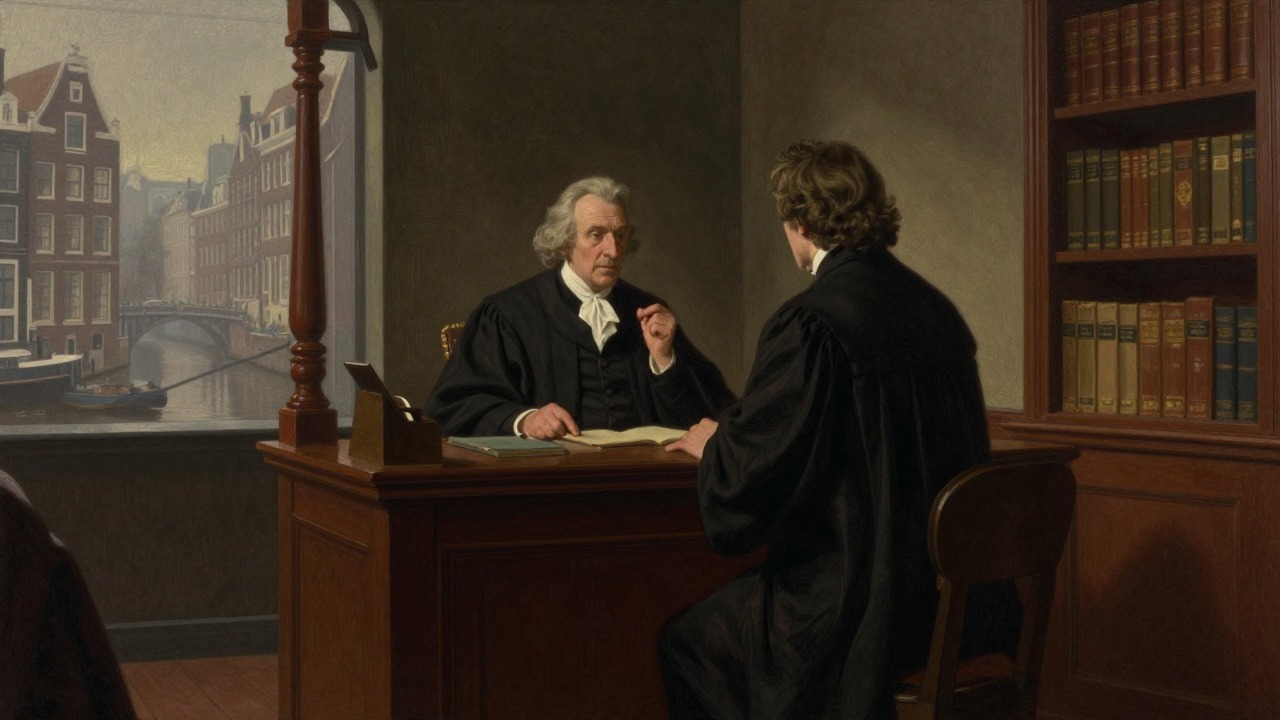
The judge-penitent's lair
A new identity
Clamence closed his law office, left Paris, and traveled. He eventually chose Amsterdam, a city of canals and fogs, and set up his practice at Mexico City, a bar in the sailors' quarter. He became a judge-penitent, a profession that allowed him to confess his sins publicly and thereby judge others.
The stolen panel
In his room, he harbored the stolen panel "The Just Judges" from the van Eyck altarpiece. This painting, of judges on horseback, symbolized his role: he alone knew the true judges, and he dominated by keeping them hidden. The theft was a crime that could lead to his arrest, which he half-hoped for.
The Final Confession
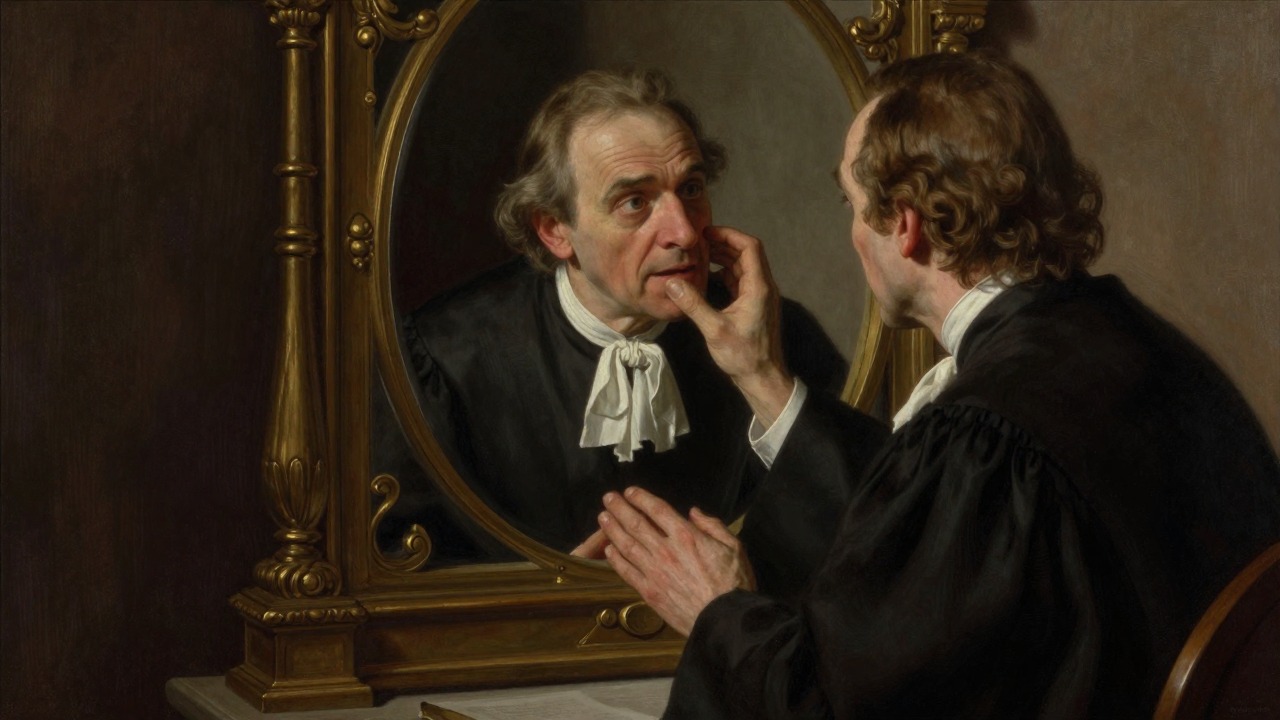
The full revelation
The method of the judge-penitent
Clamence explains his technique: he accuses himself in public, constructing a portrait that is both a mask and a mirror. He leads others to confess, thereby spreading guilt and relieving his own burden. He claims to have found happiness in this duplicity, able to permit himself everything while professing his infamy.
The call to the listener
He turns to his interlocutor, a Parisian lawyer, and asks him to confess his own failure on the Seine night. He suggests that they are alike, and that the only solution is to accept universal guilt. The novel ends with Clamence's ecstatic vision of himself as a god, adoring the multitude of the Last Judgment.
Early in his Parisian career
One autumn evening on the Pont des Arts
Two or three years before the laugh, on the Pont Royal
In the months following the laugh
After leaving Paris, settling in Amsterdam
In his bed, feverish, during the final conversation
