
The Conflict Between Clamence and Society
The FallChronicles the growing tension between Clamence and the people around him, from adulation to judgment.
increasing Bearing strength in each event
 decreasing
Bearing strength in each eventdecreasingThe Beloved Public Figure
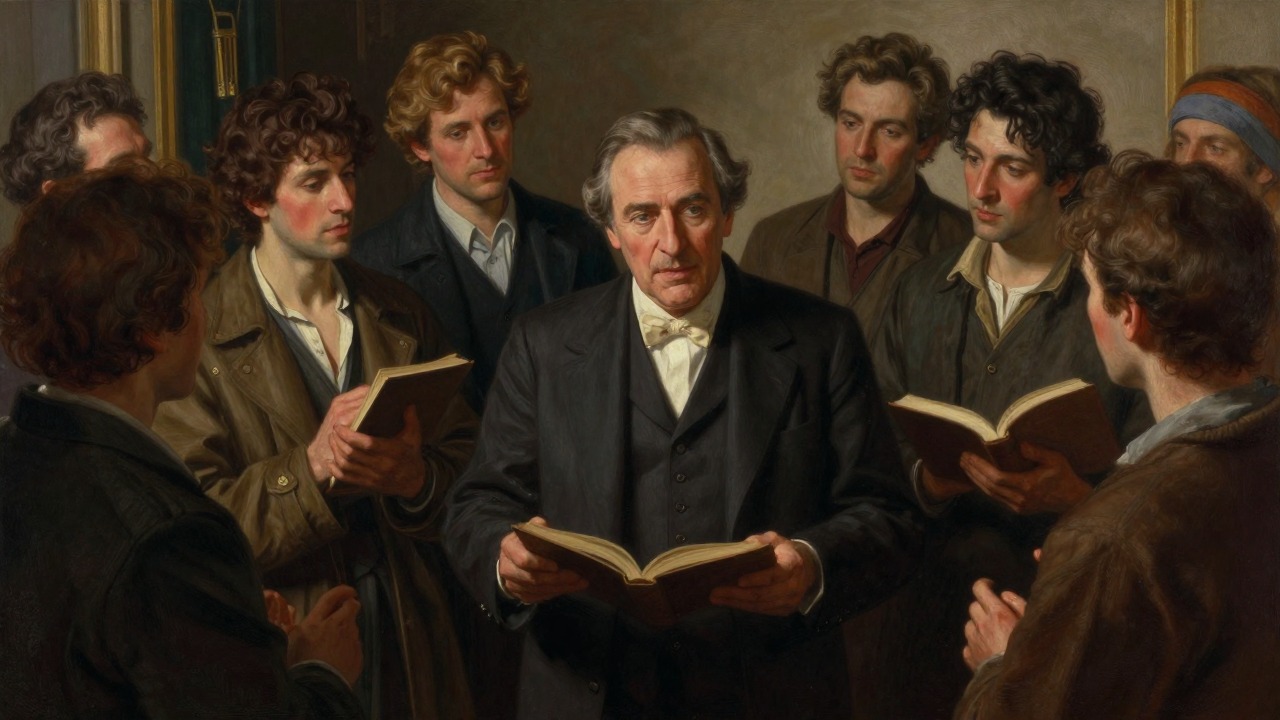
The center of attention
A circle of admirers
Clamence was popular and respected. He was the center of a circle, and people sought his company. He was considered generous and intelligent. Society worshipped him.
The hidden enemies
But he later realized that he had enemies, even among those he had obliged. His success bred resentment. He was too happy, and that cannot be forgiven. The conflict was latent, waiting to erupt.
The Laughter of the World
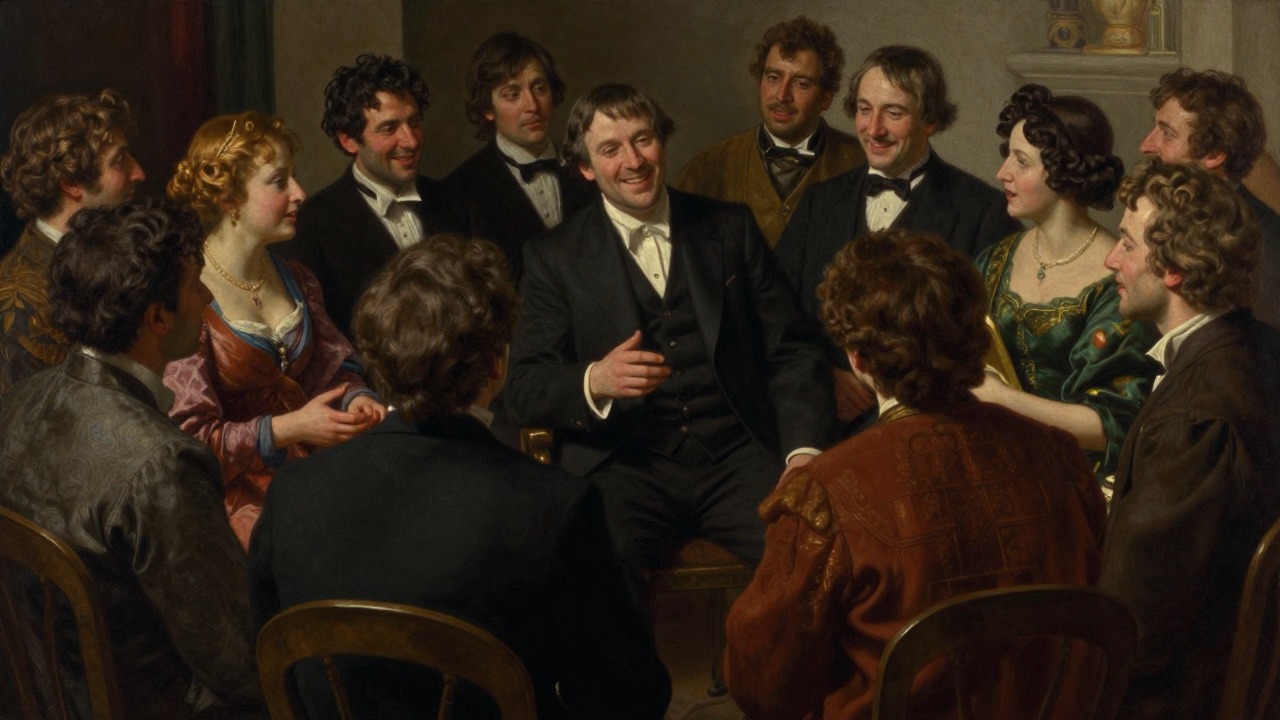
The judgment of others
A hidden smile
Clamence began to see a hidden smile on everyone's face. He felt that people were tripping him up. He stumbled in public places. The world was laughing at him.
The loss of harmony
His friends still praised him, but he heard only dissonance. The circle of which he was the center broke. He was no longer the admired man but the accused. Society had become a judge.
The Provocative Gestures
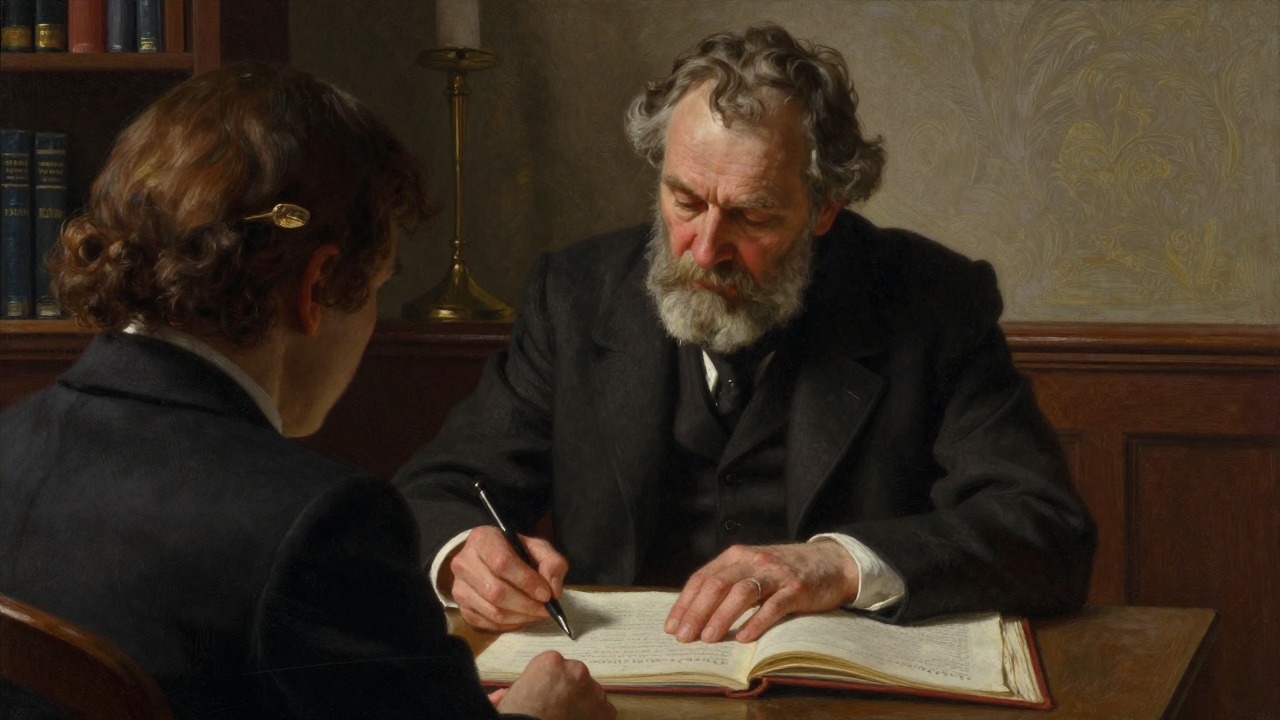
Attacking the establishment
Writing against the grain
Clamence wrote an "Ode to the Police" and an "Apotheosis of the Guillotine." He used religious expressions in atheist cafés. He wanted to shock, to provoke judgment.
The backlash
These provocations damaged his reputation. Clients became scarce. He was seen as a troublemaker. The conflict with society intensified. He was trying to force them to judge him, but they only laughed.
The Retreat to Amsterdam
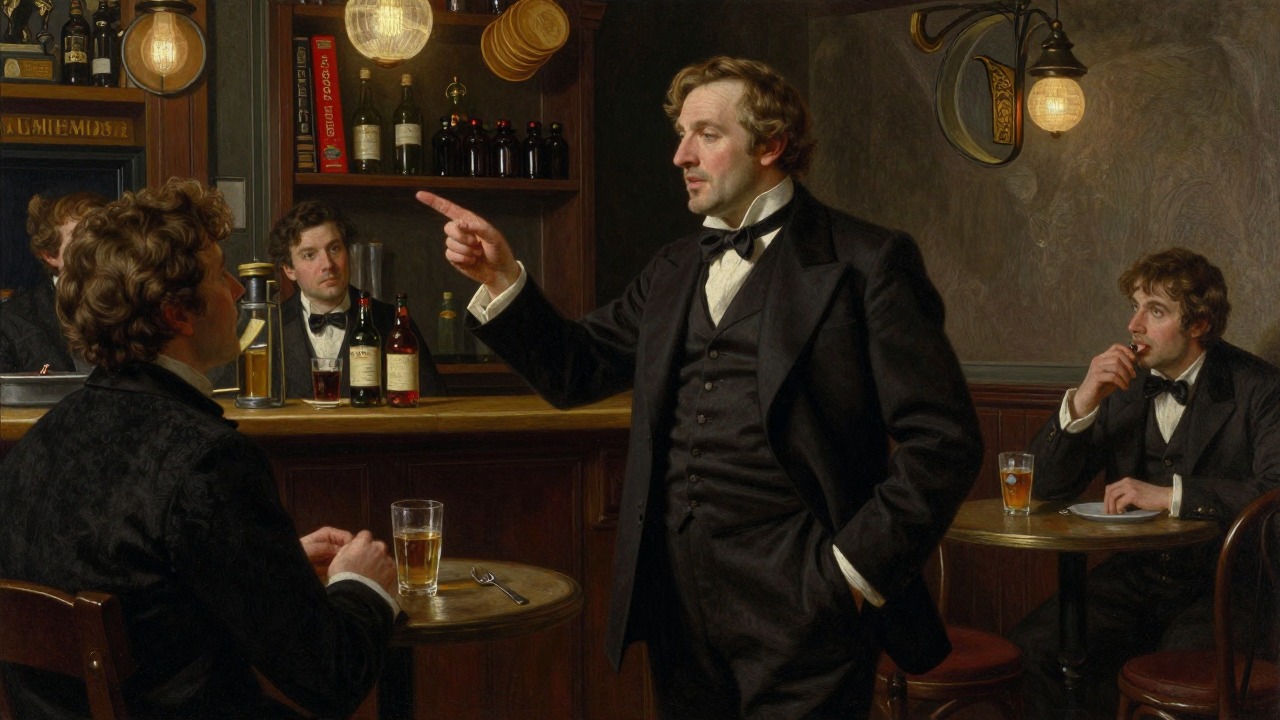
A new society
Among the outcasts
In Amsterdam, Clamence frequents sailors' bars and criminals. He has built a clientele among pimps and thieves. He is at home in the marginal world. He avoids the society that judged him.
The new conflict
But he still seeks to dominate. He preaches submission to authority in his bar. He is a false prophet, crying in the wilderness. The conflict with society is now internalized; he judges them from his own pulpit.
During his successful Parisian years
After the laugh on the Pont des Arts
During his period of rebellion
After leaving Paris
