
The Theme of the Fall and Redemption
The FallTracks the novel's engagement with the concept of the Fall, from the original sin of the drowning to the pseudo-redemption of the judge-penitent.
increasing Bearing strength in each event
 decreasing
Bearing strength in each eventdecreasingThe Original Sin
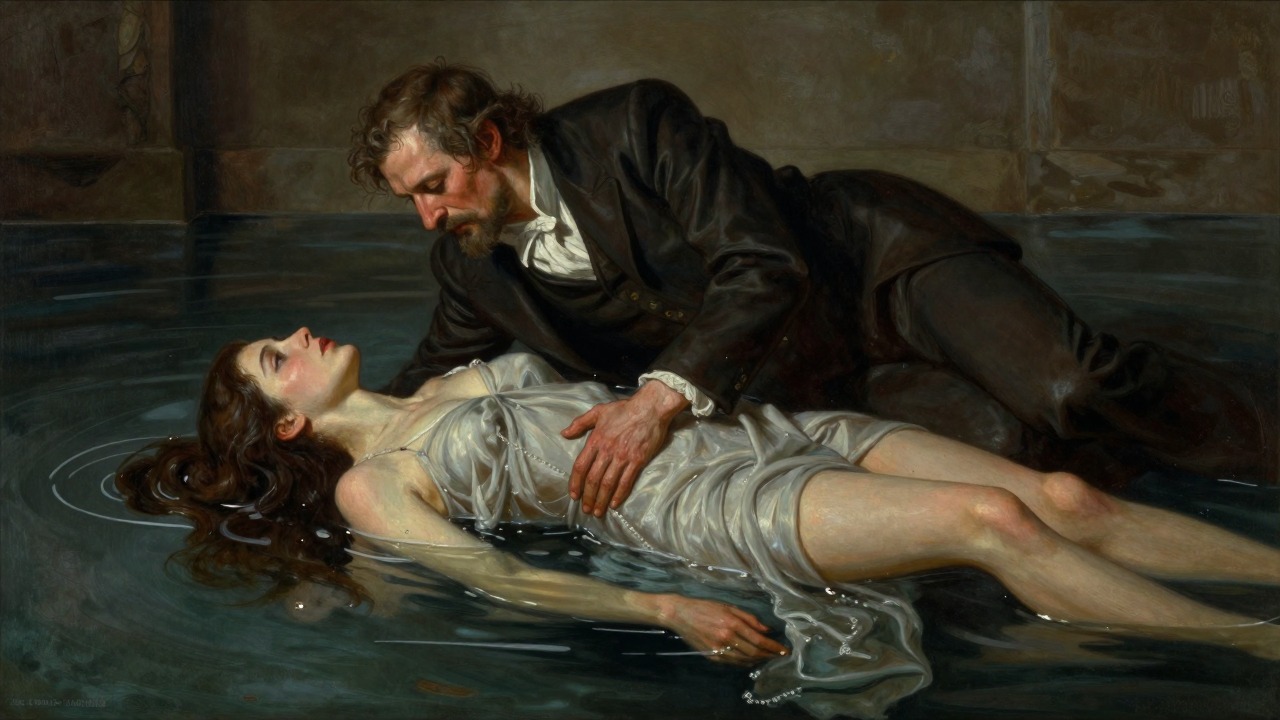
The fall from grace
A moment of inaction
Clamence's failure to save the drowning woman was his fall. It was the original sin from which all his subsequent guilt flowed. He was a fallen man.
The absent God
He had no religion, but he felt the weight of this sin. The fall was not from grace but from innocence. He was no longer the man he thought he was.
The Search for Redemption
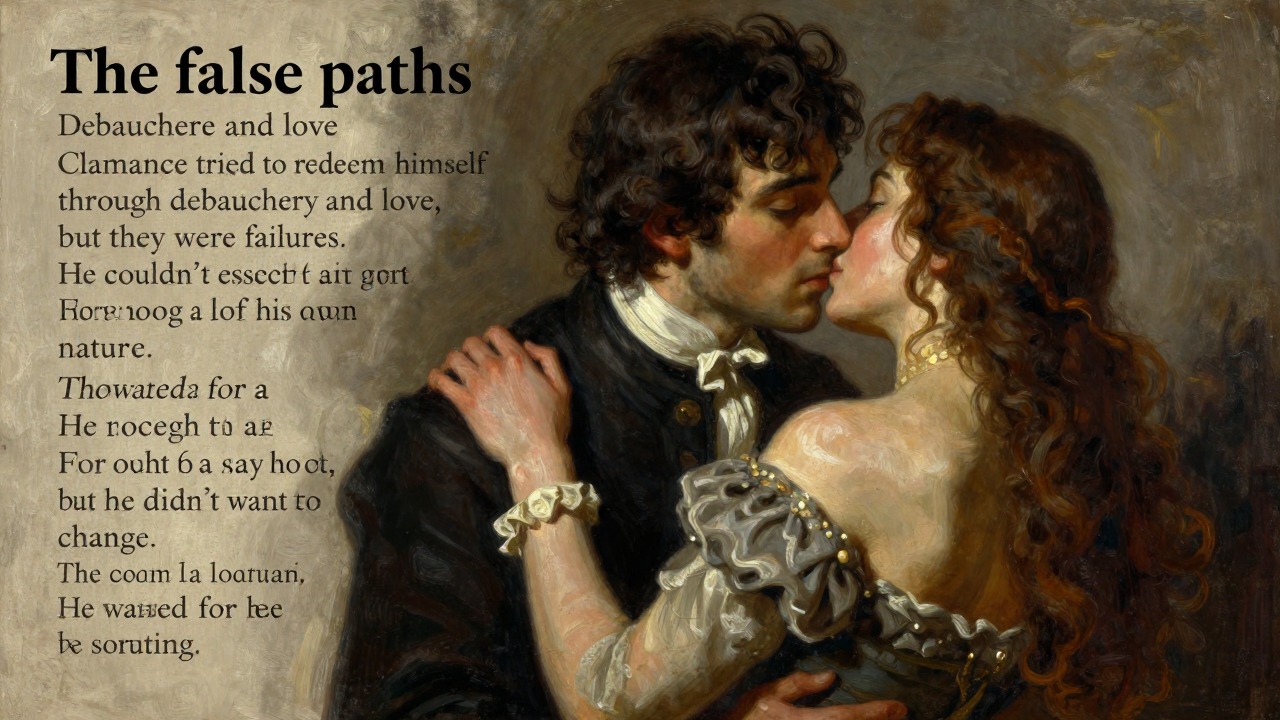
The false paths
Debauchery and love
Clamence tried to redeem himself through debauchery and love, but they were failures. He couldn't escape his guilt. He was a prisoner of his own nature.
The need for a solution
He sought a way to be absolved, but he didn't want to change. He wanted to be forgiven without effort. The theme of redemption is explored as a desire for grace without repentance.
The Pseudo-Redemption
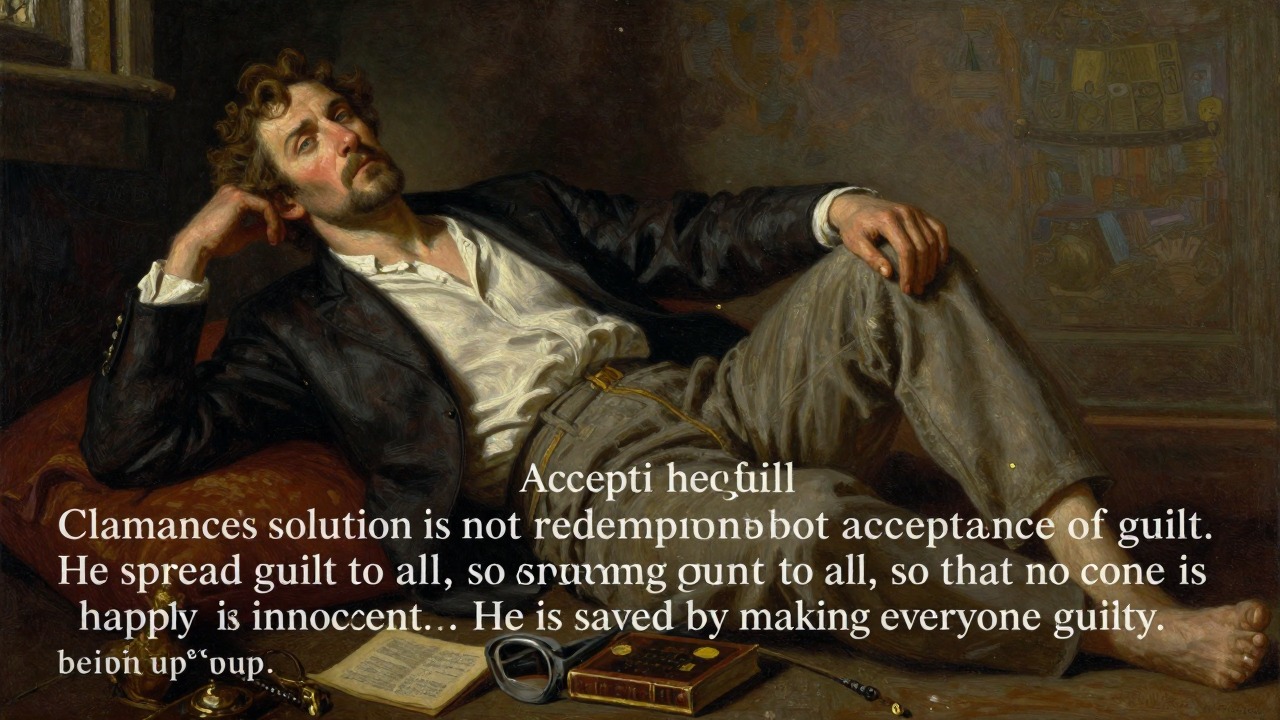
The inverted salvation
Accepting guilt
Clamence's solution is not redemption but acceptance of guilt. He spreads guilt to all, so that no one is innocent. He is saved by making everyone guilty.
The happiness of the fall
He says he is happy, happy unto death. He has found a way to live with the fall. The theme ends not with redemption but with a cynical peace. The fall is eternal, but he has learned to dominate it.
The night on the Pont Royal
After the laugh, through his various attempts
In Amsterdam, as a judge-penitent
