
The Theme of the Last Judgment
The FallFollows the novel's reimagining of the Last Judgment as a daily, human event, and Clamence's role as its administrator.
increasing Bearing strength in each event
 decreasing
Bearing strength in each eventdecreasingThe Traditional Judgment
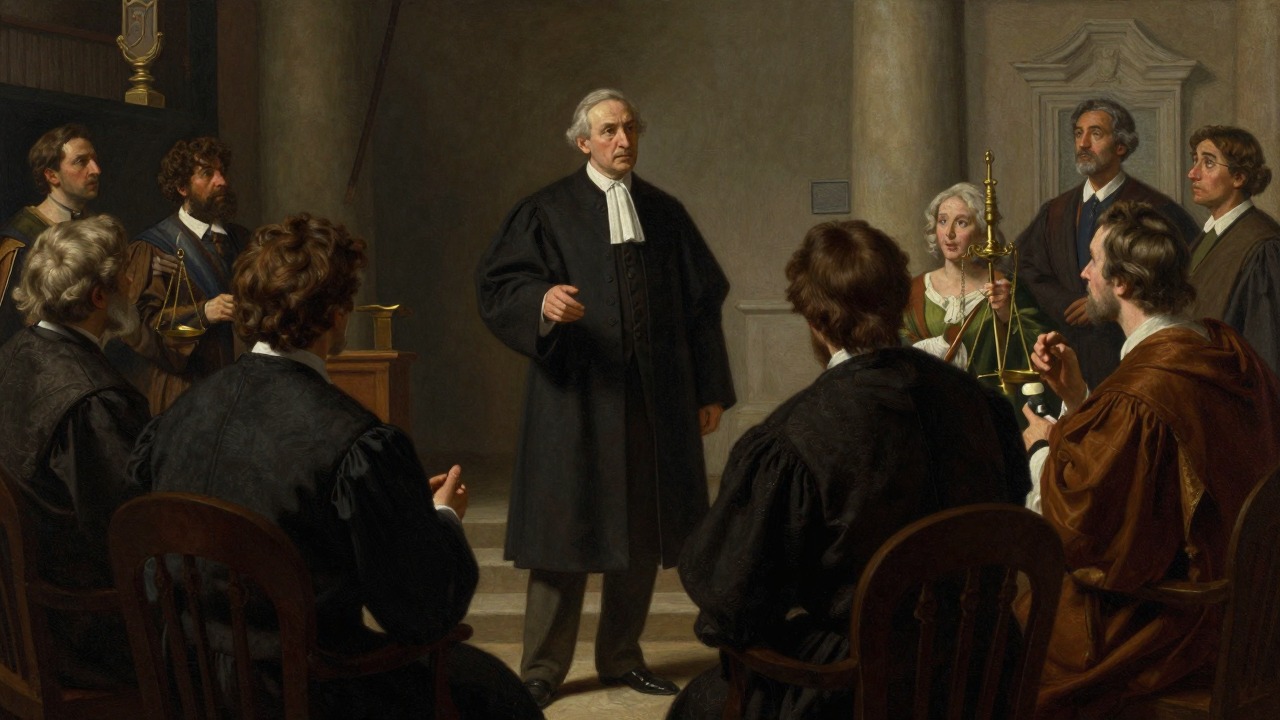
A distant event
The old idea
Clamence was not religious. He saw the Last Judgment as a distant, theological concept. He didn't take it seriously. He was more concerned with the judgment of men.
The secular world
In his world, judgment was human. He was a lawyer, dealing with earthly justice. The Last Judgment was a joke.
The Discovery of Daily Judgment
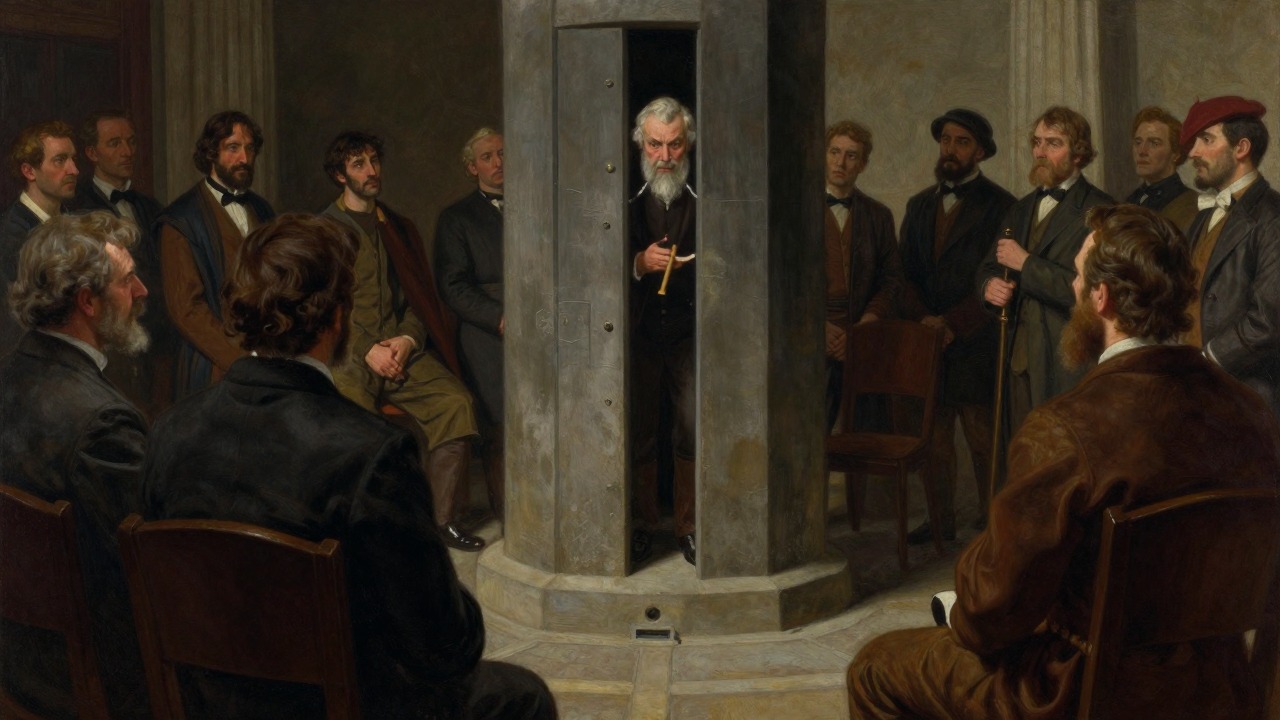
The judgment of men
The inescapable tribunal
Clamence realized that the judgment of men is worse than any divine judgment. There are no extenuating circumstances. The Last Judgment takes place every day.
The spitting cell
He described the spitting cell as a human invention, proof that we don't need God for judgment. The theme of the Last Judgment becomes immediate and terrible.
Clamence as the Judge
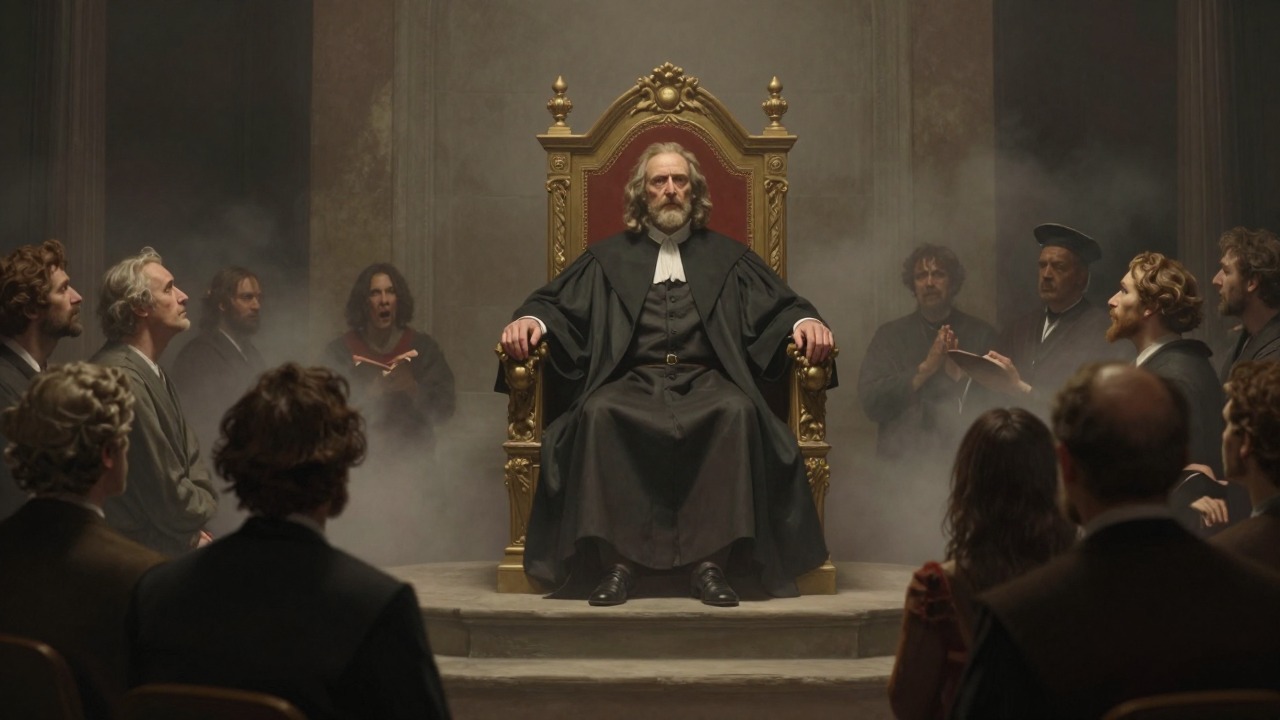
The throne of judgment
Administering the Last Judgment
Clamence now sits enthroned, watching the multitude of the Last Judgment rise from the fog. He pities but does not absolve. He understands but does not forgive. He is adored.
The new God
He has become the end and the beginning. He is a false prophet, but he has taken the place of the judge. The theme of the Last Judgment culminates in Clamence's own apotheosis.
Clamence's early view
After his fall, during his self-examination
In Amsterdam, as a judge-penitent
