
The Theme of Debauchery as a Substitute for Immortality
The FallExplores the novel's treatment of debauchery as a means to achieve a sense of immortality and freedom from judgment.
increasing Bearing strength in each event
 decreasing
Bearing strength in each eventdecreasingThe Longing for Immortality
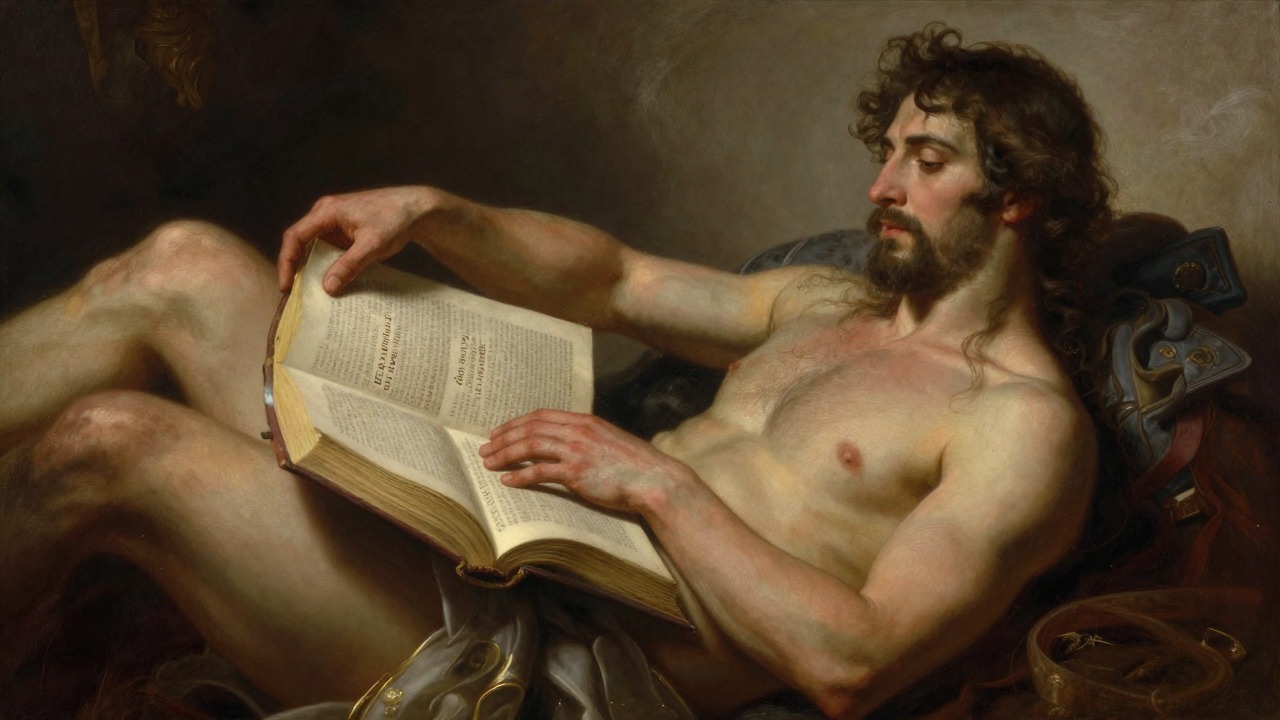
The desire to live forever
A product of self-love
Clamence loved himself so much that he wanted to be immortal. He couldn't bear the thought of his own end. He needed a substitute for true immortality.
The search for substitutes
He turned to debauchery, which he saw as a path to a kind of immortality. In the moment of excess, he felt he had conquered time.
The Practice of Debauchery
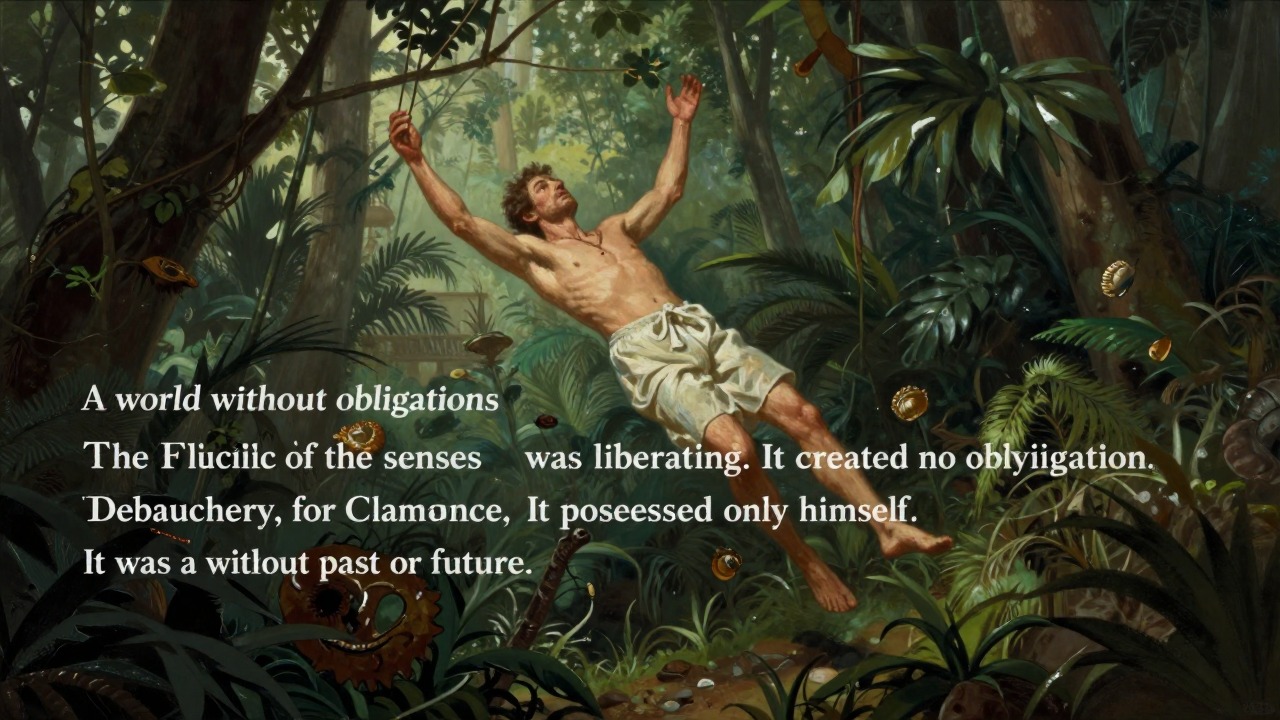
The jungle of the senses
A world without obligations
Debauchery, for Clamence, was liberating. It created no obligations. He possessed only himself. It was a jungle without past or future.
The illusion of transcendence
He soared in bliss, but the morning brought back the bitter taste of mortality. The substitute was temporary. He was still a mortal man, and the fear of death remained.
The Failure of the Cure
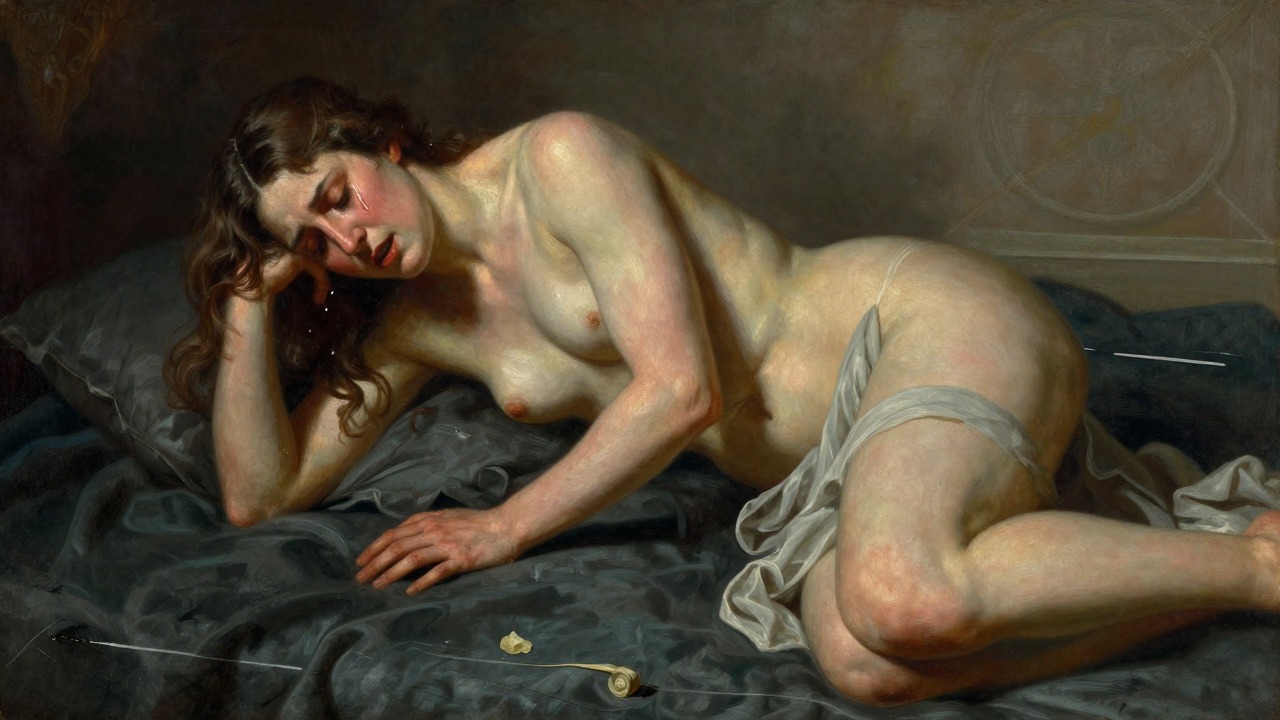
The physical toll
The liver and the fatigue
Clamence's body gave out. His liver suffered, and he was consumed by fatigue. He could no longer sustain the illusion. The cure was killing him.
The return of the cry
He realized he was not cured. The cry of the drowning woman still awaited him. Debauchery had not provided a lasting escape from judgment or death. The theme ends with the failure of the substitute.
Throughout Clamence's life
During his period of dissipation
After his body began to fail
