
The Theme of Love and Its Impossibility
The FallTraces the novel's exploration of love as a concept that Clamence can only perform but never truly feel.
increasing Bearing strength in each event
 decreasing
Bearing strength in each eventdecreasingThe Performative Love
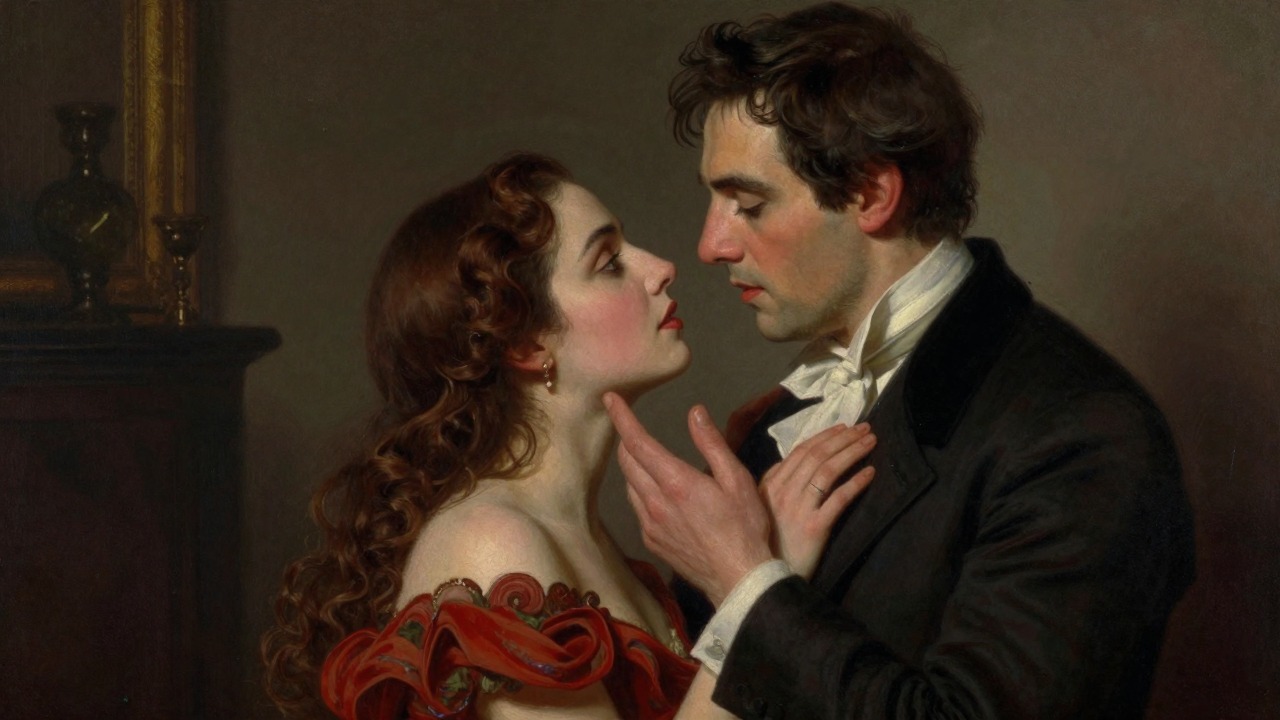
The actor of passion
A repertoire of gestures
Clamence acted love. He had speeches and gambits. He was an amateur actor. He played the role of the lover, but his heart was not in it.
The love of self
He was always the object of his own love. He could not love another. His relationships were performances of his own power.
The Search for True Love
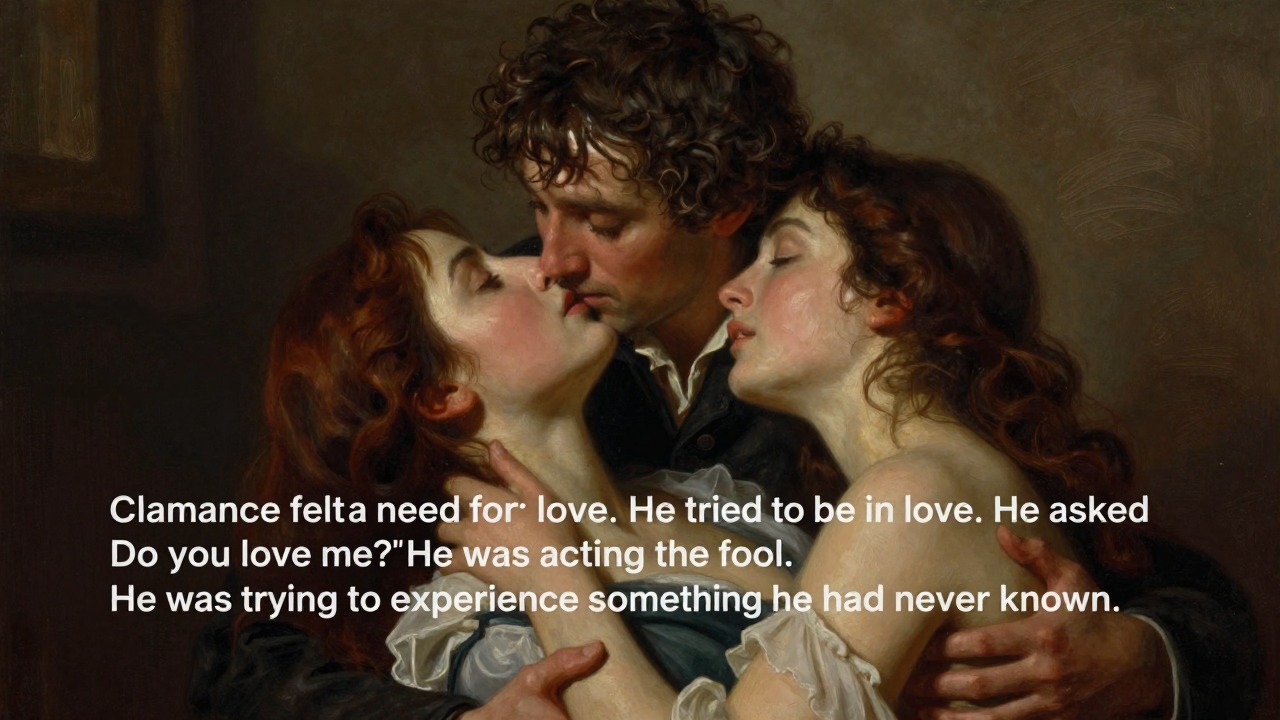
The need to be loved
A desperate attempt
Clamence felt a need for love. He tried to be in love. He asked "Do you love me?" He was acting the fool. He was trying to experience something he had never known.
The failure
He couldn't lose his habit of self-love. He was a trifler in passion. The love he sought was a bookish illusion. The theme of love is presented as an impossibility for the narcissist.
The Abandonment of Love
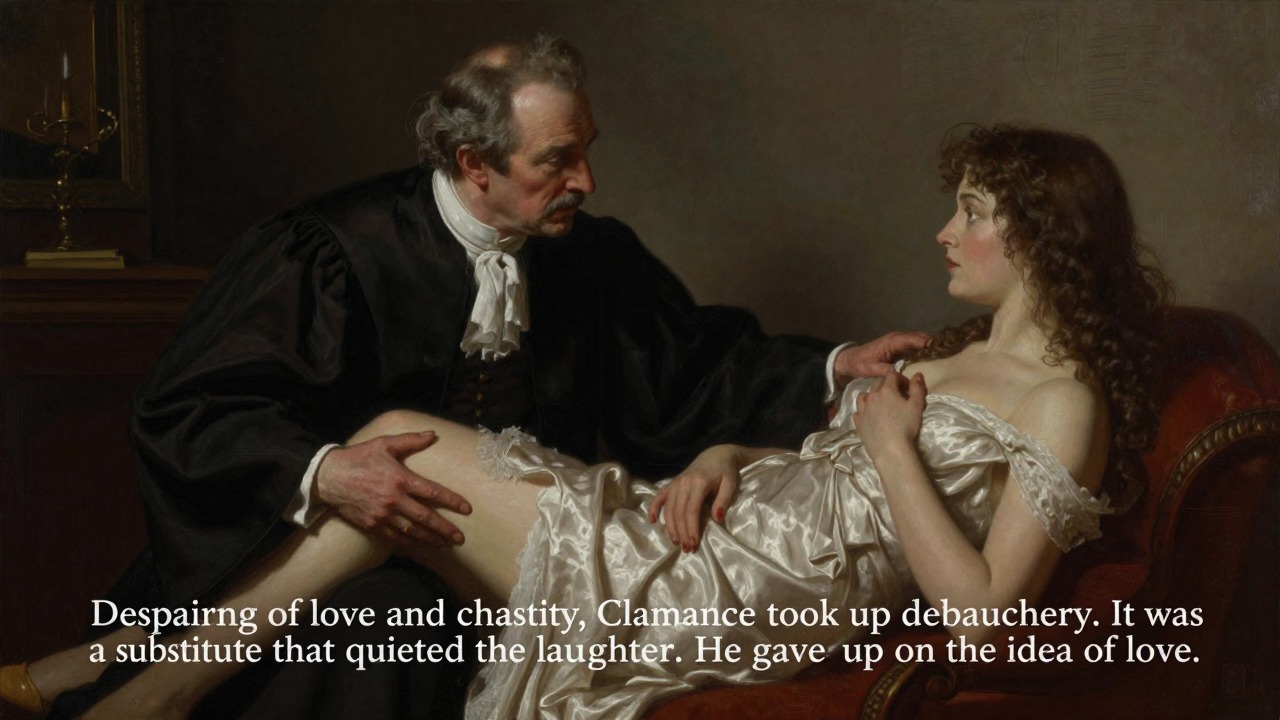
The turn to debauchery
A substitute for love
Despairing of love and chastity, Clamence took up debauchery. It was a substitute that quieted the laughter. He gave up on the idea of love.
The final state
In his judge-penitent role, he no longer seeks love. He uses women for pleasure, but without any pretense of love. The theme ends with the rejection of love as a solution.
Throughout his life, especially in his affairs
During his period of vulnerability
After his period of seeking love
