
The Theft of The Just Judges
The FallFollows the story of the stolen van Eyck panel, from its acquisition by Clamence to its symbolic meaning in his life.
increasing Bearing strength in each event
 decreasing
Bearing strength in each eventdecreasingThe Panel at Mexico City
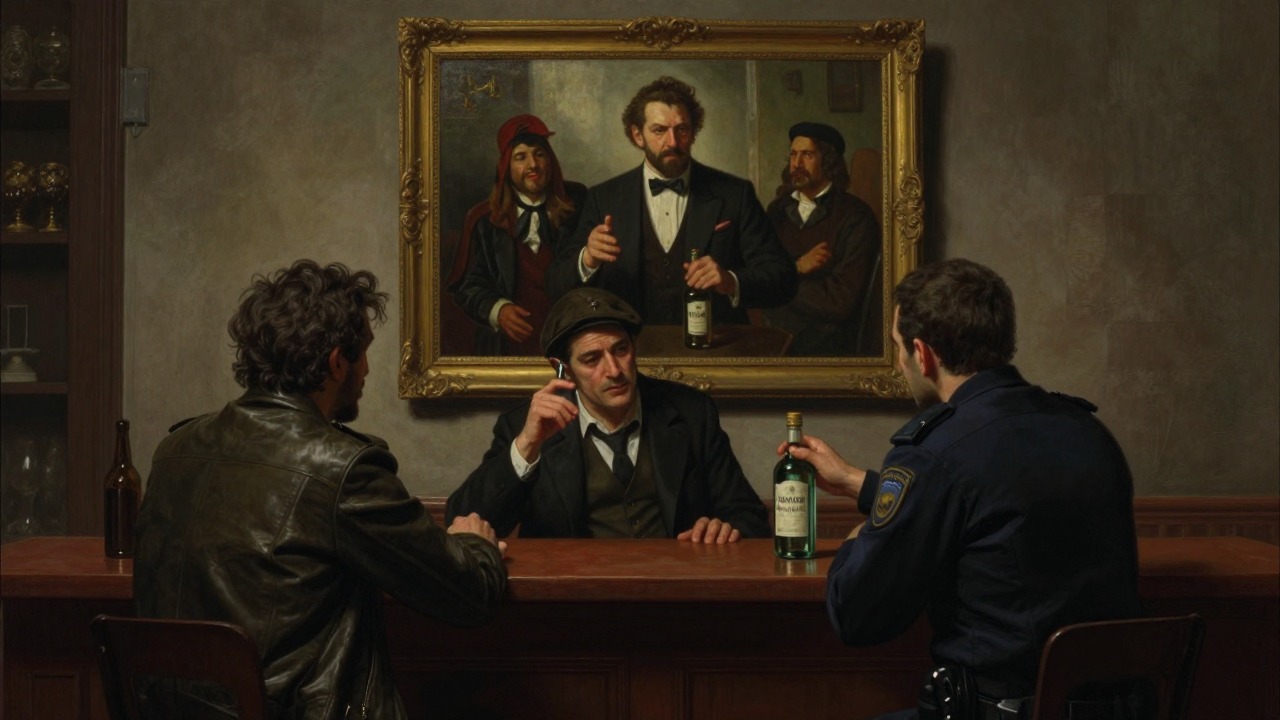
The fortuitous acquisition
A drunken sale
A frequenter of Mexico City, a thief, sold the painting to the bartender for a bottle of gin. Clamence advised him to hang it in a place of honor. For a long time, the panel hung above the drunks and pimps, while the police searched for it worldwide.
The move to Clamence's room
Later, Clamence convinced the bartender to put it in his custody, claiming it was too dangerous. The bartender balked but eventually agreed. Now the panel is in Clamence's room, a secret he alone possesses.
Reasons for Keeping It
The list of justifications
A litany of excuses
Clamence gives five reasons for not returning the panel: it belongs to the bartender, not the church; no one can tell the copy from the original he dominates by knowing the secret; he might be sent to prison; the judges are on their way to meet the Lamb, which no longer exists; and finally, justice is separated from innocence.
The symbolic meaning
For Clamence, the panel represents the corruption of justice. The real judges are hidden in his cupboard, while false judges are admired by the world. He is the sole keeper of the truth. The painting is a talisman of his power over judgment.
The Hope for Arrest
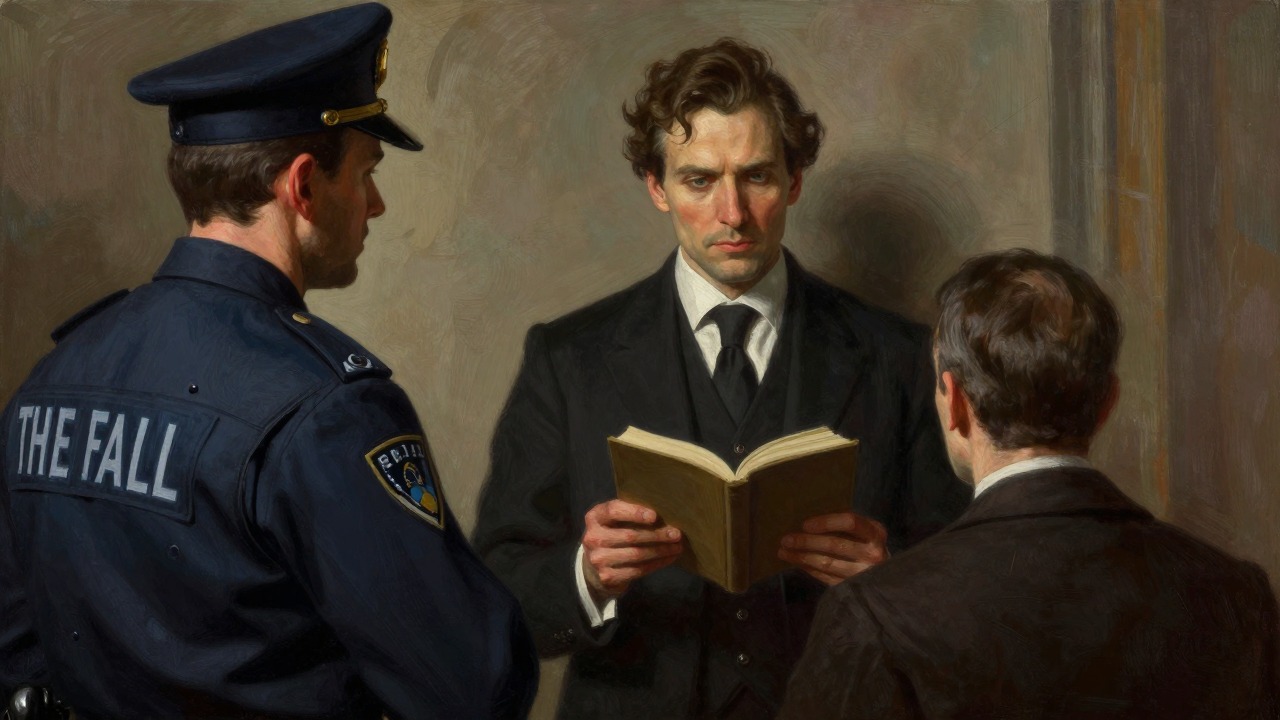
The desire for punishment
A policeman in the listener
Clamence half-hopes that his interlocutor, a Parisian lawyer, is a policeman who will arrest him for the theft. He has arranged everything to be an accomplice. He wants to be decapitated, to be saved by death.
The ultimate domination
After execution, his head would be held up as an example, and he would dominate again. He fantasizes about being a false prophet, crying in the wilderness. But he knows the listener is not a policeman, and he is disappointed.
During Clamence's time in Amsterdam, before the narration
During the final conversation with the listener
At the end of the conversation
