the truth
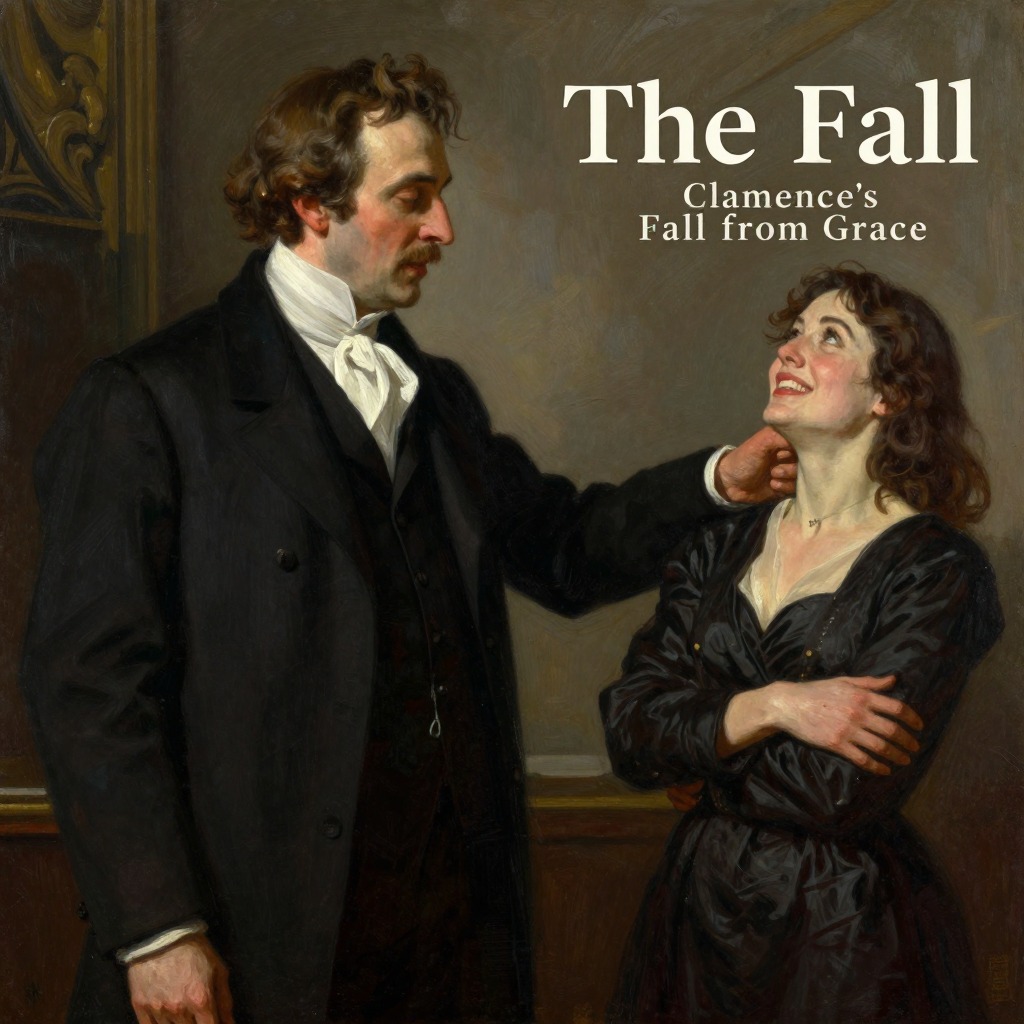
The FallIn Albert Camus's The Fall, the truth is not a stable, redemptive force but a corrosive and ambiguous concept that lies at the heart of Jean-Baptiste Clamence's confession. Clamence, a self-proclaimed judge-penitent, systematically deconstructs the very possibility of a simple, liberating truth, presenting it instead as a blinding light, a heavy burden, and a weapon to be wielded in the universal struggle for judgment and innocence. His entire monologue is a performance that questions whether truth can ever be separated from the vanity, self-interest, and duplicity of the one who speaks it.
The Truth as a Blinding and Burdensome Force
Clamence explicitly frames truth as something painful and disorienting, contrasting it with the comfortable twilight of falsehood. He declares, "Truth, like light, blinds," while "Falsehood, on the contrary, is a beautiful twilight that enhances every object." This inversion of conventional morality positions truth not as a goal to be sought but as a harsh reality to be avoided. The weight of truth becomes unbearable, particularly in solitude. Clamence reflects that "for anyone who is alone, without God and without a master, the weight of days is dreadful," and this weight is intimately connected to the burden of facing one's own truth without the comfort of external judgment or absolution. The fear of a definitive, unconfessed lie haunting one's life—the thought that "one could not die without having confessed all one's lies"—drives him to a state of near-dizziness, revealing the truth as a source of existential terror rather than peace.
The Truth as a Tool for Manipulation and Judgment
Clamence's entire profession as a judge-penitent is built on a strategic manipulation of truth. He confesses his own faults not to achieve absolution but to construct a universal portrait of guilt, a "mask" that is "the image of all and of no one." By accusing himself, he gains the right to judge others, stating, "The more I accuse myself, the more I have a right to judge you." This process is a calculated performance. He admits that his confessions are designed to lead his listener to go "him one better," provoking them into their own self-judgment. The truth, in this framework, is not a revelation but a rhetorical device, a mirror held up to his interlocutor to trap them in the same web of guilt he inhabits. His stories, he claims, are significant of what he has been and what he is, regardless of their factual accuracy, because "don't lies eventually lead to the truth?" This pragmatic view subordinates objective truth to its psychological and social function.
The Fundamental Duplicity of the Self and the Impossibility of Innocence
Clamence's exploration of truth leads him to the core discovery of his own "fundamental duplicity." He realizes that his virtues were built on a foundation of vice: "modesty helped me to shine, humility to conquer, and virtue to oppress." This self-knowledge, however, does not lead to redemption. Instead, it confirms his belief in universal guilt. He asserts, "we cannot assert the innocence of anyone, whereas we can state with certainty the guilt of all. Every man testifies to the crime of all the others." The truth, for Clamence, is that innocence is a lost state, a "holy innocence of those who forgive themselves" that humanity has "lost track of." The only authentic truth is the shared condition of guilt, a conclusion that allows him to escape judgment by extending it to everyone. The truth, therefore, is not a path to freedom but the final, inescapable verdict on the human condition, a verdict that Clamence both pronounces and embodies.