
The Little Prince's Arrival and Departure on Earth
The Little PrinceFollows the prince's brief presence in the desert and his removal from Earth, leaving only the narrator's memory and the starry bells as traces.
increasing Bearing strength in each event
 decreasing
Bearing strength in each eventdecreasingDesert Arrival
Desert Arrival
Context
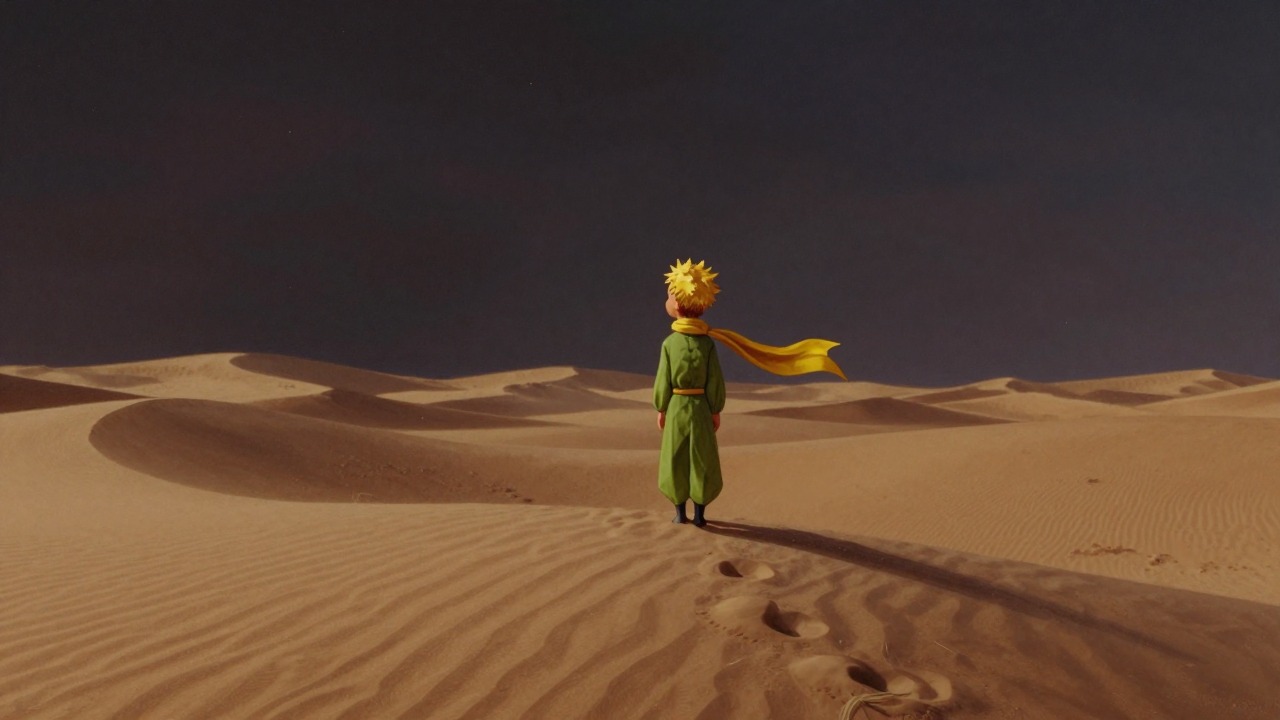
The narrator locates the Little Prince's arrival on Earth at a specific, unnamed spot in the African desert. This is the landscape he will later call the loveliest and saddest in the world. The appearance is sudden, unexplained, and tied to a star.
Development
The arrival is not described as a crash or a landing; it is simply where the Little Prince appeared. The desert setting gives the encounter isolation and weight. The prince's golden hair and refusal to answer questions are already hinted at in the later instructions to travelers.
Significance
The arrival establishes the African desert as the meeting point between the narrator and the prince. It makes an interior journey visible on a vast, empty stage.
Shared Desert Days
Shared Desert Days
Context
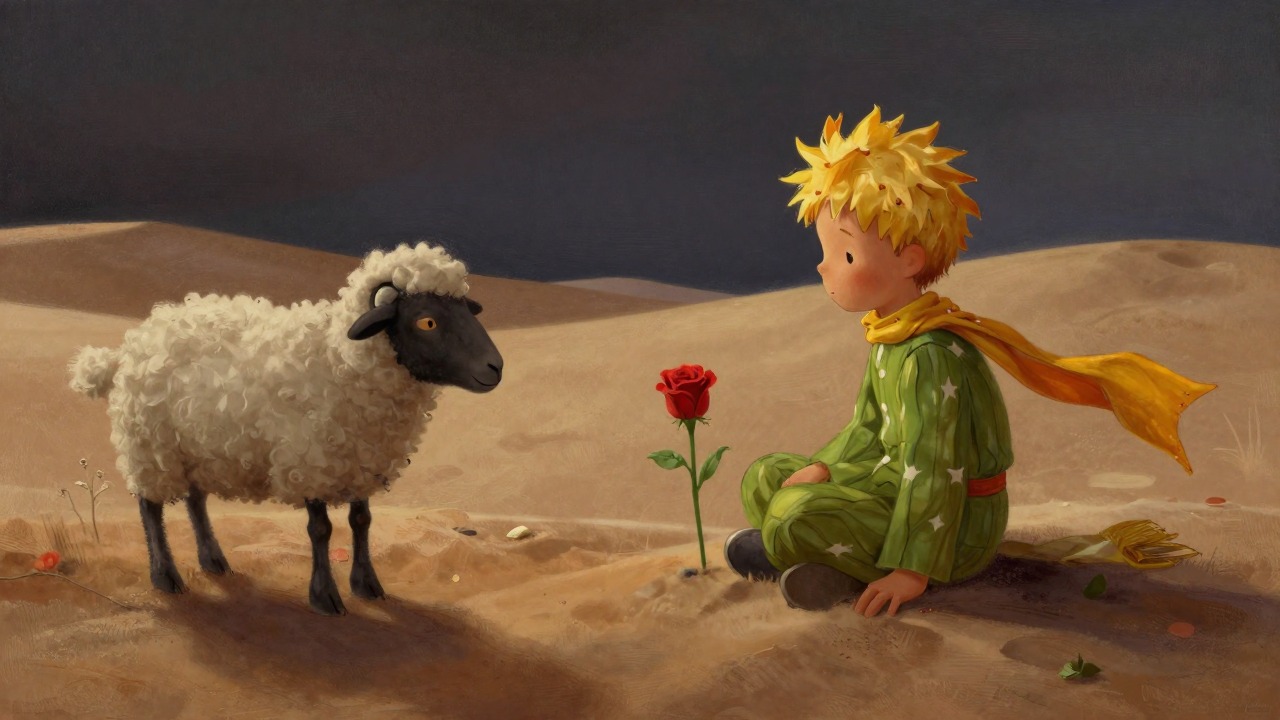
Though the epilogue does not recount the conversations, the narrator's memory is full of what happened on Earth. He draws the muzzle for the Sheep, learns about the Rose, and comes to love the prince. These shared days become the source of all later grief and wonder.
Development
The narrator's companionship with the prince is evident in the intimacy of his worries: the proper strap for the muzzle, the nightly glass globe, the fate of the flower. Those worries are the residue of actual days spent listening and caring.
Significance
The shared time in the desert gives the disappearance its emotional power. Without these days, the prince would be a passing stranger; with them, he becomes a permanent presence.
No Body at Daybreak
No Body at Daybreak
Context
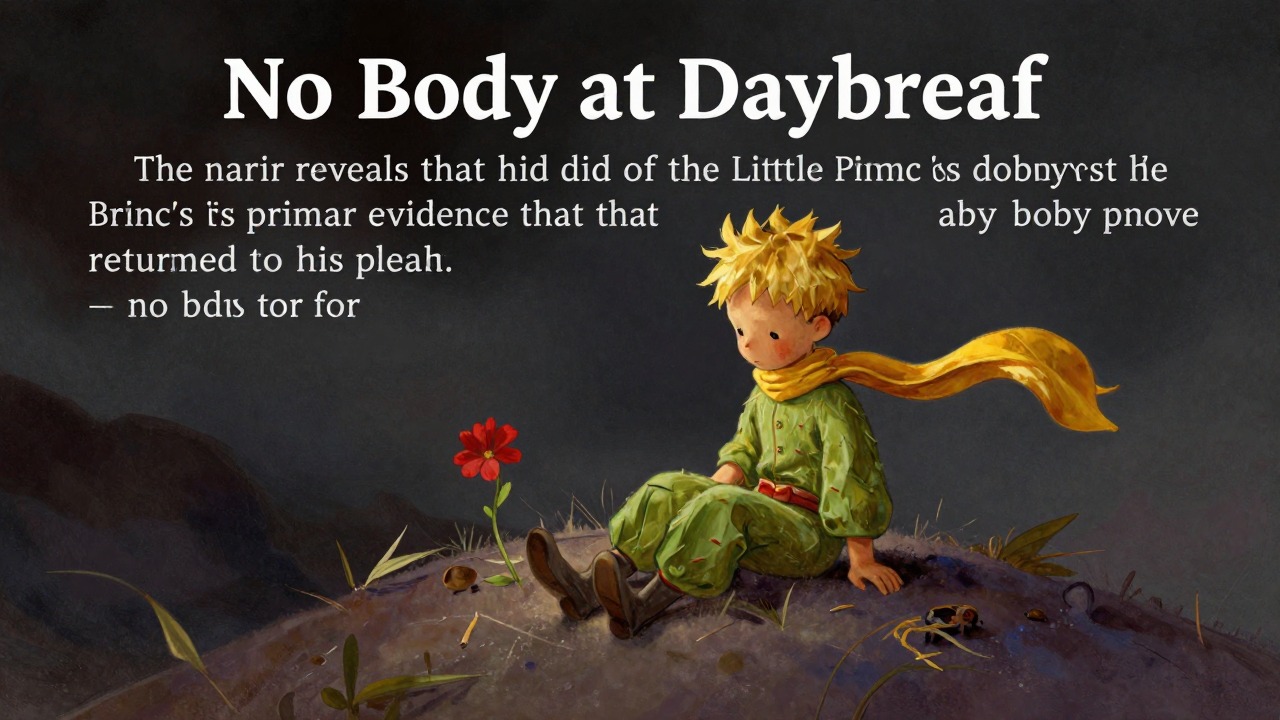
The narrator reveals that he did not find the Little Prince's body at daybreak. The absence of a body is his primary evidence that the prince returned to his planet. A body would have suggested death; no body allows for departure.
Development
The detail is presented matter-of-factly, but it carries enormous hope. The narrator chooses to read the empty sand as a sign of cosmic return rather than mysterious erasure. His conclusion is an act of faith.
Significance
The missing body anchors the prince's fate in a literal event. It transforms the loss from death into travel, making the stars a plausible destination.
Return to His Planet
Return to His Planet
Context
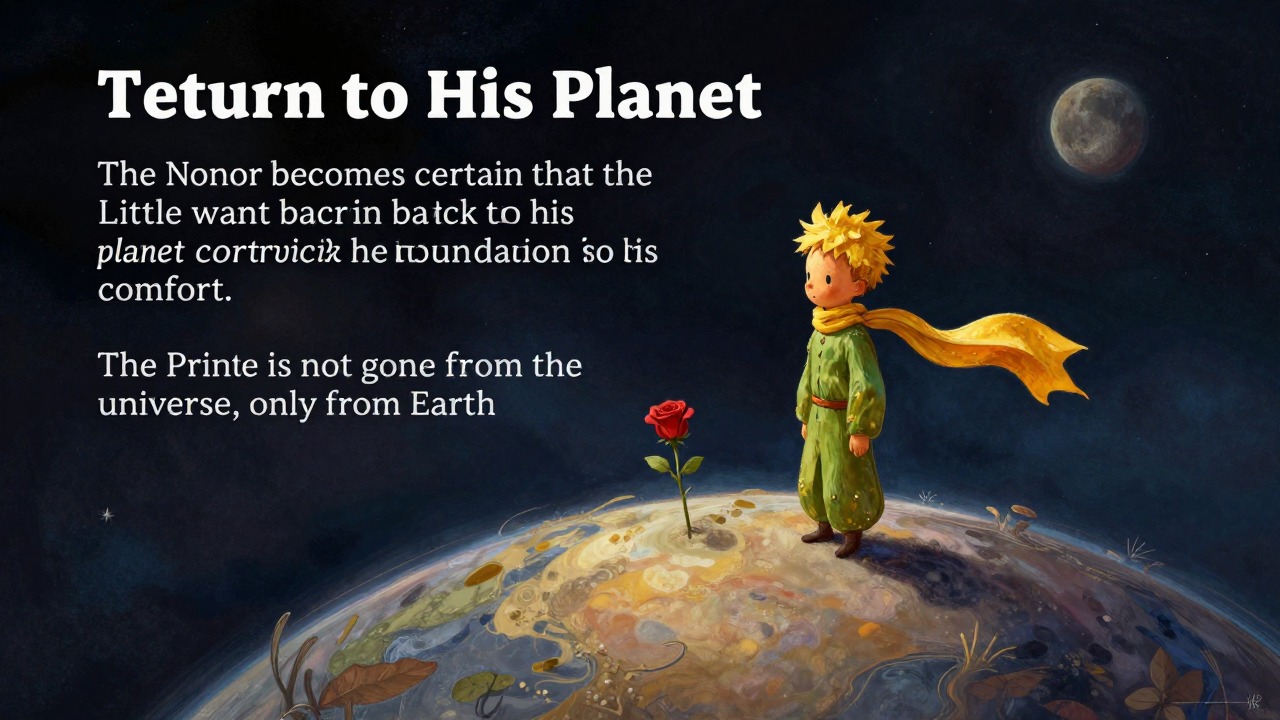
The narrator becomes certain that the Little Prince went back to his planet. This certainty is the foundation of his comfort. The prince is not gone from the universe, only from Earth.
Development
The return is imagined as a journey to a small planet where the Rose waits under her glass globe. The narrator's thoughts leap from the daybreak sand to the faraway world, following the prince's trajectory. The act of return protects the Rose from being orphaned.
Significance
This inference changes the meaning of loss. The prince's ordinary absence is reframed as a homecoming, allowing the narrator to hear joy in star bells.
Recognition in the Redrawn Landscape
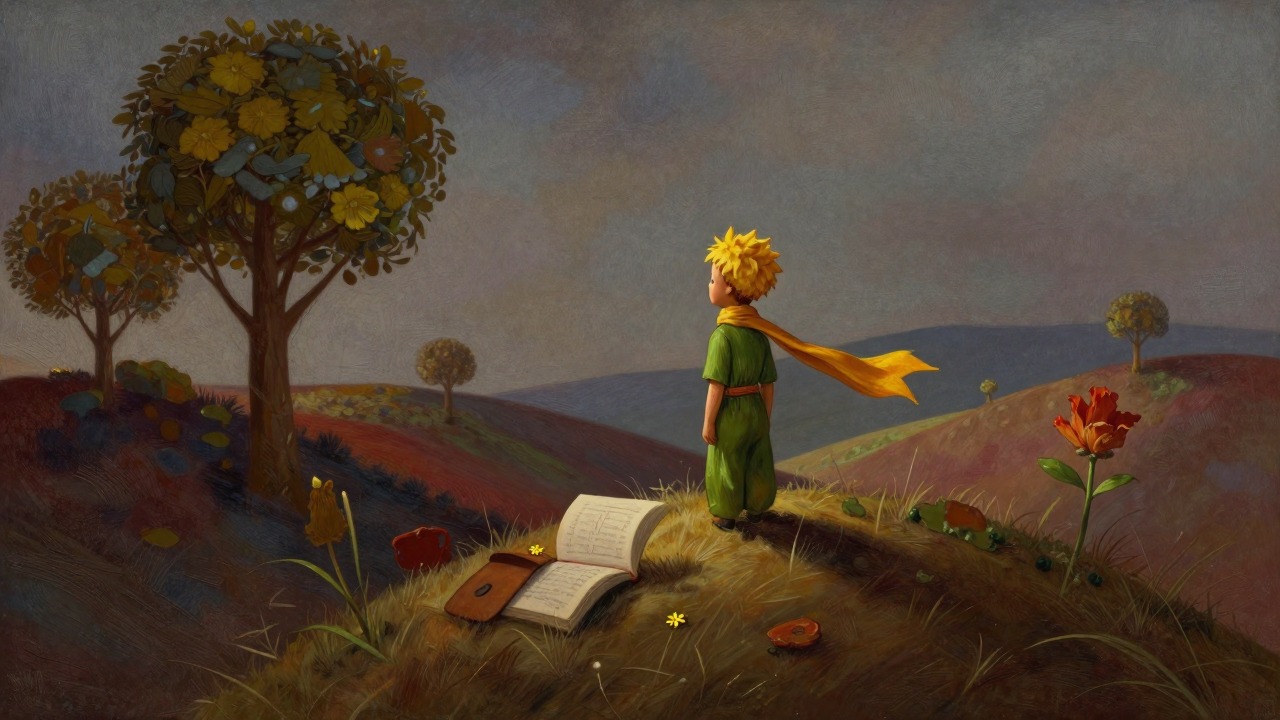
Recognition in the Redrawn Landscape
Context
The narrator draws the landscape again in the epilogue, asking readers to remember it. He says it is the loveliest and saddest landscape in the world, the place where the Little Prince appeared on Earth and disappeared.
Development
The redrawn image is both a map and a monument. It preserves the geographical coordinates of arrival and departure while also holding the emotional coordinates of love and loss. Every careful line is an act of memory.
Significance
By presenting the landscape to readers, the narrator allows the place to outlive the event. The desert spot becomes a permanent site of pilgrimage for those who believe in the prince's return.
at the moment the Little Prince appeared on Earth
during the time the narrator and the Little Prince were together on Earth
at daybreak after the Little Prince disappeared
immediately after the disappearance, in the narrator's inference
six years later, when the narrator redraws the same landscape
