
The Drawing of the Landscape and the Memory of the Spot
The Little PrinceDetails how the narrator captures the desert spot in drawings as a way to preserve the site of meeting and loss.
increasing Bearing strength in each event
 decreasing
Bearing strength in each eventdecreasingOriginal Sketch
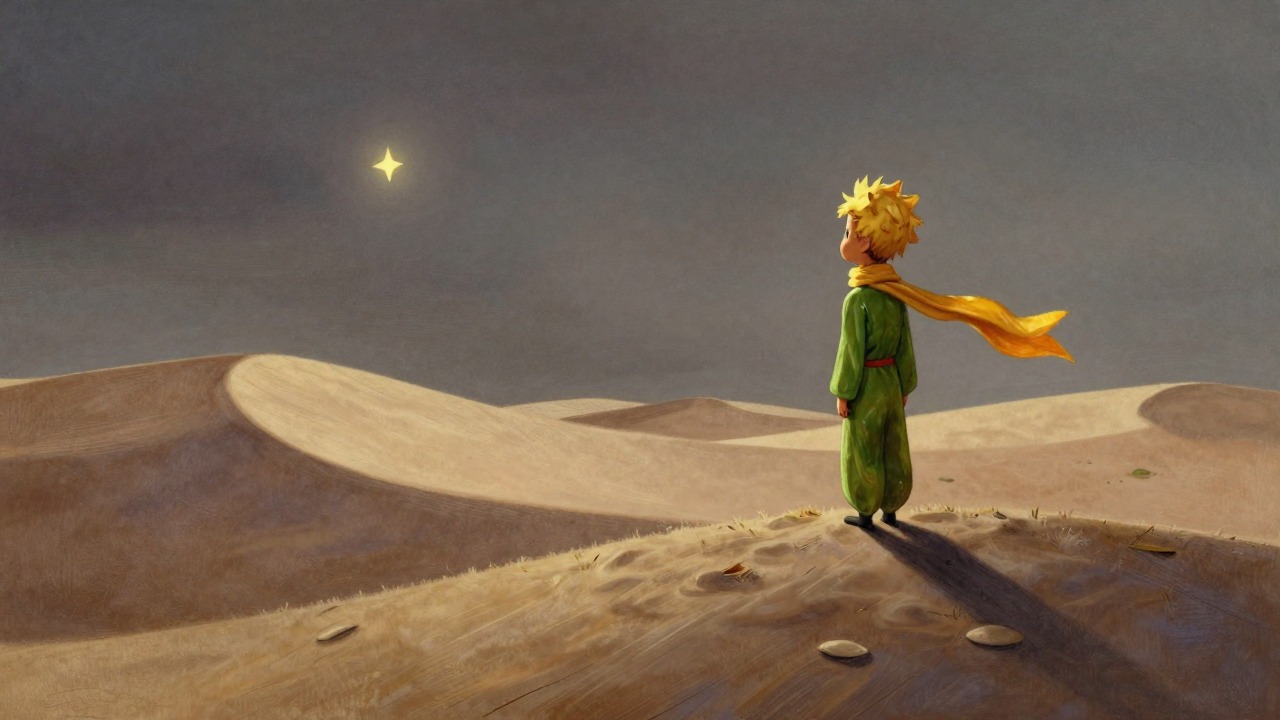
Original Sketch
Context
The narrator made an original sketch of the landscape to preserve the spot where the Little Prince appeared. The drawing is bare: dunes, a star, emptiness. It functions as a visual record.
Development
The sketch likely accompanied the story when the narrator began to tell it. It is an attempt to make the invisible visible, to fix a moment in a line. The landscape is both a place and a state of mind.
Significance
The original sketch is the seed of the later redrawing. It marks the moment when memory becomes art.
Repeated Drawing
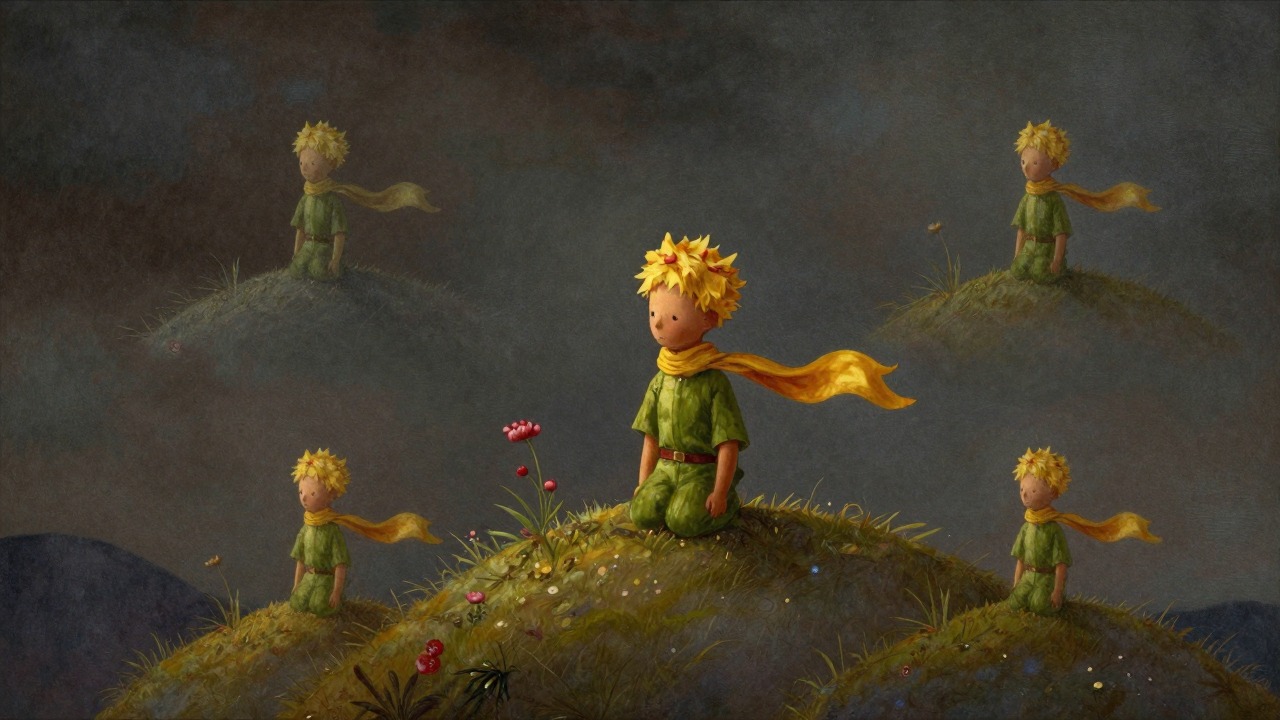
Repeated Drawing
Context
The narrator says the landscape in the epilogue is the same as on the preceding page, but he has drawn it again to impress it on memory. The repetition is deliberate and ceremonial.
Development
Each drawing is slightly different in intent, even if visually identical. The second drawing is addressed to the reader, while the first was addressed to the narrator himself. Repetition transforms memory into inheritance.
Significance
Repeated drawing shows that loss must be re-marked. The narrator needs the reader to see the same landscape so that the prince's story can be re-anchored.
Look Carefully
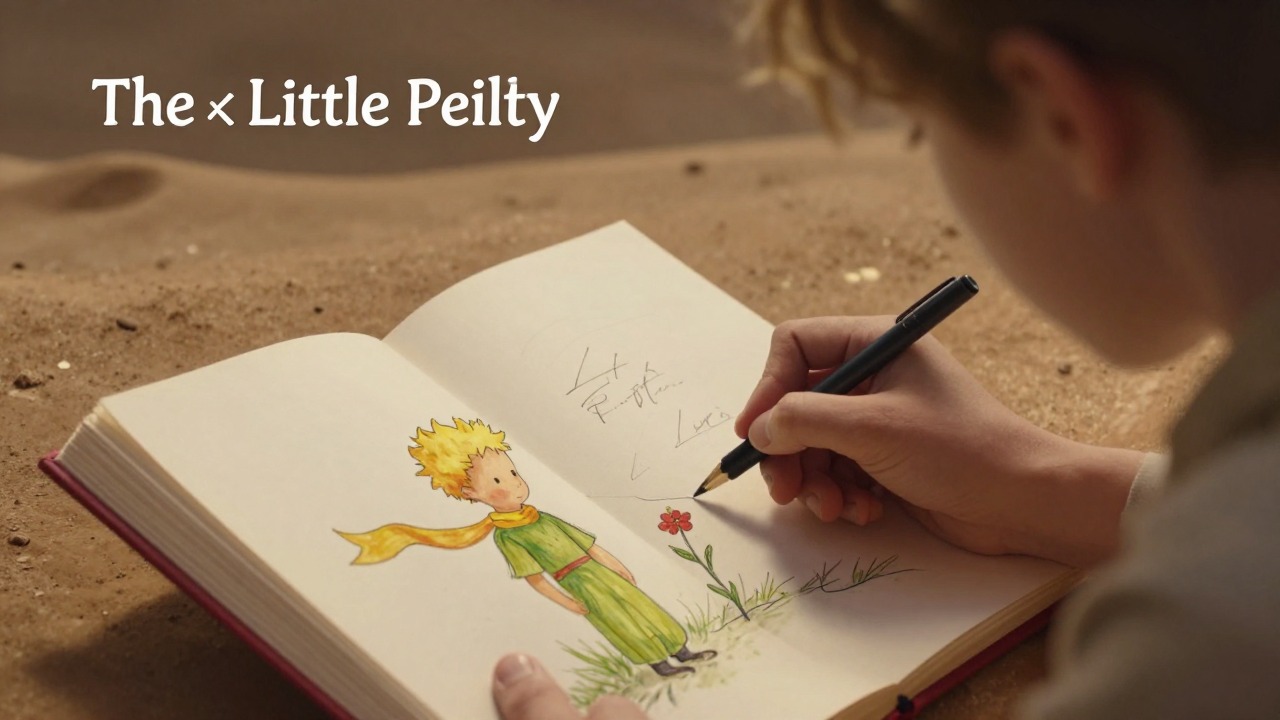
Look Carefully
Context
The narrator instructs readers to look at the drawing carefully so they will recognize it if they travel to the African desert. The act of careful looking is a form of preparation.
Development
The drawing is not just art; it is a practical guide. By memorizing the image, readers can identify the exact dune and star. The narrator is trying to make his memory portable.
Significance
Look carefully turns the reading experience into a possible future pilgrimage. The reader becomes a potential pilgrim.
Loveliest and Saddest
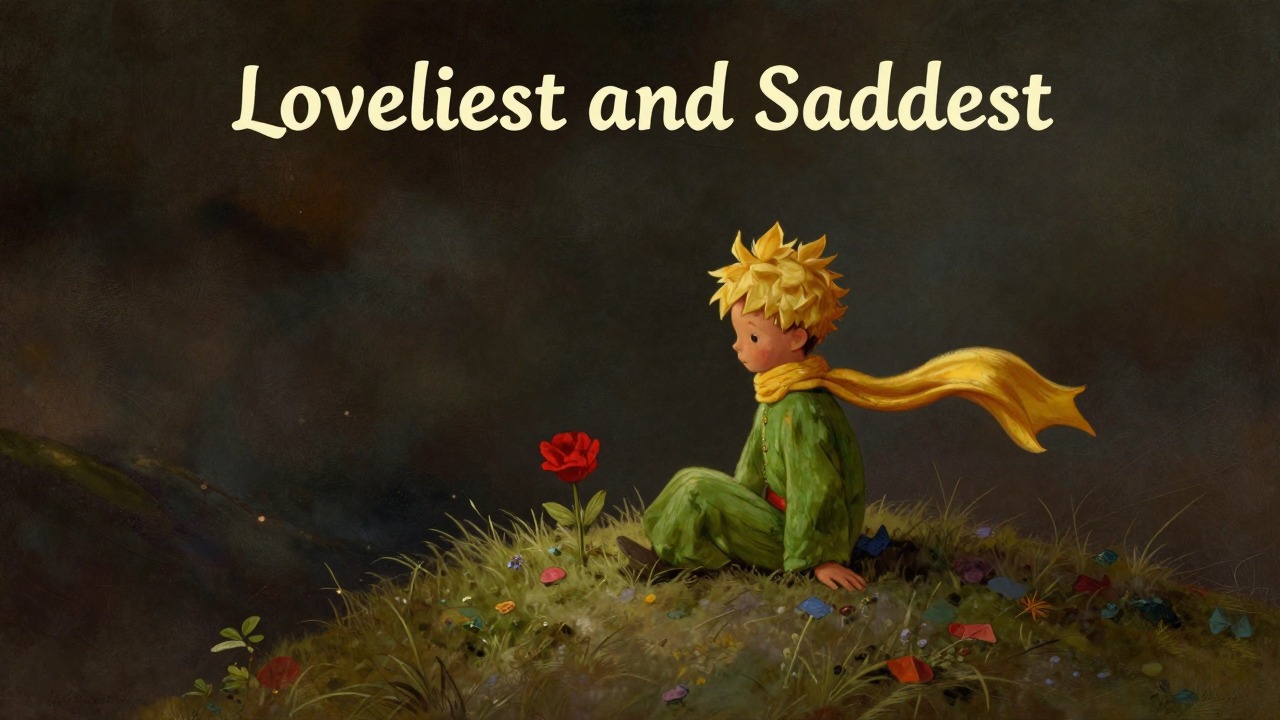
Loveliest and Saddest
Context
The narrator calls the landscape the loveliest and saddest in the world. The oxymoron captures the competing feelings of beauty and grief. It is lovely because the prince was there, and sad because he left.
Development
The judgment is entirely subjective and yet universally understandable. The same dune that holds a miracle also holds an absence. The landscape becomes a physical metaphor for the narrator's heart.
Significance
The phrase is one of the epilogue's most famous lines. It shows that beauty and sorrow are inseparable when love is deep.
Map for the Future
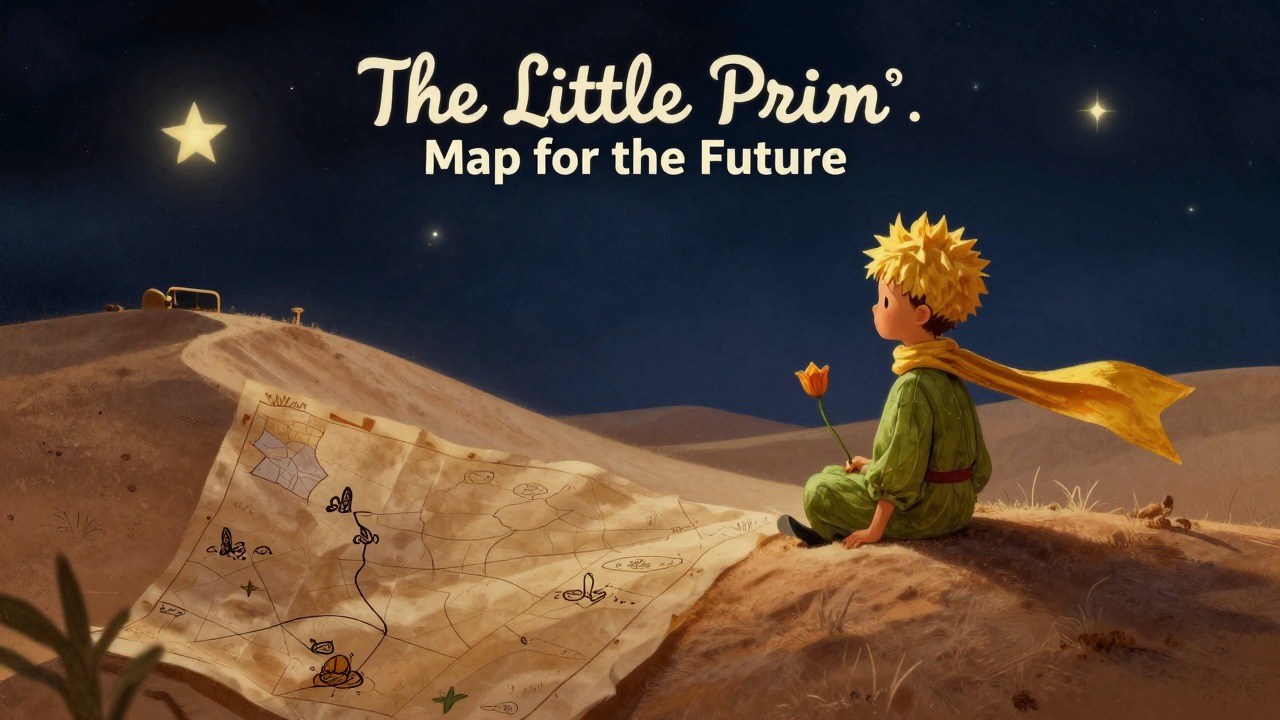
Map for the Future
Context
The narrator's drawing and description become a map for future travelers. Anyone who comes upon the spot should stop, wait under the star, and watch for the Little Prince.
Development
The map is incomplete: it leads to the desert, but the prince's appearance depends on chance. The narrator accepts this uncertainty and asks only for word if the prince is seen.
Significance
Map for the future leaves the story open. The landscape is not a tomb but a launchpad for possible reunion.
when the narrator first drew the African desert scene after the prince's disappearance
at the opening of the epilogue, when the narrator draws the scene a second time
when the narrator tells readers to examine the drawing closely
when the narrator names the landscape the loveliest and saddest in the world
in the final instructions to travelers
