
The Fake Admiral Affair
The Man in the High CastleA strange visitor to a San Francisco curio shop exposes the counterfeit art market and sets a chain of suspicion, police action, and blackmail in motion.
increasing Bearing strength in each event
 decreasing
Bearing strength in each eventdecreasingAdmiral's Gentleman Appears
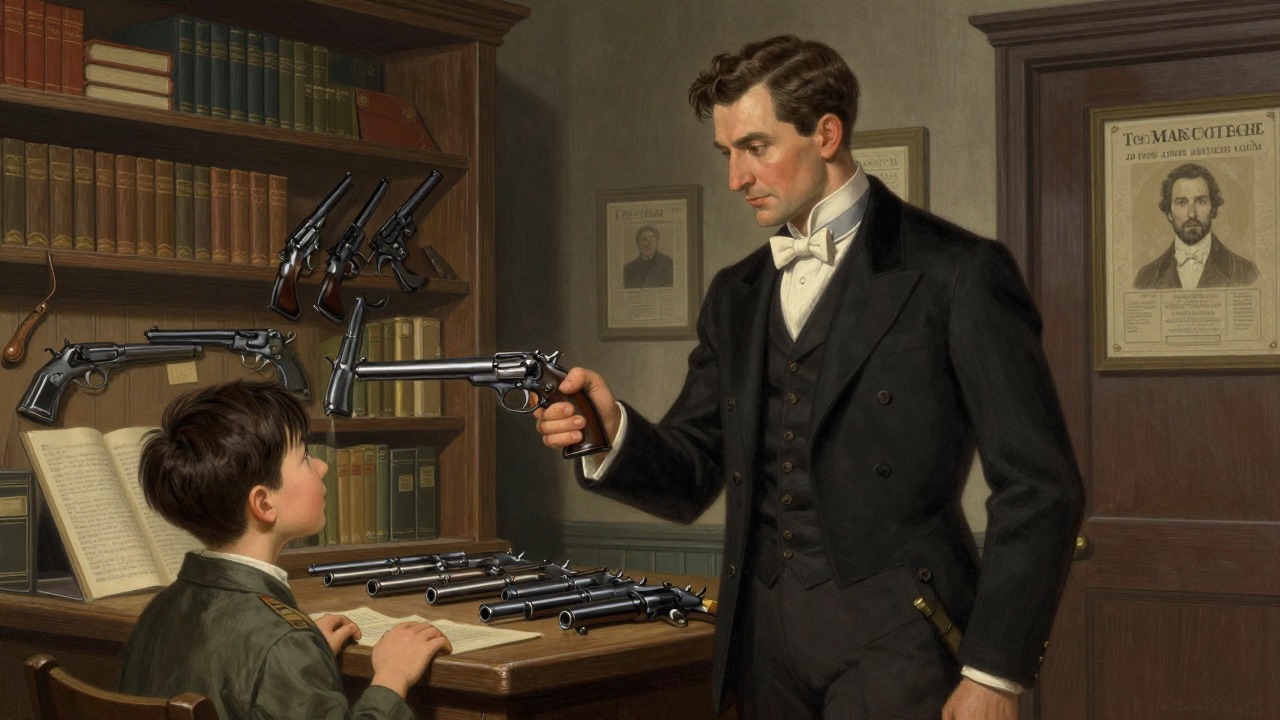
Admiral's Gentleman Appears
Context
An elegant white man enters the shop and says he represents Admiral Harusha of the carrier Syokaku. He wants twelve Civil War pistols for the admiral's officers.
Turning Point
Childan eagerly shows him a Colt, and the visitor pronounces it an imitation, ruining the sale. He bows and leaves without spending any money.
Significance
The fake admiral gambit is a deliberate trap designed to expose the counterfeit economy. It also reveals how vulnerable Childan's reputation is.
Syokaku Sunk
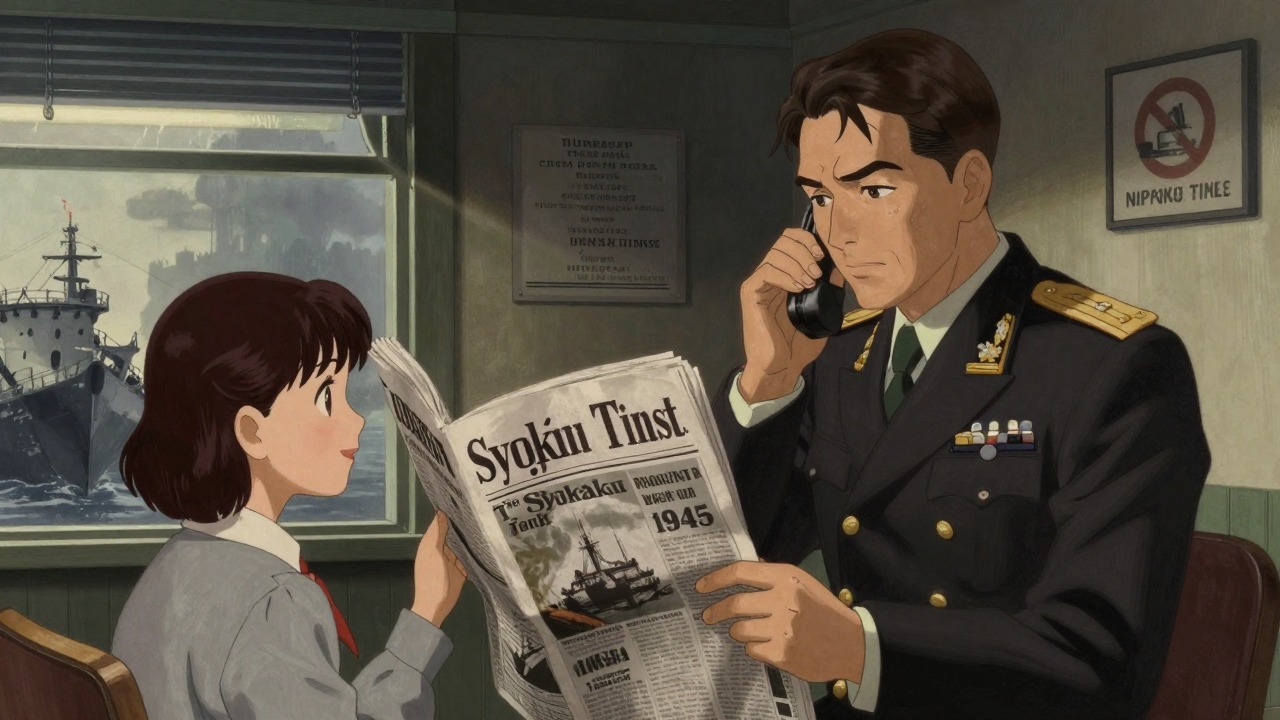
Syokaku Sunk
Context
After the visit, Childan tries to verify the admiral's story. He phones the Nippon Times newspaper office.
Turning Point
The girl at the newspaper giggles and tells him the carrier Syokaku was sunk in 1945. There is no Admiral Harusha.
Significance
The prank is revealed, but the gun is still a fake. Childan is left with the terrifying knowledge that he can no longer trust anything in his shop.
Kempeitai Investigation
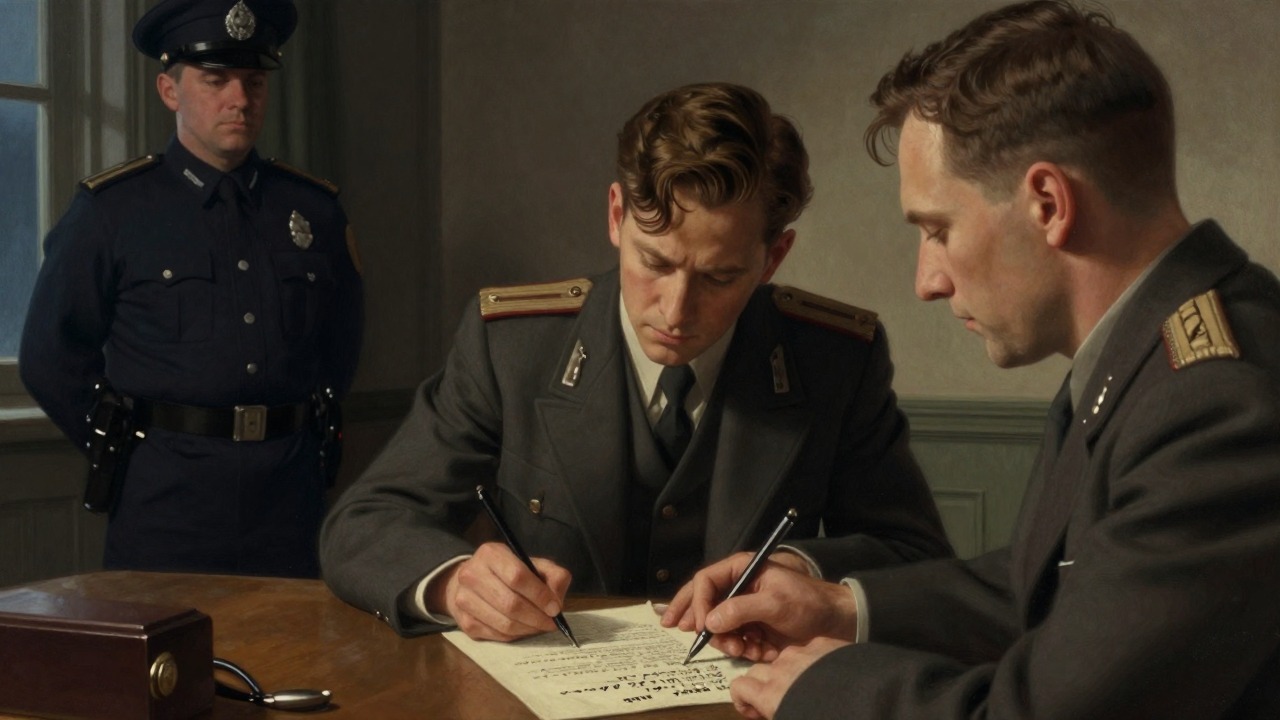
Kempeitai Investigation
Context
Returning home one evening, Childan is confronted by a Kempeitai officer. The police have identified the fake admiral's gentleman as Frank Frink.
Turning Point
Childan signs a formal statement against Frink, identifying him as a Jew named Fink. He feels a sense of relief that the system will protect him.
Significance
The police operation is a reminder that the occupation runs by paperwork and fear. It also connects the minor swindle to the larger story of Frink's fate.
Frink Arrested
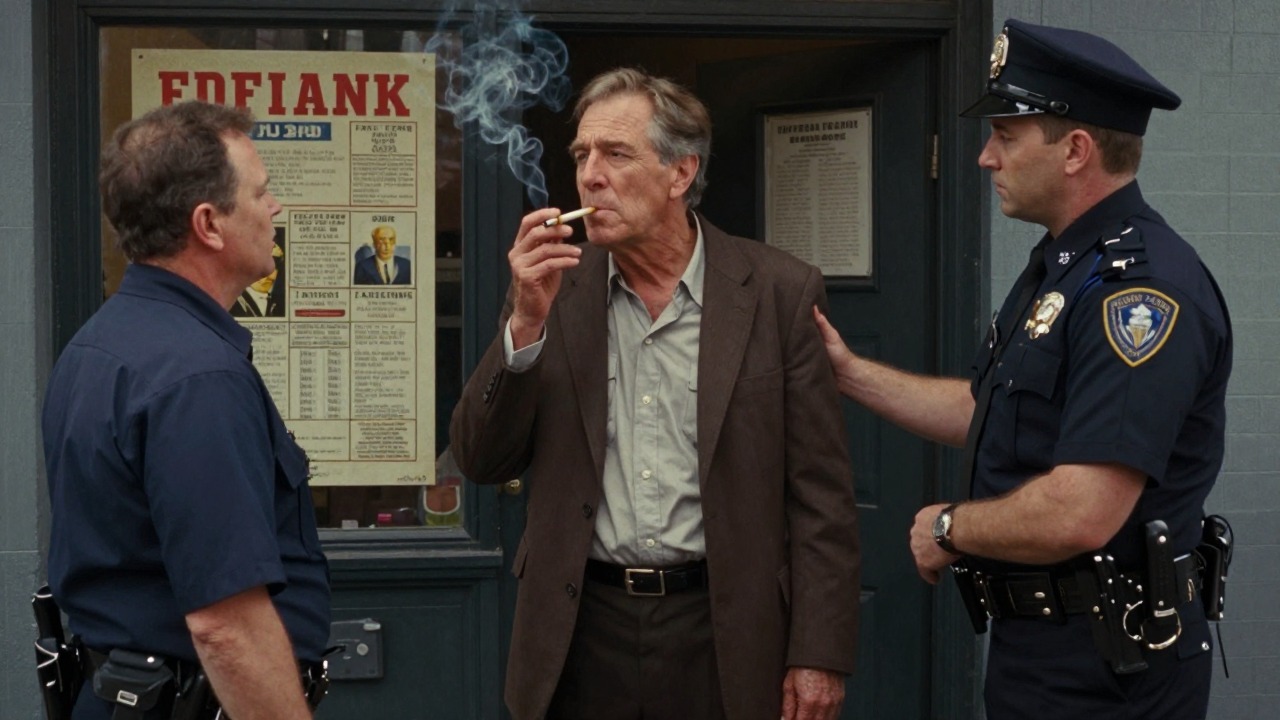
Frink Arrested
Context
Frank Frink is smoking a marijuana cigarette outside the Edfrank workshop when a plainclothes officer takes his arm. The warrant says bunco, related to Robert Childan's complaint.
Turning Point
At the police station, the officers begin calling him a kike and speak of sending him to Germany. Frink runs, is caught, and is lashed to the booking desk.
Significance
The arrest gives body to the abstract threat of place and race. A small fraud has turned into a death sentence, and only a Japanese official's whim will stop it.
Tagomi Voids the Extradition
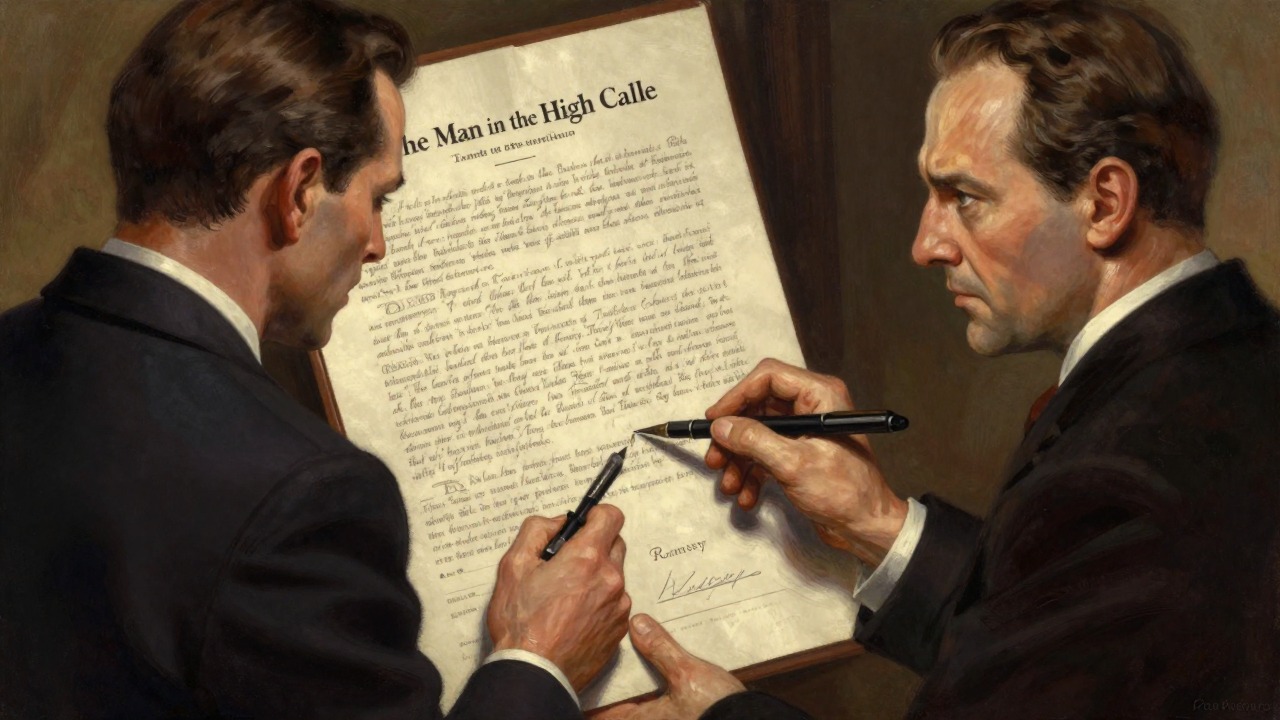
Tagomi Voids the Extradition
Context
Consul Hugo Reiss visits Nobusuke Tagomi to smooth over the SD raid. Tagomi, maddened by guilt and rage, refuses to accept the diplomatic fiction.
Turning Point
Ramsey hands Tagomi a form requesting the extradition of Frank Fink to Germany. Tagomi scribbles Release in the margin, overriding the Reich's demand.
Significance
The act is both a political insult and a cry of conscience. It is the one good thing Tagomi can do after his hands have been bloody.
one morning inside American Artistic Handcrafts
when Childan calls the Tokyo Herald
the night Childan finds a police officer in his room
outside the basement on a gray afternoon
inside the Nippon Times Building corridor
