
The Conflict of Justice and Authority
The Master and MargaritaPontius Pilate struggles between his personal sense of justice and the demands of imperial authority, culminating in his cowardly decision to condemn Yeshua.
increasing Bearing strength in each event
 decreasing
Bearing strength in each eventdecreasingThe Just Judge
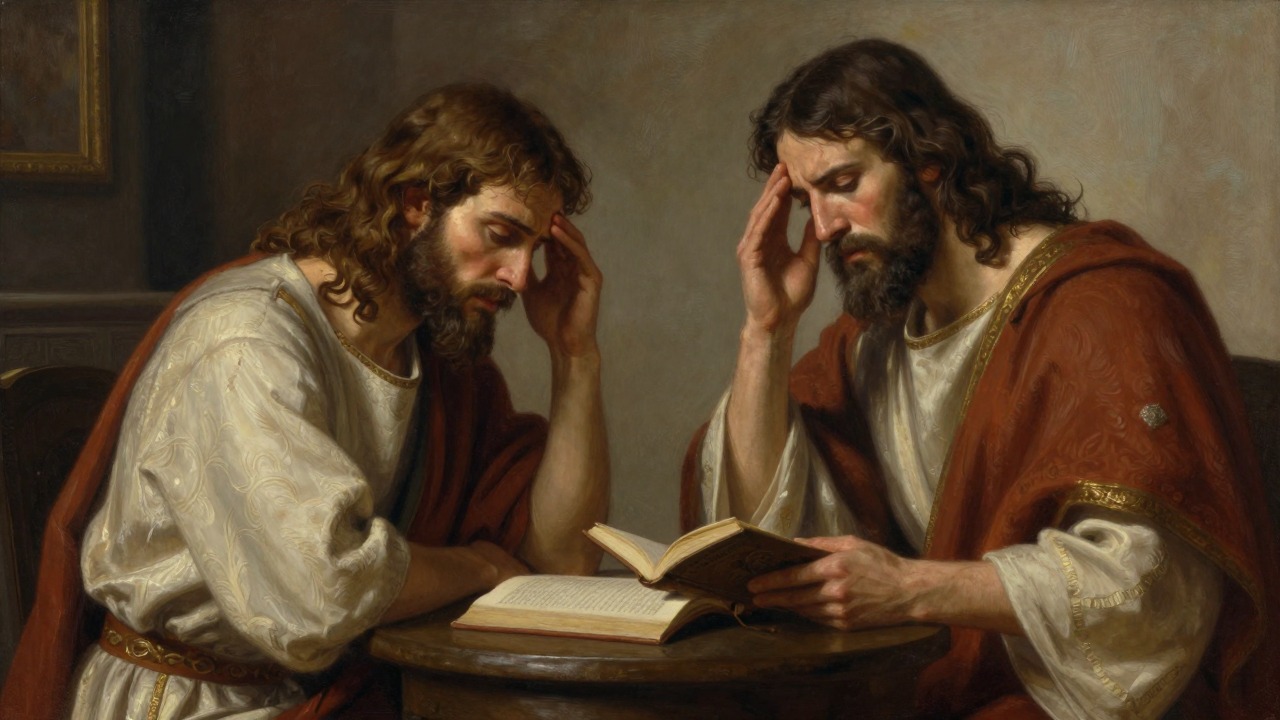
The Initial Impression
The Interrogation
Pilate interrogates Yeshua and finds no evidence of rebellion. He is impressed by the philosopher's sincerity and intelligence. He decides to dismiss the case.
The Connection
Yeshua speaks to Pilate with unusual empathy, diagnosing his headache and offering comfort. Pilate feels a strange bond with the prisoner. He wants to save him.
The Legal Dilemma
Pilate knows that Yeshua is innocent, but the law of the empire requires him to consider the charge of treason. He must weigh Yeshua's life against his own safety.
The Fear of Caesar
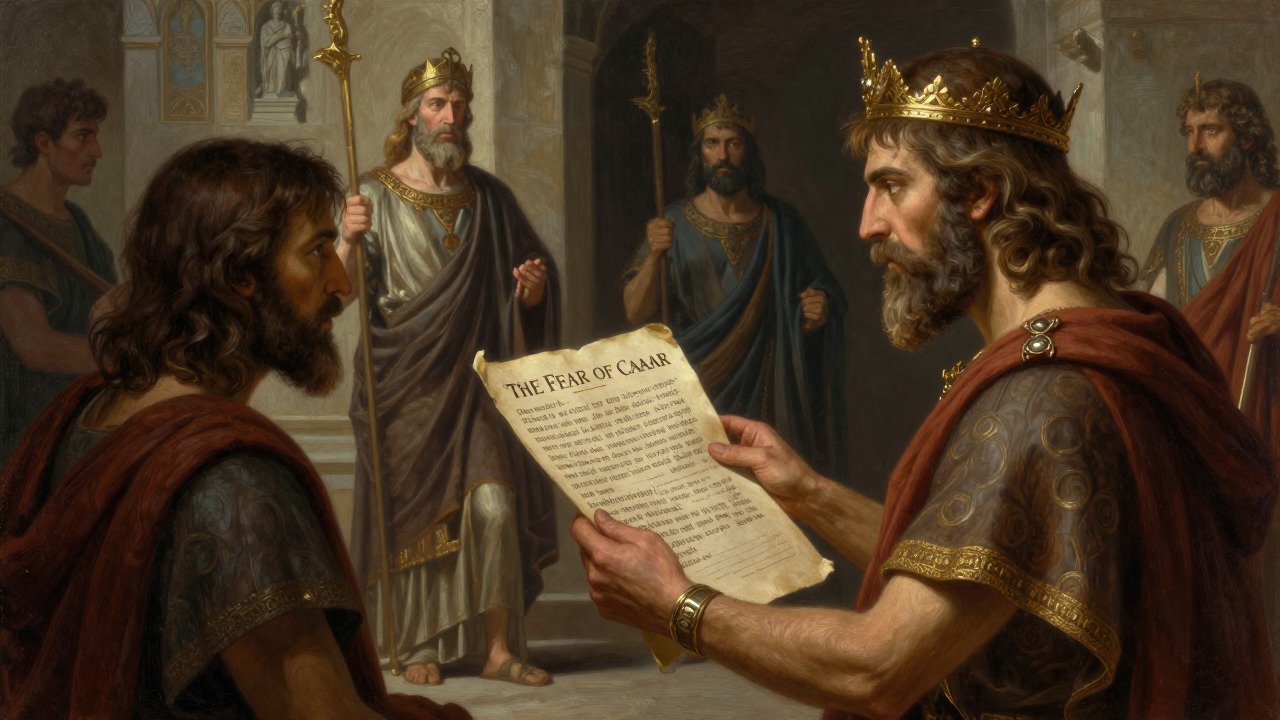
The Vision
The Threat
When Pilate reads the second report about Yeshua's words on authority, he sees a vision of the emperor Tiberius. He realizes that if he does not condemn Yeshua, he will be accused of treason himself.
The Decision
Pilate decides to confirm the death sentence, but he tries to save Yeshua by offering the crowd a choice between Bar-Rabban and Yeshua. He hopes that the crowd will choose Yeshua, but they choose Bar-Rabban.
The Cowardice
Pilate is unable to defy the Sanhedrin and the emperor. He washes his hands of the matter, but he knows that he has committed a terrible injustice. His cowardice haunts him.
The Eternal Punishment
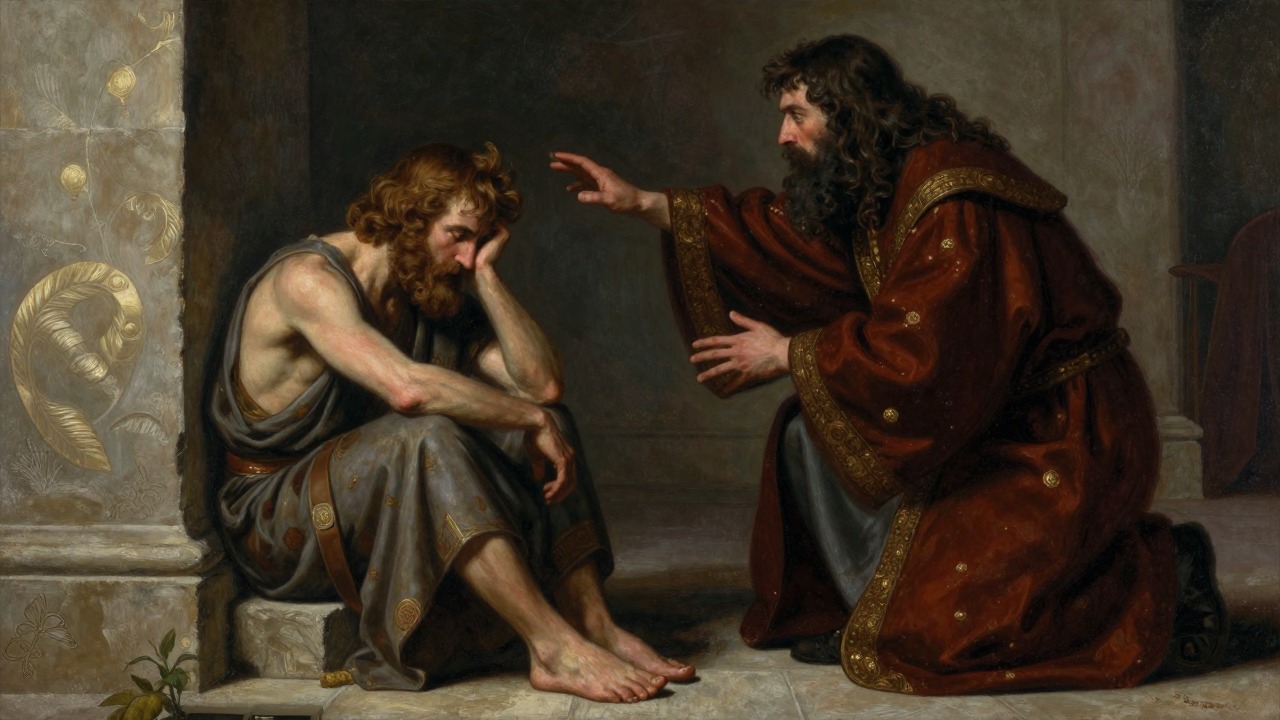
The Two Thousand Years
The Sentence
For his cowardice, Pilate is condemned to sit on a stone for two thousand years, waiting for forgiveness. He is trapped in a moment of timeless remorse.
The Release
At the end of the novel, the Master and Margarita, with Woland's help, release Pilate from his punishment. Yeshua speaks to him, and Pilate finally finds peace.
The Lesson
The conflict between justice and authority is resolved through mercy. Pilate's story is a warning about the consequences of cowardice, but also a testament to the possibility of redemption.
Morning of the trial
Later that morning
The end of the ancient story
