
The Conflict of Good and Evil
The Master and MargaritaWoland, as the devil, performs acts that seem evil but ultimately serve good, blurring the line between moral categories.
increasing Bearing strength in each event
 decreasing
Bearing strength in each eventdecreasingThe Devil's Debut
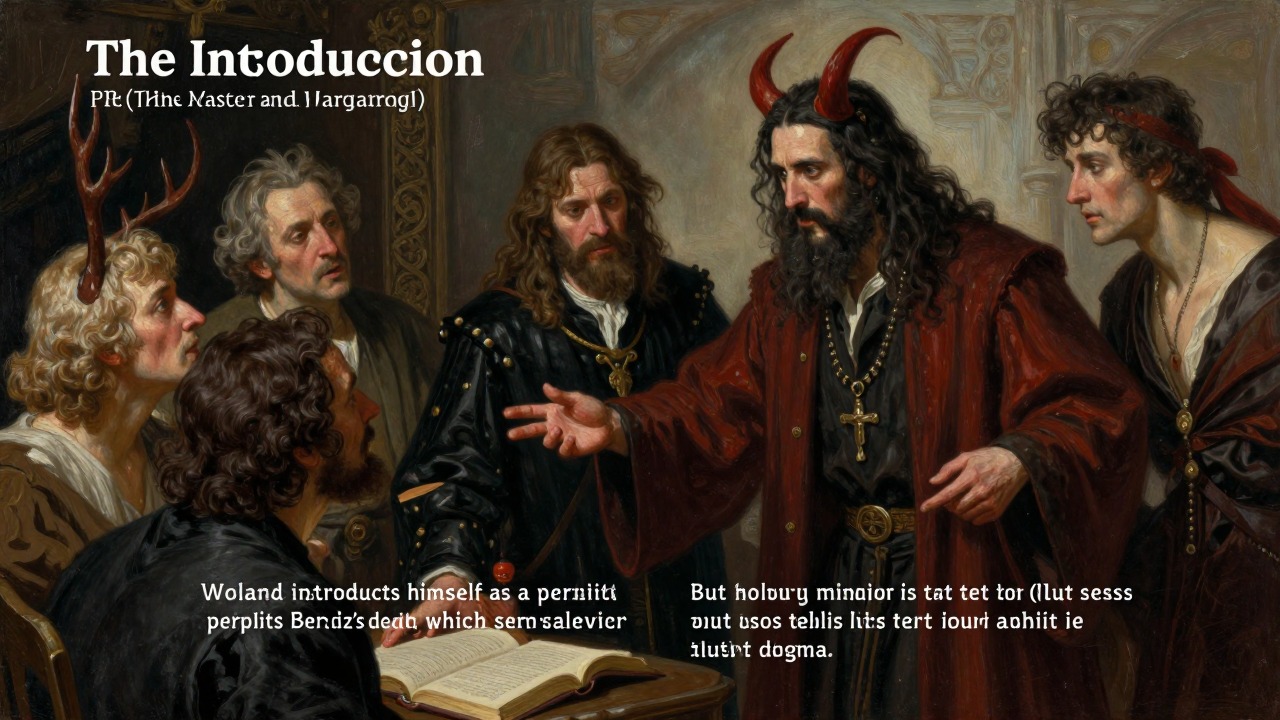
The Introduction
The Stranger
Woland introduces himself as a specialist in black magic. He predits Berlioz's death, which seems malevolent. But he also tells the truth about Jesus, challenging the atheist dogma.
The Purpose
Woland's mission is to test the people of Moscow. He exposes their greed, corruption, and hypocrisy. His actions are harsh but revealing.
The Ambiguity
Woland is not simply evil; he is a force that exposes evil in others. He quotes Goethe: 'I am part of that power which eternally wills evil and eternally works good.' This sets the tone for his role.
The Punishment of the Greedy
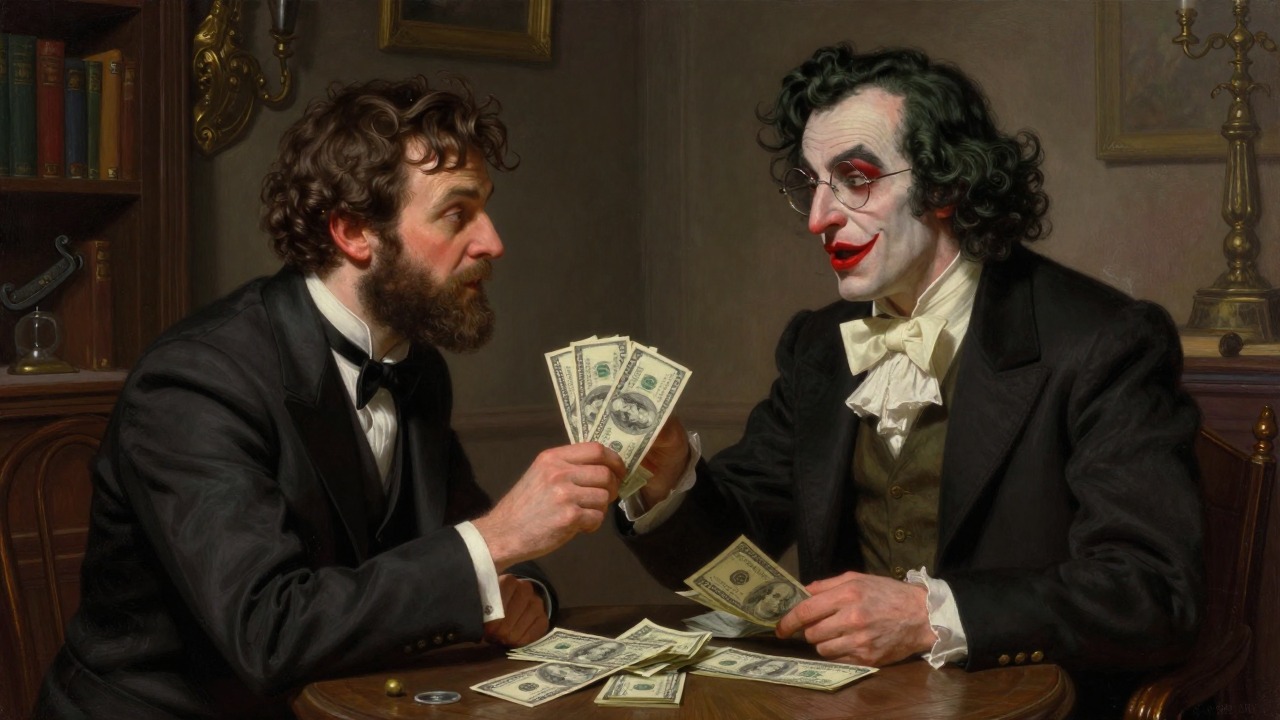
The Justice of Satan
The Currency Deal
Nikanor Ivanovich, a corrupt official, is bribed by Koroviev and then arrested. The dollars he received are a trap, but they expose his greed.
The Master of Ceremonies
Georges Bengalsky, a vain entertainer, has his head torn off during the seance. He is punished for his lies and hypocrisy. Woland allows him to be restored, but the lesson is brutal.
The Exposure
Arkady Apollonovich Sempleyarov is publicly humiliated when his affair is revealed. Woland's magic does not harm the innocent, but it punishes the guilty.
The Reward of the Faithful
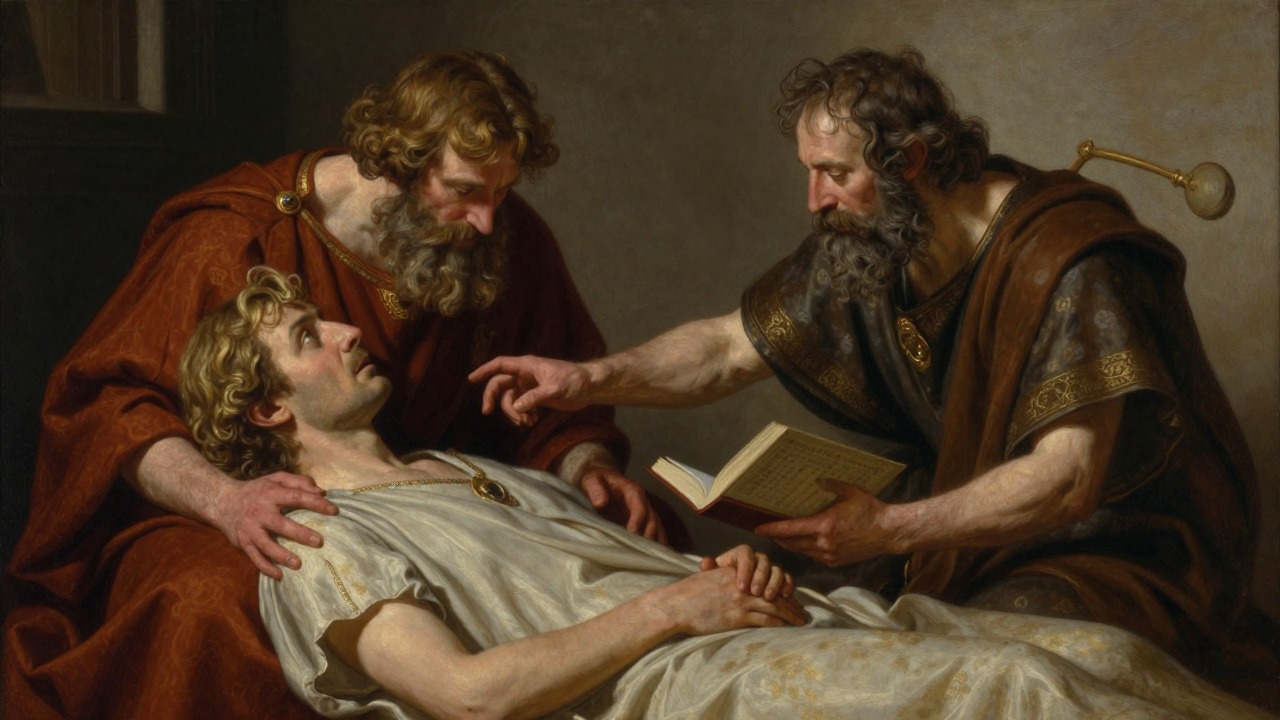
The Mercy
The Master and Margarita
Woland helps the Master and Margarita, granting them peace and eternal life. He shows mercy to those who have suffered under the system.
The Release of Pilate
Woland also facilitates the release of Pontius Pilate, fulfilling the Master's novel. He acts as an agent of ultimate justice, punishing evil and rewarding good.
The Paradox
Woland, the devil, becomes an instrument of divine justice. The novel suggests that good and evil are not absolute opposites but are intertwined in a cosmic balance.
First day
Second day
By the end of the novel
