Noah Calhoun
The NotebookNoah Calhoun is the protagonist and narrator of The Notebook, a man whose life is defined by a single, transformative love for Allie Nelson. From a working-class youth in New Bern, North Carolina, through war and decades of separation, he becomes a devoted husband, father, and, in old age, a caregiver who reads their story aloud daily in the hope of reaching his wife through the fog of Alzheimer's disease. His character embodies the novel's central themes: the endurance of perfect love, the power of memory and storytelling, and the quiet heroism of a life lived in faithful devotion.
Identity and Background
Noah Calhoun was born into a working-class family in New Bern, North Carolina. His mother died of influenza when he was two, and he was raised by his father, a timber-yard worker. As a child, Noah suffered from a severe stutter that led teachers to recommend he be pulled out of school, believing him retarded. His father took matters into his own hands, keeping him in school and making him work at the timber yard after classes. There, his father taught him to read aloud from books of poetry, telling him, "Learn to read this aloud and you'll be able to say anything you want to." By the following year, Noah had lost his stutter, but he continued to work at the timber yard and read poetry—especially the works of Walt Whitman and Alfred, Lord Tennyson—in the evenings with his father. This early experience forged a lifelong connection to poetry and a quiet, reflective nature. He was an only child, and his father's death from pneumonia shortly after Noah's return from World War II left him without close family. His best friend in later years was Gus, a seventy-year-old black man who lived down the road and with whom he played music. Noah never married until Allie, though he had been in love once before, a love he considered perfect.
Life and Plot Trajectory
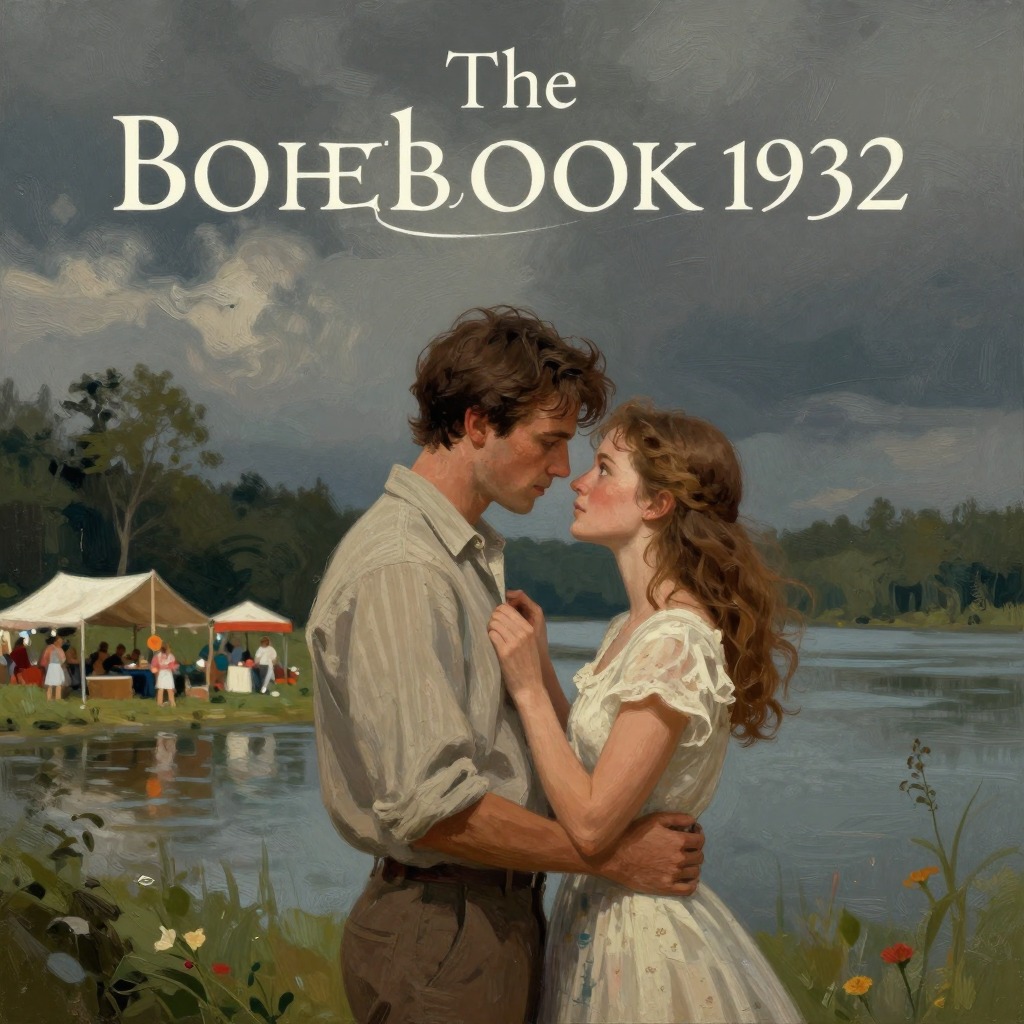
Noah's life follows a trajectory from youthful love, through separation and war, to a restored love and a long marriage shadowed by illness. In the summer of 1932, just after his graduation, he met Allie Nelson at the Neuse River Festival. They fell deeply in love, but her wealthy parents disapproved of him because of his lower social class. When Allie's family left New Bern at summer's end, Noah wrote to her for two years without receiving a single reply—letters her mother had intercepted. Believing their love was over, he left New Bern to escape his memories and find work during the Great Depression. He worked in a Norfolk shipyard, then at a scrap yard in New Jersey owned by Morris Goldman, a Jewish man who became a mentor. Noah worked hard, rising to run the entire operation, and when Goldman died, his estate was liquidated, leaving Noah a check for almost seventy thousand dollars. He enlisted in the army after Pearl Harbor and served for three years with Patton's Third Army in North Africa and Europe, watching friends die around him. After the war, he returned to New Bern, bought the old plantation house he had once shown Allie, and spent eleven months and a small fortune restoring it. In October 1946, Allie, now engaged to Lon Hammond Jr., saw a newspaper article about the restoration and came to find him. Over two days, they rekindled their love, and despite her engagement, Allie chose to stay with him. They married, had five children (four of whom survived), and lived a long life together. In their later years, Allie developed Alzheimer's disease, and Noah became her primary caregiver, reading their story to her every day from a notebook he had written. After suffering a stroke, he continued to visit her at night, and on their forty-ninth anniversary, she briefly recognized him, calling him by name and kissing him.
Key Actions and Objectives
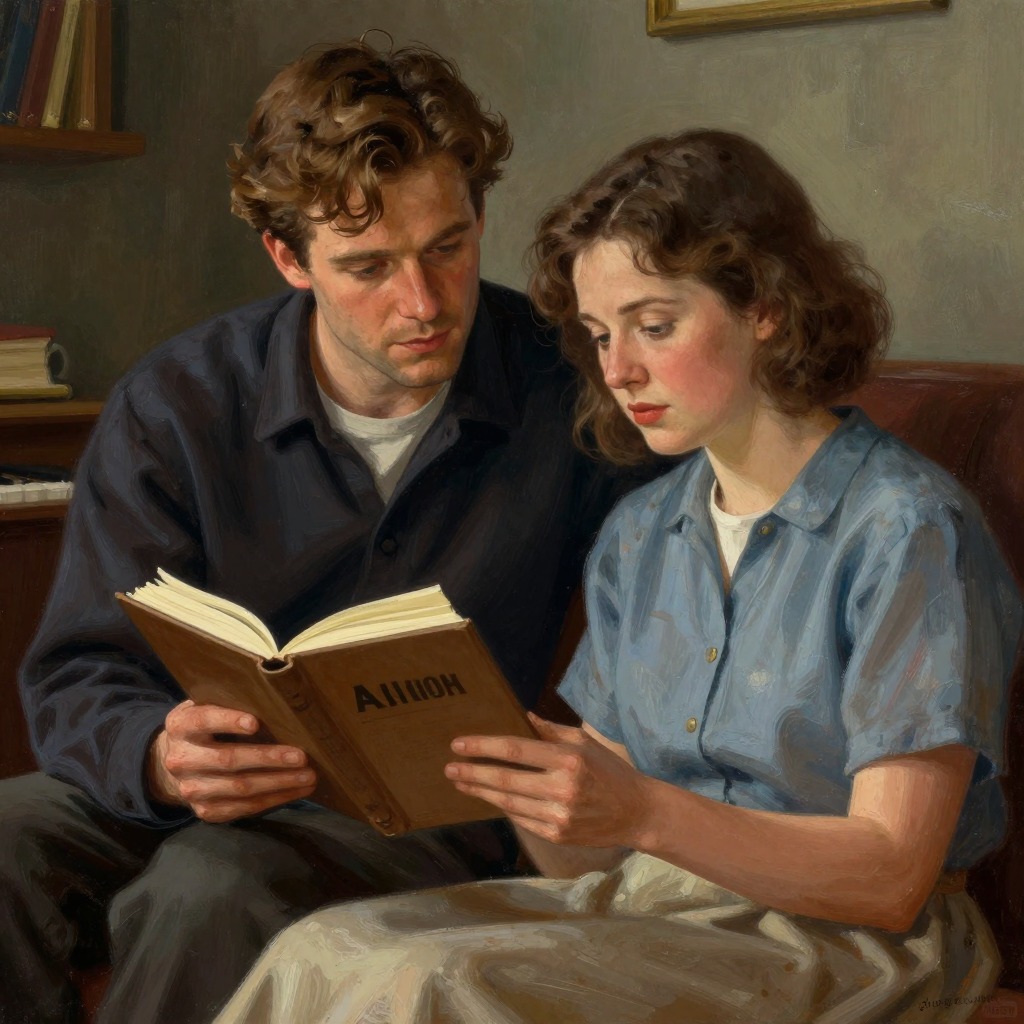
Noah's key actions are driven by his love for Allie and his commitment to preserving their bond. As a young man, he worked hard to build a life, first at the timber yard, then in the scrap business, and finally restoring the house he had promised her. During the war, he carried a copy of Leaves of Grass with him, a symbol of the poetry and the summer they shared. His most significant action in the present of the novel is his daily ritual of reading the notebook aloud to Allie, even though she often does not recognize him. He does this not out of duty, but out of a romantic hope that the story might trigger a miracle and bring her back to him, even for a moment. He also deliberately limits the information he gives her on good days, answering only what is asked, to avoid overwhelming her with the painful truth of her condition. His objective is not to cure her, but to create moments of connection and love, however fleeting.
Relationships and Conflict
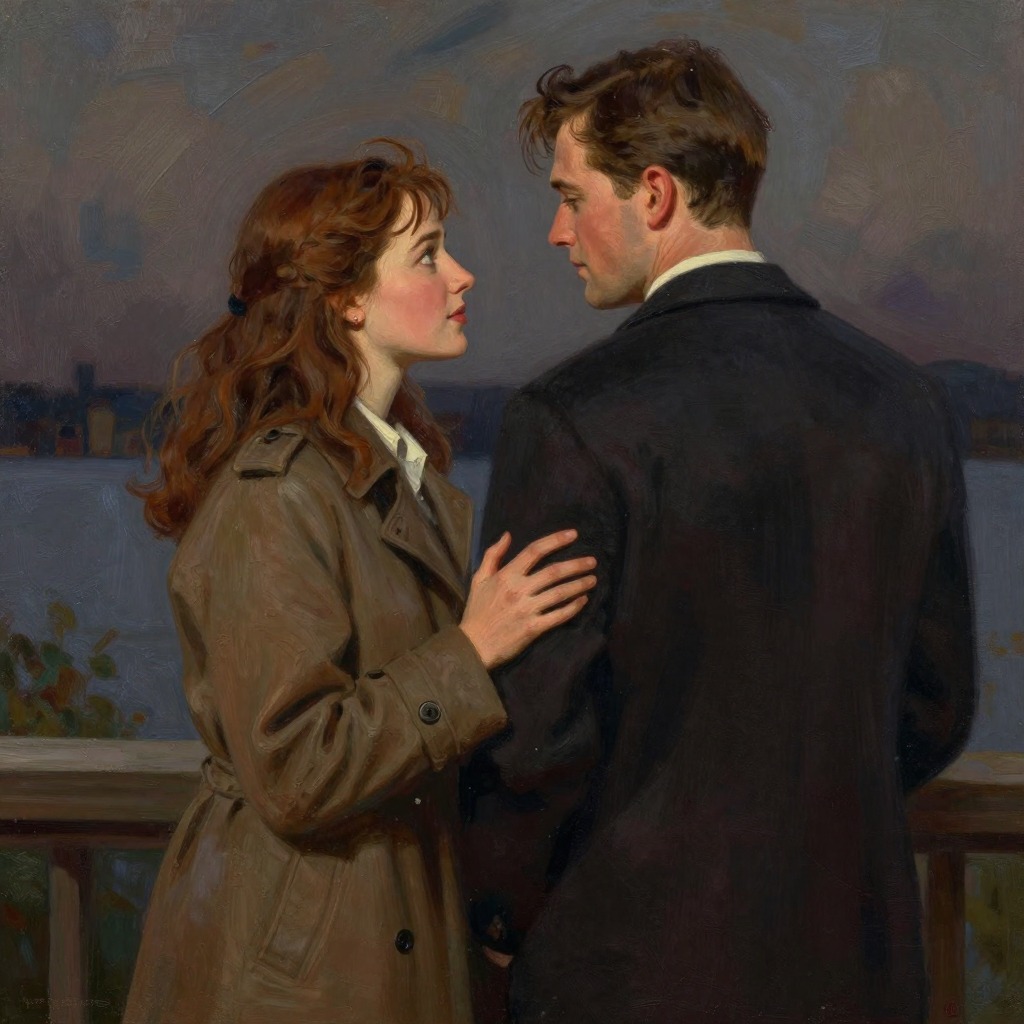
Noah's central relationship is with Allie, a love he describes as having happened only once, a love that "rode on shooting stars and roared like crashing waves." Their relationship is marked by class conflict—her parents disapproved of him because he was "too poor"—and by the fourteen-year separation caused by her mother's interception of his letters. When Allie returns, engaged to the wealthy and successful Lon Hammond Jr., Noah must confront the possibility of losing her again. He asks her directly if she loves Lon, and when she says yes, he tells her, "If you're happy, Allie, and you love him, I won't try to stop you from going back to him. But if there's a part of you that isn't sure, then don't do it." His relationship with his father is a source of strength and guidance; his father taught him the value of hard work, poetry, and the sounds of nature as "God's music." With his children, he shares the story of his and Allie's reunion, and they respond by telling him how much he and Allie meant to them growing up. In old age, his primary conflict is with Allie's disease, which steals her memory and, each evening, her recognition of him. He struggles against the "thief" of Alzheimer's, feeling a failure when she slips away, but he never stops trying.
Change and Ending
Noah changes from a young man haunted by a lost love to an old man who has lived a full life with that love, yet who must now face its gradual loss. In his youth, he was a dreamer who worked to forget, haunted by the "ghost" of Allie's memory. After their reunion, he becomes a devoted husband and father, finding fulfillment in family and in supporting Allie's art. In old age, he is transformed by illness and caregiving: his body is ravaged by arthritis, cancer, and the aftereffects of a stroke, leaving him with misshapen hands and a shuffling gait. Yet his spirit remains focused on Allie. The novel ends with a moment of grace: on their forty-ninth anniversary, he sneaks into her room at night, and when he kisses her, she responds, murmuring, "Oh, Noah . . . I've missed you." She begins to unbutton his shirt, and he feels they are "slipping towards heaven itself." This moment, a miracle that defies the doctors' predictions, is the culmination of his lifelong devotion.
Narrative Role and Evaluation
Noah serves as both the protagonist and the primary narrator of The Notebook. The novel is framed by his voice as an old man, reading the story of his life to Allie. This dual perspective—the young man experiencing the love and the old man remembering it—allows the narrative to explore themes of memory, time, and the power of storytelling. Noah is presented as a "common man" who has led a "common life," yet his capacity for love elevates him. He is a poet in spirit if not in practice, a man who finds beauty in nature and in the simple act of sitting with his wife. His character is a testament to the idea that a life measured by love, not by worldly achievement, is a life well lived. The novel's central question—whether love can transcend even the erasure of memory—is answered through his unwavering devotion.