
The Inevitability of Fate and the Gods' Displeasure
The PearlExplores the theme that the gods do not love human plans and that fate punishes those who try to rise above their station.
increasing Bearing strength in each event
 decreasing
Bearing strength in each eventdecreasingThe Gods' Dislike of Plans
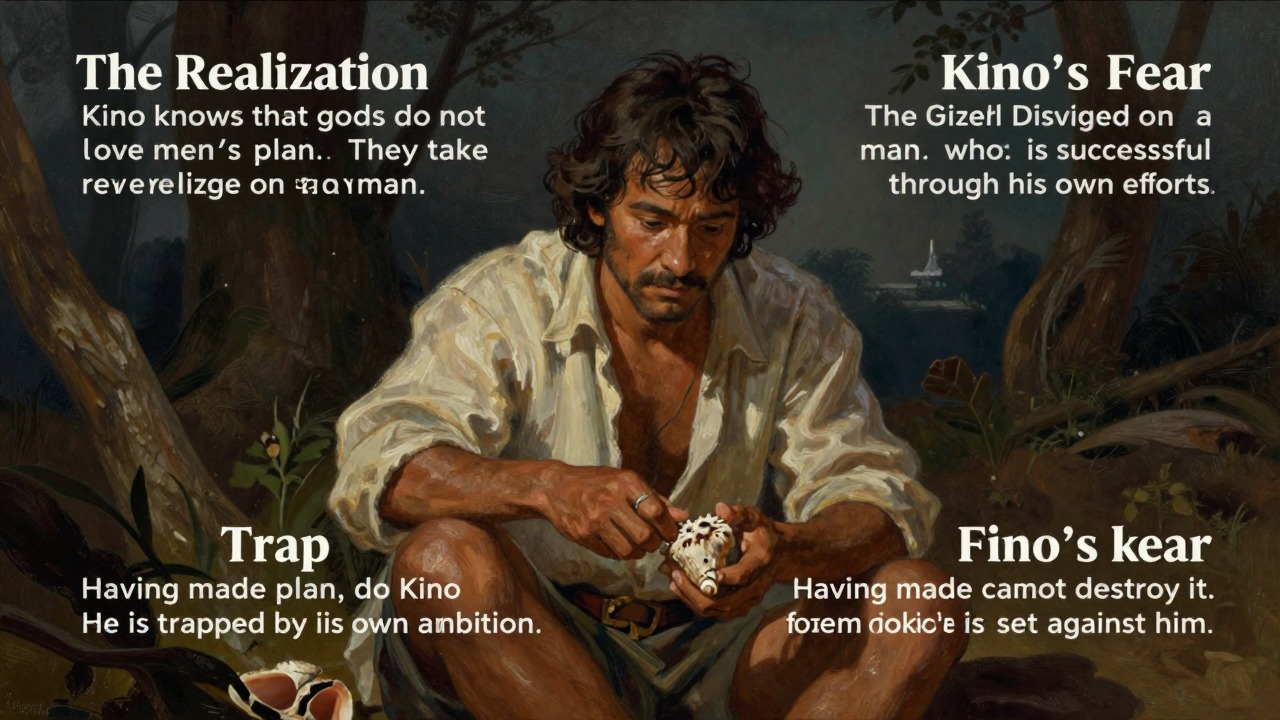
Kino's Fear
The Realization
Kino knows that the gods do not love men's plans. They take revenge on a man who is successful through his own efforts.
The Trap
Having made a plan, Kino cannot destroy it. He is trapped by his own ambition. Fate is set against him.
The Priest's Sermon
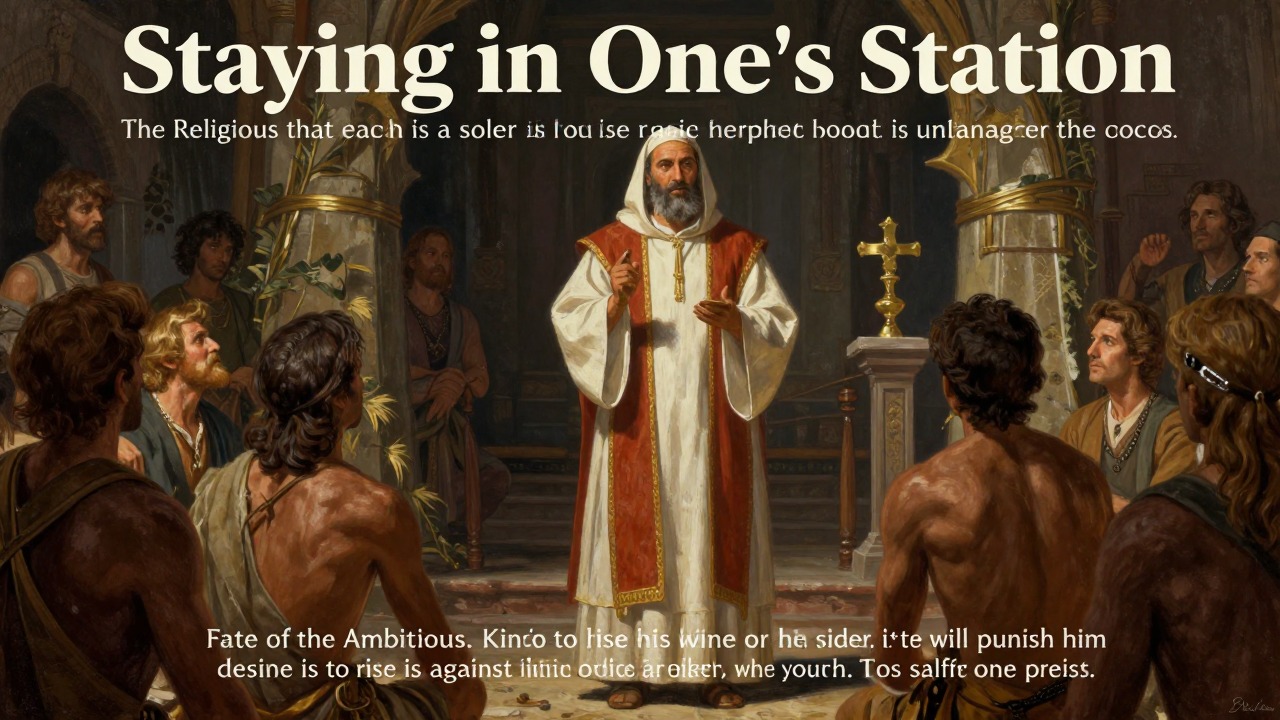
Staying in One's Station
The Religious View
The priest preaches that each man is a soldier sent by God to guard his post. To leave one's station is to endanger the castle.
The Fate of the Ambitious
Kino's desire to rise is against divine order. Fate will punish him.
The Prohibition Against Wanting Too Much
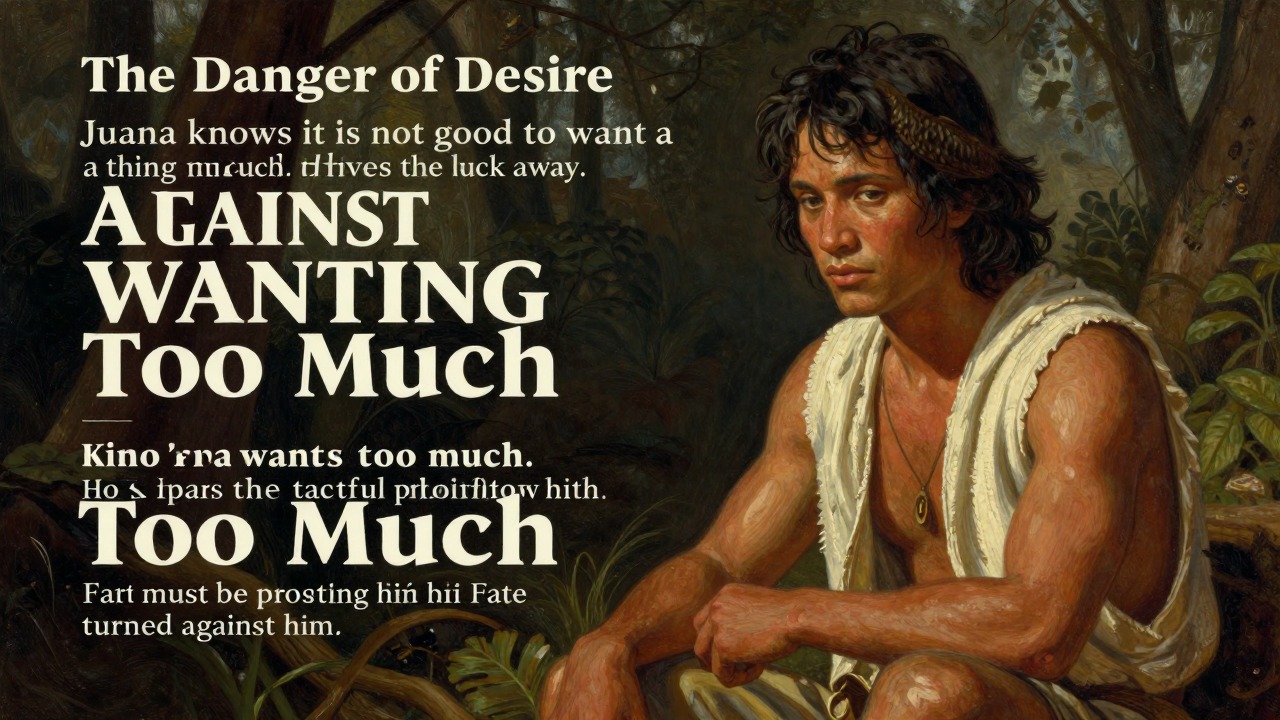
The Cultural Belief
The Danger of Desire
Juana knows it is not good to want a thing too much. It drives the luck away. You must be tactful with the gods.
Kino's Violation
Kino wants too much. He breaks the prohibition. Fate turns against him.
The Series of Disasters
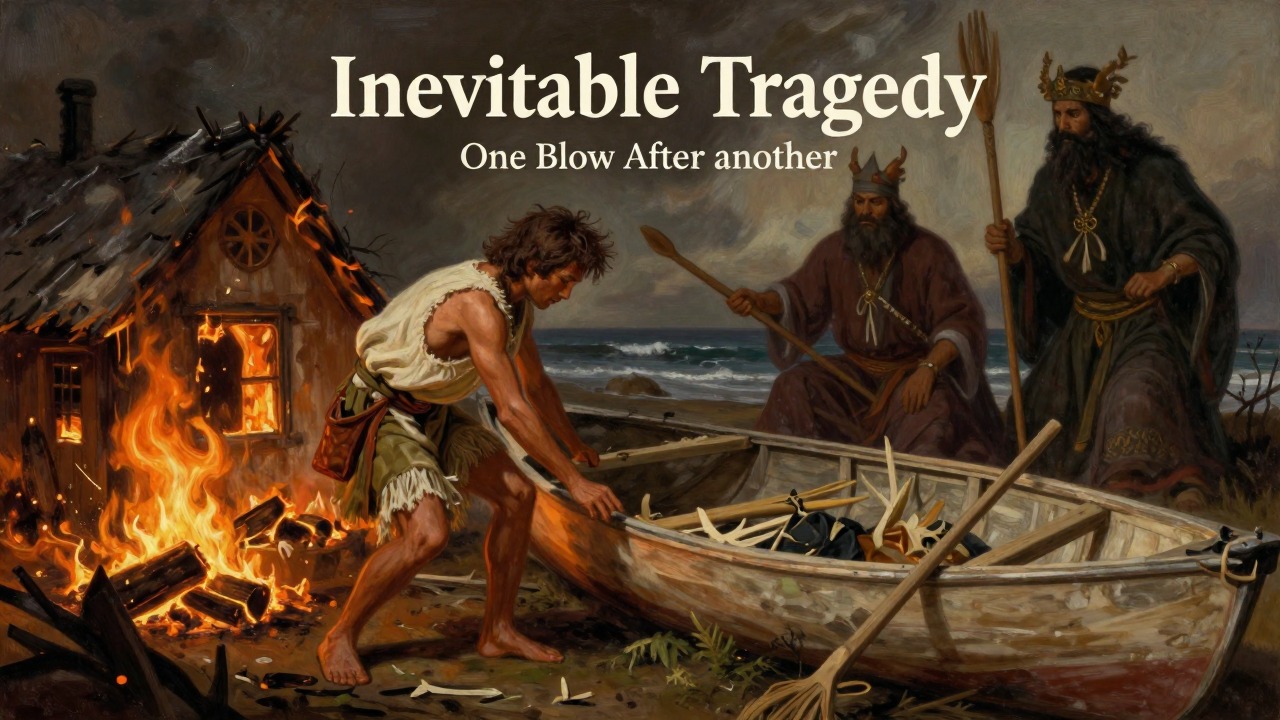
The Inevitable Tragedy
One Blow After Another
Kino is attacked, his house burned, his canoe broken, his son killed. Each disaster seems fated.
The Gods' Revenge
The gods are taking revenge on Kino for his presumption. Fate is inexorable.
The Acceptance of Fate
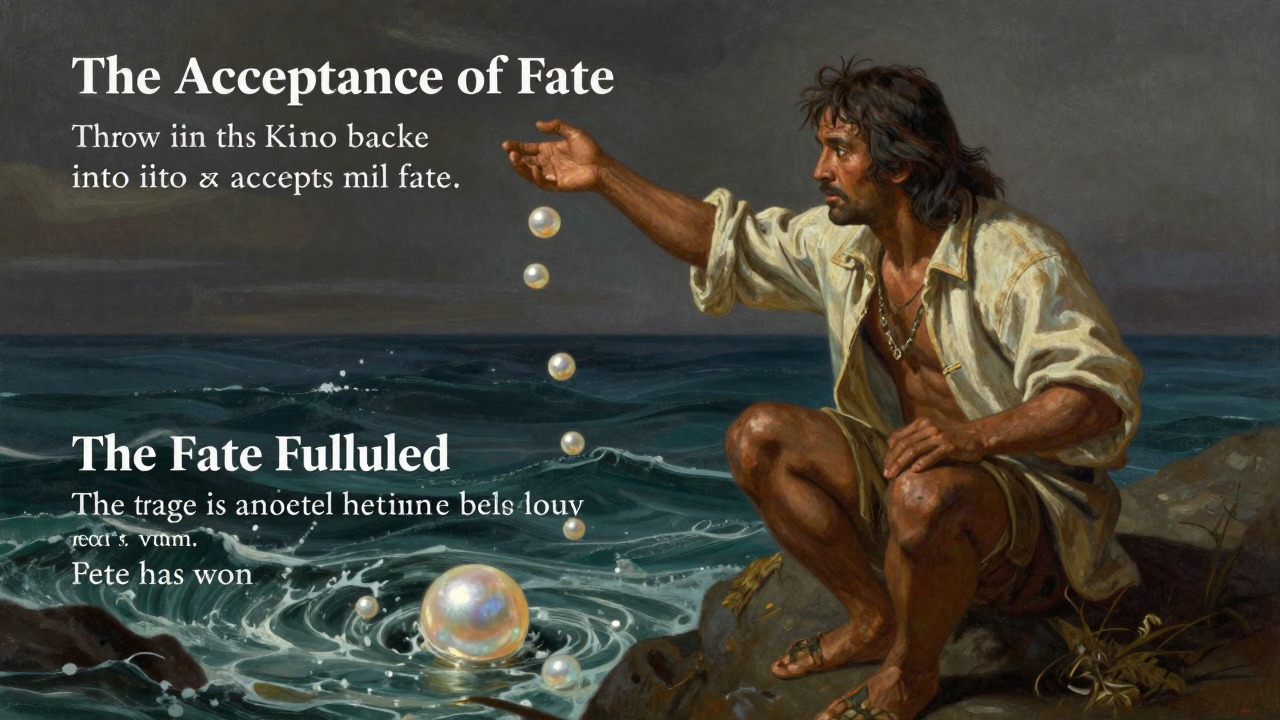
Kino's Surrender
Throwing the Pearl
Kino throws the pearl back into the sea. He accepts his fate. He returns to his station.
The Fate Fulfilled
The tragedy is complete. Kino has learned that the gods do not love men's plans. Fate has won.
After Kino makes his plans
Earlier, as recalled
Throughout the story
From the first attack onward
Sunset of the third day
