
The Parable of the Pearl of Great Price
The PearlInterprets the story as a modern parable about the dangers of materialism, echoing the biblical pearl of great price.
increasing Bearing strength in each event
 decreasing
Bearing strength in each eventdecreasingThe Biblical Allusion
The Pearl of Great Price
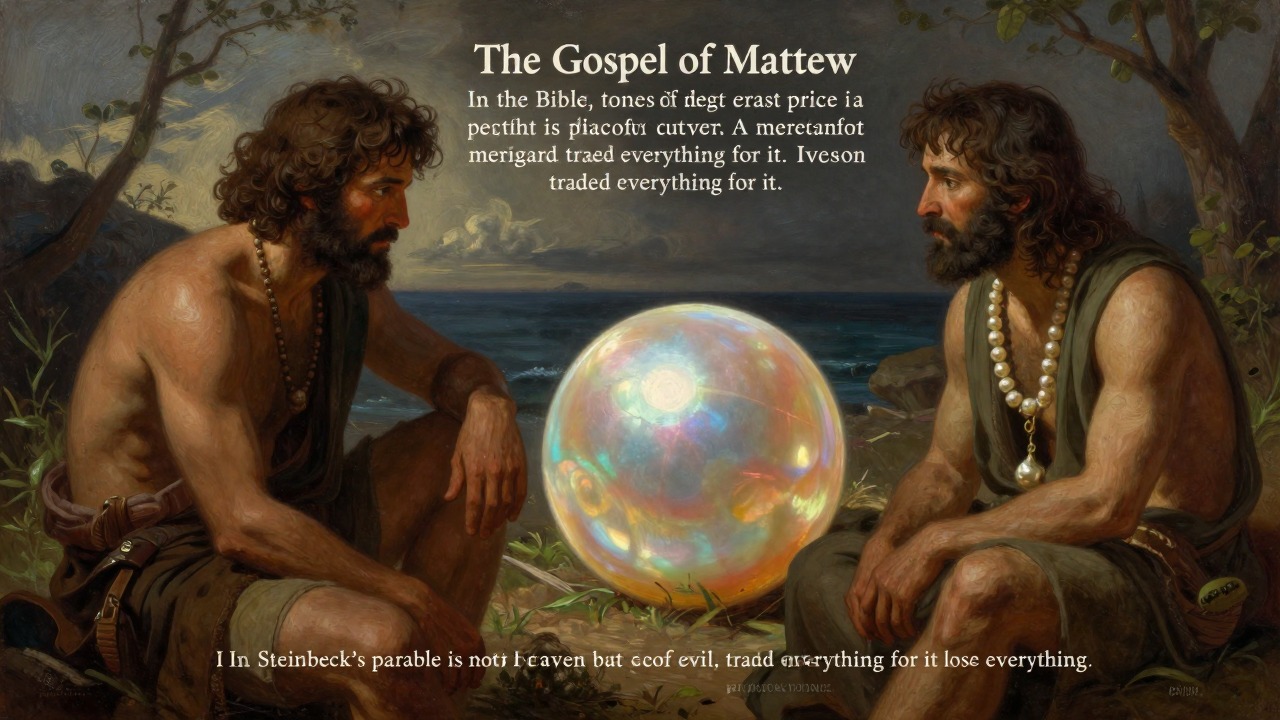
The Gospel of Matthew
In the Bible, the pearl of great price is a metaphor for Heaven. A merchant trades everything for it.
Steinbeck's Inversion
In Steinbeck's parable, the pearl is not Heaven but a source of evil. Kino trades everything for it and loses everything.
The Innocent Discovery
The Finding
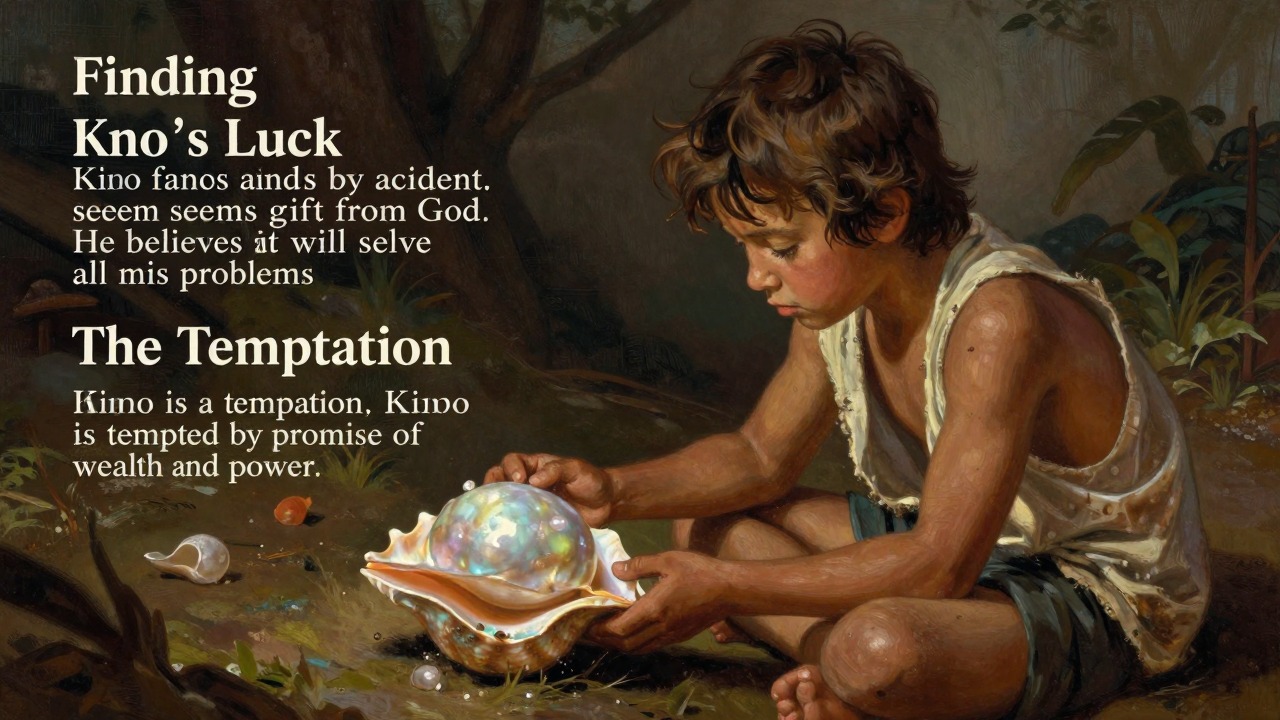
Kino's Luck
Kino finds the pearl by accident. It seems a gift from God. He believes it will solve all his problems.
The Temptation
The pearl is a temptation. Kino is tempted by the promise of wealth and power.
The Fall from Innocence
The Corruption
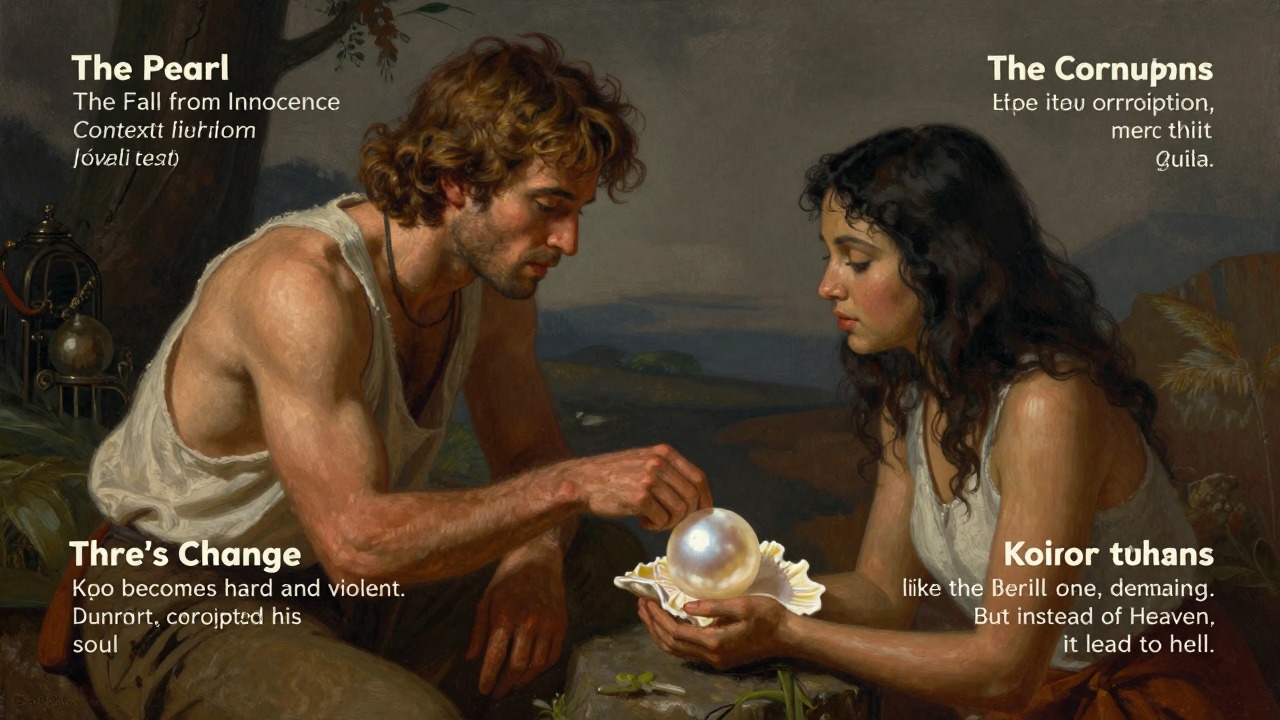
Kino's Change
Kino becomes hard and violent. He strikes Juana. The pearl has corrupted his soul.
The Parable's Lesson
The pearl, like the biblical one, demands everything. But instead of Heaven, it leads to hell.
The Sacrifice
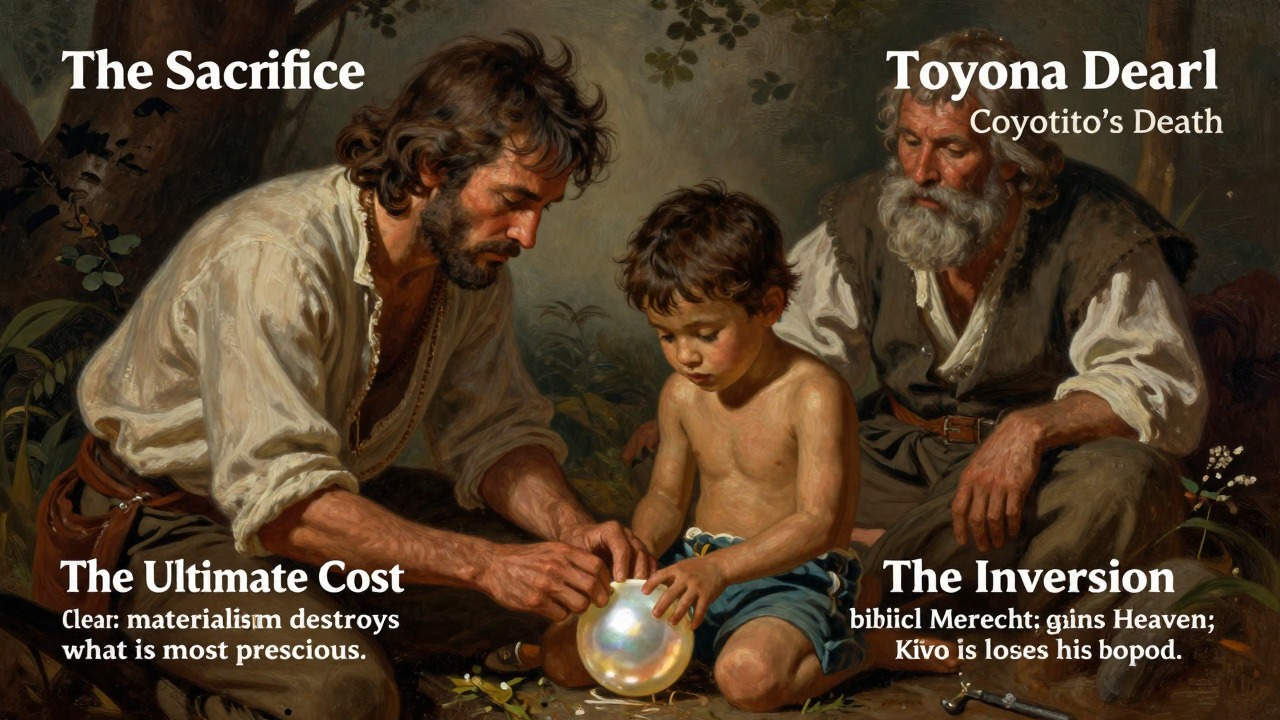
Coyotito's Death
The Ultimate Cost
Kino sacrifices his son for the pearl. The parable's lesson is clear: materialism destroys what is most precious.
The Inversion
The biblical merchant gains Heaven; Kino loses his son. The pearl is a false god.
The Renunciation
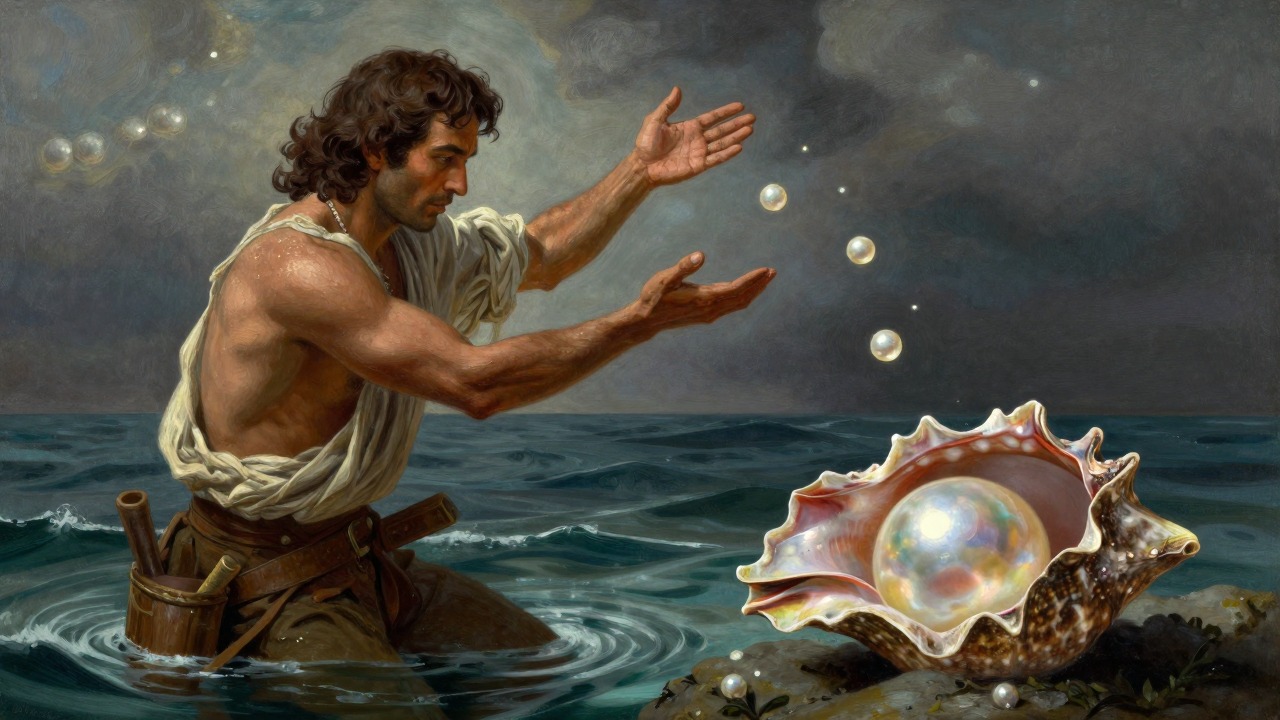
Throwing the Pearl
Kino's Act
Kino throws the pearl back into the sea. He renounces materialism. He has learned the parable's lesson.
The Moral
The pearl of great price is not wealth but the love of family. Kino has lost that love. The parable ends in tragedy.
Throughout the story
Midday of the first day
After the first attack
Evening of the second day
Sunset of the third day
