
The Conscience and the Portrait
The Picture of Dorian GrayThe portrait serves as Dorian's conscience, a visible reminder of his sins that he tries to ignore but cannot escape.
increasing Bearing strength in each event
 decreasing
Bearing strength in each eventdecreasingThe Portrait as Conscience
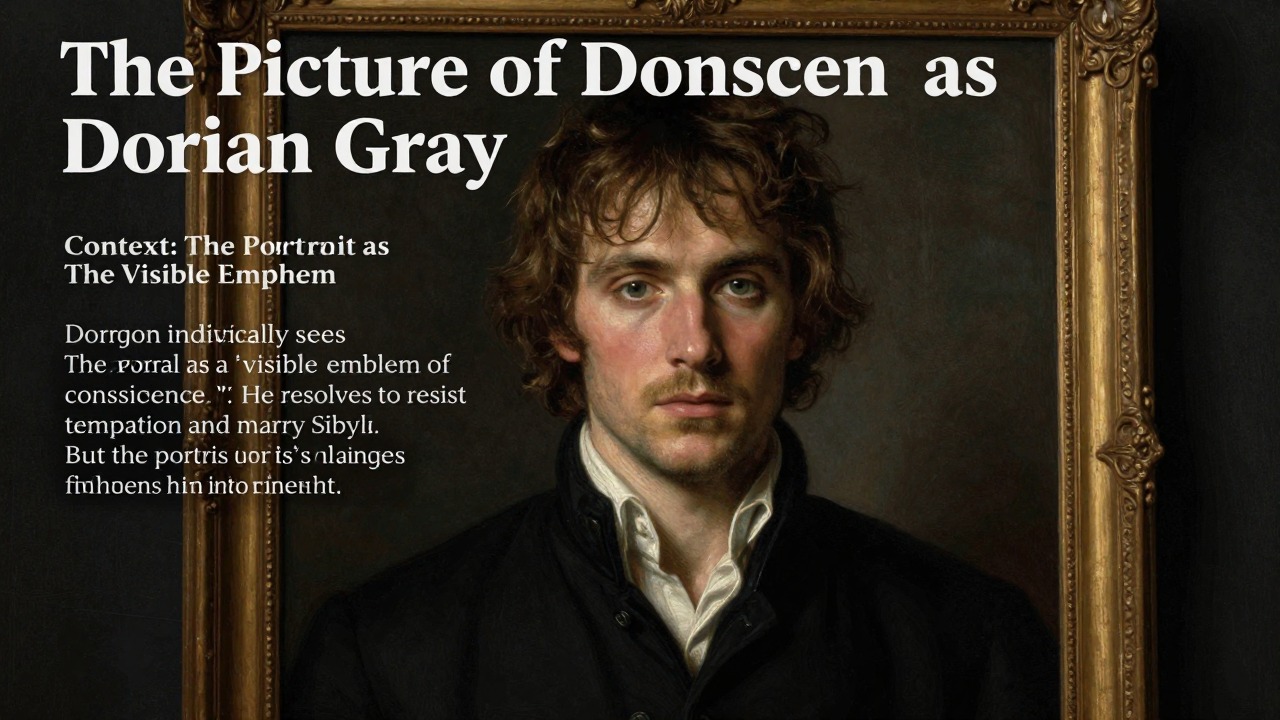
The Portrait as Conscience
The Visible Emblem
Dorian initially sees the portrait as a 'visible emblem of conscience.' He resolves to resist temptation and marry Sibyl. But the portrait's change frightens him into hiding it.
The Early Remorse
For a brief moment, Dorian feels guilt and wants to reform. The portrait has the power to guide him, but he rejects it. He chooses to hide the evidence rather than change his ways.
The Suppressed Conscience
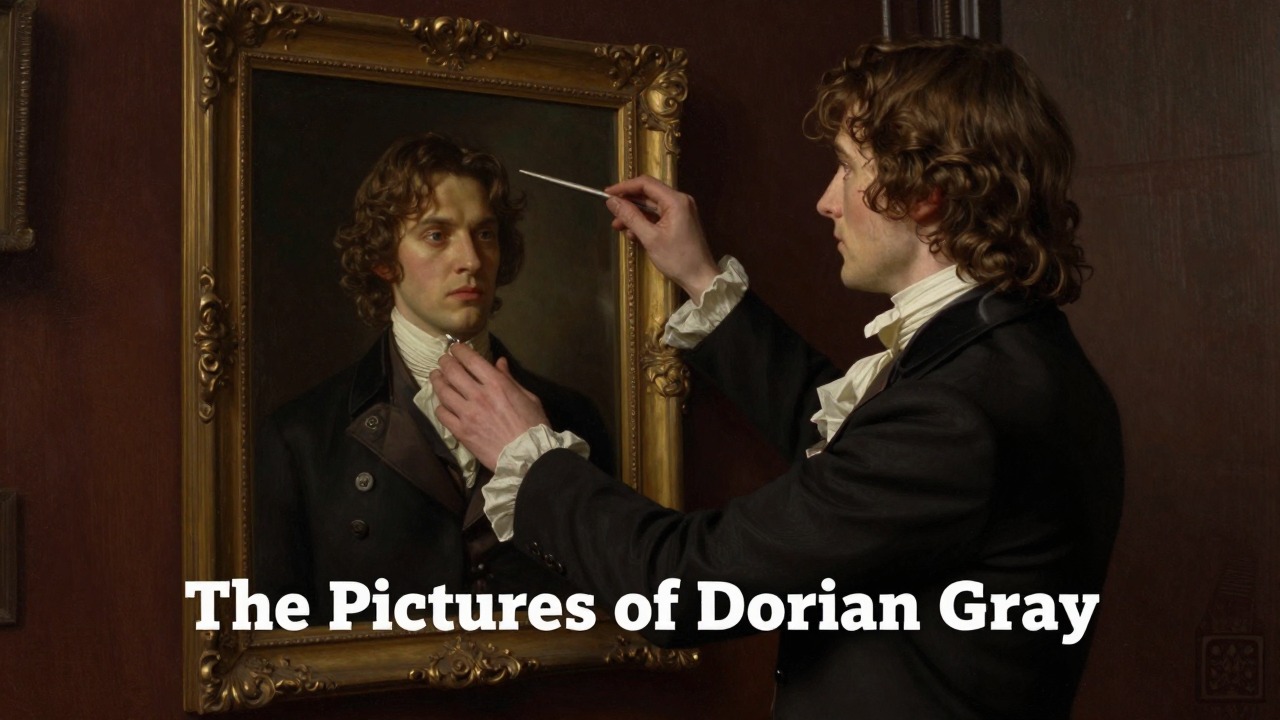
The Suppressed Conscience
The Locked Room
Dorian locks the portrait away and avoids it for weeks at a time. He tries to live as if it does not exist. But periodically, he must return to check it, like a guilty man returning to his crime scene.
The Inescapable Guilt
No matter how much he tries to forget, the portrait calls him back. It represents the part of himself he cannot escape. His conscience is not dead, only buried.
The Portrait's Hold
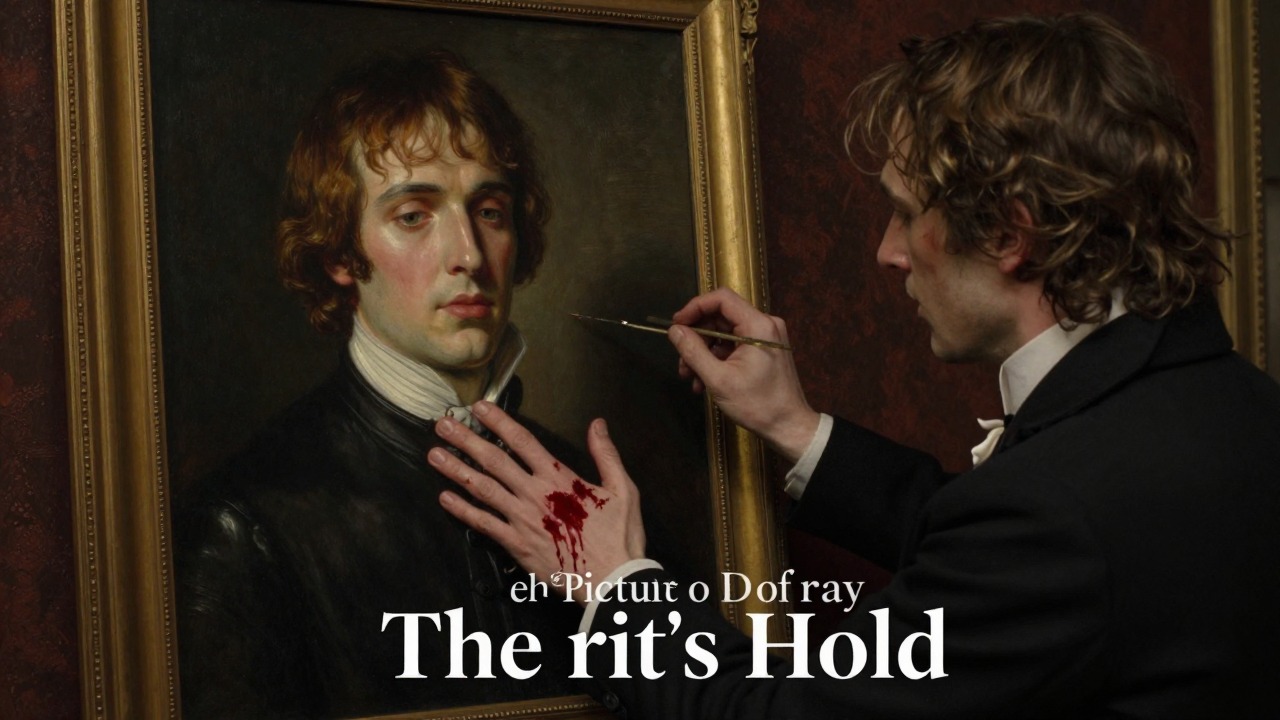
The Portrait's Hold
The Bloodstain as Evidence
After the murder, the portrait gains a bloodstain on the hand. Dorian now has a physical record of his crime. The portrait becomes a threat that could expose him.
The Terrified Keeper
Dorian's fear of discovery grows. He cannot bear to be away from the portrait. He is its prisoner as much as its master. The conscience has become a tyrant.
The Portrait Unchanged by Good Deed
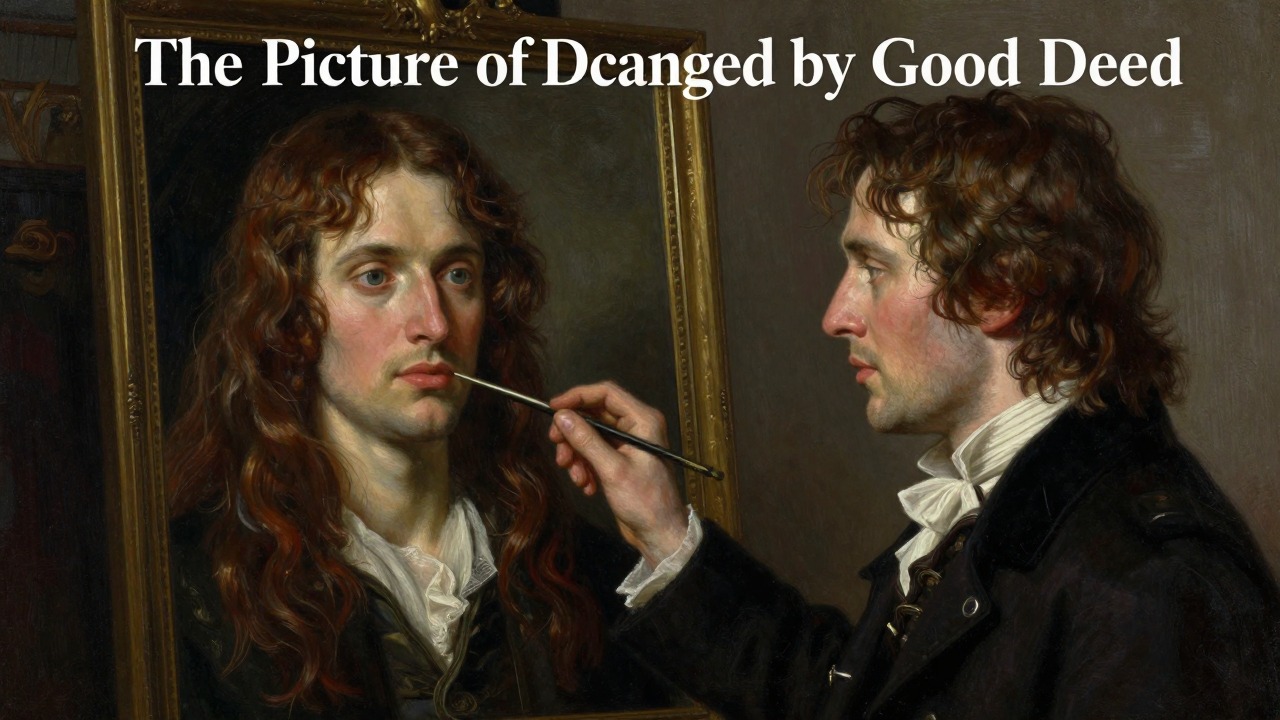
The Portrait Unchanged by Good Deed
The Hypocrite's Face
When Dorian hopes to see improvement, the portrait instead shows a 'curved wrinkle of the hypocrite.' His good deed was not pure. The conscience sees through his self-deception.
The Final Blow
This realization crushes Dorian's hope. The portrait tells him he is beyond redemption. The conscience, once a guide, is now a judge pronouncing sentence.
The Destruction of Conscience
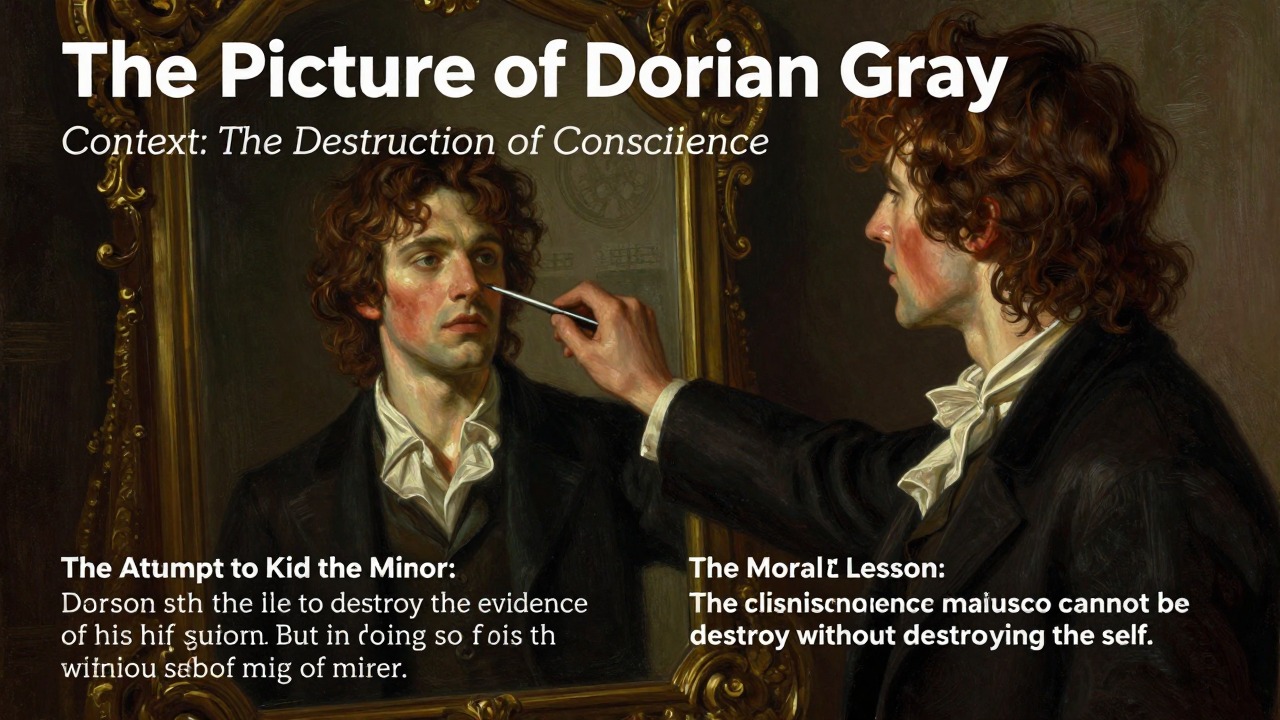
The Destruction of Conscience
The Attempt to Kill the Mirror
Dorian stabs the portrait to destroy the evidence of his guilt. But in doing so, he kills himself. The conscience cannot be destroyed without destroying the self.
The Moral Lesson
The novel implies that conscience is an integral part of the soul. To deny it or try to destroy it leads to spiritual death. Dorian's fate is a tragic illustration of this truth.
After the first change, Chapter V
Years of ignoring the portrait
After Basil's murder, Chapter XII
After sparing Hetty, Chapter XIII
Dorian's final act, Chapter XIII
