
The Role of Temptation and Resistance
The Picture of Dorian GrayThe repeated pattern of temptation (through Lord Henry, the yellow book, and new experiences) and Dorian's increasingly weak resistance.
increasing Bearing strength in each event
 decreasing
Bearing strength in each eventdecreasingFirst Temptation by Lord Henry
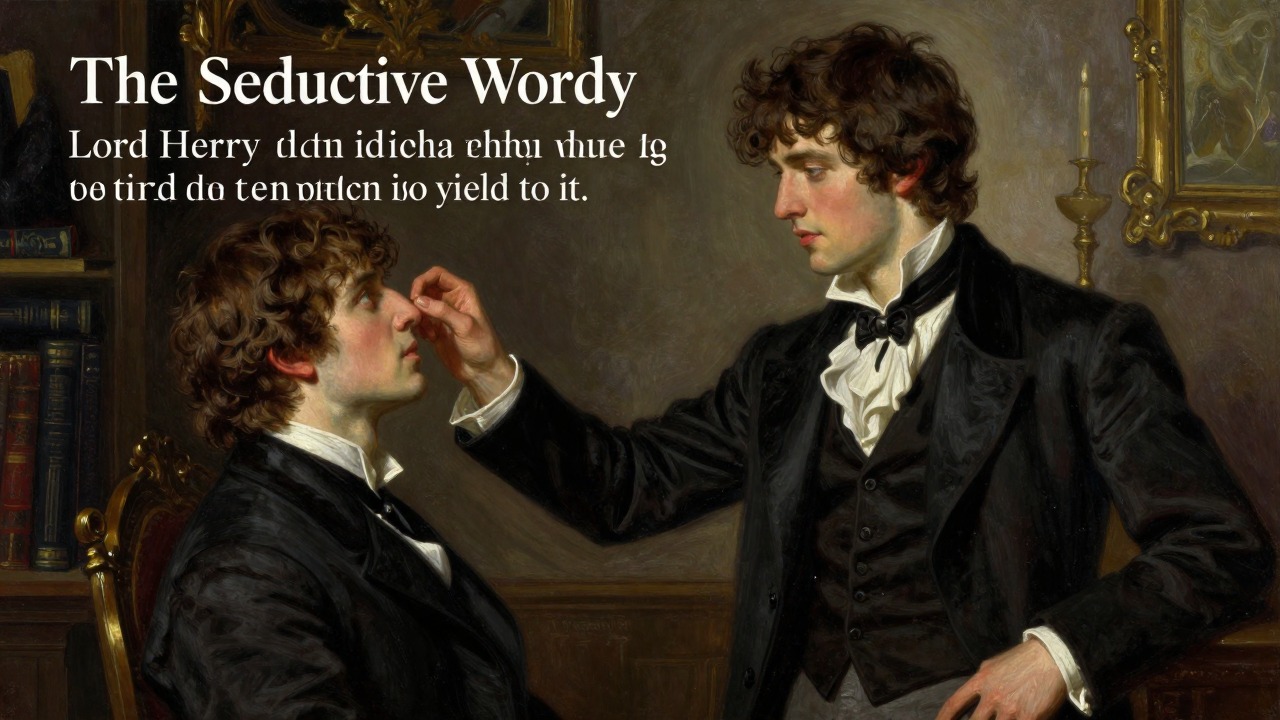
First Temptation by Lord Henry
The Seductive Words
Lord Henry presents the idea that the only way to get rid of a temptation is to yield to it. Dorian is immediately tempted to abandon his moral constraints.
The Weak Resistance
Dorian tries to resist but is deeply affected. He feels 'new impulses' stirring. The temptation is too strong for his inexperienced mind.
Temptation of the Yellow Book
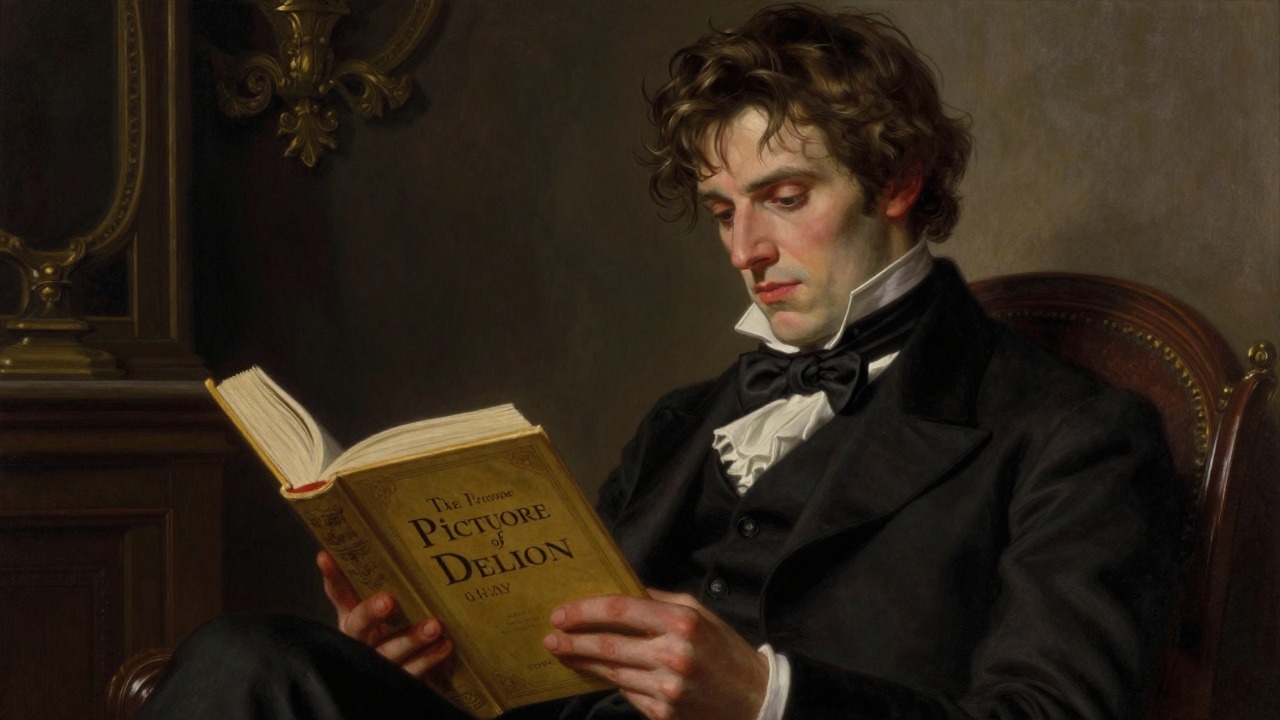
Temptation of the Yellow Book
The Poisonous Influence
Lord Henry gives Dorian a novel that glorifies the pursuit of all experiences. The book becomes a temptation to explore every sin. Dorian eagerly succumbs.
The Surrender to Literature
Dorian does not resist the book's influence. He reads it many times and models his life on its hero. The temptation of art becomes a guide for living.
Temptation of the Forbidden
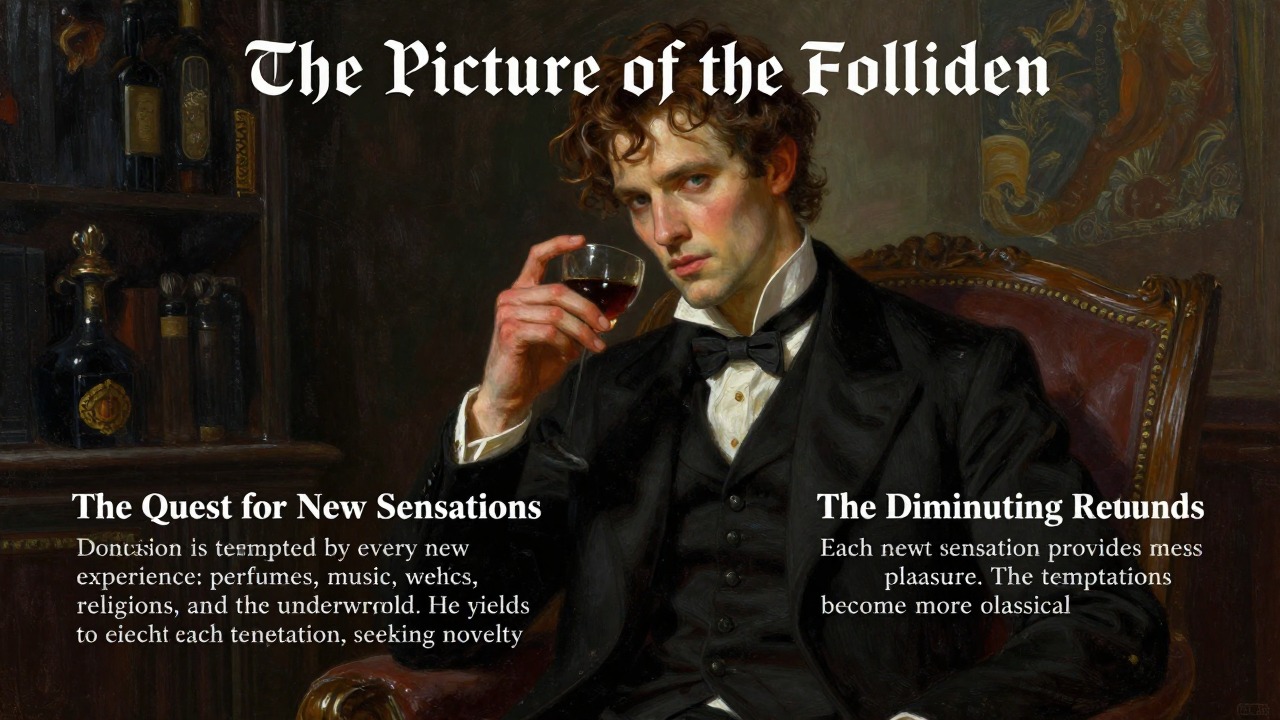
Temptation of the Forbidden
The Quest for New Sensations
Dorian is tempted by every new experience: perfumes, music, jewels, religions, and the underworld. He yields to each temptation, seeking novelty.
The Diminishing Returns
Each new sensation provides less pleasure. The temptations become more extreme, but Dorian's resistance weakens. He is trapped in a cycle of increasing indulgence.
Temptation to Murder
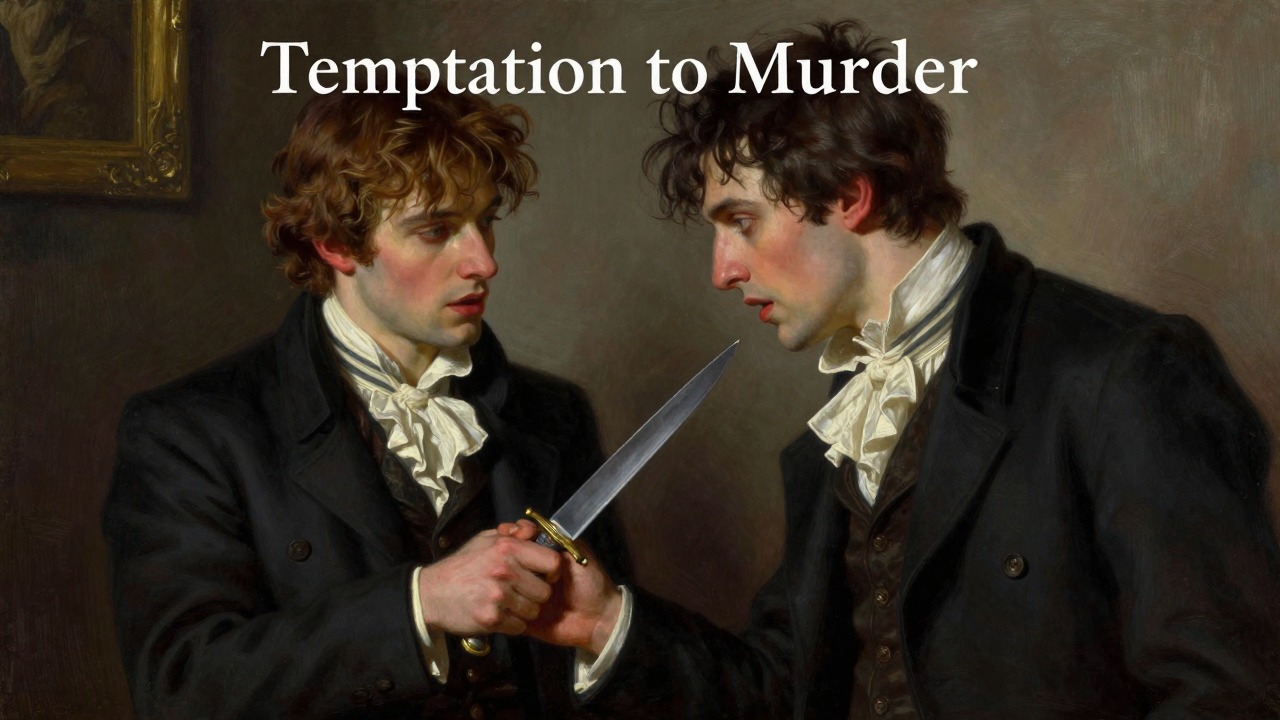
Temptation to Murder
The Sudden Rage
When Basil confronts him, Dorian is tempted to kill him. The temptation is overwhelming. He gives in without hesitation, seizing the knife.
The Loss of Control
Dorian's resistance to violence is nonexistent. He has become a creature of impulse. The temptation to murder is the final surrender of his will.
Temptation to Destroy the Portrait
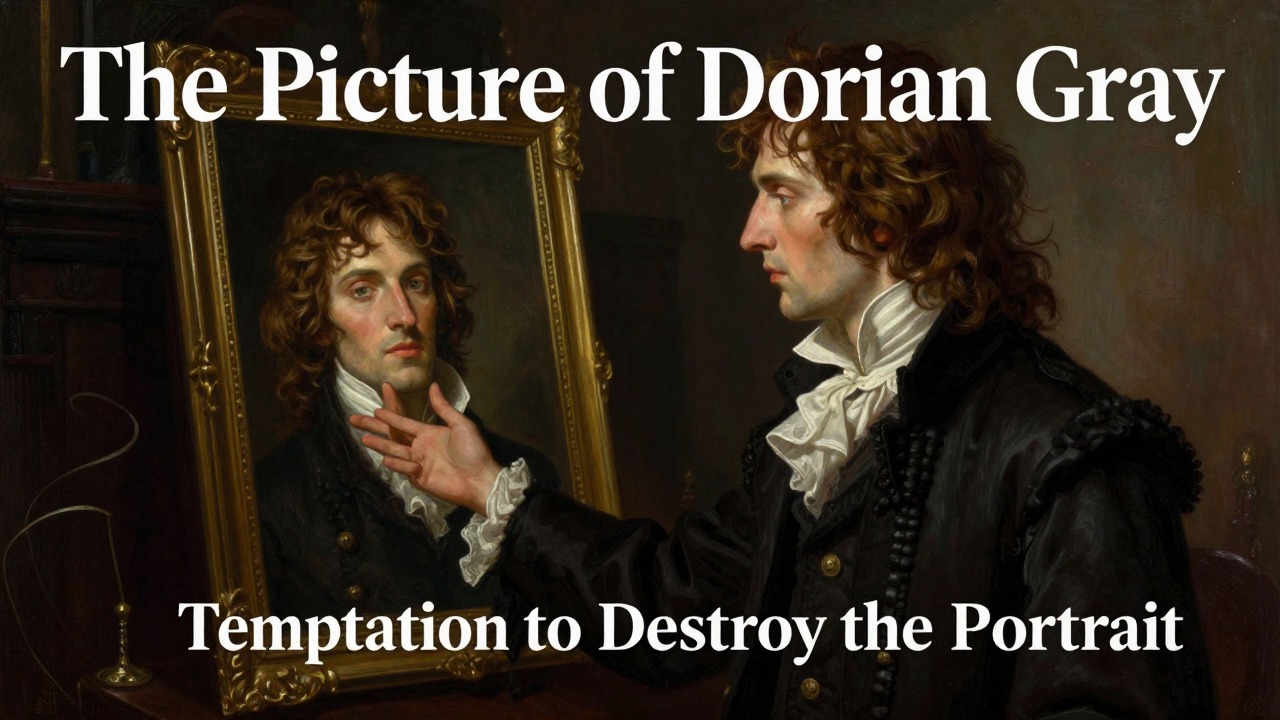
Temptation to Destroy the Portrait
The Final Temptation
Dorian is tempted to destroy the portrait to free himself from its power. He yields to this temptation, but it leads to his own death.
The Irony of Surrender
The temptation to destroy the evidence of his sins is the last temptation. He surrenders, but the act destroys him. The pattern of yielding to temptation leads to his ultimate ruin.
Chapter II, in the garden
After Sibyl's death, Chapter VIII
Throughout Dorian's explorations
The night of Basil's visit, Chapter XI
The night of his death, Chapter XIII
