
Dorian Gray's Faustian Bargain
The Picture of Dorian GrayDorian Gray makes a wish for eternal youth and beauty at the expense of his portrait, which ages and bears the marks of his sins.
increasing Bearing strength in each event
 decreasing
Bearing strength in each eventdecreasingThe Wish
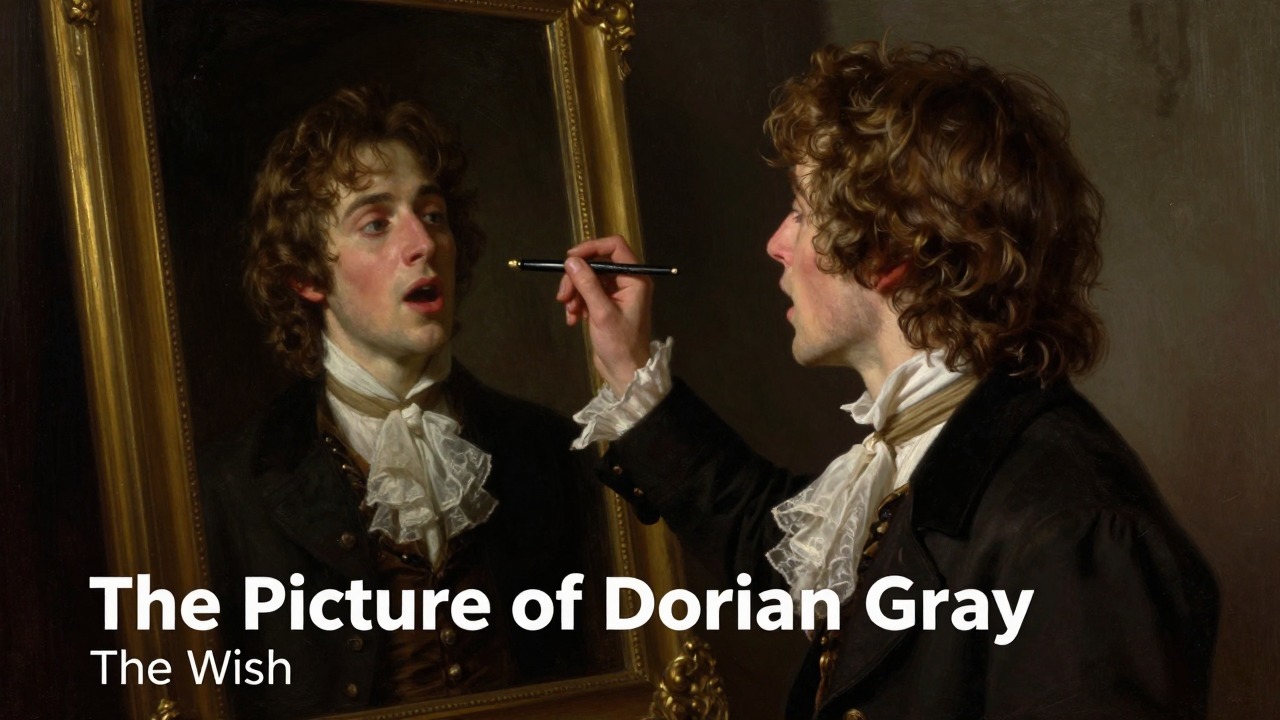
The Wish
The Moment of Revelation
As Dorian Gray gazes upon his freshly painted portrait, he is struck by the fleeting nature of his beauty. Lord Henry Wotton's words about the brevity of youth echo in his mind. In a passionate outburst, Dorian wishes that he could remain young forever while the portrait ages instead. This impulsive prayer, uttered in Basil Hallward's studio, sets the entire supernatural plot in motion.
The Unspoken Pact
Dorian does not fully understand the gravity of his wish. He treats it as a dramatic fancy, but the narrative soon reveals that the universe has answered. The first sign occurs when Dorian cruelly rejects Sibyl Vane; he notices a subtle change in the portrait's expression—a touch of cruelty around the mouth. This marks the beginning of the magical bond between Dorian and his painted image.
First Change Witnessed
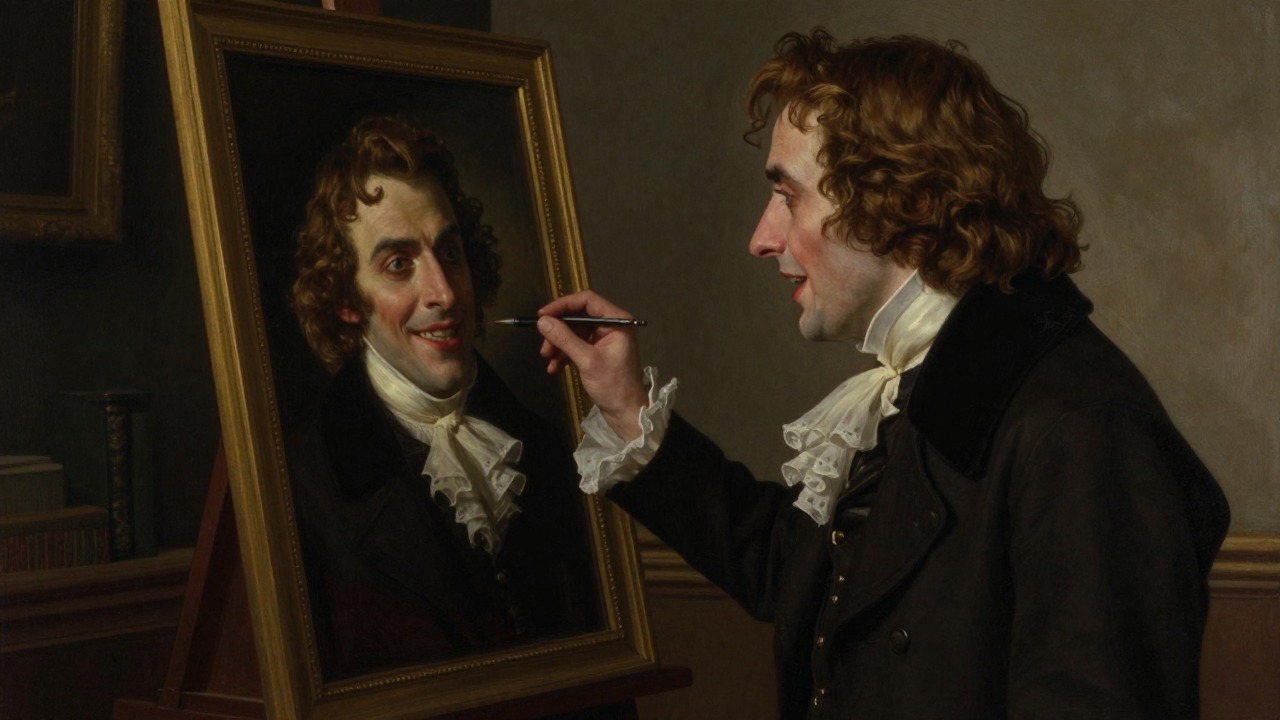
First Change Witnessed
The Horrifying Discovery
Returning home after the night of Sibyl's suicide, Dorian examines the portrait in the dawn light. He sees that the face now bears a cruel smirk, matching his own callousness. The supernatural truth is confirmed: the portrait has begun to reflect his moral corruption. Dorian feels a mixture of terror and fascination.
A New Resolution
For a moment, Dorian vows to reform and marry Sibyl, but he is interrupted by Lord Henry's news of her death. The portrait's change becomes the central secret of Dorian's life, driving him to hide it away and live a double existence.
Hiding the Portrait
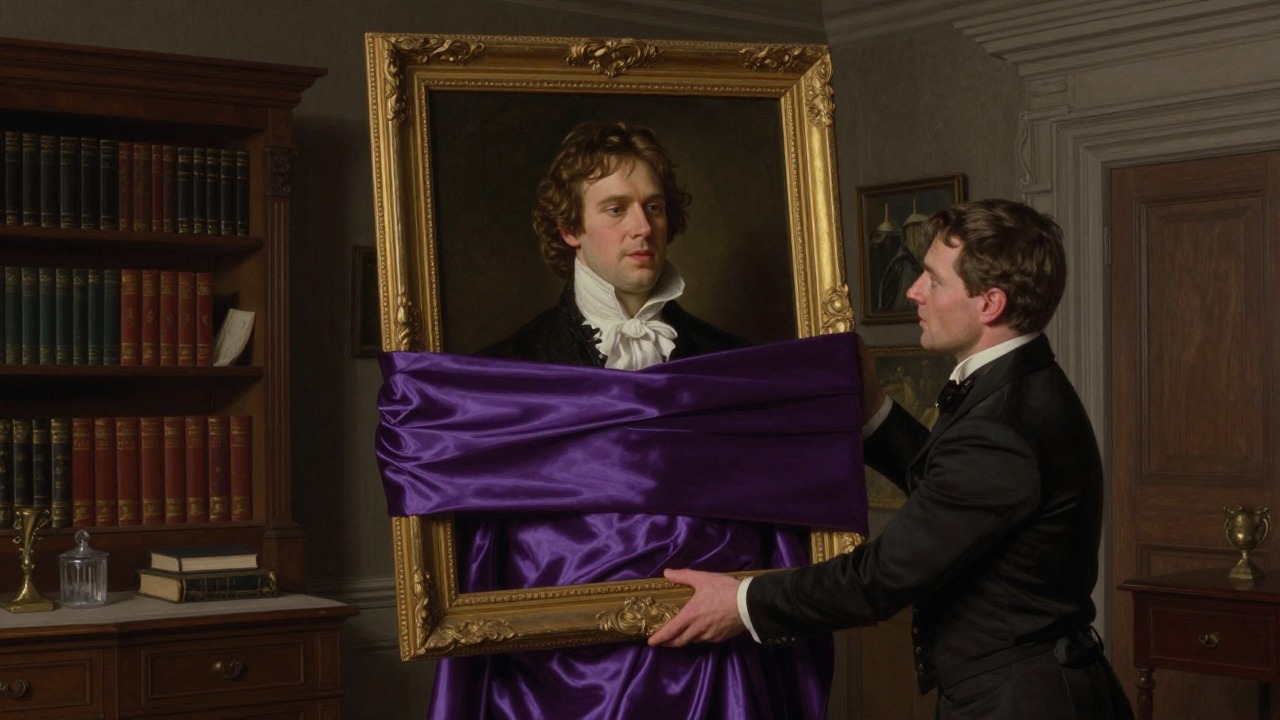
Hiding the Portrait
The Locked Room
Dorian decides to conceal the portrait in the old schoolroom at the top of his house. He wraps it in a purple satin pall and enlists the help of frame-maker Mr. Ashton to move it. The room becomes a shrine to his hidden shame, accessible only by Dorian himself.
The Burden of Secrecy
Dorian feels a sense of relief but also a growing paranoia. He lives in fear that someone might discover the portrait. The hiding place symbolizes Dorian's attempt to separate his public beauty from his private corruption.
Periodic Inspections
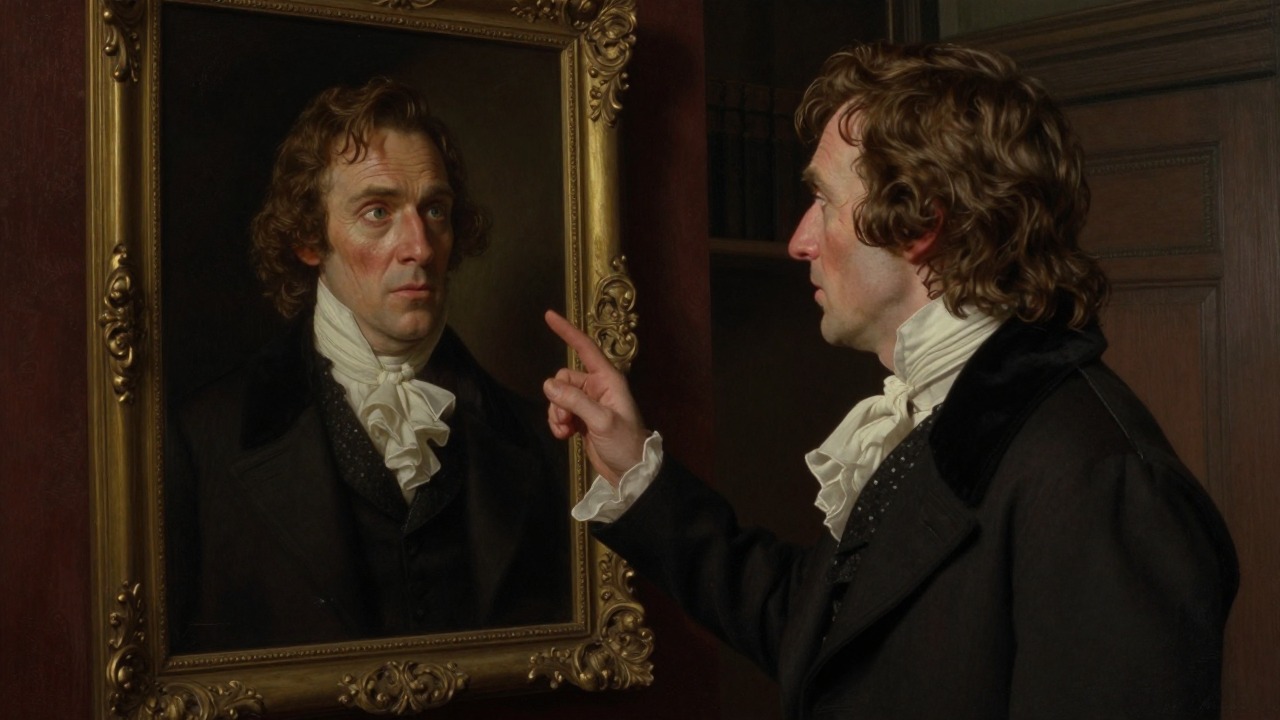
Periodic Inspections
The Ritual of Self-Examination
Over the years, Dorian regularly visits the locked room to compare his own unblemished face with the increasingly grotesque portrait. He takes a perverse delight in the contrast, watching the portrait accumulate wrinkles, leers, and signs of vice. These inspections become a mirror of his soul's decay.
The Addictive Gaze
Dorian grows addicted to the sight of his own sinfulness externalized. He uses the portrait as a gauge for his experiments in hedonism, but the horror never fully leaves him. The ritual reinforces his isolation and moral paralysis.
The Final Destruction
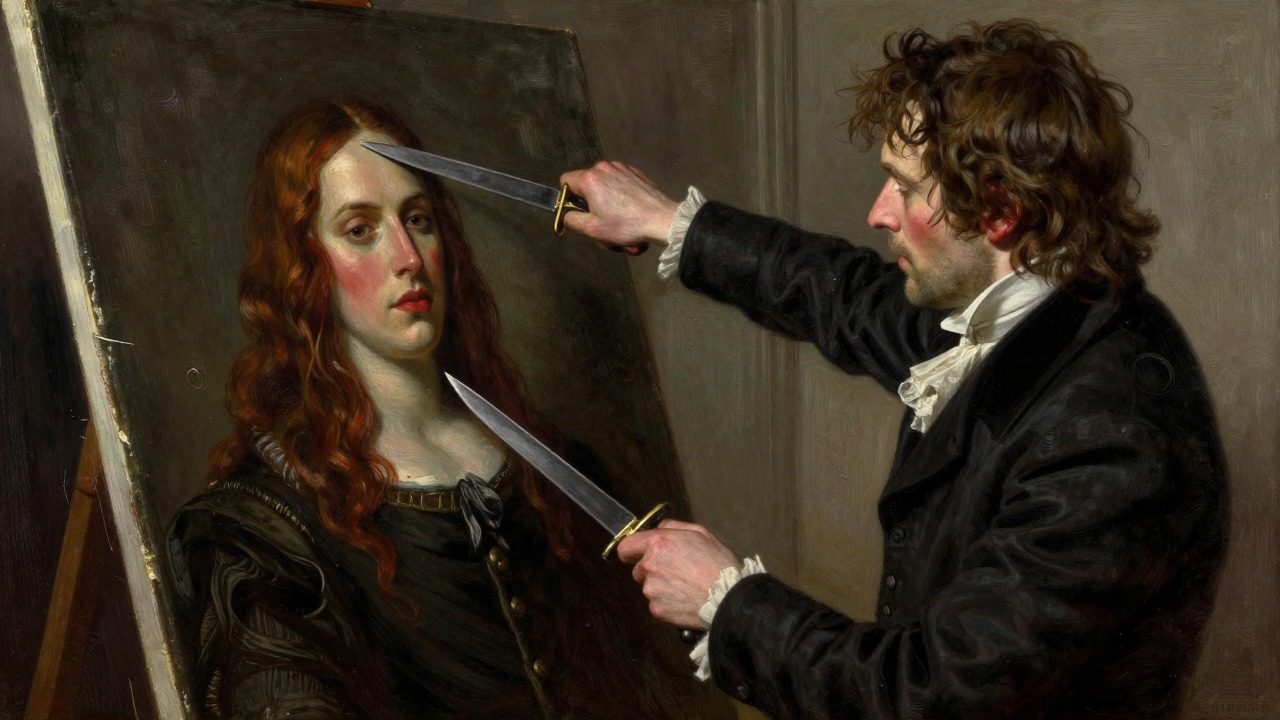
The Final Destruction
The Attempt to Kill the Past
After sparing Hetty Merton, Dorian hopes the portrait might show a sign of goodness. When he sees it unchanged—even more hypocritical and blood-stained—he decides to destroy it. He seizes the knife used to kill Basil Hallward and stabs the canvas.
The Reversal
A terrible cry and crash fill the house. When the servants enter, they find the portrait restored to its original youthful beauty, and on the floor lies a withered, hideous old man with a knife in his heart. The wish is reversed, and Dorian's soul is claimed by the bargain he made.
During the first sitting for the portrait, Chapter II
Morning after Sibyl Vane's death, Chapter VI
After Sibyl's death, Chapter VIII
Throughout Dorian's life, over eighteen years
The night of Dorian's death, Chapter XIII
