
The Conflict Between Art and Life
The Picture of Dorian GrayBasil Hallward's belief that art should be separate from life is challenged by the portrait, which fuses art and life in a destructive way.
increasing Bearing strength in each event
 decreasing
Bearing strength in each eventdecreasingBasil's Artistic Principle
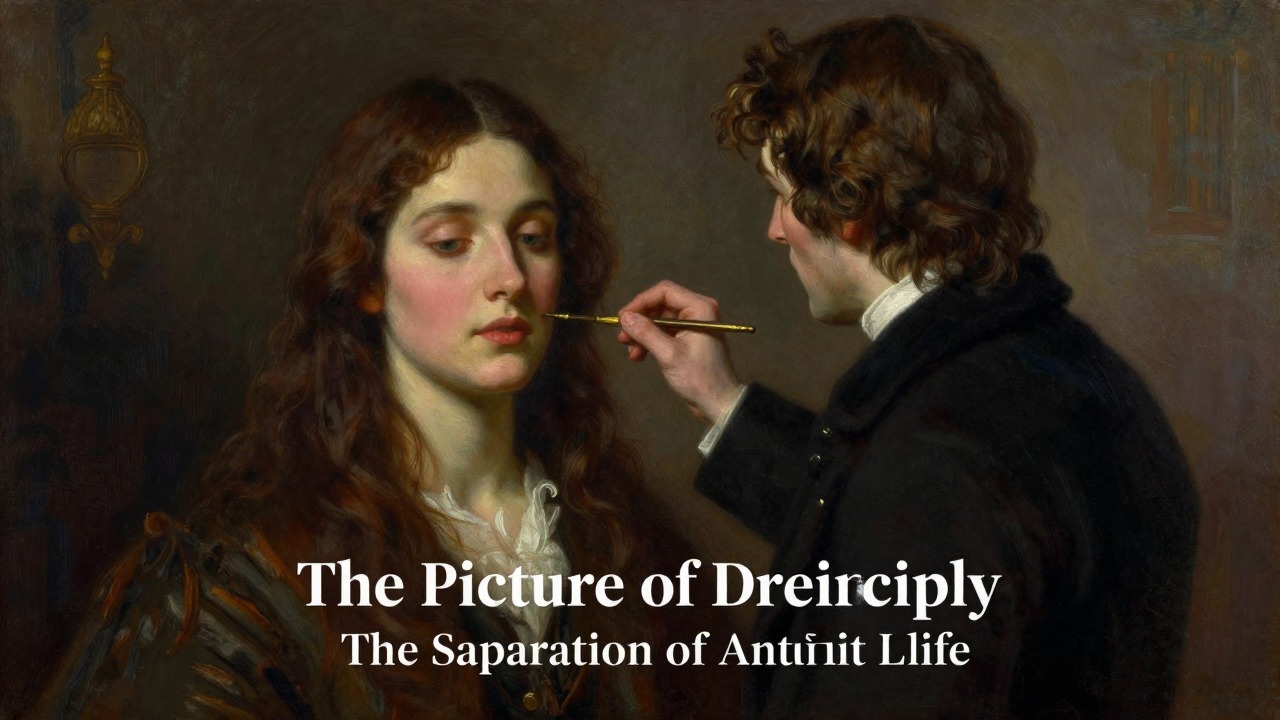
Basil's Artistic Principle
The Separation of Art and Life
Basil tells Lord Henry that an artist should put nothing of his own life into his work. He believes the portrait should be judged on its beauty alone, not as autobiography. Yet he admits he has put too much of himself into this painting.
The Contradiction
Basil's own practice contradicts his theory. He has painted Dorian with romantic passion, and the portrait contains his secret soul. This contradiction sets up the central conflict.
The Portrait as Autobiography
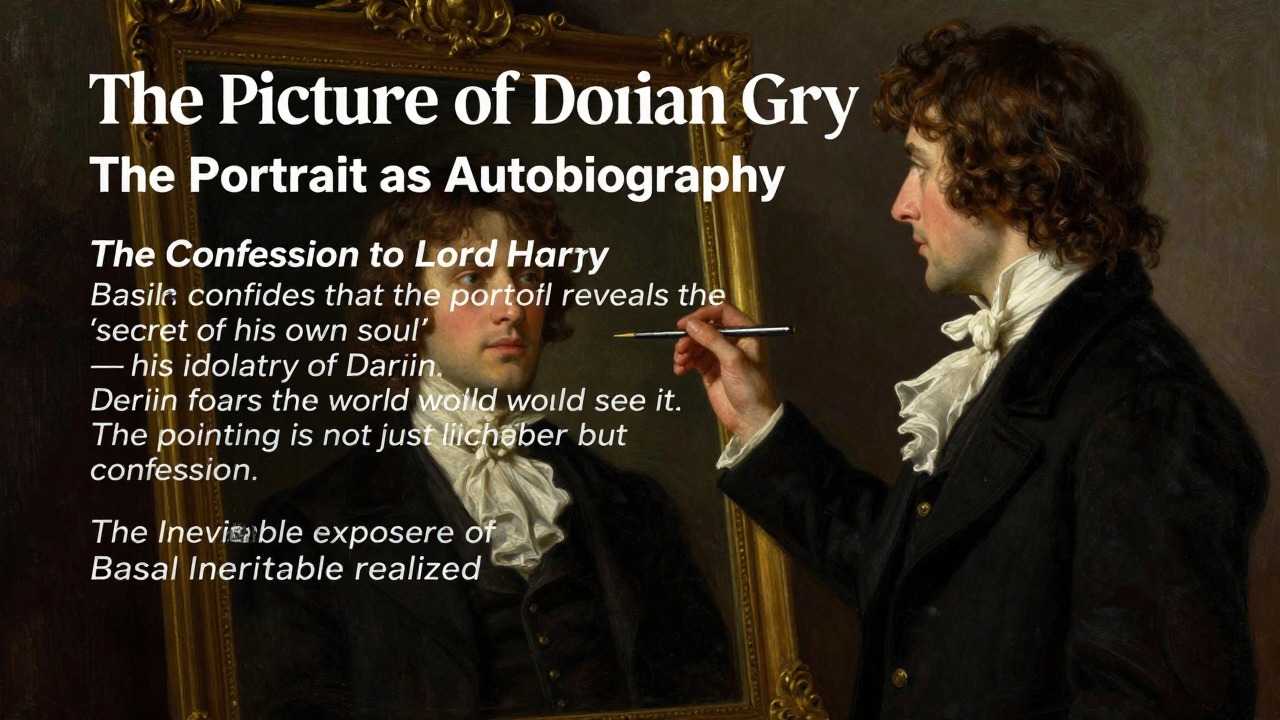
The Portrait as Autobiography
The Confession to Lord Henry
Basil confides that the portrait reveals the 'secret of his own soul'—his idolatry of Dorian. He fears the world will see it. The painting is not just a likeness but a confession.
The Inevitable Exposure
Basil's fear is realized when Dorian later shows him the changed portrait. The art that was meant to be pure has become a record of sin. Life has invaded art.
Dorian's Use of Art
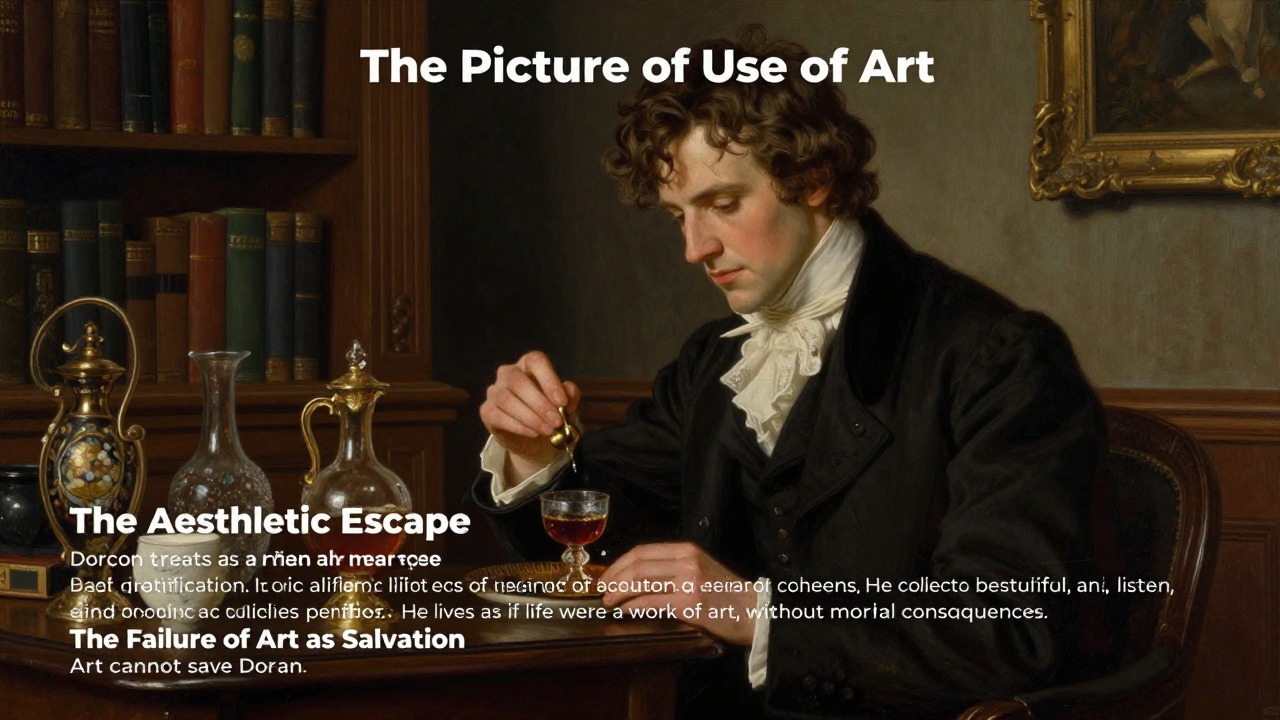
Dorian's Use of Art
The Aesthetic Escape
Dorian treats art as a means of escape and self-gratification. He collects beautiful objects, listens to music, and studies perfumes. He lives as if life were a work of art, without moral consequences.
The Failure of Art as Salvation
Art cannot save Dorian. The portrait, the ultimate work of art, becomes a curse. Wilde suggests that art divorced from ethics is dangerous.
The Portrait's Truth
The Portrait's Truth
The Horror of Reality
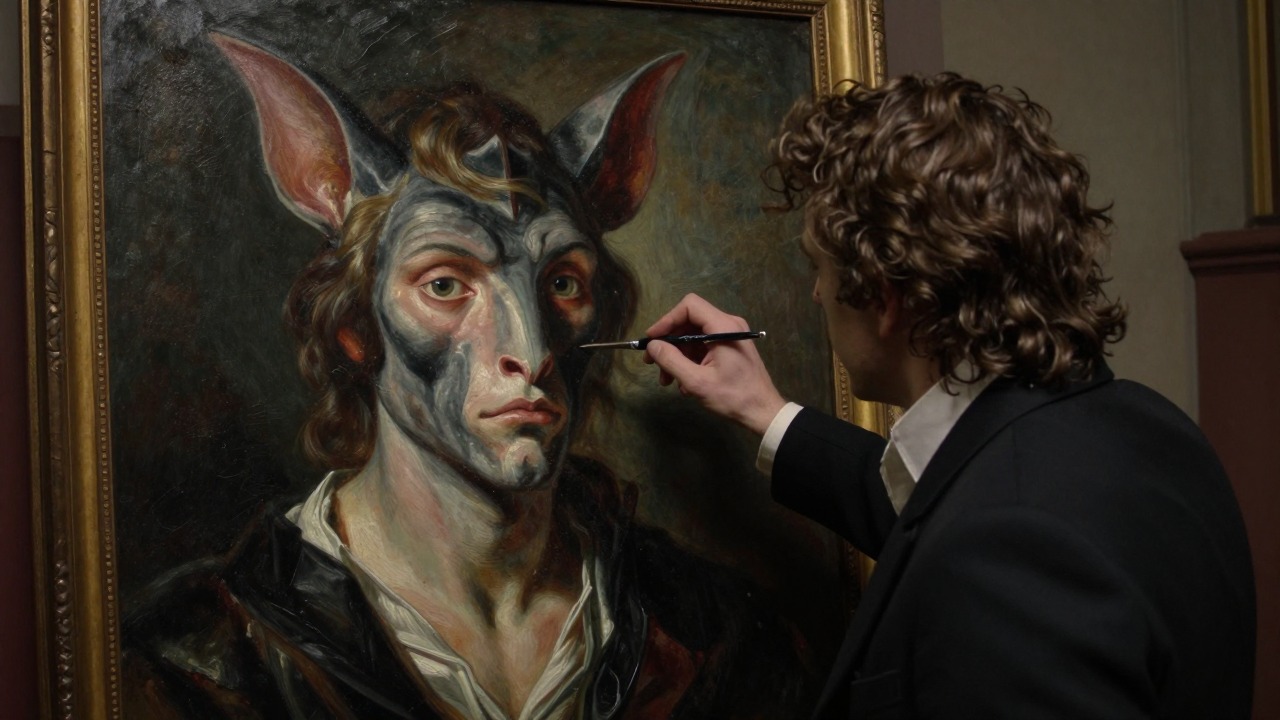
Basil sees the portrait as a 'foul parody' of his work. The beautiful painting now shows a satyr's face. The art that was meant to be eternal has become a record of decay. Basil is horrified.
The Collapse of the Ideal
Basil's ideal of pure art is shattered. The portrait proves that art cannot be separated from life; it reflects the artist's soul and the sitter's soul. The boundary between art and life is obliterated.
The Final Restoration
The Final Restoration
The Return to Purity
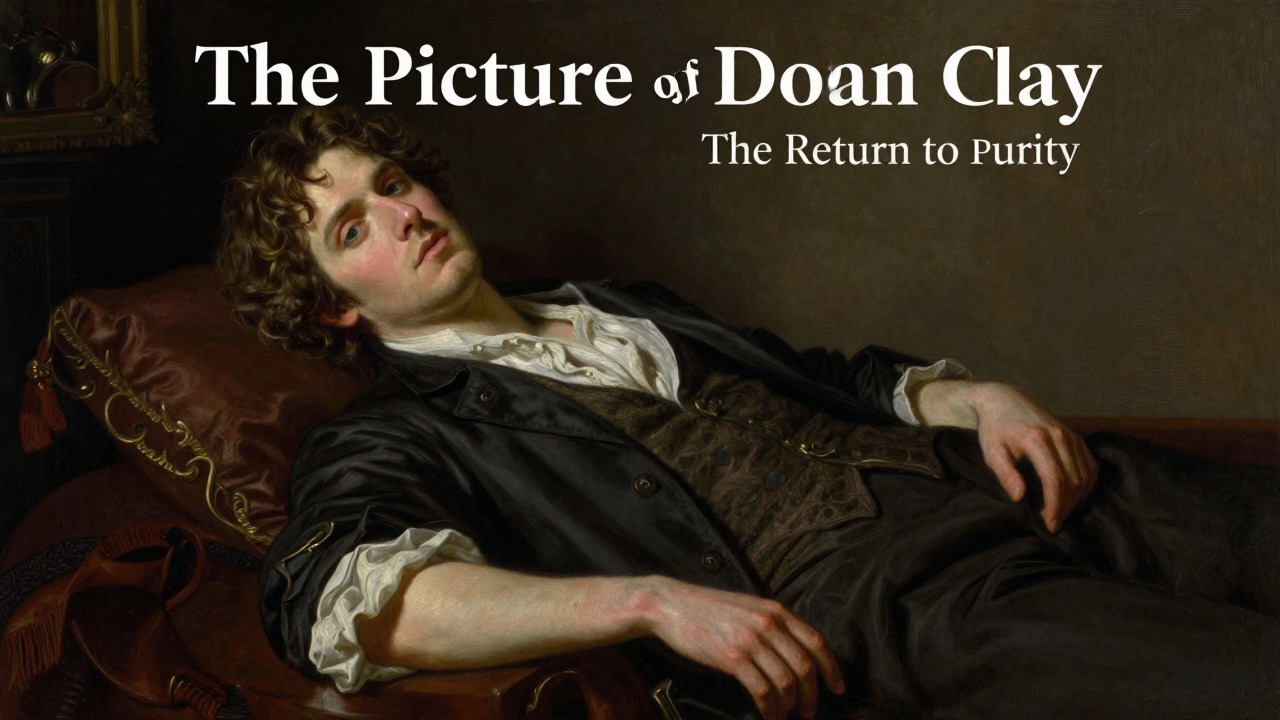
When Dorian dies, the portrait reverts to its original beauty. The art object is cleansed of the life that corrupted it. But the cost is Dorian's soul.
The Ambiguous Message
Wilde leaves open the question of whether art triumph over life or whether life is sacrificed for art. The novel suggests that trying to live as a work of art leads to ruin, but that art itself remains eternal.
Chapter I, in the studio
When Basil explains why he won't exhibit, Chapter I
Throughout Dorian's life, Chapter IX
When Basil sees the changed portrait, Chapter XI
After Dorian's death, Chapter XIII
