
The Aesthetic Philosophy of New Hedonism
The Picture of Dorian GrayThe development and critique of the 'new hedonism' that Lord Henry preaches and Dorian practices, exploring its consequences.
increasing Bearing strength in each event
 decreasing
Bearing strength in each eventdecreasingLord Henry's Speech
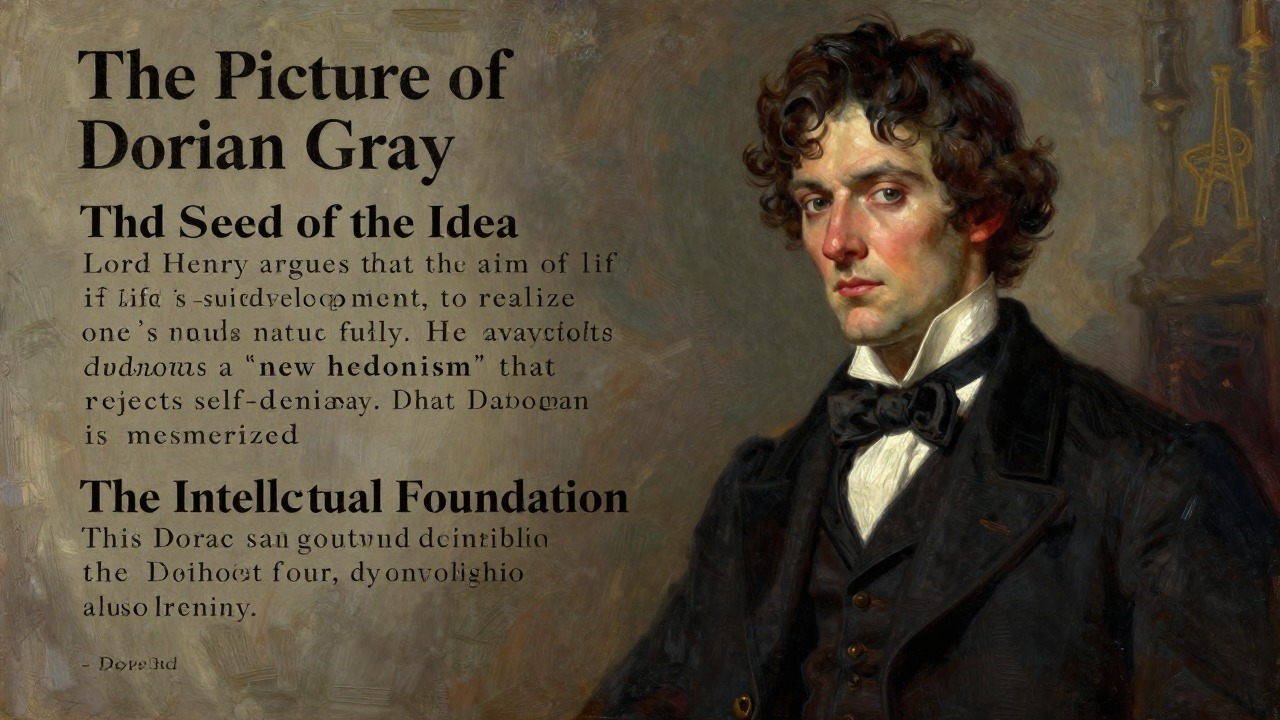
Lord Henry's Speech
The Seed of the Idea
Lord Henry argues that the aim of life is self-development, to realize one's nature fully. He advocates a 'new hedonism' that rejects self-denial. Dorian is mesmerized.
The Intellectual Foundation
This speech lays the groundwork for Dorian's entire philosophy. Lord Henry presents it as a liberating truth, but the novel will show its destructive consequences.
The Poisonous Book
The Poisonous Book
The French Novel
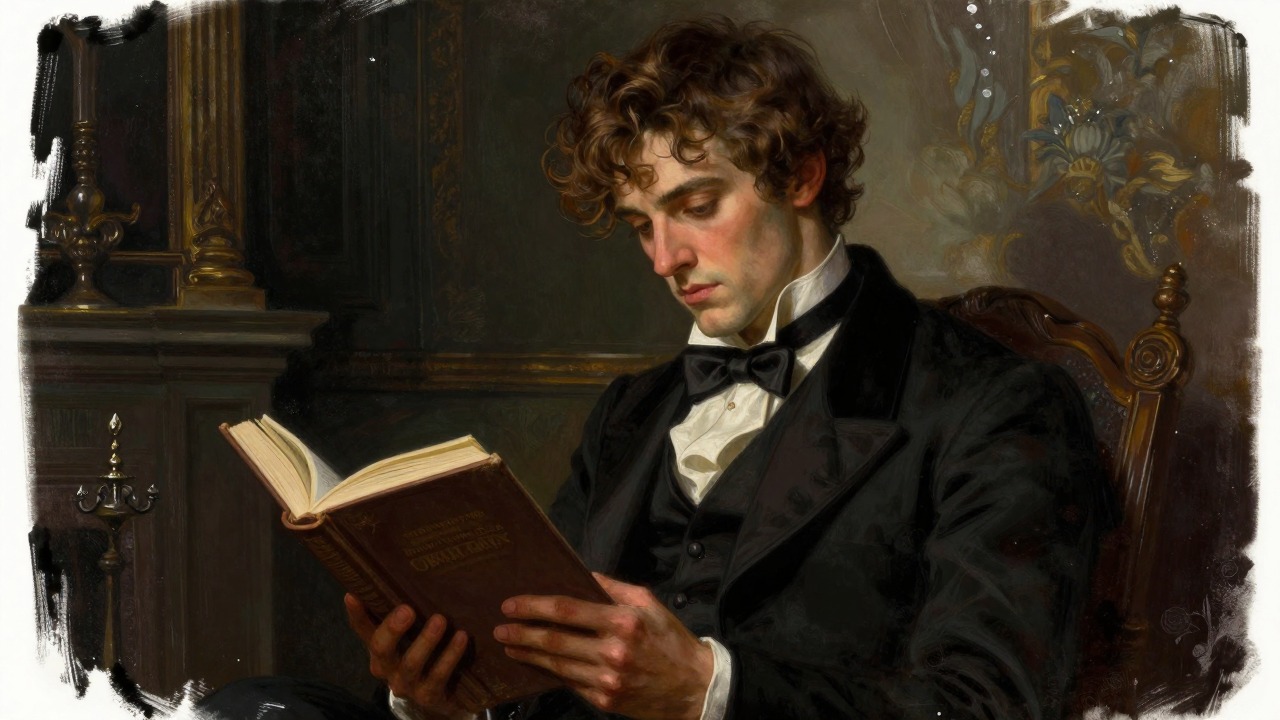
Lord Henry gives Dorian a decadent novel that becomes the blueprint for his life. The hero pursues all experiences, past and present, and Dorian copies him. The book represents the new hedonism in action.
The Influence on Dorian
Dorian immerses himself in the book's philosophy. It justifies his pursuit of sensations—perfumes, music, jewels, and the study of evil. The book is a toxin that corrupts his imagination.
The Worship of the Senses
The Worship of the Senses
The Sensory Quest
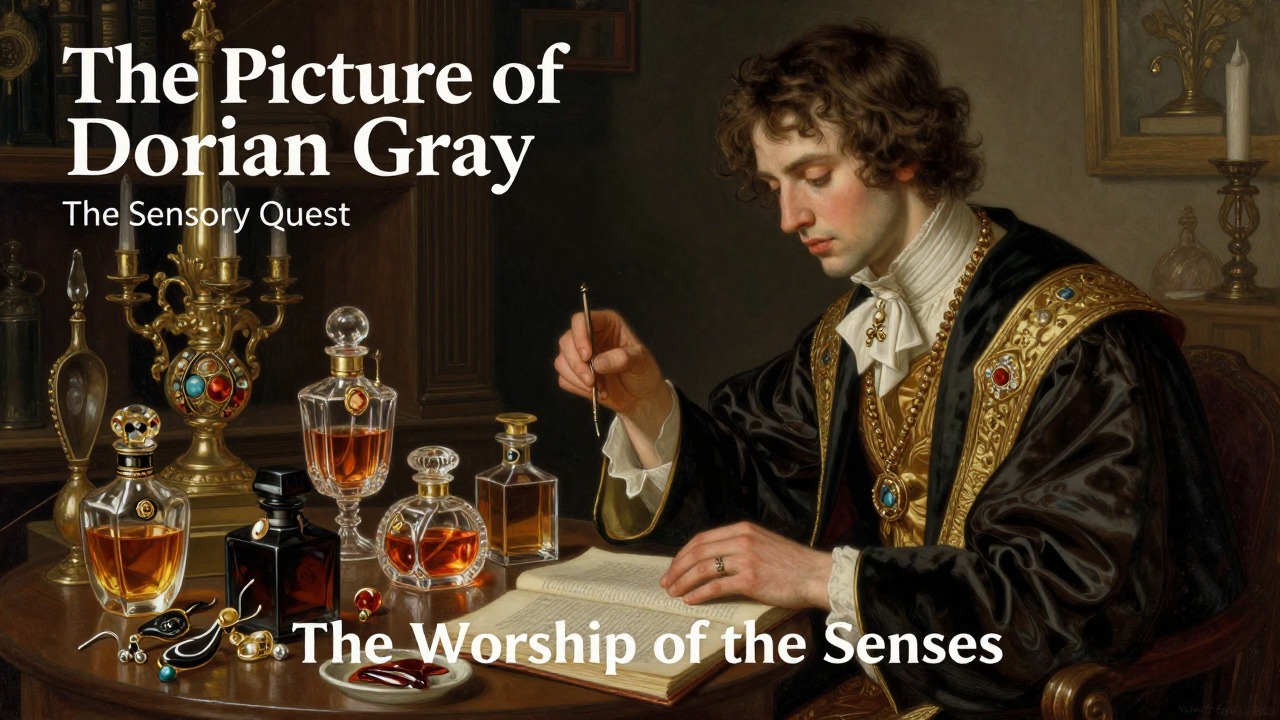
Dorian devotes himself to the study of perfumes, music, jewels, and ecclesiastical vestments. He tries to spiritualize the senses, creating a new religion of beauty. The novel describes his collections and experiments in detail.
The Empty Pursuit
Despite his intense experiences, Dorian finds no lasting satisfaction. The new hedonism leads to boredom and a need for ever more extreme sensations. The philosophy is revealed as hollow.
The Failure of Renunciation
The Failure of Renunciation
The One Good Deed
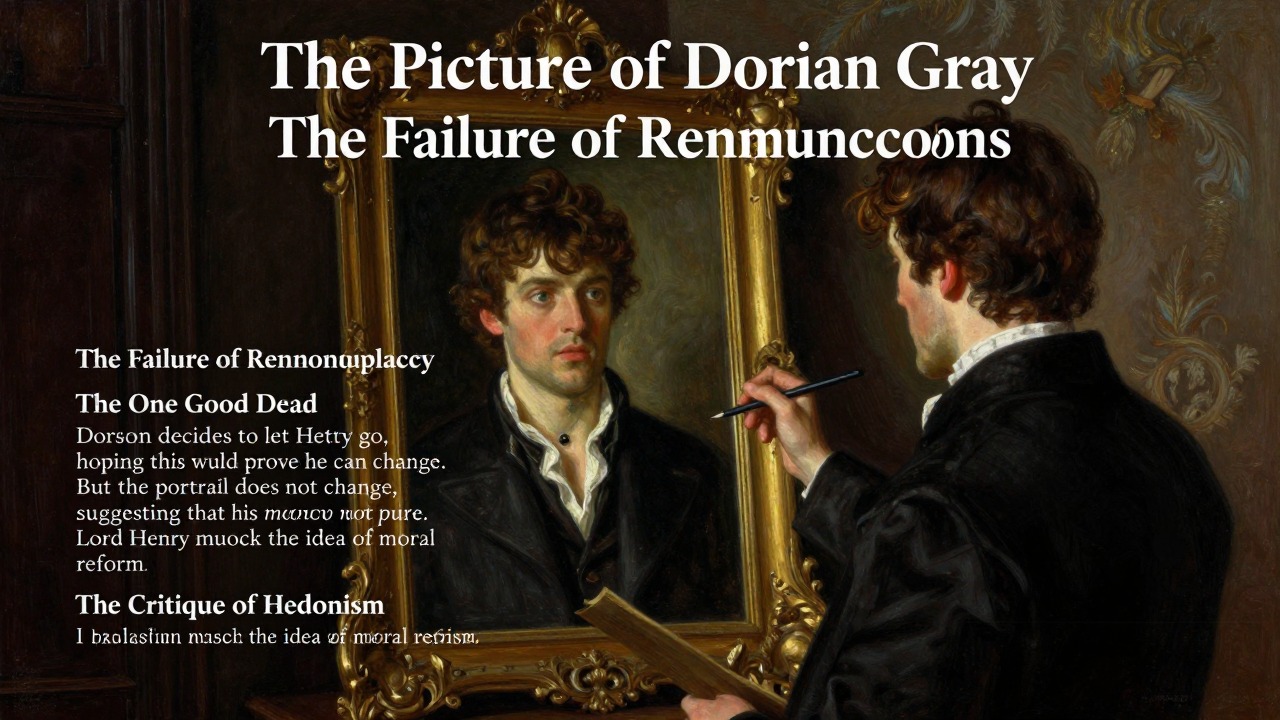
Dorian decides to let Hetty go, hoping this will prove he can change. But the portrait does not change, suggesting that his motive was not pure. Lord Henry mocks the idea of moral reform.
The Critique of Hedonism
The novel suggests that the new hedonism makes genuine goodness impossible because it reduces everything to a search for sensation. Dorian's 'good deed' is just another experiment.
The Final Judgment
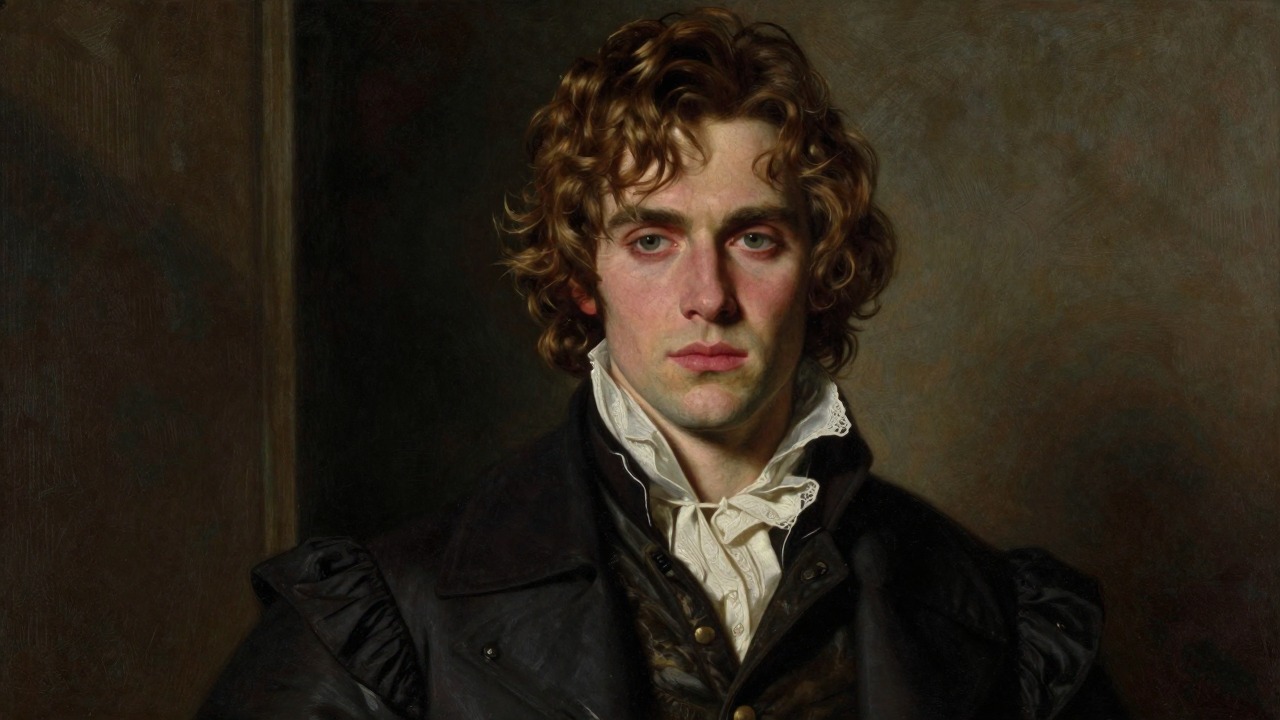
The Final Judgment
The Ultimate Consequence
Dorian's life of hedonism ends in self-destruction. The portrait's restoration implies that the soul cannot be separated from the body; the bargain was a lie. The new hedonism is shown to be a path to damnation.
The Moral of the Tale
Through Dorian's fate, Wilde critiques the philosophy of 'art for art's sake' and the pursuit of beauty without ethical responsibility. The novel affirms that conscience, though suppressed, will eventually assert itself.
First meeting, Chapter I
After Sibyl's death, Chapter VIII
Years of Dorian's experiments, Chapter IX
Dorian's attempt to spare Hetty, Chapter XIII
Dorian's death, Chapter XIII
