the breath of God
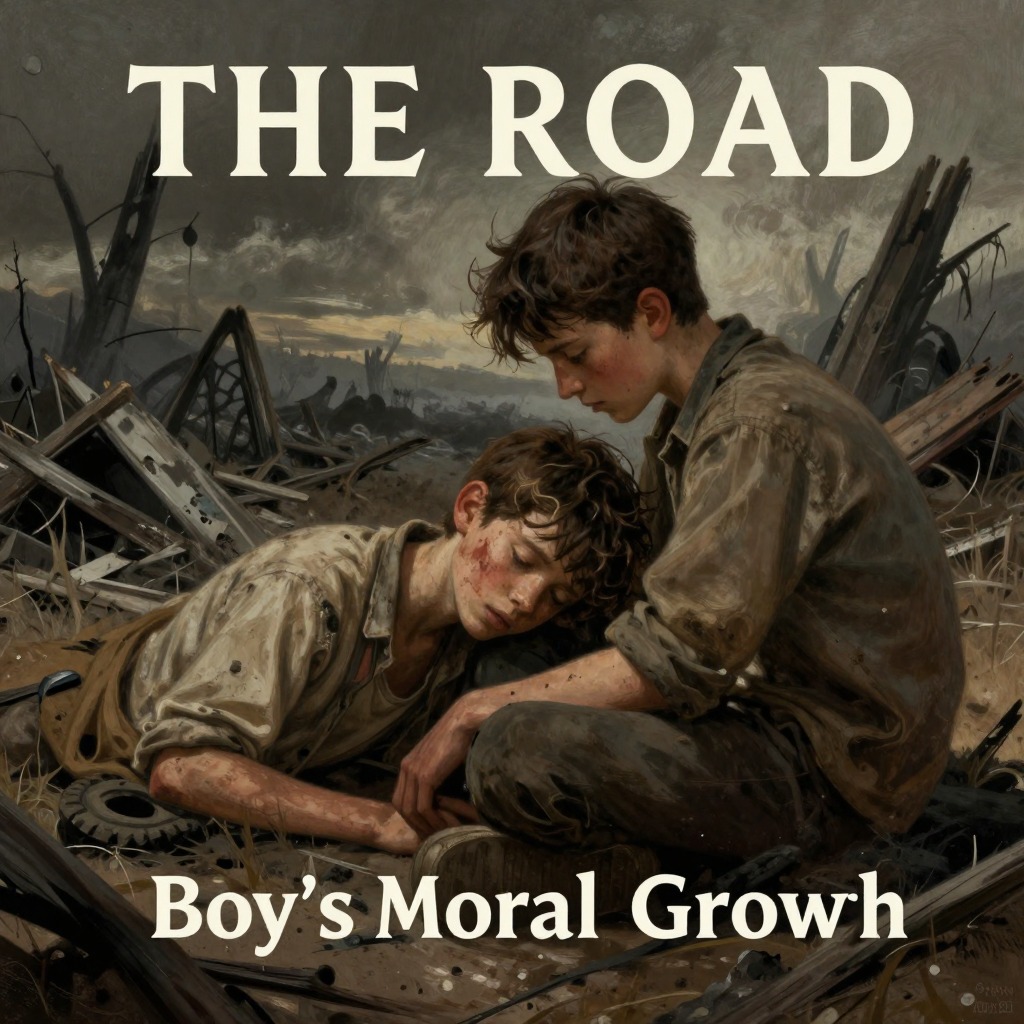
The RoadThe breath of God is a phrase that appears at the very end of the novel, spoken by the woman who takes in the boy after his father dies. It is her way of articulating a belief that something sacred continues to exist and move through human beings, even in a world that has been reduced to ash and silence. The phrase carries the weight of the novel's central theological questions: whether God is present or absent, whether goodness can survive, and what, if anything, endures when the world itself has ended.
Origin and Context
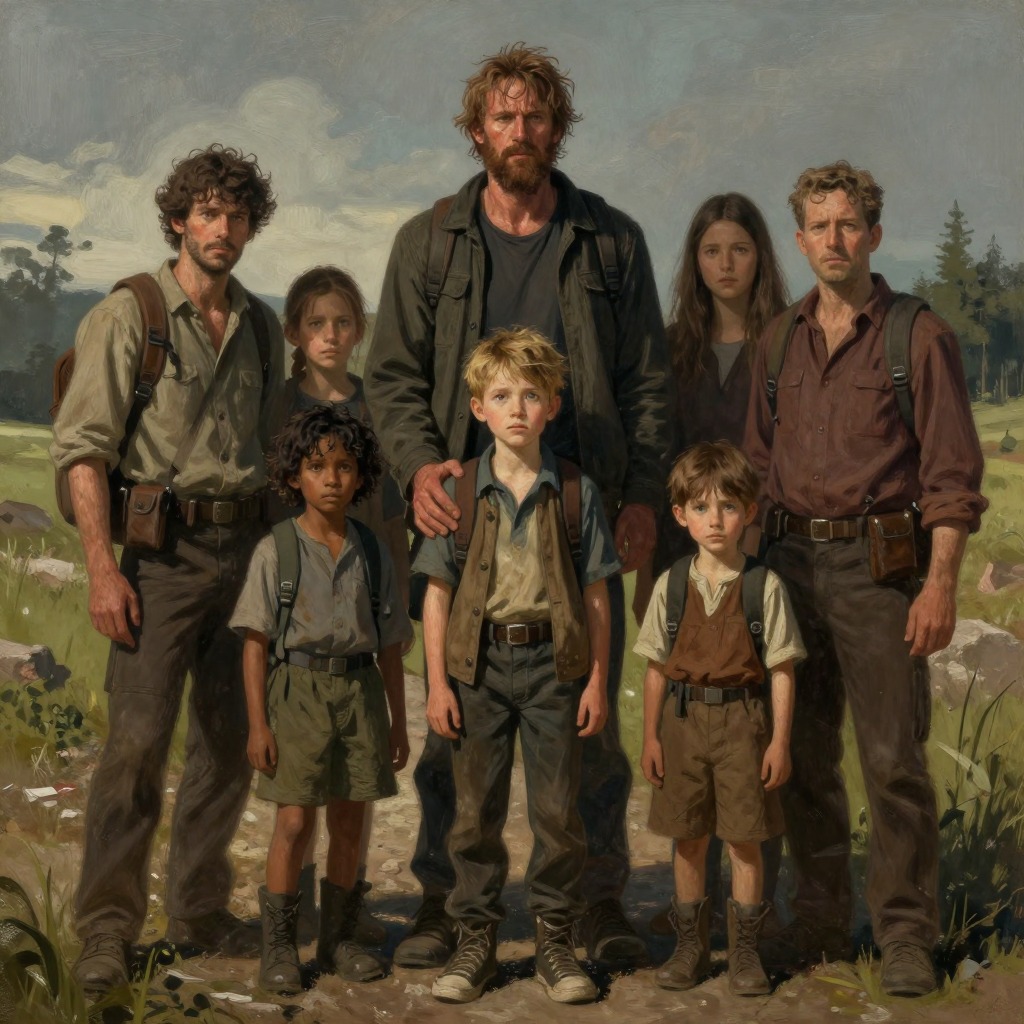
The phrase appears in the final pages of the book, after the boy has been found by a family traveling through the devastated landscape. The woman, seeing the boy's grief and his desperate need for connection, puts her arms around him and says, "I am so glad to see you." She then speaks to him about God, and the narrator reports: "She said that the breath of God was his breath yet though it pass from man to man through all of time." This is the only occurrence of the exact phrase in the novel, and it comes from a character who has no other theological pronouncements. The woman is not a prophet or a preacher; she is a survivor, a mother, someone who has chosen to keep living and to help others. Her words are offered as comfort, not as doctrine.
Theological Significance
The phrase reimagines divinity as something that is not located in a distant heaven or in sacred texts, but is instead transmitted through human bodies and human relationships. The breath of God is not a supernatural force that intervenes in the world; it is the ordinary breath of a living person, passed from one to another across generations. This idea echoes the novel's earlier, more desperate theological moments. The man, in his darkest hours, had whispered into the void, "Are you there?" and had cursed God, asking, "Have you a neck by which to throttle you? Have you a heart?" He had also declared that the boy was his "warrant" and that "if he is not the word of God God never spoke." The woman's phrase offers a kind of answer to the man's anguished questions: God is not a being to be found or fought, but a breath that continues only as long as people keep breathing it into one another.
Connection to the Boy's Journey
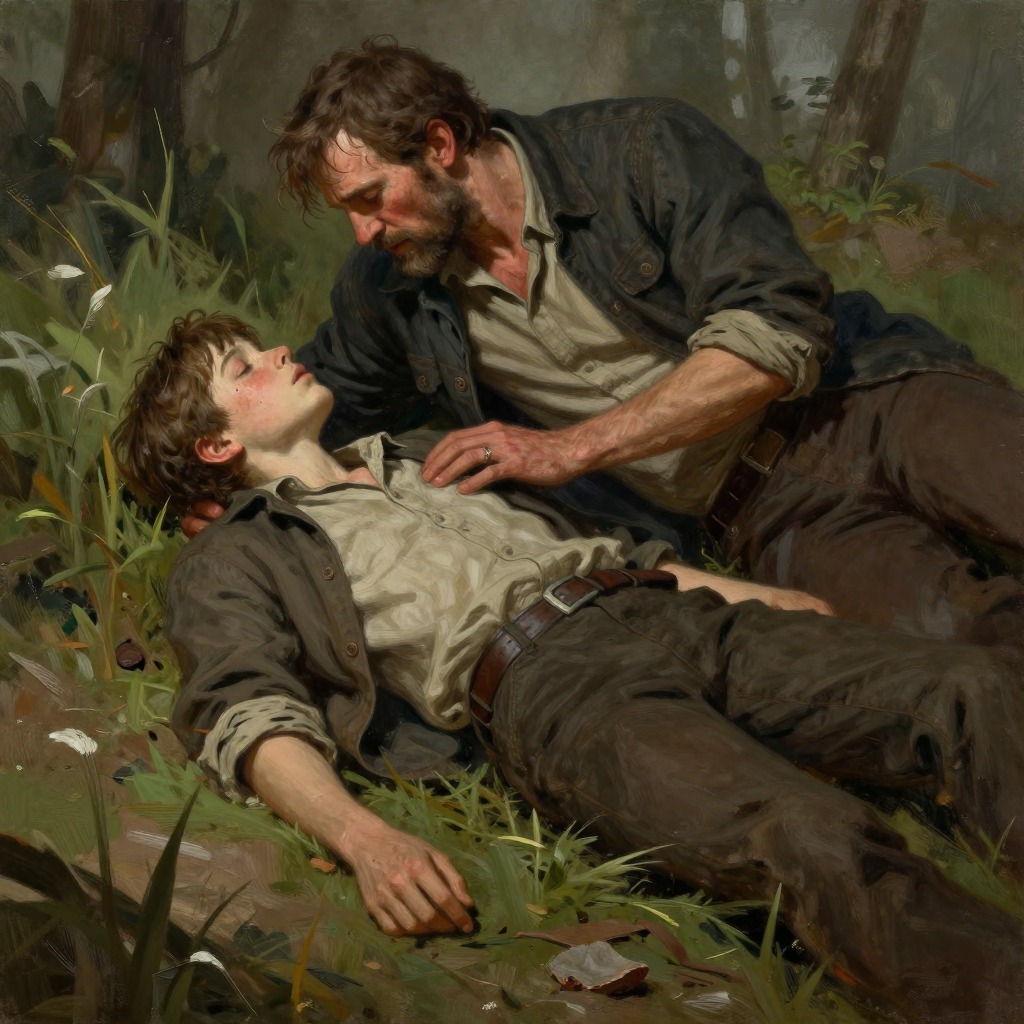
The boy has spent the entire novel learning to carry what his father called "the fire." The father told him, "It's inside you. It was always there." The boy, after his father's death, is lost and terrified, but he continues to talk to his father every day and does not forget. The woman's phrase about the breath of God gives a new name to what the boy has been carrying. The fire and the breath are the same thing: a commitment to goodness, to not eating people, to helping others, that persists even when there is no external reward or divine guarantee. The boy's own breath, his own continued existence, becomes the vessel for something that transcends his individual life.
The Final Image of the Novel
The novel ends not with the woman's words but with a lyrical passage about brook trout in the mountain streams before the world ended. The trout are described as having "vermiculate patterns that were maps of the world in its becoming. Maps and mazes. Of a thing which could not be put back. Not be made right again." This final image is not directly connected to the breath of God, but it completes the novel's meditation on what is lost and what might remain. The breath of God, like the trout, is a thing that once existed and now exists only in memory and in the fragile, continuing lives of those who remember. The woman's phrase suggests that this memory, this breath, can be passed on, even if the thing itself cannot be restored.
Thematic Resonance
The breath of God is the novel's most explicit statement of a theology of immanence and transmission. It rejects both the idea of a providential God who watches over the righteous and the nihilistic conclusion that the absence of God means the absence of meaning. Instead, it proposes that the sacred is a human creation, sustained by human choice and human love, and that it can survive even the end of the world as long as one person breathes it into another. This is the final answer to the father's question, "Are you there?" The answer is not a voice from the sky but the breath of a woman speaking to a child.