the Big Good Thing
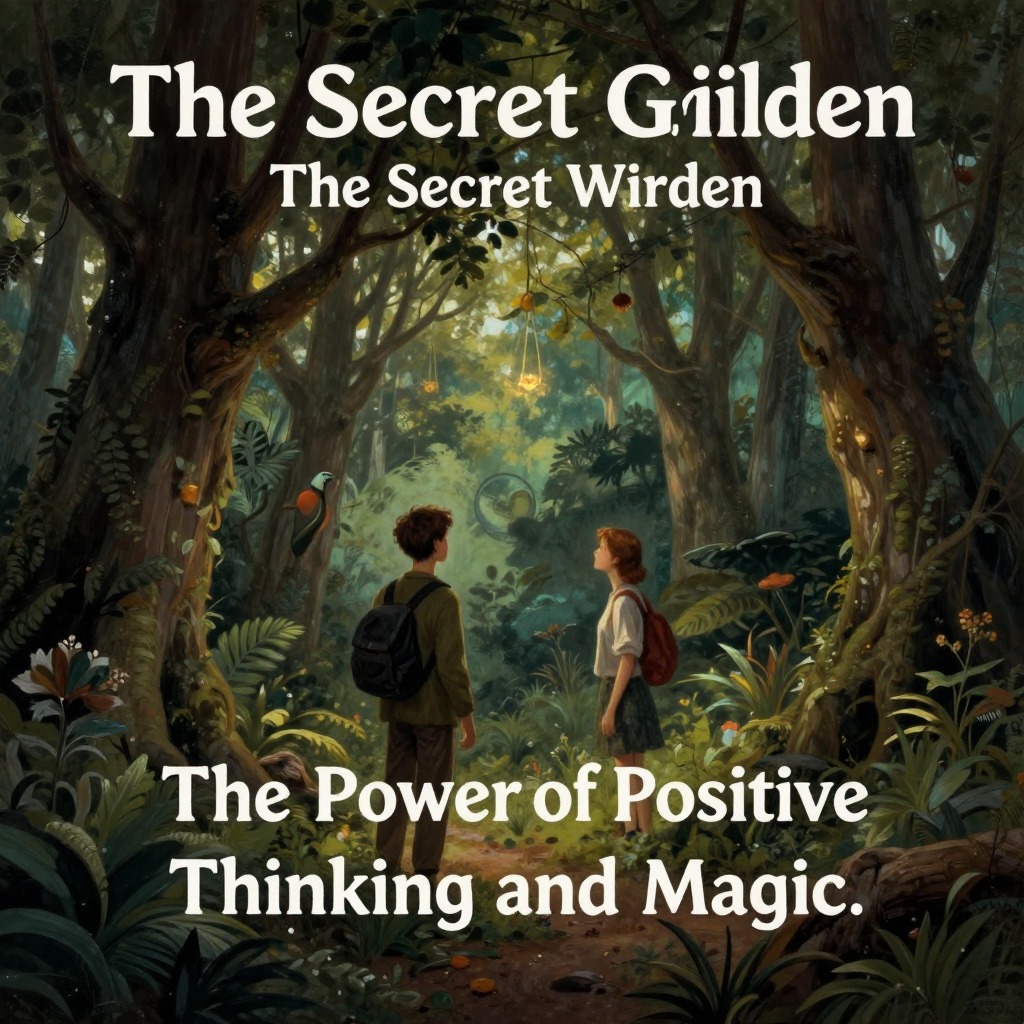
The Secret GardenThe Big Good Thing is the novel's culminating philosophical concept, articulated by Susan Sowerby to Colin Craven and Mary Lennox in the secret garden. It represents the benevolent, life-giving force behind the natural world's renewal and the children's physical and emotional recovery. Susan Sowerby introduces the idea when Colin, after experiencing a surge of health and joy, asks if she believes in Magic. She responds that she does, but that the name does not matter: "I warrant they call it a different name i' France an' a different one i' Germany. Th' same thing as set th' seeds swellin' an' th' sun shinin' made thee a well lad an' it's th' Good Thing." This statement redefines the children's earlier, more whimsical concept of "Magic" as a universal, name-transcending power that operates through natural processes like growth and sunlight. Susan Sowerby emphasizes that the force is not concerned with human labels: "It isn't like us poor fools as think it matters if us is called out of our names. Th' Big Good Thing doesn't stop to worrit, bless thee. It goes on makin' worlds by th' million—worlds like us." She urges Colin never to stop believing in it and to know that the world is full of it, regardless of what one calls it. The concept is further linked to the act of singing the Doxology, which Colin had just performed. Susan Sowerby tells him, "Th' Magic listened when tha' sung th' Doxology. It would ha' listened to anything tha'd sung. It was th' joy that mattered. Eh! lad, lad—what's names to th' Joy Maker." Here, she offers an alternative name for the same force—"the Joy Maker"—reinforcing the idea that the essence of the power is joy and gratitude, not the specific words used to invoke it. The Big Good Thing thus serves as the novel's philosophical resolution, affirming that the children's belief in Magic, their joy, and their gratitude are what truly matter, and that this benevolent force is accessible to anyone who approaches it with the right spirit.