
Constance's Captivity and the Politics of Space
The Three MusketeersThis flow traces how Constance's movement through houses, palaces, and convents determines her changing political vulnerability.
increasing Bearing strength in each event
 decreasing
Bearing strength in each eventdecreasingThe Bonacieux House
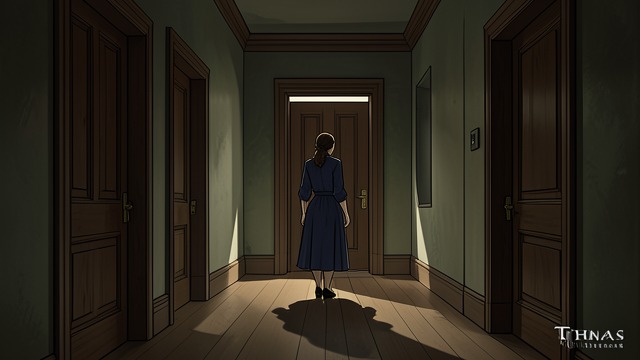
Home Becomes a Trap
Domestic Surveillance
The house on Rue des Fossoyeurs is converted into a mousetrap by Richelieu's agents.
Insecurity of Home
Constance's marriage residence offers no protection. Political power can occupy domestic space without warning.
The Louvre Passage
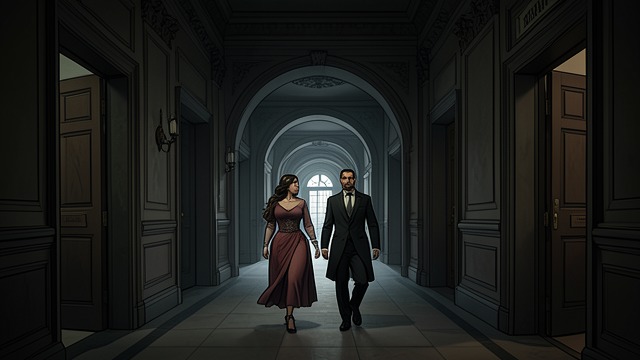
Palace as Labyrinth
Secret Access
Constance guides Buckingham through servants' doors and hidden corridors.
Political Inversion
The palace that should embody royal security becomes a place where lovers and spies move beyond official surveillance.
The St. Cloud Pavilion
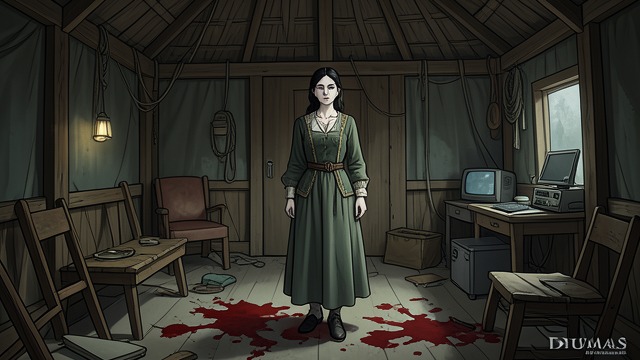
A False Sanctuary
Private Rendezvous
Constance is expected at a remote pavilion outside Paris.
Violated Space
The room's broken furniture and bloodstains reveal that secrecy cannot guarantee safety. A private meeting place becomes evidence of abduction.
The Bethune Convent
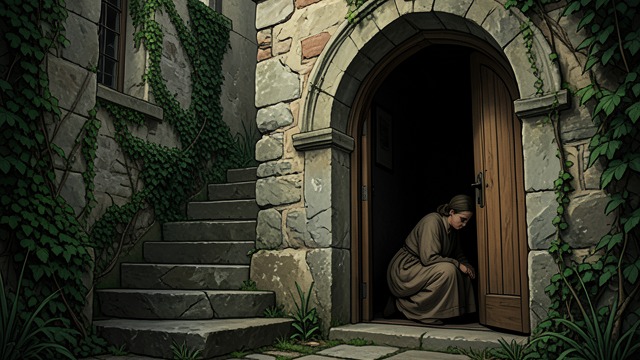
Sacred Shelter
Concealment
The Carmelite Convent at Bethune hides Constance from the cardinal's agents.
Fragile Protection
Its religious walls provide temporary safety, but the convent also allows Milady to approach under the cover of piety and victimhood.
The Cottage by the Lys
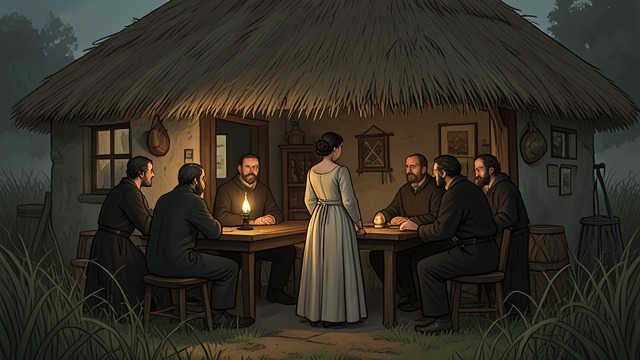
Space for Judgment
Hidden Assembly
The friends gather in an isolated house near the Lys to confront Milady.
Outside the State
The secluded setting permits a private tribunal. Spatial isolation reflects the moral isolation of the judges from official law.
after the first abduction
the night Buckingham enters the Louvre
the night before the rescue mission
after the Queen's authorization
the night of Milady's trial
