
The Culture of Dueling
The Three MusketeersThis flow traces how dueling begins as social provocation and becomes a language of political identity and moral choice.
increasing Bearing strength in each event
 decreasing
Bearing strength in each eventdecreasingGascon Provocation
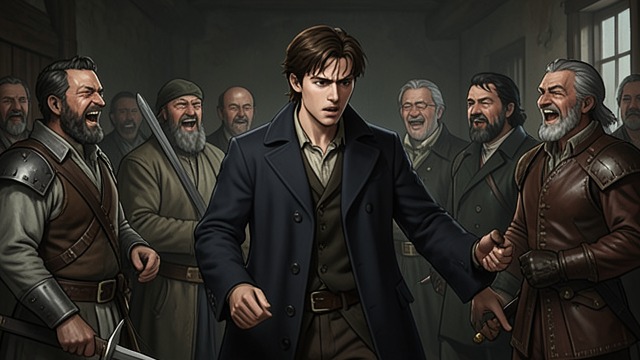
Honor Is Easily Wounded
Insult and Response
D'Artagnan interprets laughter, glances, and remarks as challenges.
Social Inexperience
His reflex reveals a culture in which masculine reputation depends upon answering insult, even when the insult is imagined.
Forbidden Combat
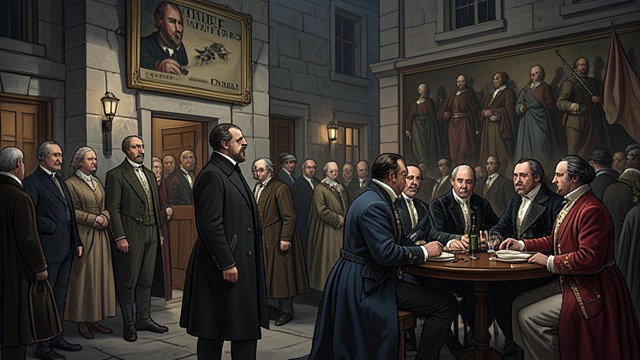
Law Against Custom
Anti-Dueling Edicts
The state prohibits duels while aristocratic society treats them as ordinary recreation.
Institutional Hypocrisy
Kings and ministers punish public disorder but cultivate elite combat as a means of prestige and control.
Four Against Five
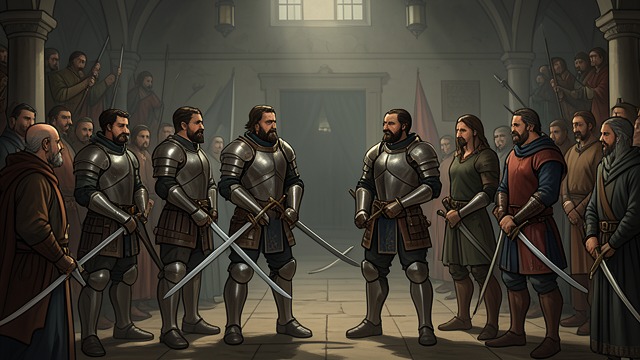
Combat as Allegiance
A Decisive Choice
D'Artagnan joins Athos, Porthos, and Aramis against the Cardinal's Guards.
Honor Reoriented
The fight no longer concerns private insult. It becomes a declaration that loyalty to comrades outranks obedience to a restrictive law.
English Duel
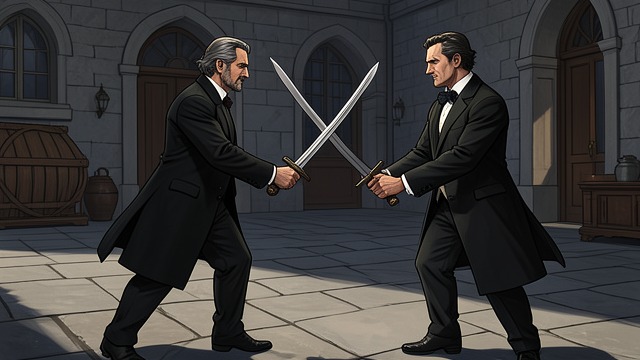
Foreign Honor
Shared Rules
The French friends fight English gentlemen over insult, reputation, and an earlier gambling dispute.
Mutual Respect
The duel ends with mercy and generosity. Combat can create fellowship when both sides recognize a common code.
Dueling's Afterlife
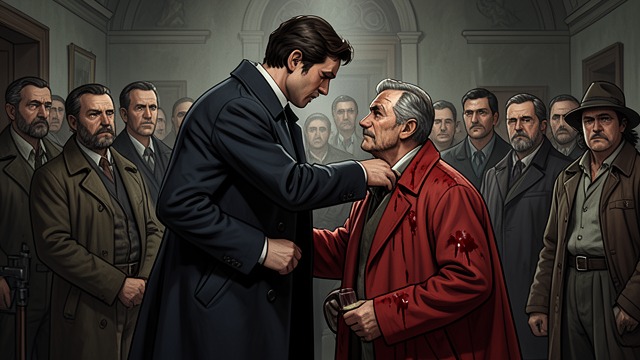
From Swordplay to Judgment
Repeated Violence
D'Artagnan and Rochefort later fight several times without allowing rivalry to become murder.
Moral Limit
Milady's execution exposes the difference between honorable contest and collective punishment. The novel both celebrates and questions violence.
the arrival at Meung
the first weeks in Paris
the duel at the Carmes-Deschaux
after Milady's introduction
after the final confrontation
