
The Political Uses of Religion
The Three MusketeersThis flow traces how Catholic, Puritan, and Huguenot identities become tools of loyalty, persecution, and manipulation.
increasing Bearing strength in each event
 decreasing
Bearing strength in each eventdecreasingRichelieu's Church
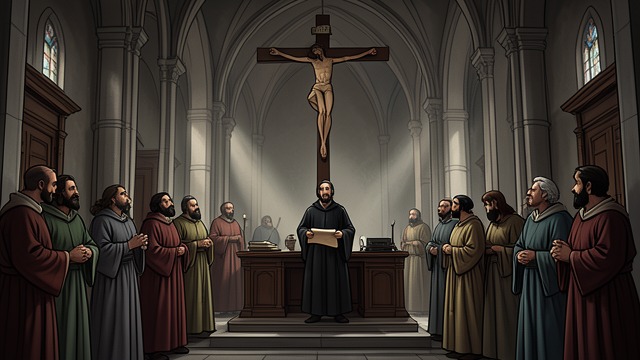
Religion and Statecraft
Ministerial Authority
Richelieu presents political centralization as protection of Catholic France.
Instrumental Faith
Religious language legitimizes surveillance and war, while political necessity determines which religious principles are emphasized.
Aramis's Vocation
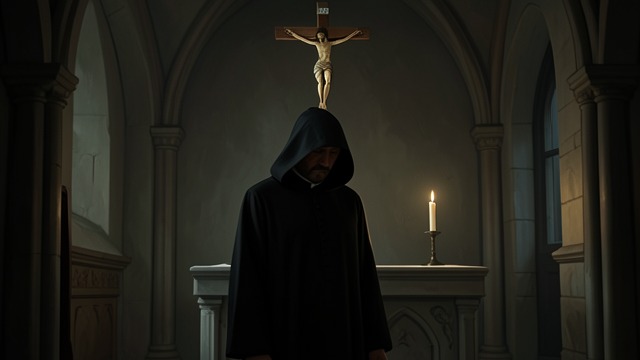
Faith as Retreat
Spiritual Interpretation
Aramis interprets wounds and romantic loss as signs calling him back to the Church.
Worldly Resistance
His faith repeatedly competes with appetite, poetry, romance, and military identity. Religion is sincere but unstable.
La Rochelle's Faith
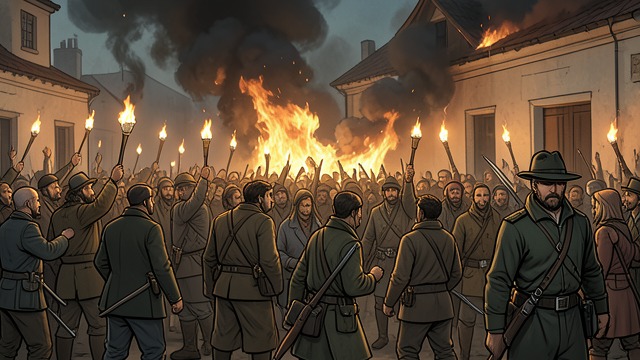
Religious War and Famine
Huguenot Resistance
The people of La Rochelle defend a Protestant stronghold against the French royal army.
Human Cost
The political language of religious unity conceals starvation, executions, and the destruction of a community's autonomy.
Felton's Puritanism

Faith Made Vulnerable
Moral Absolutism
Felton reads political conflict through Puritan categories of sin, martyrdom, and divine punishment.
Manipulated Conscience
Milady does not defeat his faith directly; she redirects it toward a false victim and a fabricated enemy.
Religious Judgment
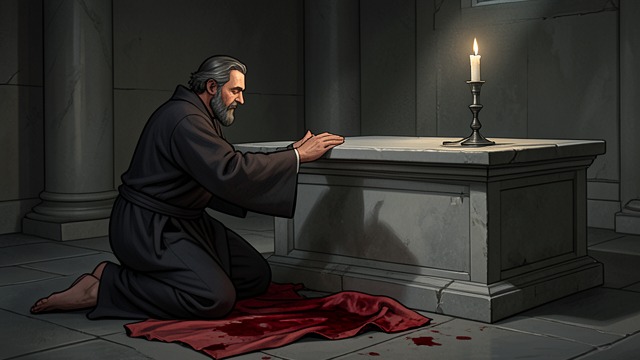
Sacred Language After Violence
Invocation of God
The executioners and accusers present Milady's death as justice before God.
Moral Unease
The ceremony resembles both legal punishment and private vengeance. Religious language gives solemnity but cannot erase responsibility.
early court politics
during recovery at Crevecoeur
during the siege
the second through fifth days of captivity
the trial and execution
