
Josef K.'s Arrest and the Onset of the Trial
The TrialThe narrative thread tracing Josef K.'s unexpected arrest, his initial confusion, and the beginning of legal proceedings that upend his ordinary life.
increasing Bearing strength in each event
 decreasing
Bearing strength in each eventdecreasingMorning Arrest
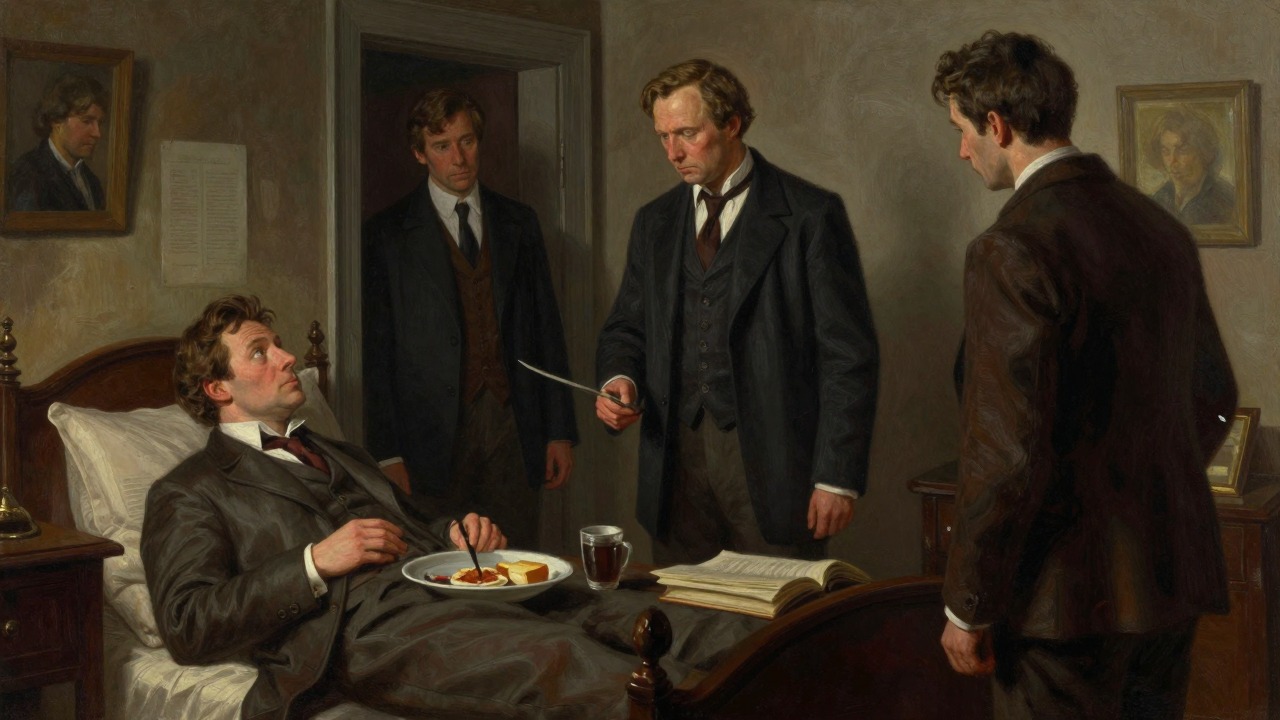
The Arrest
The Intrusion
Josef K. wakes to find his breakfast not brought, and instead two strange men enter his room. They announce his arrest without explanation, creating an atmosphere of absurdity and menace. K. tries to assert his innocence but is met with bureaucratic indifference.
K.'s Reaction
K. initially treats the arrest as a joke or a mistake, but his attempts to reason with the officers fail. He searches for identification papers, but the officers dismiss his efforts. The scene establishes the court's impenetrable logic and K.'s growing unease.
The Supervisor's Appearance
The supervisor arrives and conducts a brief hearing in Miss Bürstner's room. K. demands to know the charges but receives only vague answers. The supervisor advises K. to think less about the court and more about himself, hinting at the trial's psychological toll.
First Cross-Examination
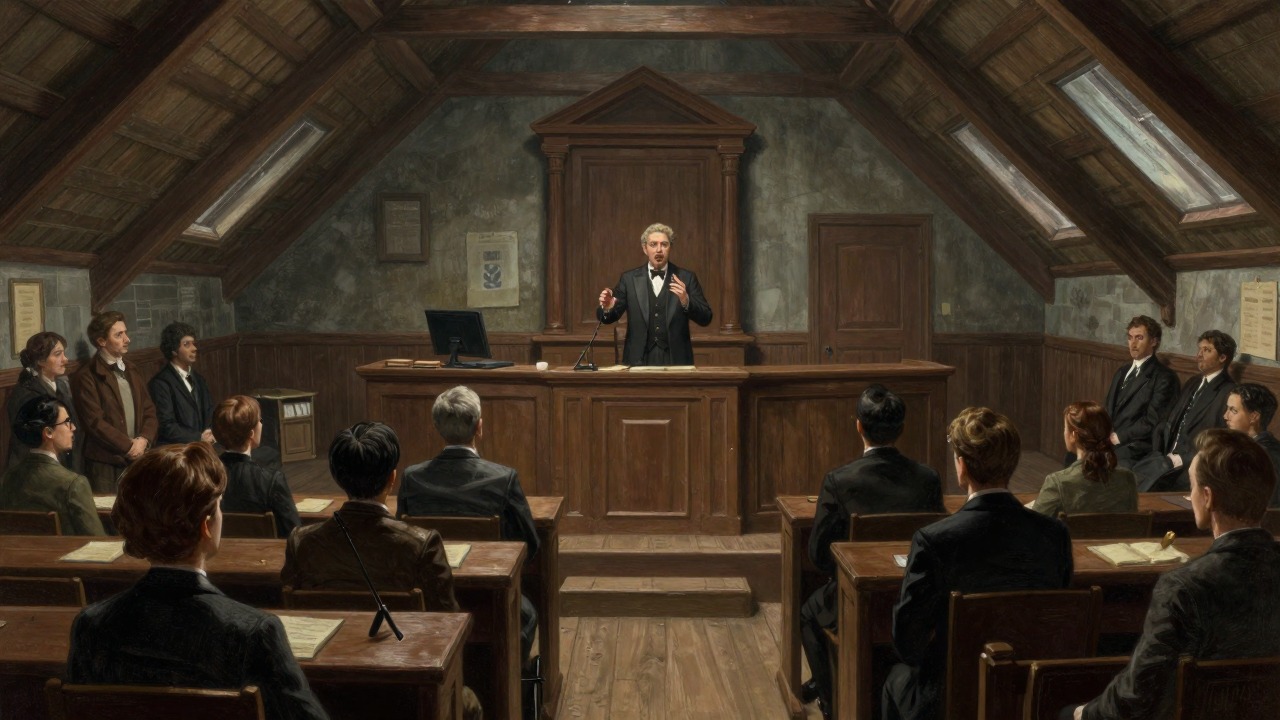
The First Hearing
The Courtroom in the Attic
K. travels to a poor suburb and finds the courtroom in a crowded attic. The examining judge questions him, but K. turns the tables by criticizing the court's corruption. He delivers a passionate speech, accusing the court of being a vast organization that preys on the innocent.
The Crowd's Reaction
The audience is divided, with some applauding and others hostile. K. notices badges on their collars, realizing they are all court employees. His speech is interrupted by a disturbance involving the court usher's wife and a student.
K.'s Defiance
K. leaves the hearing declaring that he will not cooperate further. The judge warns him that he has forfeited the advantages of a hearing. This encounter marks K.'s first direct confrontation with the court's absurdity.
Visit to the Court Offices
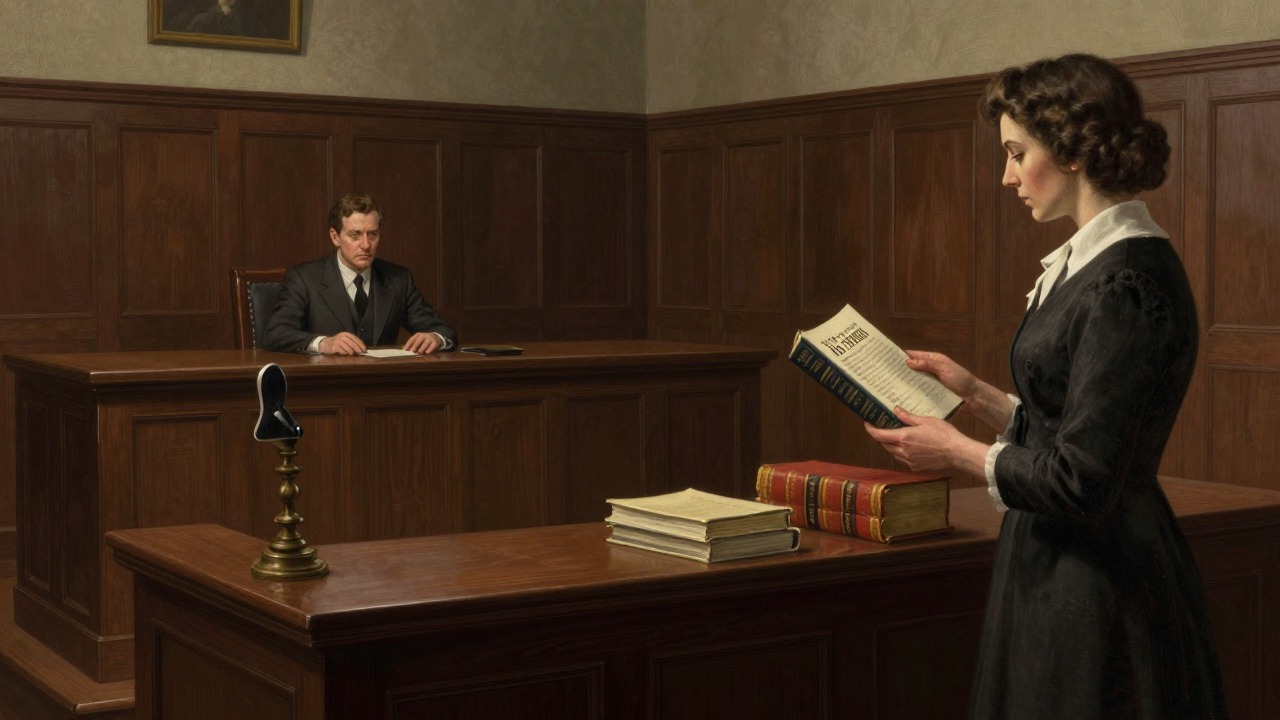
Exploring the Court's Domain
The Empty Courtroom
K. returns to the courtroom expecting another hearing, but finds it empty. The court usher's wife informs him that no session is scheduled. She shows him the law books, which turn out to be pornographic novels, revealing the court's degradation.
The Attic Offices
The usher leads K. through the court offices in the attic. K. sees other defendants waiting in a corridor, their demeanor humble and fearful. He feels faint from the oppressive atmosphere and is helped by a young woman and an information-giver.
The Sick Room
K. nearly collapses and is taken to a sick room. The information-giver explains the court's hierarchy and the importance of personal connections. K. leaves feeling both enlightened and more entangled in the court's web.
Engaging Dr. Huld
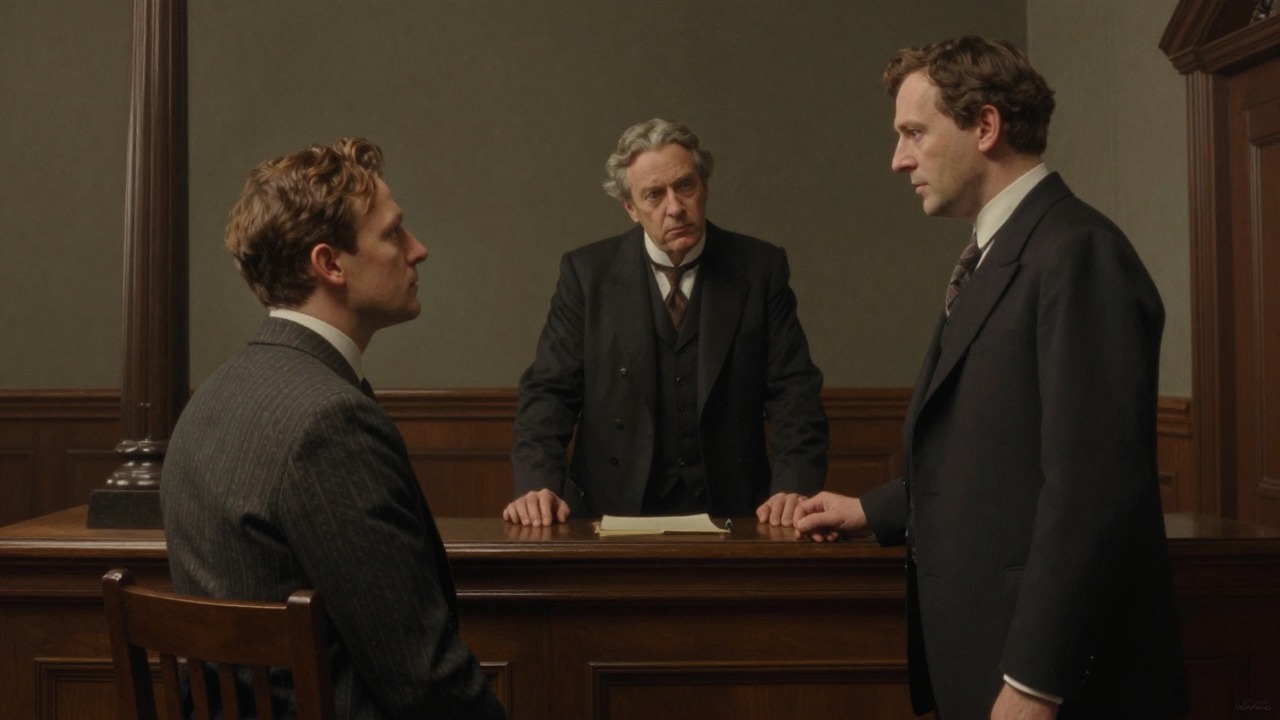
The Lawyer's Involvement
Uncle Karl's Intervention
K.'s uncle, Karl, arrives after hearing rumors of the trial. He insists on taking K. to Dr. Huld, a lawyer known for his connections with the court. K. reluctantly agrees, feeling pressured by family expectations.
Meeting the Lawyer
Dr. Huld is ill, but he agrees to take K.'s case. The lawyer explains the court's secretive nature and the importance of personal contacts. K. is introduced to Leni, the nurse, who shows immediate interest in him.
The Office Director
During the visit, an office director from the court is present. K. feels ignored and leaves the room with Leni, angering his uncle. This incident strains K.'s relationship with the lawyer and foreshadows his later dissatisfaction.
Consulting the Painter Titorelli
The Painter's Advice
The Manufacturer's Recommendation
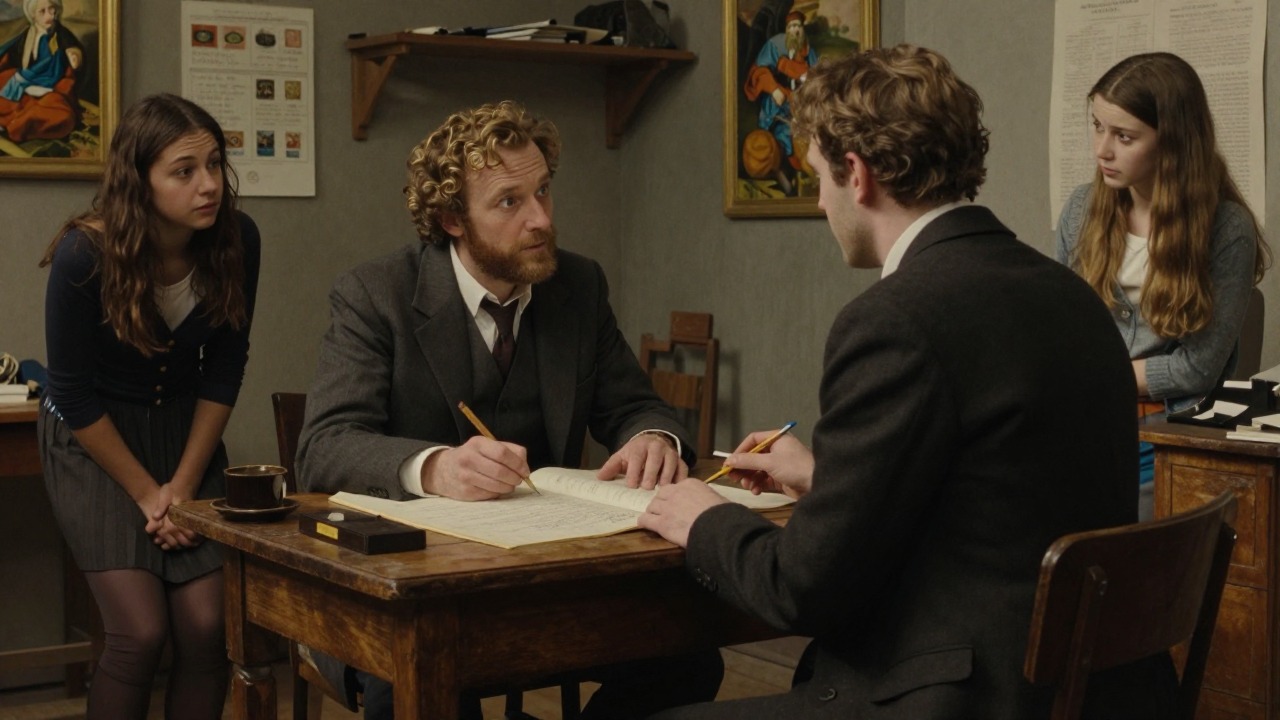
A business contact tells K. about Titorelli, a painter who works for the court. K. visits Titorelli's studio in a poor neighborhood, where he is harassed by young girls. The painter explains his role as a court trustee.
Three Options
Titorelli outlines three possible outcomes: absolute acquittal (impossible), apparent acquittal (temporary), and deferment (permanent delay). He offers to help K. achieve an apparent acquittal by gathering signatures from judges.
The Moorland Landscapes
K. buys several of Titorelli's paintings to maintain goodwill. He leaves through a door that leads directly into the court offices, realizing the court's omnipresence. The visit leaves K. disillusioned about the possibility of a fair resolution.
Dismissing the Lawyer
Breaking with Dr. Huld
K.'s Decision
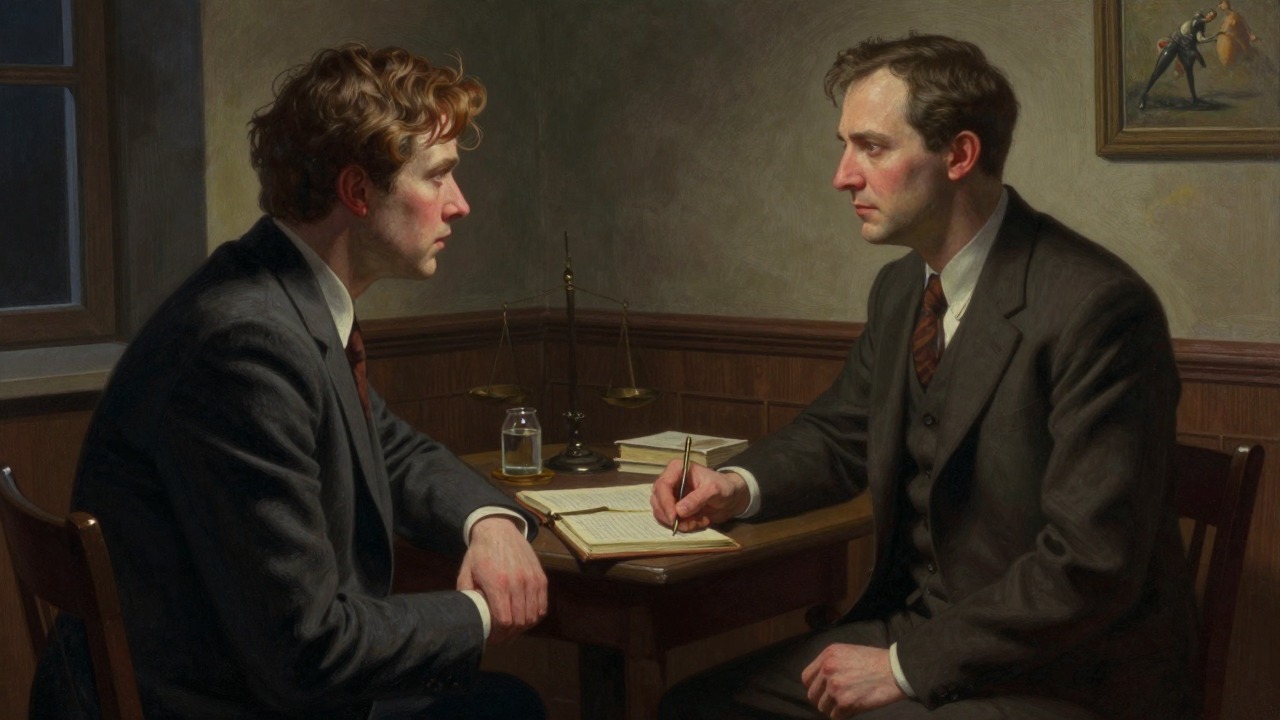
K. decides to dismiss Dr. Huld, believing the lawyer's methods are ineffective. He goes to the lawyer's house late at night, determined to take control of his defense.
The Scene with Block
At the lawyer's, K. meets Block, another client who has been humiliated by the lawyer. Block's groveling behavior disgusts K. and reinforces his resolve. Leni tries to seduce K. to change his mind, but he resists.
The Confrontation
K. tells Dr. Huld he is withdrawing the case. The lawyer tries to persuade him by demonstrating his power over Block, but K. remains firm. He leaves, feeling liberated but uncertain about the future.
The Cathedral Encounter
The Prison Chaplain
The Italian's Cancellation
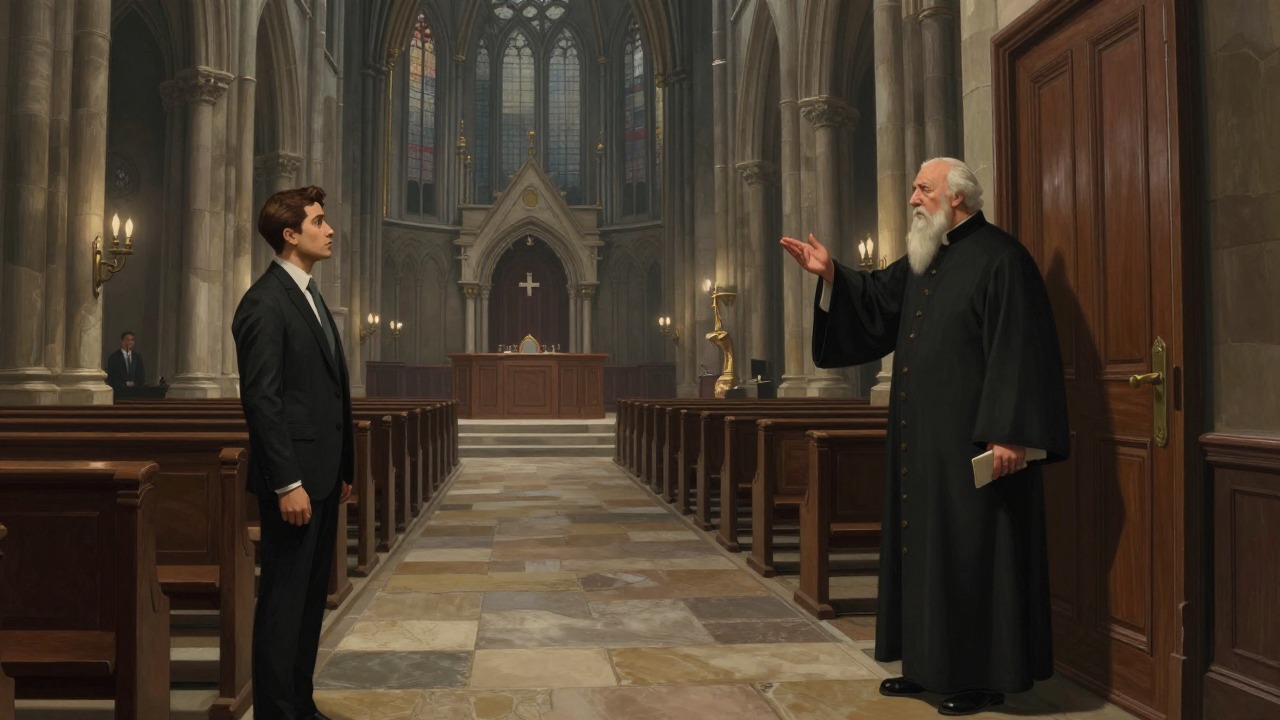
K. is assigned to guide an Italian businessman around the cathedral, but the Italian never arrives. K. waits in the empty cathedral, feeling the weight of his trial.
The Parable of the Doorkeeper
The prison chaplain calls out to K. and tells him the parable of the man before the law. The story illustrates the inaccessibility of justice and the futility of seeking it. K. and the chaplain debate the meaning of the parable.
The Chaplain's Warning
The chaplain warns K. that his case is going badly and that he seeks too much help from women. K. feels the chaplain is both sympathetic and part of the court. The encounter deepens K.'s despair and resignation.
Execution
The End
The Two Men
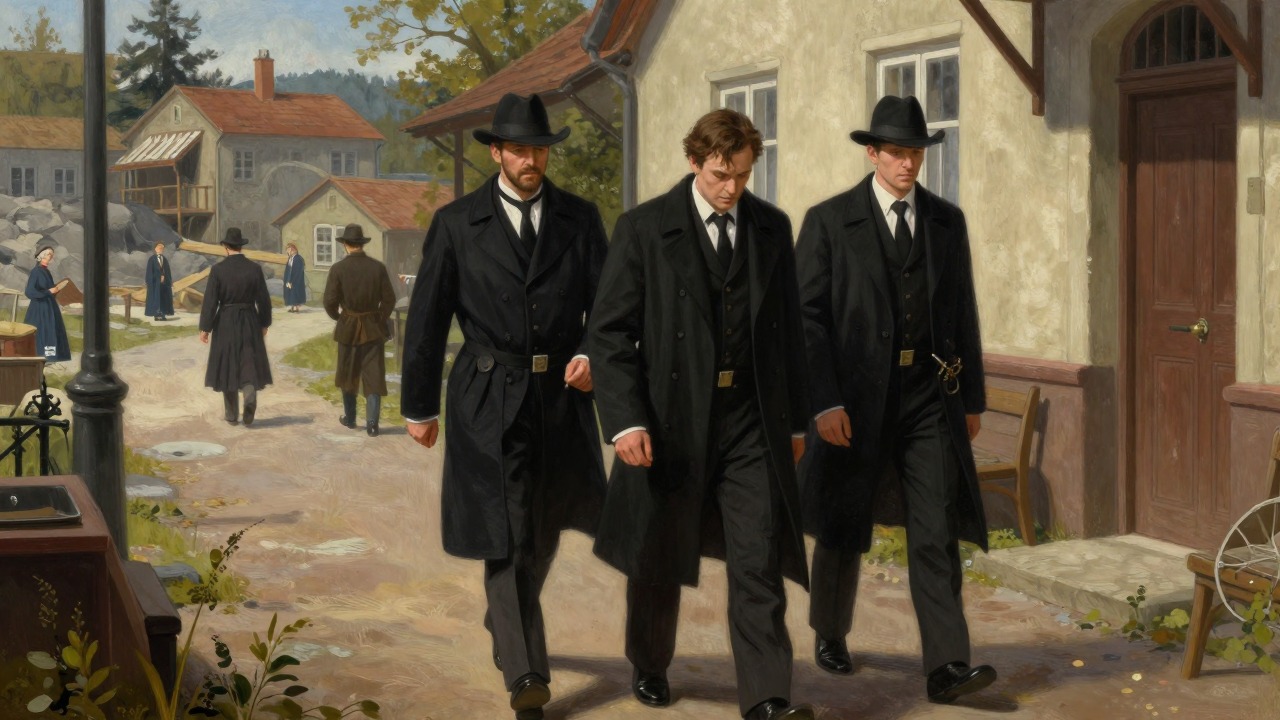
Two men in frock coats arrive at K.'s lodging. They are executioners, polite but implacable. K. dresses in black and goes with them without resistance.
The Walk to the Quarry
The men lead K. through the streets to a quarry. K. sees Miss Bürstner in the distance and feels a pang of reproach. He accepts his fate, thinking that he must maintain his dignity.
The Stabbing
At the quarry, the men prepare to kill K. They offer him the knife, but he refuses to take it himself. One man holds him while the other stabs him in the heart. K.'s last words are "Like a dog!" as he dies in shame.
Early morning on K.'s thirtieth birthday
The following Sunday
The following Sunday
Several weeks after the arrest
Winter, several months into the trial
Late evening, after several months of representation
A rainy morning, shortly before K.'s thirty-first birthday
The evening before K.'s thirty-first birthday
