
Josef K.'s Psychological Decline
The TrialThe character destiny thread tracing K.'s transformation from a confident bank clerk to a helpless victim consumed by the trial.
increasing Bearing strength in each event
 decreasing
Bearing strength in each eventdecreasingInitial Confidence
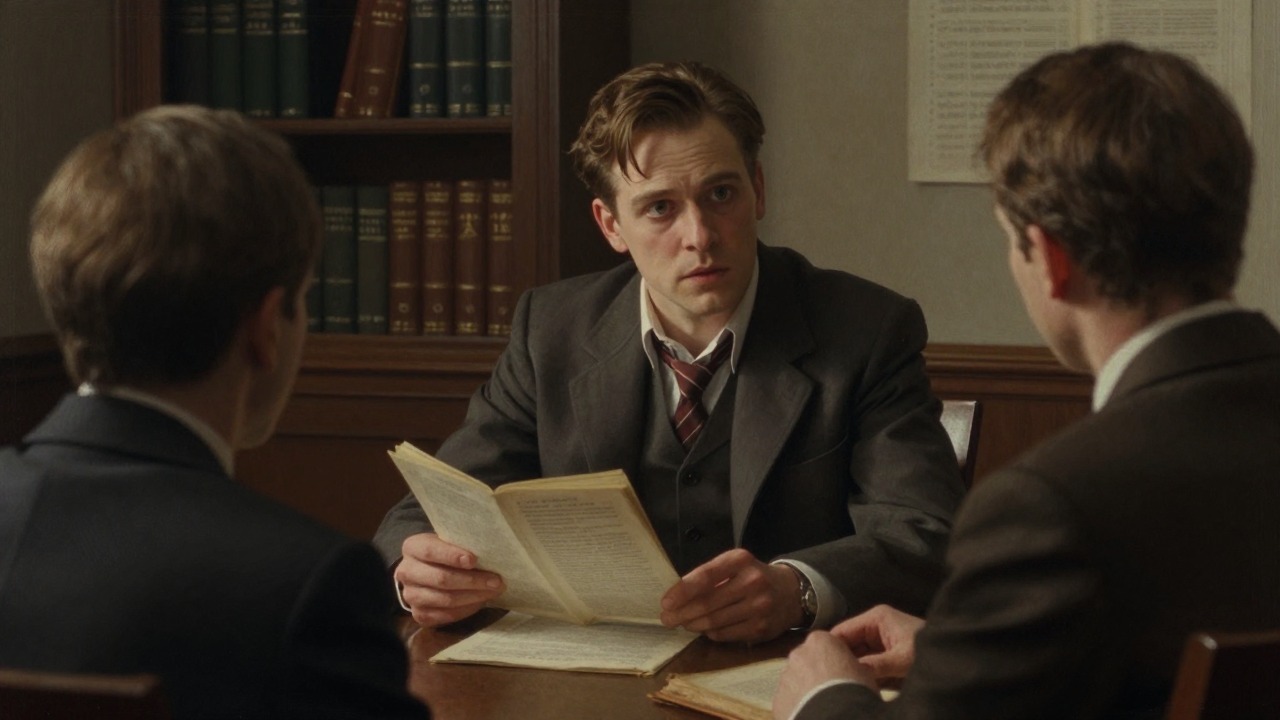
The Rational Man
K.'s Self-Assurance
At the start, K. believes the arrest is a mistake or a joke. He is confident in his innocence and his ability to navigate the situation. He continues his work at the bank with determination.
First Signs of Doubt
After the first cross-examination, K. begins to realize the court's irrationality. He feels a growing unease but still believes he can control the outcome. His confidence is shaken but not broken.
Growing Obsession
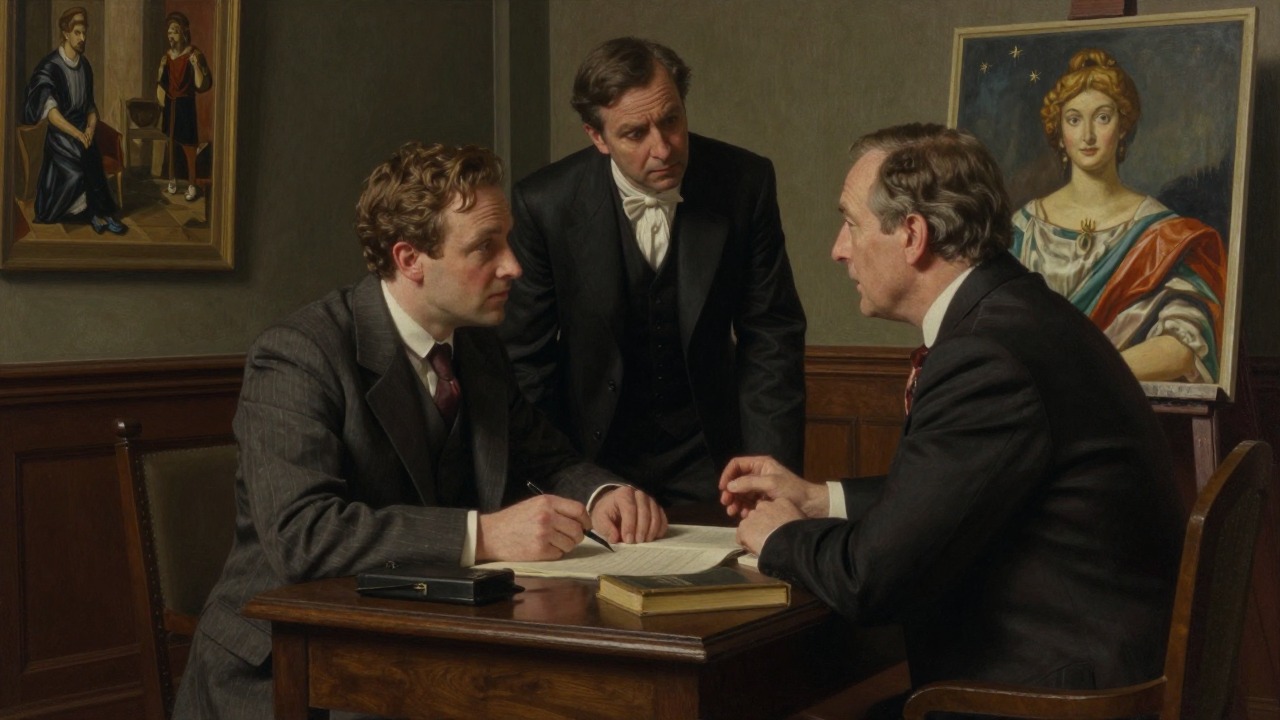
The Trial Consumes Him
Neglect of Work
K. becomes preoccupied with the trial. His performance at the bank suffers, and he fears the deputy director is undermining him. He spends hours daydreaming and planning his defense.
Dependence on Others
K. seeks help from his uncle, the lawyer, the painter, and women. He becomes entangled in their agendas. His sense of agency diminishes as he relies on external assistance.
Paranoia
K. suspects everyone of being connected to the court. He sees conspiracies in the actions of Miss Bürstner, the bank staff, and even his landlady. His mental state deteriorates.
Resignation and Death
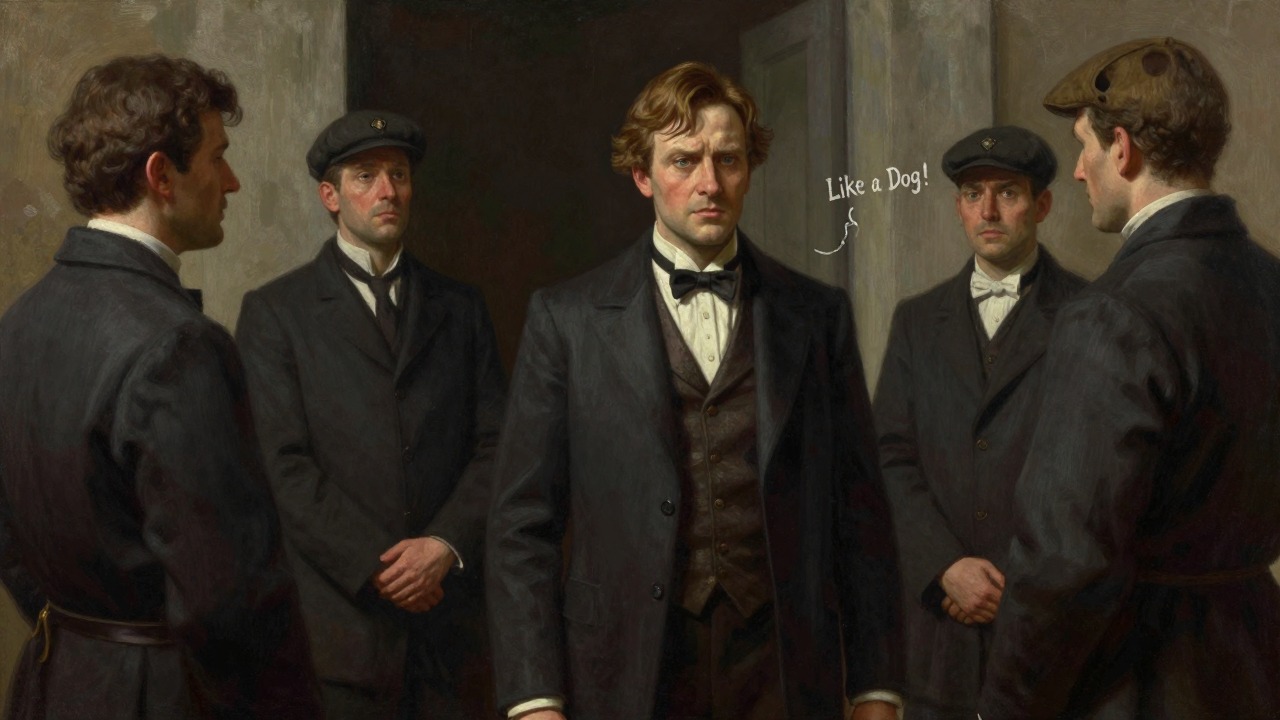
The End of Resistance
Acceptance
By the time of his execution, K. has lost all hope. He goes willingly with the executioners, thinking only of maintaining dignity. He reflects on his mistakes and the futility of his struggle.
Final Shame
K.'s last words, "Like a dog!" express his ultimate degradation. He dies believing his shame will outlive him. His fate illustrates the court's power to destroy a person's identity.
First days after arrest
Weeks into the trial
Final evening
